Belgium · Flanders · Gent
Gentbrugge, Gent — Area Guide & Where to Stay
Gentbrugge takes its name from a bridge toward Gent, and the deelgemeente has answered to that city since 1977.
Hotel links are affiliate links: booking through them may earn us a commission, at no extra cost to you. It never affects how places are ranked. How this works


Where to stay in Gentbrugge
Where visitors usually base themselves, and why.
The streets running down toward Ledeberg were laid out for houses rather than for hotels, so a stay in Gentbrugge means a handful of addresses against the whole weight of what Gent keeps in the centre. Kasteel Vilain marks the quiet corner. Travellers who want a base off the museum streets, with Sint-Amandsberg across one boundary and Ledeberg across the other, can work outward from here instead.
Find hotels in Gentbrugge
Direct booking searches for these neighbourhoods.
Kasteel Vilain and the streets facing it
Kasteel Vilain gives this corner the only landmark the district keeps under its own name, and the housing streets facing it stay quiet after dark. Rooms are few around here — worth securing early.Find hotels in Kasteel Vilain and the streets facing itborrowing Ledeberg's rooms while staying near GentbruggeThe Ledeberg boundary
Ledeberg sits against the Gentbrugge boundary, so a room taken there still leaves the castle side of the district within an easy walk. Rooms are few around here — worth securing early.Find hotels in The Ledeberg boundarya search that crosses into Sint-AmandsbergThe Sint-Amandsberg edge
Sint-Amandsberg holds the other bordering deelgemeente, which spreads the search for a bed across two names rather than one. Beds are limited here, so book early.Find hotels in The Sint-Amandsberg edgeHotel links are affiliate links: booking through them may earn us a commission, at no extra cost to you. It never affects how places are ranked. How this works
Things to do in and around Gent
Ranked by global recognition; descriptions from Wikidata (CC0).
Museums & Galleries
3- Saint Peter's Abbey Heritage
- Museum of Fine Arts Ghent (MSK)
- Ghent University Museum
Churches & Religious Sites
8- Our-Lady Ter Hooyen Heritage
- Sint-Annakerk Heritage
- Our Lady of St. Peter's Church Heritage
- Nieuwenbosch Abbey Heritage
- Sint-Coletakerk Heritage
Show 3 more →
- Onze-Lieve-Vrouw ter Hoyekerk Heritage
- Heilig Hartkerk Heritage
- HH. Simon en Judas-Thaddeuskerk Heritage
Castles & Historic Sites
3- Castle Stas de Richelle Heritage
- Kasteel Vilain (Gentbrugge) Heritage
- Settlement of the Early Middle Ages in Gentbrugge
worth knowingacross 3 categories in and around Gent
About Gentbrugge
What are the main landmarks in Gentbrugge?
Kasteel Vilain is the one entry that carries the district's own name. Most of the other names gathered around this point belong to the Gent centre, where the Museum of Fine Arts Ghent, Saint Peter's Abbey, and the Ghent University Museum stand within a few streets of one another. Those three are Gent's, not Gentbrugge's.
That leaves the castle, the housing streets around it, and the boundary shared with Ledeberg as the things a walk here actually turns up.
What is the history of Gentbrugge?
A settlement of the early Middle Ages is recorded inside the boundary, so the ground here was worked and lived on long before any Gentbrugge council sat over it. A bridge to Gent supplied the name. Independence ended on 1 January 1977, when the territory passed to Gent and Gentbrugge took its place among the city's deelgemeenten.
Where is Gentbrugge?
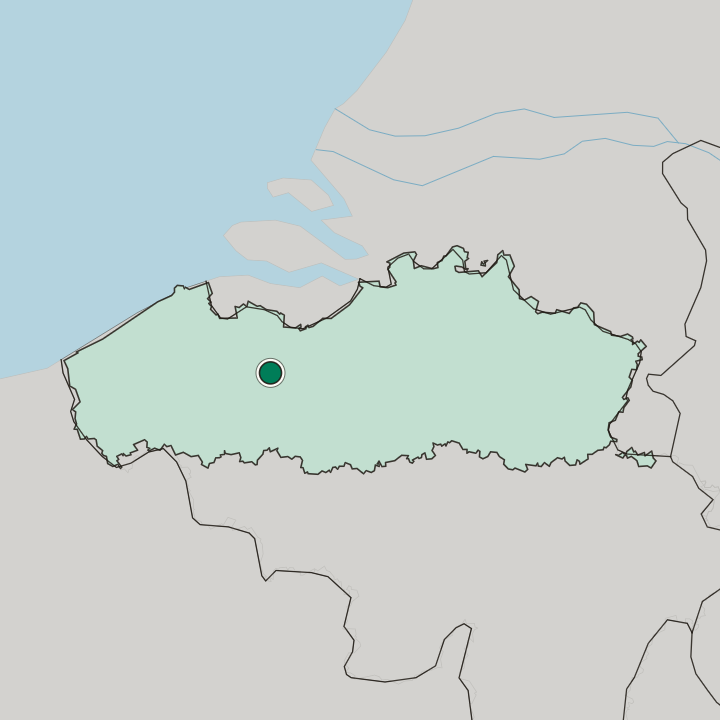
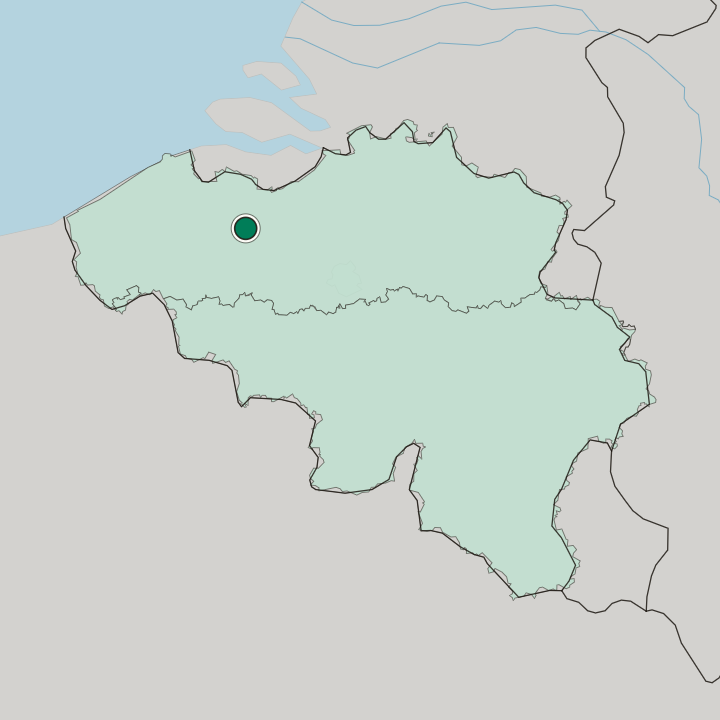
Gentbrugge covers a little under five square kilometres southeast of the Gent centre, with Sint-Amandsberg and Ledeberg along its boundary.
Common questions
What is the best area to stay in Gentbrugge?
Kasteel Vilain and the streets facing it: a quiet address beside Kasteel Vilain. The Ledeberg boundary: borrowing Ledeberg's rooms while staying near Gentbrugge. The Sint-Amandsberg edge: a search that crosses into Sint-Amandsberg.
Good for
More areas in Gent
Updated October 2026