Brazil · Rio Grande do Sul
Where to Stay in Bento Gonçalves, Rio Grande do Sul
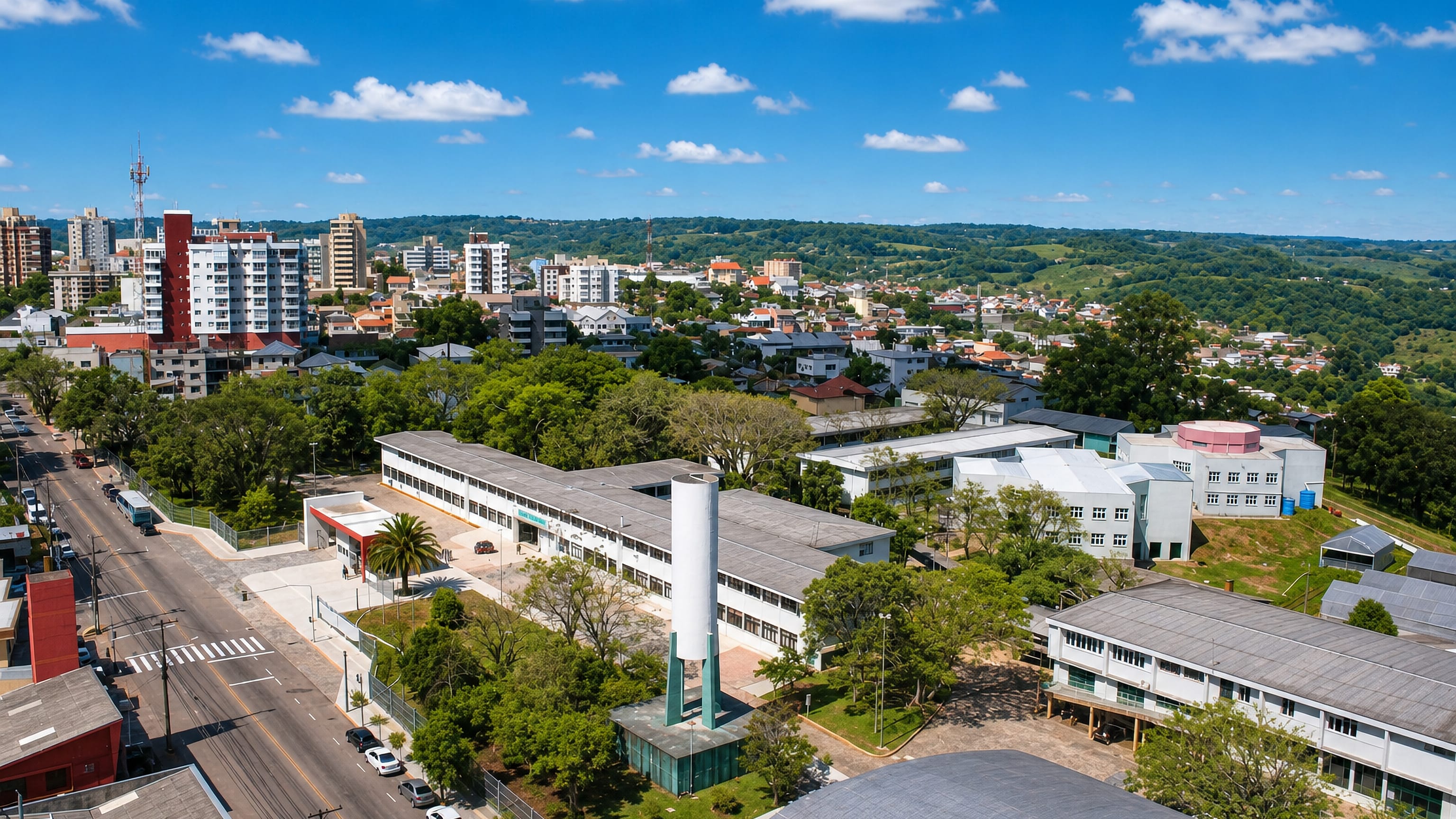
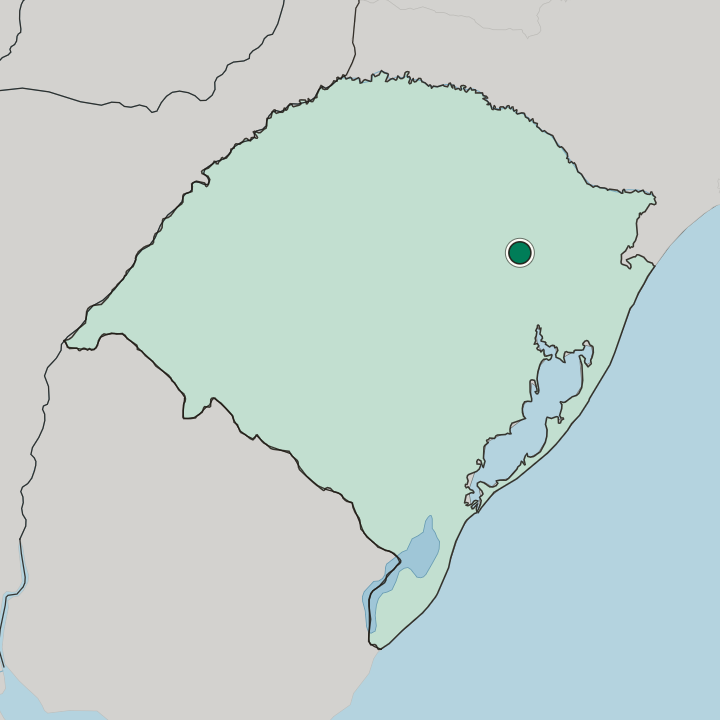
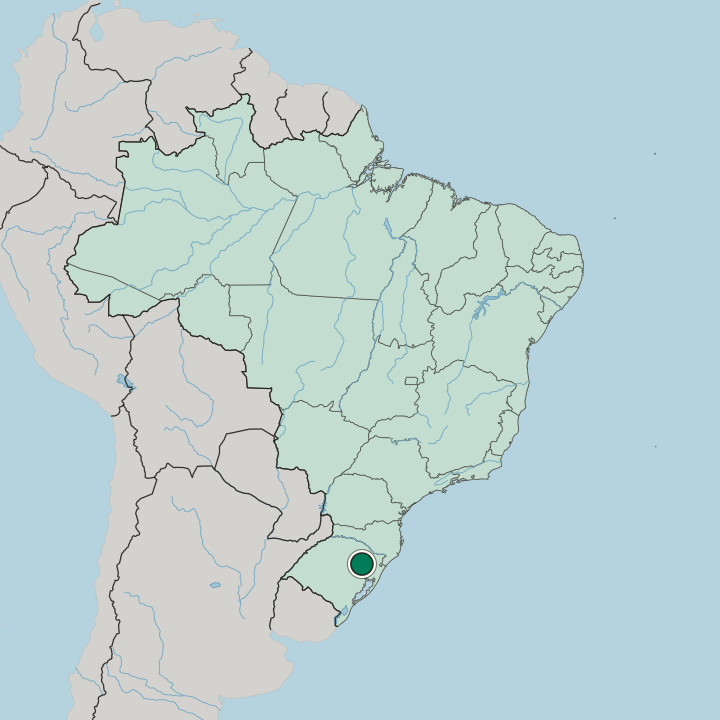
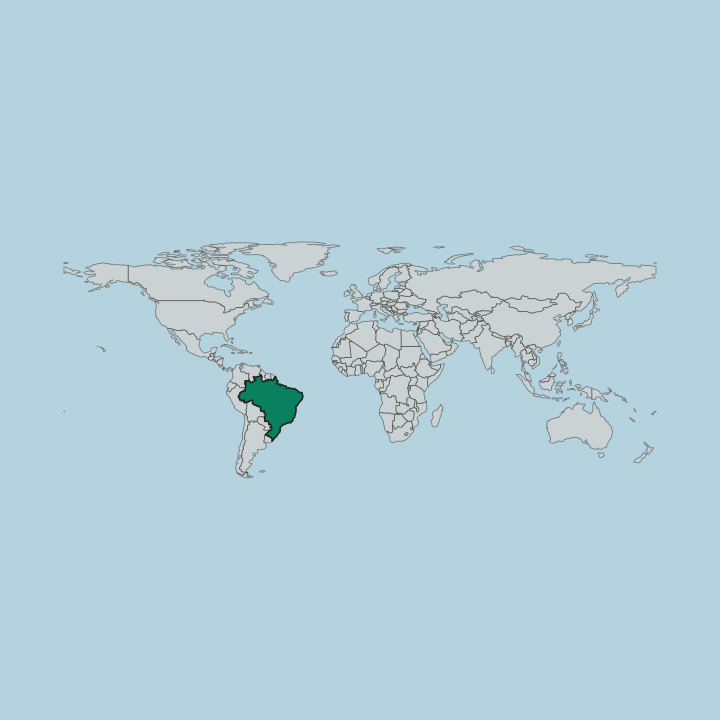
Bento Gonçalves is known as the wine capital of Brazil, an Italian-settled town in the Northeast of Rio Grande do Sul. Vineyards surround it.
Hotel links are affiliate links: booking through them may earn us a commission, at no extra cost to you. It never affects how places are ranked. How this works


Where to stay in Bento Gonçalves
How the choice of base plays out on the ground.
Museu Histórico Casa do Imigrante sits in the part of town where the beds are. Rooms in the centre keep restaurants, shops, and the immigration museum within a walk, and they leave a car parked while the evening happens on foot, which is the arrangement most short stays want. Nothing there is far apart.
It suits you if the trip is about the town rather than the country around it. Vineyard stays are the alternative. Properties out among the vines put the Ecomuseu da Cultura do Vinho and the working estates on the doorstep, and the quiet at night is of a kind that no central street can offer.
A car becomes necessary. Distances between the estates are the reason, since the planted country spreads well beyond the built-up edge. Harvest fills the calendar.
Demand rises when the vineyards are working, so a booking made late tends to land out in the country rather than in the centre. Either side works for a short visit. Bento Gonçalves is compact enough that the drive between a vineyard room and Museu Histórico Casa do Imigrante takes less time than choosing between them.
Find hotels in Bento Gonçalves
Direct booking searches for these neighbourhoods.
Town centre
Restaurants, shops and the immigration museum fall within one walk of the Bento Gonçalves centre.Find hotels in Town centreSleeping among the vines near the Ecomuseu da Cultura do VinhoVineyard estates
Properties out in the planted country put the wine ecomuseum and the working estates on the doorstep, with a car assumed.Find hotels in Vineyard estatesHotel links are affiliate links: booking through them may earn us a commission, at no extra cost to you. It never affects how places are ranked. How this works
About Bento Gonçalves
Wine made the name.
What is Bento Gonçalves known for?
Vineyards and the production that grew out of them gave Bento Gonçalves its reputation as the wine capital of Brazil, and the Ecomuseu da Cultura do Vinho sets that trade out as culture rather than industry. Italian families started it. Museu Histórico Casa do Imigrante keeps the record of the immigration that filled the countryside around the town.
What are the main landmarks in Bento Gonçalves?
Two museums do all the interpreting. Ecomuseu da Cultura do Vinho takes the vineyards themselves as its exhibit, spreading a visit across the working country rather than confining it to a single hall, while Museu Histórico Casa do Imigrante works the conventional way. One reads the land, the other the household.
A visitor with a day can manage both and still get out among the vines.
What is the history of Bento Gonçalves?
Two dates attach to the founding. Records give 1875 for the creation of the municipality and 1890 for the town's own founding, and both fall within the decades of Italian immigration that reshaped the countryside of the Northeast of Rio Grande do Sul. The immigrants brought vines.
Immigration was the making of the place, not an episode in it, since the countryside that the arrivals cleared and planted is the same ground the wine trade still works. Museu Histórico Casa do Imigrante holds what that generation left behind. Wine turned the settlement into a region with a name.
Production spread across the surrounding farms until Bento Gonçalves became the centre that gave Brazil its wine capital, a title that rests on the vineyards rather than on any single estate or building. The Ecomuseu da Cultura do Vinho treats that history as culture. Its subject is the working landscape around it, not a collection of objects assembled indoors, which suits a town whose most important structures are its vines and its cellars.
The families came from Italy, and the immigration museum keeps that origin in view.
Where is Bento Gonçalves?
Vines take up the ground. Bento Gonçalves occupies a stretch of the Northeast of Rio Grande do Sul given over to vineyards, and the municipality is compact enough that planted country begins soon after the last streets. Farmland does the framing.
The town centre stays small against it.
What is the climate of Bento Gonçalves?
Vines settle the question. The subtropical band that covers the Northeast of Rio Grande do Sul gives Bento Gonçalves warm summers and winters cold enough for the vines to rest, which is the combination that made wine possible here in the first place. Rain comes through the year.
Harvest falls in the southern summer, not the northern one.
How do you get to Bento Gonçalves?
The vineyards begin before the town does. Approaches run through planted country in the Northeast of Rio Grande do Sul, so arrival by road is gradual rather than sudden, and the first sign of Bento Gonçalves is usually a row of vines rather than a building. Roads carry everyone.
Vineyard visits are driven, not walked.
Common questions
What is the best area to stay in Bento Gonçalves?
Town centre: Evenings on foot near Museu Histórico Casa do Imigrante. Vineyard estates: Sleeping among the vines near the Ecomuseu da Cultura do Vinho.
Good for
More cities in Rio Grande do Sul
Updated September 2026