Brazil · Rio Grande do Sul
Where to Stay in Caxias do Sul, Rio Grande do Sul
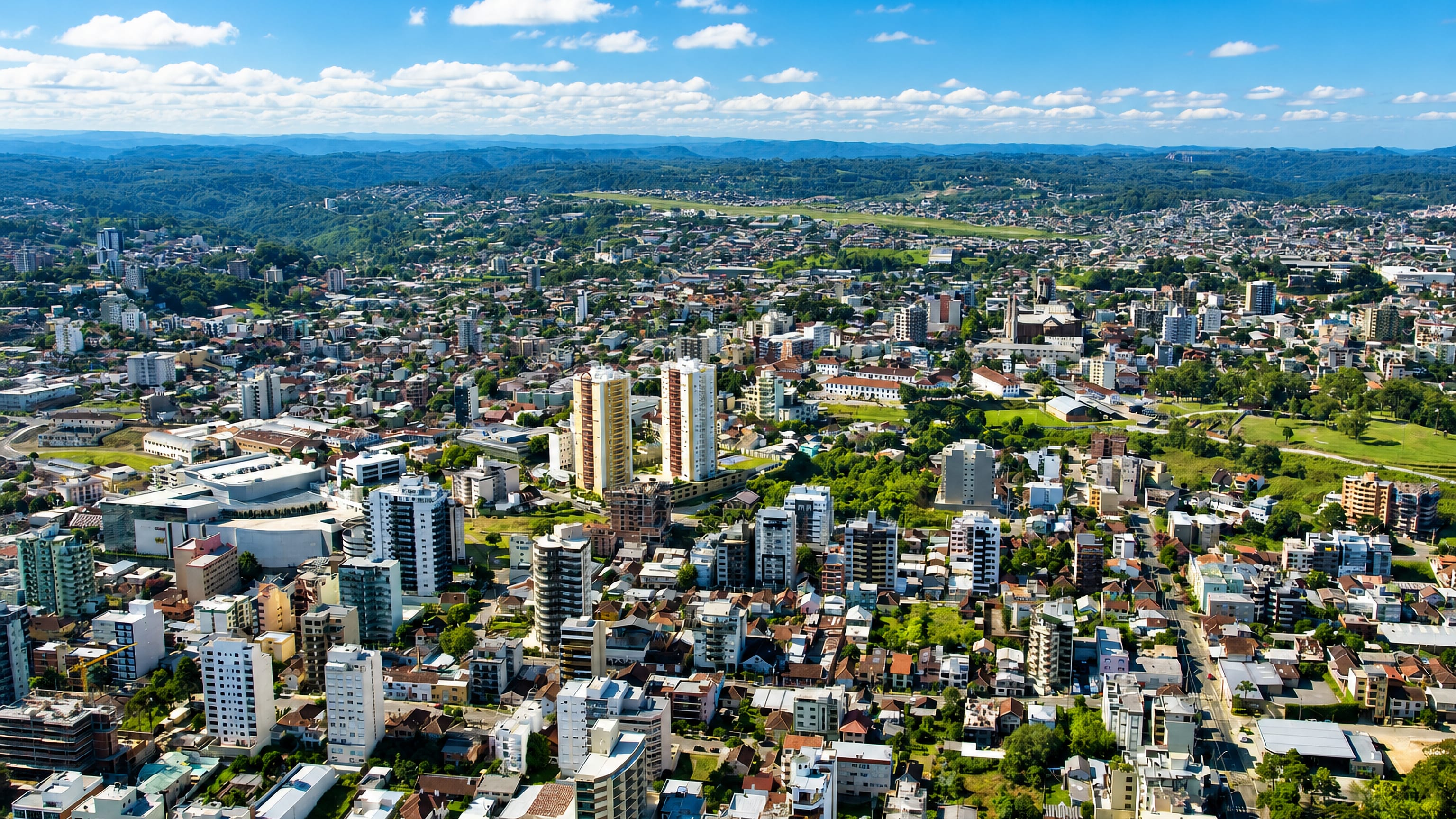
Caxias do Sul stands high in the Serra Gaúcha, an Italian-Brazilian industrial city among the vineyards of Rio Grande do Sul. Metal and grapes.
Hotel links are affiliate links: booking through them may earn us a commission, at no extra cost to you. It never affects how places are ranked. How this works


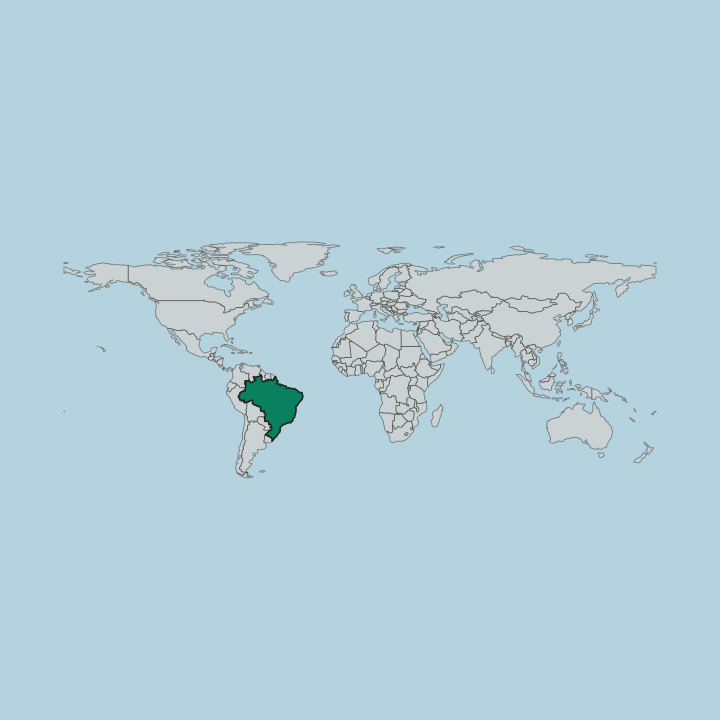
Where to stay in Caxias do Sul
Where visitors usually base themselves, and why.
Three bases, three different days. The centre holds the municipal collections, among them the Museum of Caxias do Sul City and the Acervo Municipal de Artes Plásticas, so a room there suits anyone who wants to read the place through what it has chosen to keep about itself. For the churches of the Italian settlement, book toward São Pelegrino, whose church and the Igreja de Nossa Senhora de Lourdes carry the parish tradition that immigration brought.
That side sits away from the plants. Business travel pulls the other way, toward the metallurgy and bus works that keep Caxias do Sul earning. Out at Santa Lúcia do Piaí the ground turns rural, and the Centro de Memória e História de Santa Lúcia do Piaí keeps the record of that farming settlement; rooms are fewer there, so book ahead.
Grape country begins here. Anyone here for the wine slopes of the Serra Gaúcha should treat the city as a base rather than the destination, spending daylight among the vines and coming back for supper and a bed. A car helps for that.
The Capela do Santo Sepulcro, the Museu dos Capuchinhos, and the Museu São Brás fill out a museum circuit that one wet afternoon can absorb whole.
Find hotels in Caxias do Sul
Direct booking searches for these neighbourhoods.
Centro
The municipal collections gather here, from the Museum of Caxias do Sul City to the Acervo Municipal de Artes Plásticas.Find hotels in Centrotravellers following the Italian-Brazilian parishesSão Pelegrino
São Pelegrino and the Igreja de Nossa Senhora de Lourdes give this side of Caxias do Sul its church architecture.Find hotels in São Pelegrinovineyard days on the Serra Gaúcha slopesSanta Lúcia do Piaí
A rural district of the municipality with its own Centro de Memória e História de Santa Lúcia do Piaí and few rooms. Lodging is scarce in this area; reserve in advance.Find hotels in Santa Lúcia do PiaíHotel links are affiliate links: booking through them may earn us a commission, at no extra cost to you. It never affects how places are ranked. How this works
Things to do in Caxias do Sul
Ranked by global recognition; descriptions from Wikidata (CC0).
Museums & Galleries
3- Museu Ambiência Casa de Pedra Heritage
- Museum of Caxias do Sul City Heritage
- Museu dos Capuchinhos
Churches & Religious Sites
3- São Pelegrino's church
- Igreja de Nossa Senhora de Lourdes
- Capela do Santo Sepulcro
Castles & Historic Sites
1- Monumento Nacional ao Imigrante Heritage
worth knowingacross 3 categories in Caxias do Sul
About Caxias do Sul
Metal and wine, in roughly equal measure.
What is Caxias do Sul known for?
Caxias do Sul works in metallurgy and builds buses, and the same uplands that hold those factories carry the vineyards that gave the Serra Gaúcha its name. Italian immigration is the thread through both, marked at the Monumento Nacional ao Imigrante. It is known as the Capital da Serra Gaúcha.
In Rio Grande do Sul it ranks second, behind Porto Alegre.
What are the main landmarks in Caxias do Sul?
The Monumento Nacional ao Imigrante stands for the whole story. Around it the city keeps a long museum roll: the Museum of Caxias do Sul City, the Museu Ambiência Casa de Pedra, the Museu Casa Zinani, the Museu dos Capuchinhos, and the Museu São Brás. The city's churches fill in the balance.
São Pelegrino, the Igreja de Nossa Senhora de Lourdes, and the Capela do Santo Sepulcro stand among them. Two further collections are civic rather than touristic, the Acervo Municipal de Artes Plásticas and the Centro de Memória Regional do Judiciário.
What is the history of Caxias do Sul?
Caxias do Sul dates its municipal life to 1890. Italian immigration is the origin the city claims for itself, and the Monumento Nacional ao Imigrante was raised at national scale to mark it, an unusual thing for a place of this size to build about its own beginnings. Two of its museums are houses.
The Museu Ambiência Casa de Pedra and the Museu Casa Zinani are named for the buildings they occupy, which is how a young city keeps the record of its first households. Church and industry grew in parallel. The Museu dos Capuchinhos carries a religious order in its name, while São Pelegrino and the Igreja de Nossa Senhora de Lourdes gave the parishes their landmarks, with the Capela do Santo Sepulcro a smaller addition to the same devotional line.
Industry took the working city over. Metallurgy and bus manufacturing made it a major industrial centre of its region, while grape growing kept a second economy alive on the hillsides of the Serra Gaúcha. The rural side of that story has its own keeper at Santa Lúcia do Piaí. Brazil's part in the Second World War is recorded here too, by the museum of the Força Expedicionária Brasileira.
Where is Caxias do Sul?
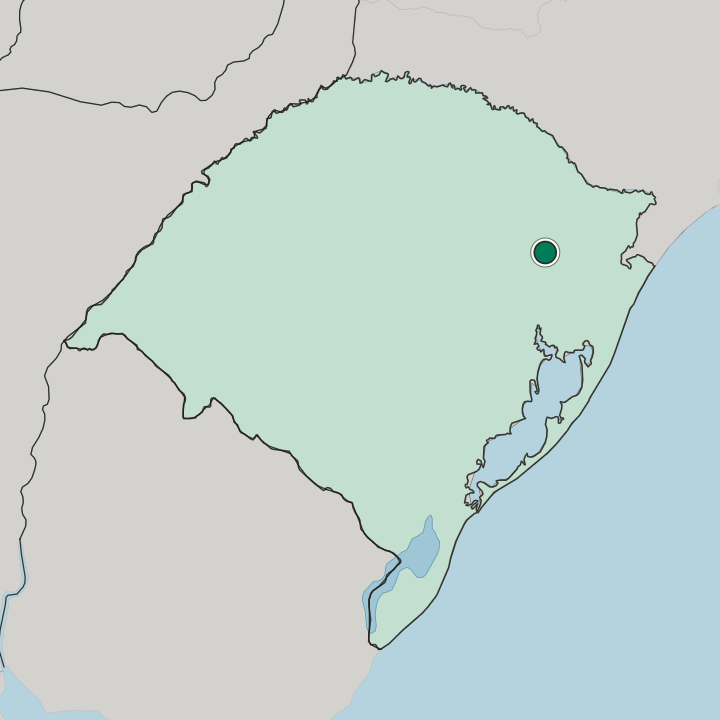
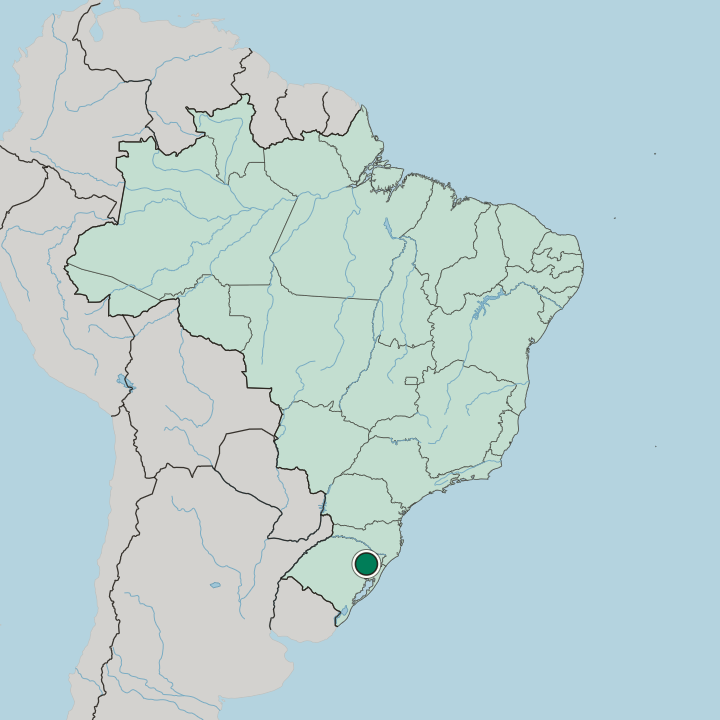
The city stands at 817 meters, on the high ground of the Serra Gaúcha in the northeast of Rio Grande do Sul. That elevation is the fact the rest follows from: the vineyards on the slopes, the cooler air that sets the serra apart from the lowlands of southern Brazil, and the climb any road must make to reach it. Caxias do Sul reaches past its streets.
Its territory runs to well over a thousand square kilometres of ridge, valley, and farmland, and rural districts such as Santa Lúcia do Piaí lie inside the same boundary.
What is the climate of Caxias do Sul?
Height does the tempering here. Caxias do Sul stands at 817 meters in the subtropical band of southern Brazil, and that elevation is what separates the air of the Serra Gaúcha from the warmer lowlands around it, giving these slopes conditions the vine has taken to. Seasons are marked rather than extreme.
Nothing here reads as tropical, despite the band the city sits in, and the vineyard year of pruning, growing, and harvest swings between a cool season and a warm one.
How do you get to Caxias do Sul?
Every approach is a climb. Roads into the Serra Gaúcha have to gain the plateau first, and Caxias do Sul sits on top of it at 817 meters, the largest place in the region and the point those roads converge on. Porto Alegre is the other reference point, the state capital and the only city in Rio Grande do Sul larger than this one.
Buses are built here as well as boarded. Beyond the built-up area the municipality keeps rural districts such as Santa Lúcia do Piaí, inside the same boundary.
Common questions
What is the best area to stay in Caxias do Sul?
Centro: museum days built around the Monumento Nacional ao Imigrante. São Pelegrino: travellers following the Italian-Brazilian parishes. Santa Lúcia do Piaí: vineyard days on the Serra Gaúcha slopes.
Good for
More cities in Rio Grande do Sul
Updated October 2026