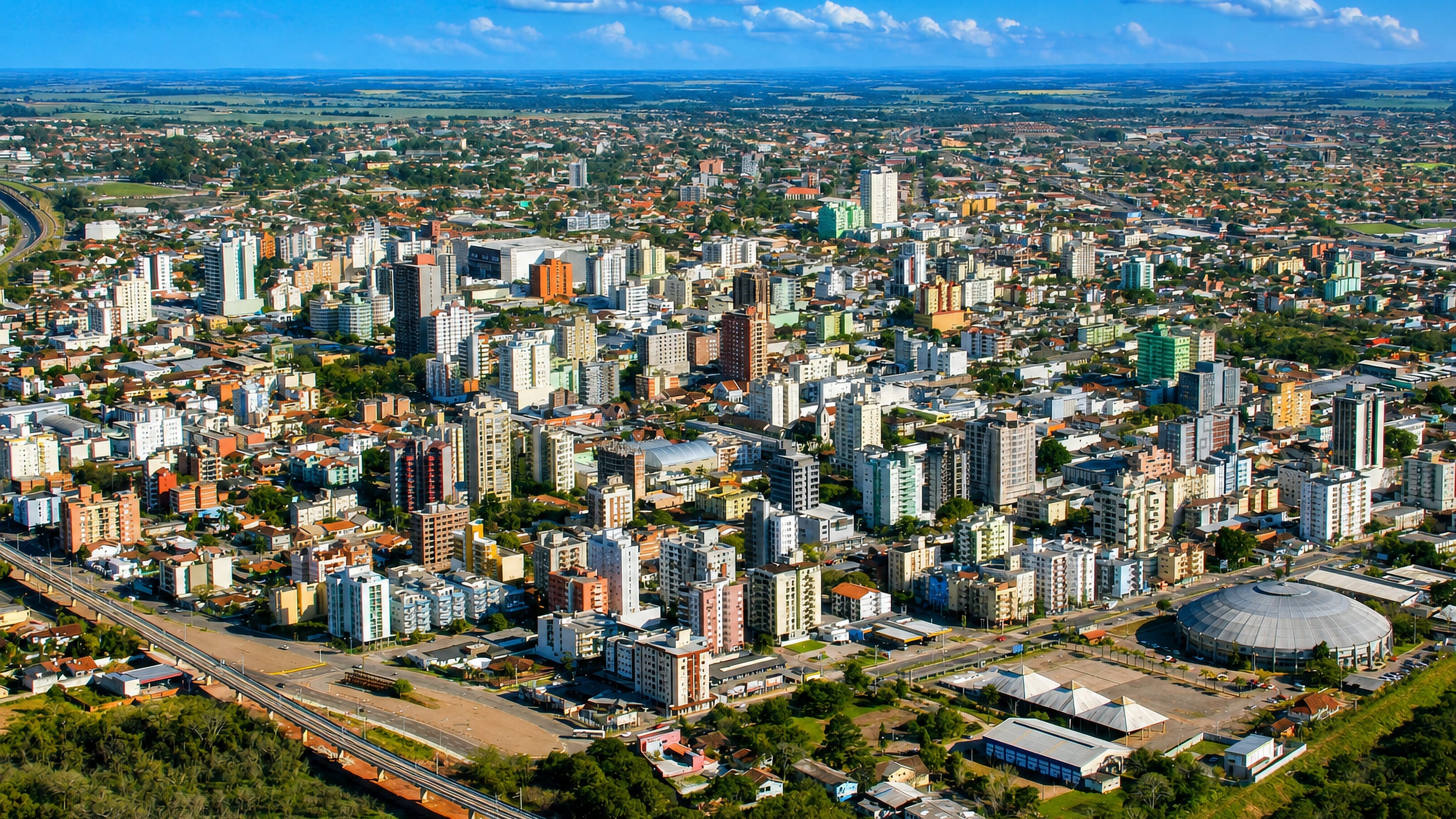
Brazil · Rio Grande do Sul
Where to Stay in São Leopoldo, Rio Grande do Sul
São Leopoldo is an industrial city of the Grande Porto Alegre region, dating from 1824 and keeping the German inheritance of its immigrant community.
Hotel links are affiliate links: booking through them may earn us a commission, at no extra cost to you. It never affects how places are ranked. How this works


Where to stay in São Leopoldo
The practical side of choosing where to sleep.
Casa da Feitoria Velha marks the part of town most visitors aim for. A room near the old trading house puts the Museu do Imigrante and the Museu Histórico Visconde de São Leopoldo within a short walk, which suits anyone here for the German settlement story. Central São Leopoldo is small.
São Leopoldo covers barely a hundred square kilometres, so the museums, the statue of Katharina von Bora and the older streets sit closer together than the map suggests. Industry takes the rest of the city. The working districts hold plants rather than hotels, and a bed among them buys quiet evenings and a longer walk back to the Museu do Trem and its Sítio Histórico. Porto Alegre is the other answer.
Grande Porto Alegre puts the state capital within easy reach, so visitors who want a larger choice of rooms stay there and come out to São Leopoldo for the immigrant museums and the river collection. That trade costs a commute. Anyone planning several days between the Instituto Anchietano de Pesquisas, the Museu Escolar Arnildo Hoppen and the Museu do Rio will find the local centre the simpler base.
Find hotels in São Leopoldo
Direct booking searches for these neighbourhoods.
Around Casa da Feitoria Velha
The Museu do Imigrante occupies the old feitoria house a short walk from the Museu Histórico Visconde de São LeopoldoFind hotels in Around Casa da Feitoria VelhaQuiet nights out by the Museu do Trem siteThe working districts
Plants and yards fill this end of São Leopoldo and rooms are thin between them. Lodging is scarce in this area; reserve in advance.Find hotels in The working districtsStays needing the state capital's larger choice of roomsThe wider Grande Porto Alegre
The metropolitan region keeps São Leopoldo and its immigrant museums within a short run of the capitalFind hotels in The wider Grande Porto AlegreHotel links are affiliate links: booking through them may earn us a commission, at no extra cost to you. It never affects how places are ranked. How this works
Things to do in São Leopoldo
Ranked by global recognition; descriptions from Wikidata (CC0).
Museums & Galleries
3- Casa da Feitoria Velha - Atual Museu do Imigrante Heritage
- Sítio Histórico Museu do Trem Heritage
- Instituto Anchietano de Pesquisas
Castles & Historic Sites
1- Katharina von Bora statue
worth knowingacross 2 categories in São Leopoldo
About São Leopoldo
Industry and immigration explain São Leopoldo.
What is São Leopoldo known for?
The city belongs to the Grande Porto Alegre region of Rio Grande do Sul, works as a manufacturing town, and traces its beginning to 1824 and the German immigrant community that has kept its traditions in Brazil since. The old trading house survives. Casa da Feitoria Velha now serves as the Museu do Imigrante, and the Museu Histórico Visconde de São Leopoldo carries the municipal record beside it.
What are the main landmarks in São Leopoldo?
Casa da Feitoria Velha is the address to know, the old trading house that runs as the Museu do Imigrante. Rail keeps two of them. The Museu do Trem and the Sítio Histórico Museu do Trem stand for that inheritance, while the Museu Histórico Visconde de São Leopoldo, the Museu Escolar Arnildo Hoppen and the Museu do Rio divide the rest between them.
A statue of Katharina von Bora marks the German side.
What is the history of São Leopoldo?
The date that matters is 1824. German immigrants arrived in that year, and the settlement they made on ground that already held a feitoria grew into the municipality carrying the name São Leopoldo. That house is now a museum.
Casa da Feitoria Velha serves as the Museu do Imigrante, which puts the arrival story in the building that gives the settlement its earliest address, while the Museu Histórico Visconde de São Leopoldo keeps the wider municipal record. German traditions did not fade. The community that came in the eighteen-twenties has kept its customs in Brazil, and a statue of Katharina von Bora stands among the monuments as one sign of that inheritance.
Trains built the next chapter. The Museu do Trem and the Sítio Histórico Museu do Trem preserve the rolling stock and the site that went with it, while the Museu Escolar Arnildo Hoppen holds the schoolroom side of the same century. Industry followed, and stayed.
São Leopoldo is described as an industrial city of the Grande Porto Alegre region, and the Instituto Anchietano de Pesquisas and the Museu do Rio carry the research and the water side of a place better known for its plants.
Where is São Leopoldo?
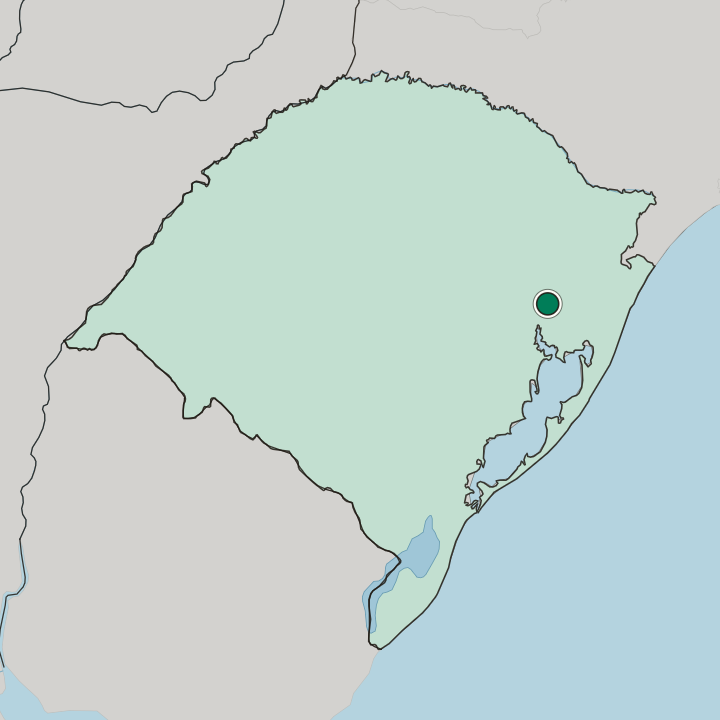
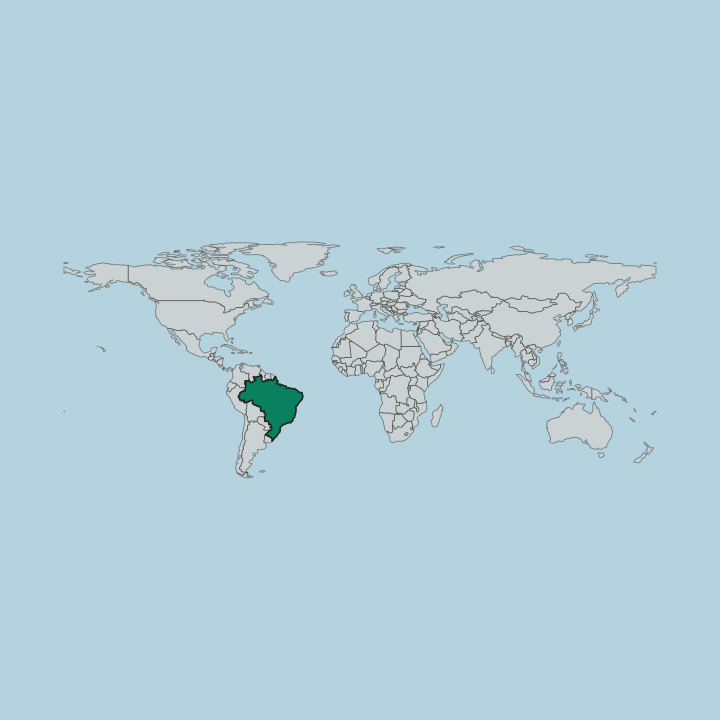
São Leopoldo sits inside Grande Porto Alegre, the metropolitan region around the capital of Rio Grande do Sul, on a compact municipal footprint of about 102 square kilometres. Water is part of the story. A river museum, the Museu do Rio, keeps that side of the record, and the Instituto Anchietano de Pesquisas carries the research side.
Built-up land dominates.
What is the climate of São Leopoldo?
The subtropics govern the calendar. São Leopoldo lies in the southern hemisphere, so its hot months gather around January while July closes the year cold, the same swing the rest of Grande Porto Alegre feels. Nothing separates it from the regional weather.
The city stands close enough to the capital of Rio Grande do Sul that a front crossing one crosses the other, and the industrial districts, the museums and the older streets all share it.
How do you get to São Leopoldo?
Porto Alegre does the connecting. São Leopoldo belongs to Grande Porto Alegre, the metropolitan region built around the state capital, so the roads and services that reach the capital reach the city as a matter of course. Rail has a museum here.
The Museu do Trem and its Sítio Histórico keep what the lines left, and arrival for most visitors runs overland from the capital rather than from any distant terminal.
Common questions
What is the best area to stay in São Leopoldo?
Around Casa da Feitoria Velha: Visitors following the German settlement of 1824. The working districts: Quiet nights out by the Museu do Trem site. The wider Grande Porto Alegre: Stays needing the state capital's larger choice of rooms.
Good for
More cities in Rio Grande do Sul
Updated October 2026