Brazil · Rio Grande do Sul
Where to Stay in Porto Alegre, Rio Grande do Sul
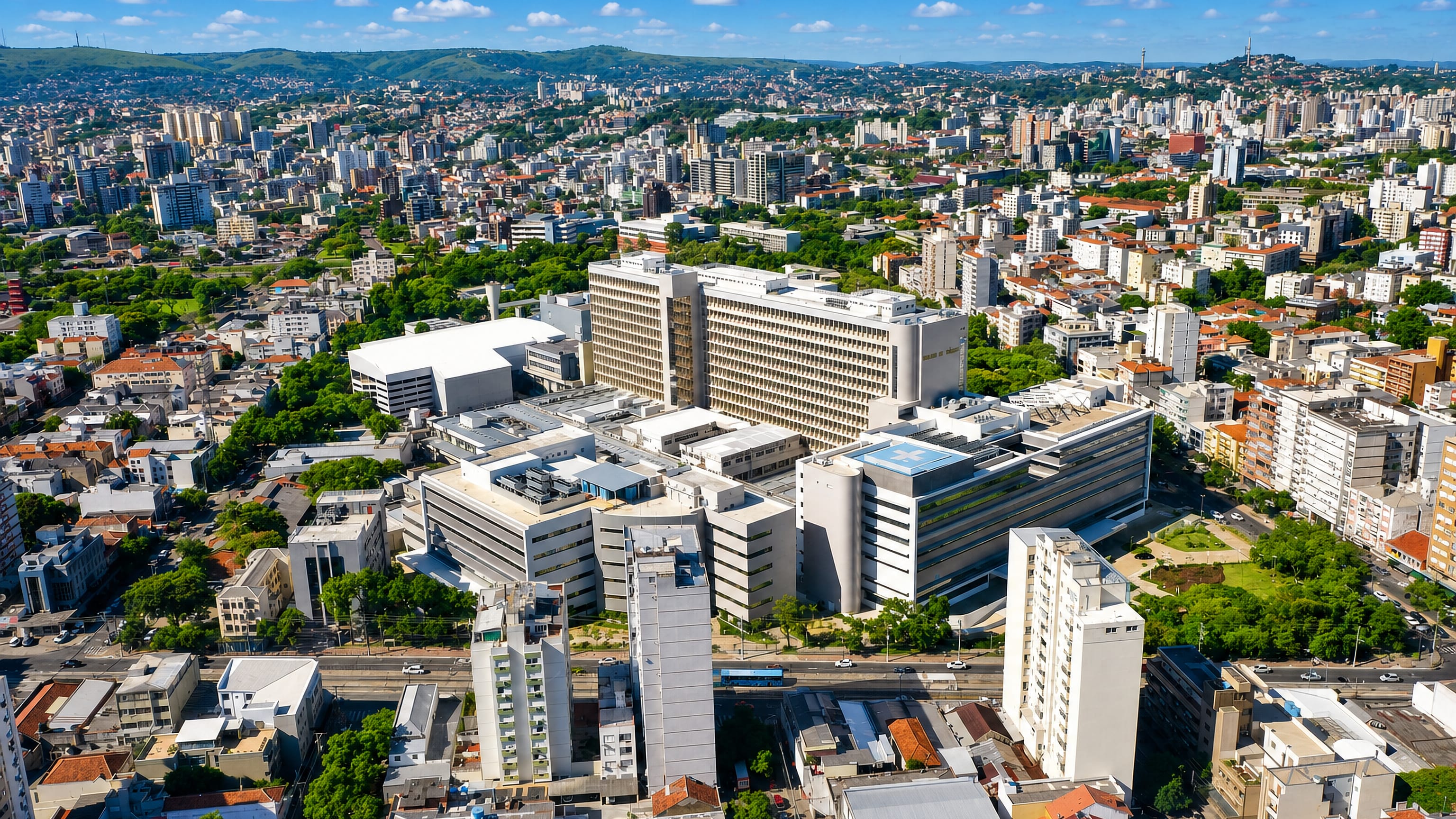
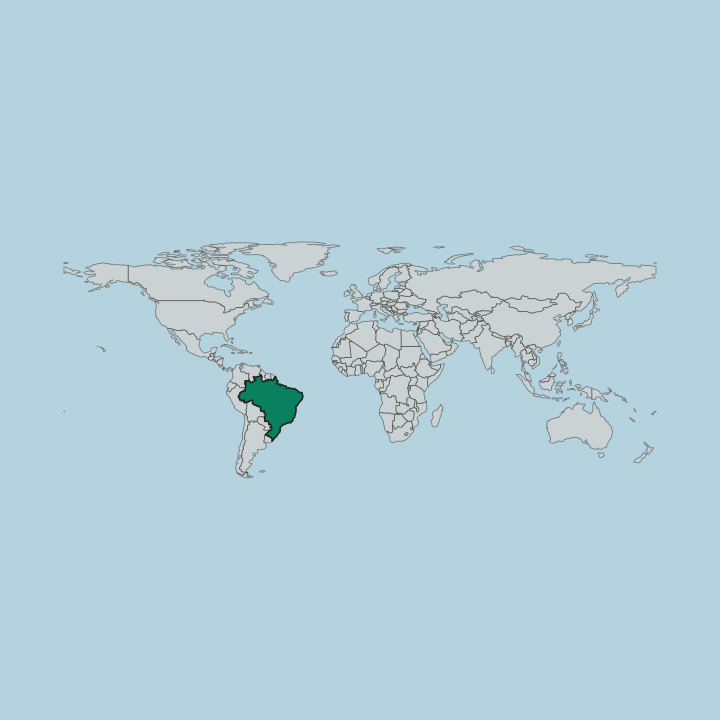
Porto Alegre, the southernmost of Brazil's state capitals, governs Rio Grande do Sul from the bank of the Guaíba. A working city, not a resort.
Hotel links are affiliate links: booking through them may earn us a commission, at no extra cost to you. It never affects how places are ranked. How this works


Where to stay in Porto Alegre
Not every neighbourhood fits every trip — here's what each one is good for.

 Porto AlegreBrazil
Cidade Baixa
Cidade Baixa packs museums and memorials into one Porto Alegre bairro, from the Ponte de Pedra to Farol Santander.Where to stay → Porto AlegreBrazil
Farroupilha
Farroupilha is a bairro in central Porto Alegre, home to Parque Farroupilha, the city's oldest park, and part of the UFRGS central campus.Where to stay →Porto AlegreBrazilBom Fim
Bom Fim gathers churches, old town houses and the Museu Nacional das Migrações Judaicas inside Porto Alegre, Rio Grande do Sul.Where to stay → Porto AlegreBrazil
Praia de Belas
Praia de Belas is a Porto Alegre bairro of park and memorial ground, holding Marinha do Brasil Park inside the capital of Rio Grande do Sul.Where to stay →Porto AlegreBrazilIlha do Pavão
Ilha do Pavão is a district of Porto Alegre in Rio Grande do Sul, Brazil, listed among the city's bairros with little else on record.Where to stay →Porto AlegreBrazilAzenha
Azenha is a bairro of Porto Alegre holding the Planetário Professor José Baptista Pereira and the Museu Açoriano Sul - Rio Grandense.Where to stay →Porto AlegreBrazilMoinhos de Vento
Two churches and a presidential monument mark Moinhos de Vento, a bairro of Porto Alegre in Rio Grande do Sul.Where to stay →Porto AlegreBrazilPartenon
Partenon is a bairro of Porto Alegre, capital of Rio Grande do Sul, drawn by municipal law in 1959 around the Igreja de Santo Antônio.Where to stay →Porto AlegreBrazilBela Vista
Bela Vista is a bairro of Porto Alegre with two listed churches, the Igreja de Santa Cecília and the Igreja de São Sebastião.Where to stay →Porto AlegreBrazilMont'Serrat
Mont'Serrat is a hilltop bairro of Porto Alegre named for the mountain in Catalonia, holding a parish church and a natural-history museum.Where to stay → Porto AlegreBrazil
Auxiliadora
Auxiliadora is a bairro of Porto Alegre named for the Paróquia Nossa Senhora Auxiliadora, with Casa Boni on its residential streets.Where to stay →Porto AlegreBrazilFarrapos
Farrapos is a bairro in the northern zone of Porto Alegre, Brazil, and since 2013 the home of the Arena do Grêmio.Where to stay →All neighbourhoods (29)
Porto AlegreBrazilCoronel Aparício Borges
Coronel Aparício Borges is a residential bairro of Porto Alegre, capital of the Brazilian state of Rio Grande do Sul.Where to stay →Porto AlegreBrazilVila João Pessoa
Vila João Pessoa is a Porto Alegre bairro created by law in 1959, with the Museu de Ciências e Tecnologia standing on its ground.Where to stay →Porto AlegreBrazilJardim Floresta
Estátua de Obirici is the one named marker in Jardim Floresta, a bairro of Porto Alegre in the state of Rio Grande do Sul.Where to stay →Porto AlegreBrazilVila Jardim
Vila Jardim is a Porto Alegre bairro filled out by families who came down from the interior of Rio Grande do Sul.Where to stay →Porto AlegreBrazilCavalhada
A bairro of Porto Alegre in the state of Rio Grande do Sul, Cavalhada was drawn onto the city's neighbourhood map in 1959.Where to stay →Porto AlegreBrazilVila Assunção
Vila Assunção is a Porto Alegre bairro on the bank of Guaíba Lake, formalised by city law in 1959.Where to stay →Porto AlegreBrazilJardim Carvalho
A municipal act of 1990 fixed Jardim Carvalho as one of the named bairros of Porto Alegre, the capital of Rio Grande do Sul.Where to stay →Porto AlegreBrazilCamaquã
Camaquã is one of the residential bairros that make up Porto Alegre, its boundaries fixed by municipal law in 1959.Where to stay →Porto AlegreBrazilJardim Itú-Sabará
Jardim Itú-Sabará is a residential bairro of Porto Alegre, drawn as a distinct neighbourhood by a municipal law passed in 1968.Where to stay →Porto AlegreBrazilTristeza
Tristeza is one of the bairros Porto Alegre defined for itself in 1959, a residential division of the Rio Grande do Sul capital with no listed monument.Where to stay →Porto AlegreBrazilVila Nova
Vila Nova is a bairro of south Porto Alegre, capital of Rio Grande do Sul, farmed by Italian colonists from 1893, a named quarter by city law in 1959.Where to stay →Porto AlegreBrazilVila Conceição
Vila Conceição is a named bairro of Porto Alegre, in Rio Grande do Sul, and the record kept under that name runs thin.Where to stay →Porto AlegreBrazilAgronomia
Agronomia is a bairro of Porto Alegre holding the Institute of Geosciences of the Universidade Federal do Rio Grande do Sul.Where to stay →Porto AlegreBrazilMário Quintana
Mário Quintana is a Porto Alegre bairro created in 1998 and named for the poet Mário Quintana, inside the state capital of Rio Grande do Sul.Where to stay →Porto AlegreBrazilRubem Berta
Rubem Berta is a bairro at the north edge of Porto Alegre, Brazil, named for the first employee of Varig and the most populous neighbourhood in the city.Where to stay →Porto AlegreBrazilHípica
Hípica takes in a stretch of Porto Alegre that the city set apart as its own bairro in 1991, within the state of Rio Grande do Sul.Where to stay →Porto AlegreBrazilRestinga
Restinga is a bairro of Porto Alegre, capital of Rio Grande do Sul, brought onto the city map by a municipal law in 1990.Where to stay →Hotel links are affiliate links: booking through them may earn us a commission, at no extra cost to you. It never affects how places are ranked. How this works
Find hotels in Porto Alegre
Direct booking searches for these neighbourhoods.
Centro
The Antigo Palácio do Governo, the Ponte de Pedra and the Memorial do Rio Grande do Sul belong to the same central quarter of Porto Alegre.Find hotels in Centroopen ground by the water and an easier paceMarinha do Brasil Park
Marinha do Brasil Park opens onto the Guaíba, the side of the city people go to when the grid gets heavy.Find hotels in Marinha do Brasil Parka stay on the stepped streets above the centreRua João Manoel
The Escadaria da Rua João Manoel is a staircase rather than a boulevard, and the Capela Nosso Senhor Jesus do Bom Fim is on the same older ground.Find hotels in Rua João ManoelHotel links are affiliate links: booking through them may earn us a commission, at no extra cost to you. It never affects how places are ranked. How this works
Things to do in Porto Alegre
Ranked by global recognition; descriptions from Wikidata (CC0).
Museums & Galleries
7- Farol Santander Heritage
- Júlio de Castilhos Museum Heritage
- Rio Grande do Sul Museum of Art Heritage
- Memorial do Rio Grande do Sul Heritage
- Museu de Porto Alegre Joaquim Felizardo Heritage
Show 2 more →
- Museu de Comunicação Social Hipólito José da Costa Heritage
- Museu da Brigada Militar Heritage
Churches & Religious Sites
4- Our Lady of Sorrows Church Heritage
- Positivist temple in Porto Alegre Heritage
- Igreja de Nossa Senhora da Conceição Heritage
- Capela Nosso Senhor Jesus do Bom Fim Heritage
Castles & Historic Sites
3- Ponte de Pedra Heritage
- Antigo Palácio do Governo (Forte Apache) Heritage
- Estátua de Obirici Heritage
Landmarks & Notable Places
3- Godoy House Heritage
- Casa Boni Heritage
- Residência Saraiva Heritage
worth knowingacross 4 categories in Porto Alegre
About Porto Alegre
Capital first, attraction second.
What is Porto Alegre known for?
Porto Alegre runs Rio Grande do Sul from the bank of the Guaíba, and the city is candid about being somewhere people pass through on the way to the Serras Gaúchas rather than a destination stacked with sights of its own. Its museums are the exception. The Rio Grande do Sul Museum of Art, the Memorial do Rio Grande do Sul, and the Museu de Arte Contemporânea do Rio Grande do Sul hold the state's collections between them.
Farol Santander marks the waterfront.
What are the main landmarks in Porto Alegre?
Farol Santander stands over the waterfront. State collections gather in the centre, among them the Rio Grande do Sul Museum of Art, the Júlio de Castilhos Museum, the Museu de Porto Alegre Joaquim Felizardo and the Pinacoteca Barão de Santo Ângelo. Churches are older ground.
The Igreja de Nossa Senhora da Conceição, Our Lady of Sorrows Church and the Positivist temple set out three lines of belief inside one city, while the Monument to Brazilian Literature and Afluentes do Guaíba take the civic side.
What is the history of Porto Alegre?
Porto Alegre dates from 1772. Settlement took the bank of the Guaíba, and a port is what the name announces, which fits a place put where the water carried the traffic of the southern end of the country. Government followed.
The Antigo Palácio do Governo, still known as Forte Apache, held the administration of Rio Grande do Sul before the present buildings, and the Ponte de Pedra keeps the name of the stone bridge it is. Institutions concentrated here as the state grew. The Instituto Histórico e Geográfico do Rio Grande do Sul, the Júlio de Castilhos Museum and the Museu de Comunicação Social Hipólito José da Costa each hold a strand of the record, running from geography through statecraft to the press.
Military history keeps its own addresses. The Museu da Brigada Militar and the Museu do Comando Militar do Sul preserve the account of the force and the command, while the Monumento ao Expedicionário stands for the soldiers sent out from here. A Positivist temple survives too, an unusual thing for any capital to keep.
Godoy House and the Capela Senhor dos Passos da Santa Casa de Misericórdia belong to the older city that the rest of this grew around, and the Museu da Universidade Federal do Rio Grande do Sul carries the academic layer.
Where is Porto Alegre?
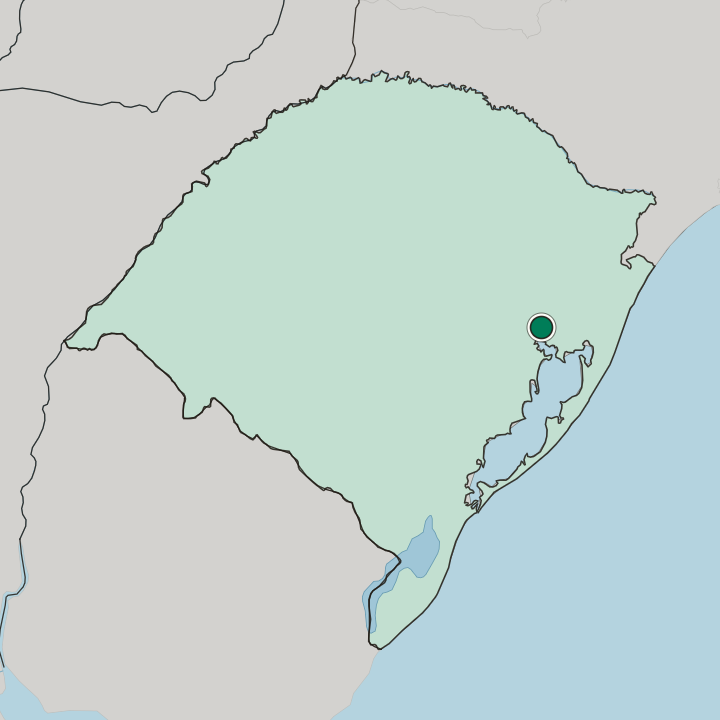
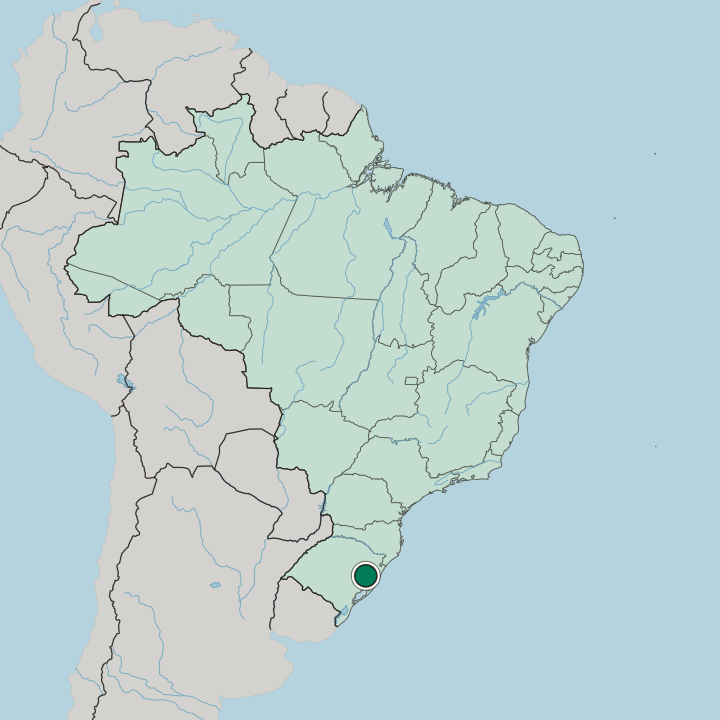
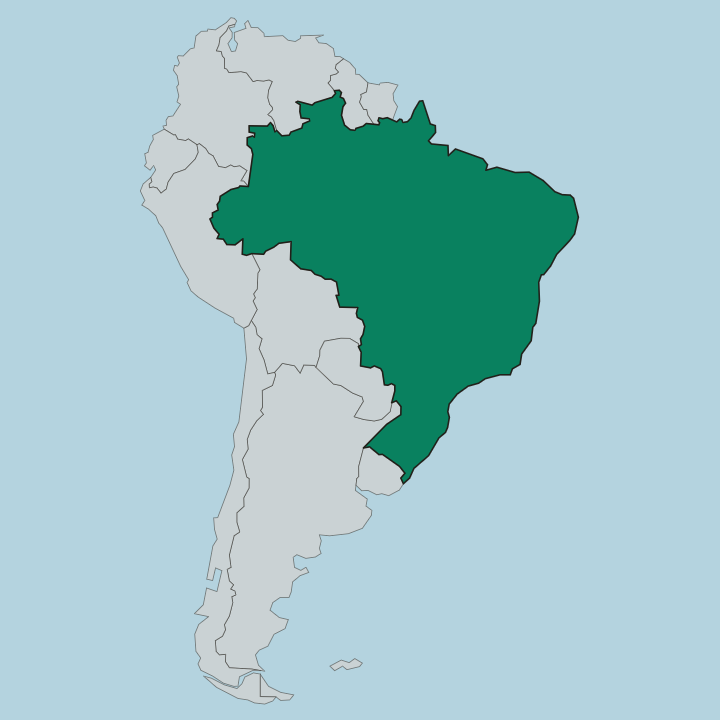
Porto Alegre stands on the Guaíba in Rio Grande do Sul, the southernmost state of Brazil, and no state capital in the country sits further south. The municipality covers a little under five hundred square kilometres, compact for the centre of one of Brazil's largest metropolitan regions. Water is on one side.
The Serras Gaúchas begin inland, which is why so many trips through the capital turn out to be trips to somewhere else.
What is the climate of Porto Alegre?
Seasons here are distinct. Porto Alegre is the southernmost capital in Brazil, far enough down the map that winter is a season in its own right rather than a cooler pause between summers. The Guaíba adds humidity.
Air off that water reaches the low ground along the shore, and the subtropical band the city belongs to delivers real heat in the warm months without the constancy the north of the country lives with.
How do you get to Porto Alegre?
Most trips into Rio Grande do Sul start here. Porto Alegre is the state capital and the usual entry point for the Serras Gaúchas, so arrivals often move straight on rather than staying long enough to look around the city itself. The metropolitan region spreads wide.
Central addresses are the ones worth a stop, with Farol Santander, the Memorial do Rio Grande do Sul and the Ponte de Pedra within a short radius of one another.
Common questions
What is the best area to stay in Porto Alegre?
Centro: the government quarter and the state collections. Marinha do Brasil Park: open ground by the water and an easier pace. Rua João Manoel: a stay on the stepped streets above the centre.
Good for
More cities in Rio Grande do Sul
Updated October 2026