Brazil · Rio Grande do Sul
Where to Stay in Rio Grande, Rio Grande do Sul
Rio Grande is a historic Atlantic port at the mouth of a great lagoon in southern Brazil, the oldest city of Rio Grande do Sul.
Hotel links are affiliate links: booking through them may earn us a commission, at no extra cost to you. It never affects how places are ranked. How this works


Where to stay in Rio Grande
How the choice of base plays out on the ground.
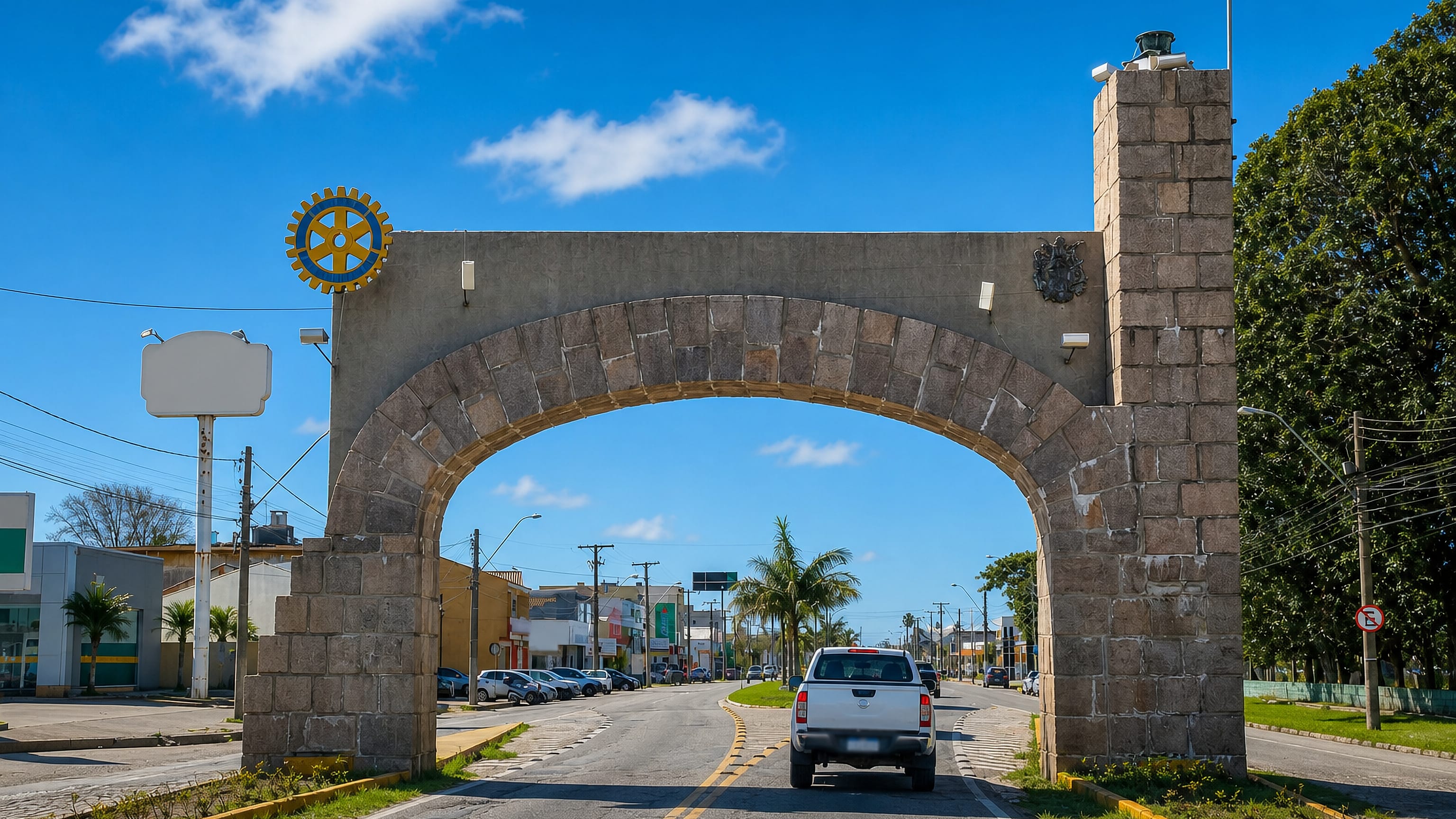
Rio Grande's lodging comes down to the old centre by the port. The streets around the cathedral and the port keep the museums, the market, and the waterfront within a walk, and staying downtown suits anyone here for the city. The old port hums by day.
Beds cluster in the blocks around the cathedral. Out toward Cassino and the ocean beach, the city gives way to dunes and sea. A room by the beach trades the old streets for the surf, the sand, and one of the longest shores on earth.
The open Atlantic rolls past the edge. If you want the port and the museums, stay in the centre; if you want the beach, take a room at Cassino. Whichever you pick, the Atlantic is never far.
Find hotels in Rio Grande
Direct booking searches for these neighbourhoods.
The old centre
Around the cathedral and the old port, within a walk of the museumsFind hotels in The old centreStays wanting the ocean and the sandCassino beach
By the long ocean beach at Cassino, among the dunes and surfFind hotels in Cassino beachHotel links are affiliate links: booking through them may earn us a commission, at no extra cost to you. It never affects how places are ranked. How this works
About Rio Grande
Rio Grande is the old sea gate of southern Brazil.
What is Rio Grande known for?
The oldest town of the gaúcho south stands where the vast Lagoa dos Patos meets the ocean, its harbour guarded by long stone jetties, and it keeps a busy port, an old cathedral, and museums of the sea and of the Antarctic voyages that sail from here. One of the world's longest beaches runs south. Port and lagoon mark the city.
What are the main landmarks in Rio Grande?
The great jetties reach far out from Rio Grande. The long stone Molhes da Barra run miles into the sea to guard the harbour mouth, the emblem of the port, at the lagoon's entrance. Museums line the old town.
The Antarctic and naval museums tell of the sea, while the cathedral of São Pedro and the Ilha da Pólvora mark the old streets and the lagoon.
What is the history of Rio Grande?
Rio Grande was founded as a fort at the harbour bar. The Portuguese built it in 1737 to hold the far south against the Spanish, at the one sea entrance to the great lagoon, and it became the first town and the first port of Rio Grande do Sul. The bar was hard to cross.
Ships waited for the tide and the weather to pass the shifting sands, and pilots learned the channel, until great stone jetties were built out into the sea to tame it. The port made the city grow. Hides, wool, and beef from the gaúcho ranches went out through Rio Grande to the world, and factories and railways rose along the water.
The city looked to the far south as well. From its docks the ships set out for the Antarctic, and the town keeps museums of the sea and of the ice. The jetties still hold back the sand.
Rio Grande keeps its port and its lagoon on the southern shore.
Where is Rio Grande?
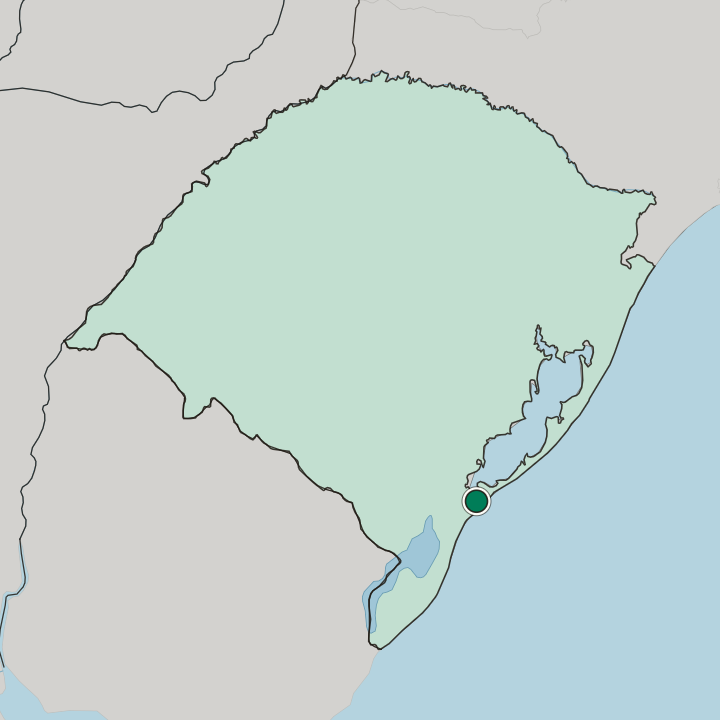
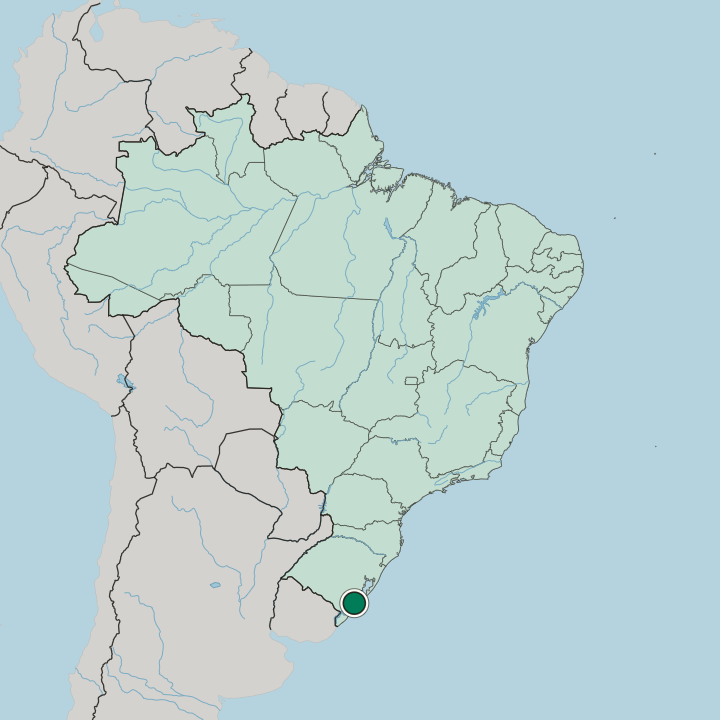
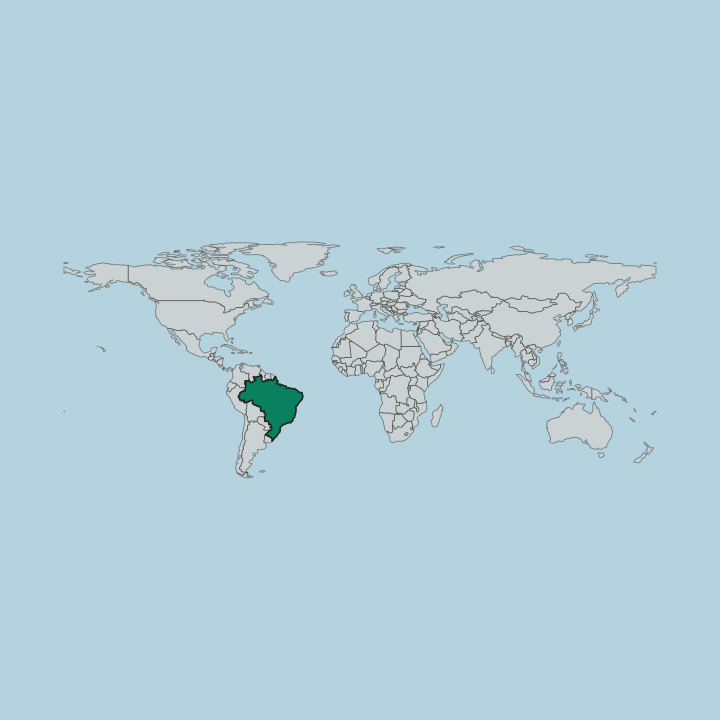
Rio Grande lies at the mouth of the Lagoa dos Patos on the Atlantic coast of southern Brazil. The city sits on a low sandy spit between the great lagoon and the ocean, at the entrance the sailors call the Barra, in the flat coastal plain of Rio Grande do Sul. Sand dunes line the shore.
The wide lagoon spreads to the north.
What is the climate of Rio Grande?
Rio Grande has a mild, humid coastal climate. Warm summers and cool winters cross the southern plain, and wind and rain sweep in off the ocean all year, with grey skies and damp air common by the sea. Storms blow in from the Atlantic often.
The sea keeps the air cool and wet.
How do you get to Rio Grande?
Rio Grande lies at the south end of the Lagoa dos Patos in Rio Grande do Sul. Roads run north up the coast to Pelotas and Porto Alegre, and a ferry crosses the bar to São José do Norte, while the deep port draws ships from the sea. Buses serve the towns around the lagoon and along the shore.
Most arrive by road from Pelotas.
Common questions
What is the best area to stay in Rio Grande?
The old centre: Visitors here for the port, cathedral, and museums. Cassino beach: Stays wanting the ocean and the sand.
Good for
More cities in Rio Grande do Sul
Updated September 2026