Brazil
Rio Grande do Sul, Brazil — Towns & Travel Guide
Rio Grande do Sul is Brazil's southernmost state: gaúcho ranch country, churrasco and chimarrão, and the wine hills of the Serra Gaúcha.
Hotel links are affiliate links: booking through them may earn us a commission, at no extra cost to you. It never affects how places are ranked. How this works


Towns & cities in Rio Grande do Sul
Pick a town or city — each links to where to stay.

 Brazil
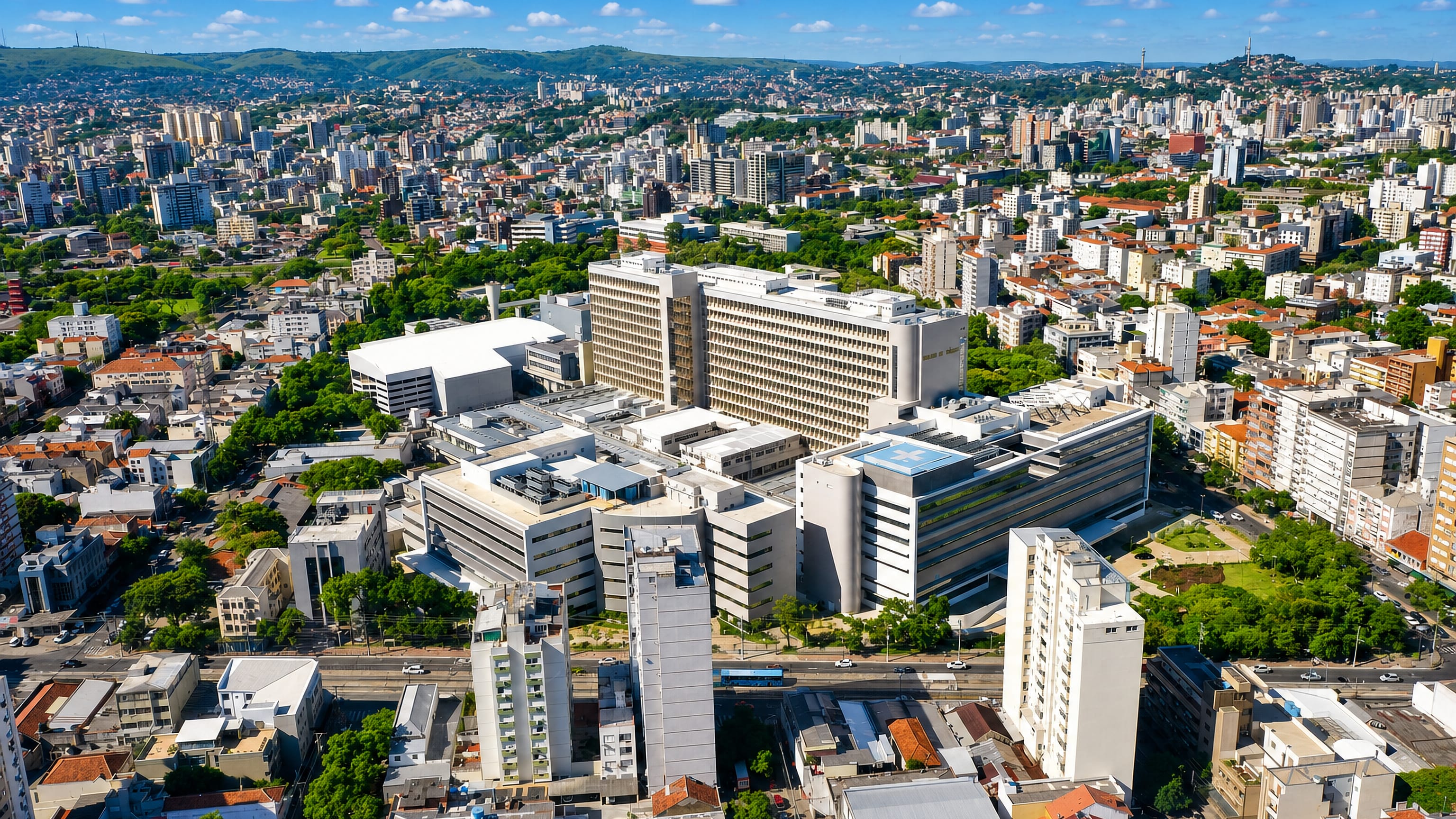
Porto Alegre
Porto Alegre, the southernmost of Brazil's state capitals, governs Rio Grande do Sul from the bank of the Guaíba. A working city, not a resort.Where to stay →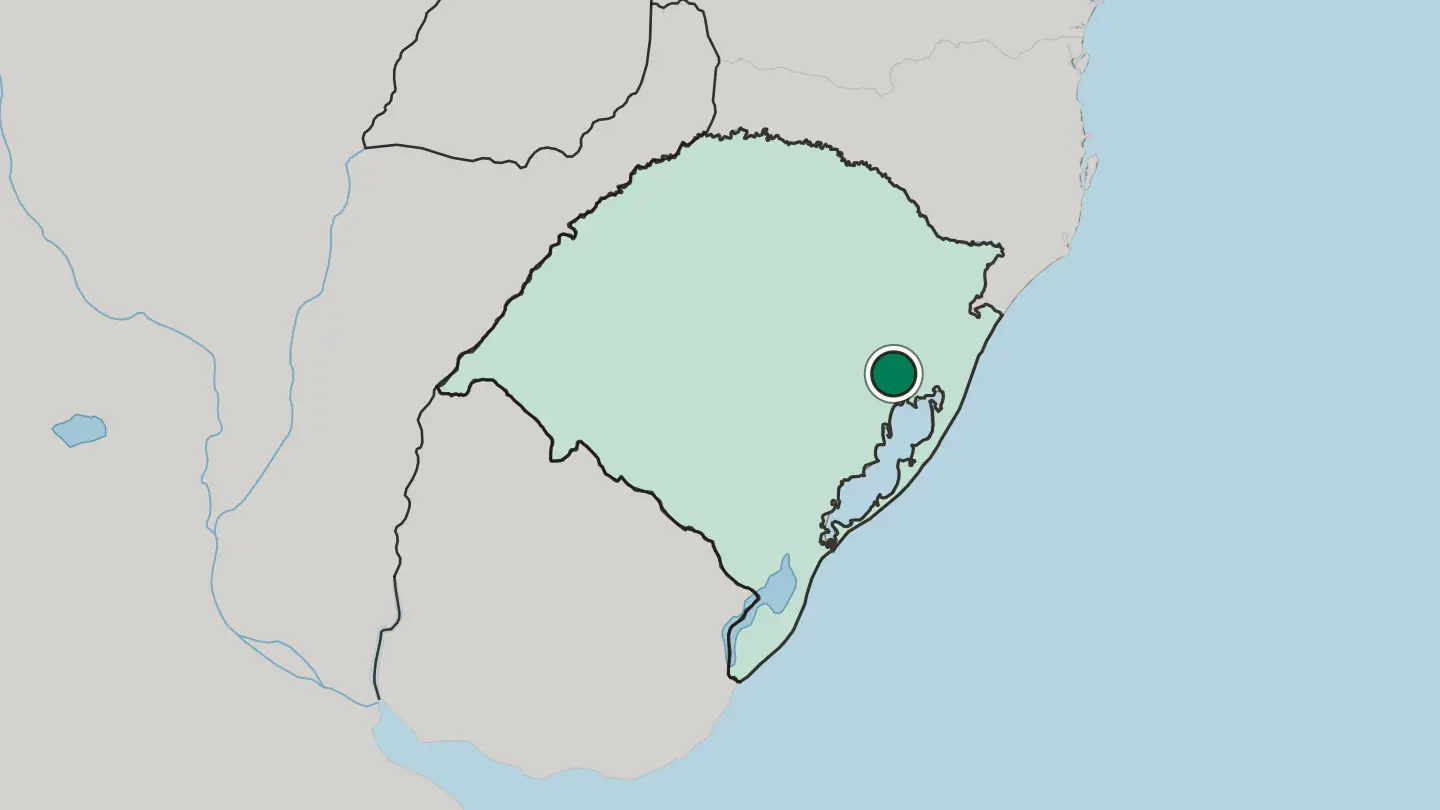
 Brazil
Caxias do Sul
Caxias do Sul stands high in the Serra Gaúcha, an Italian-Brazilian industrial city among the vineyards of Rio Grande do Sul. Metal and grapes.Where to stay →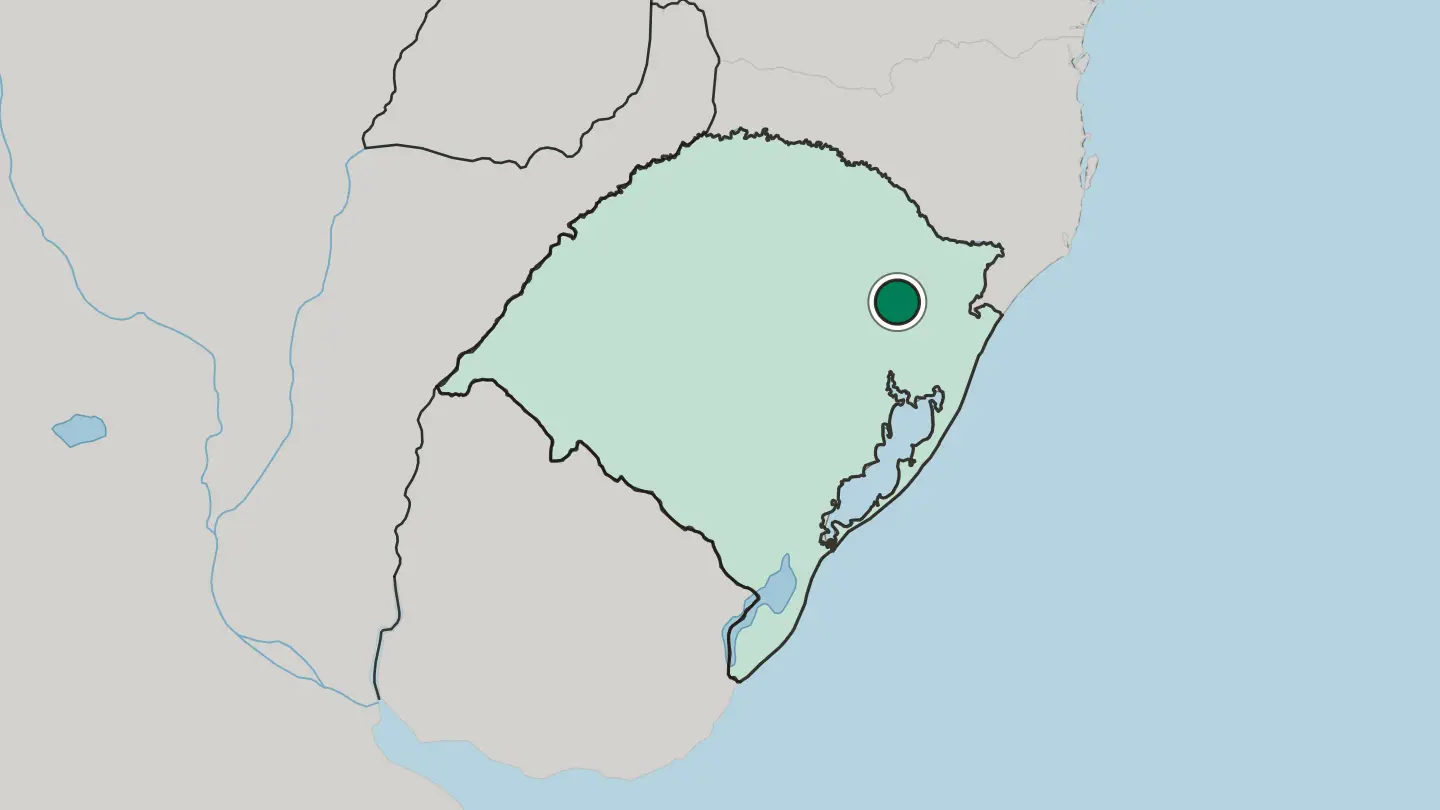
 Brazil
Pelotas
Pelotas, the National Capital of Sweets, stands west of the Lagoa dos Patos in the extreme south of Rio Grande do Sul. A lagoon city near the border.Where to stay →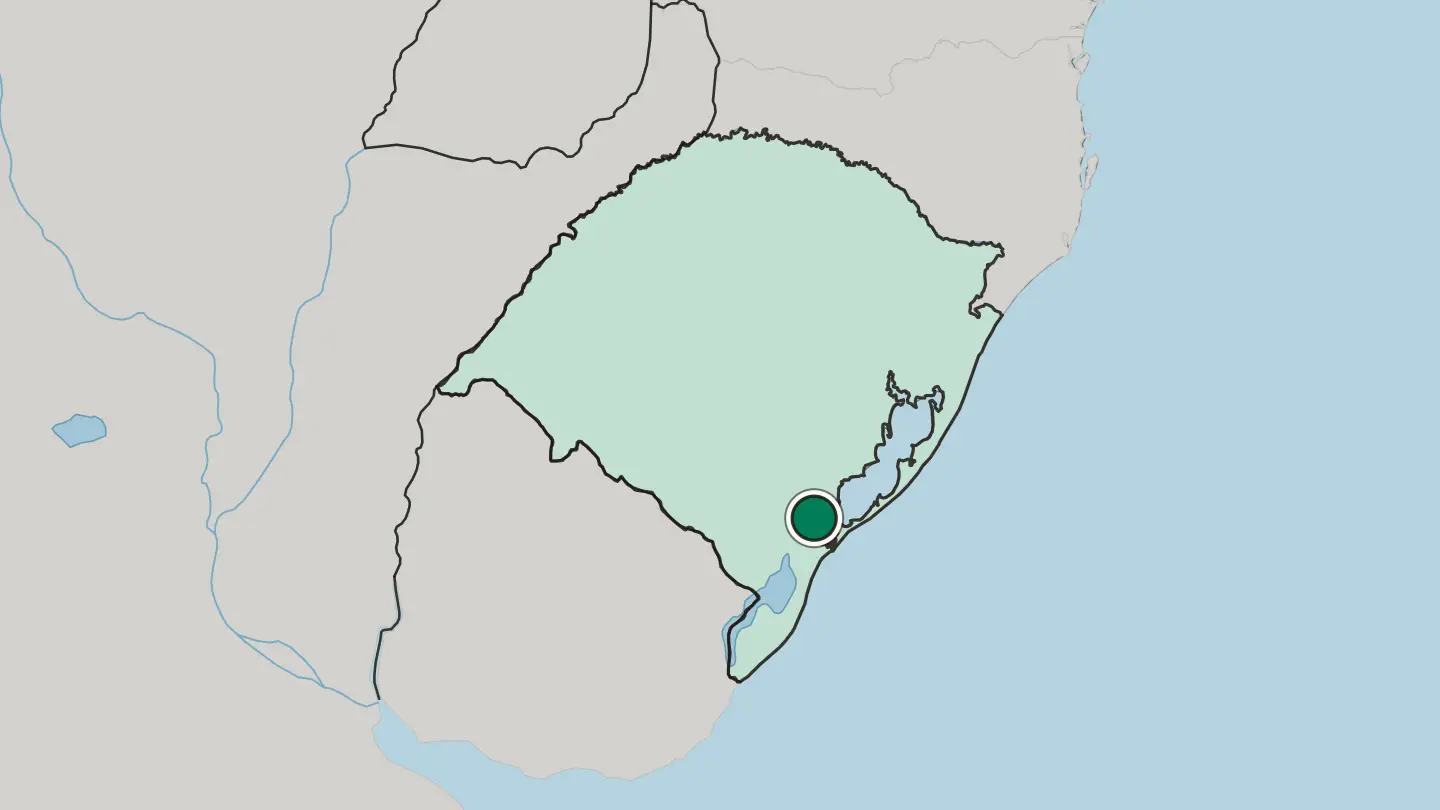
 Brazil
Santa Maria
Santa Maria stands at the geographic heart of Rio Grande do Sul, a city of museums and shrines and the starting point of the Paleorrota fossil route.Where to stay →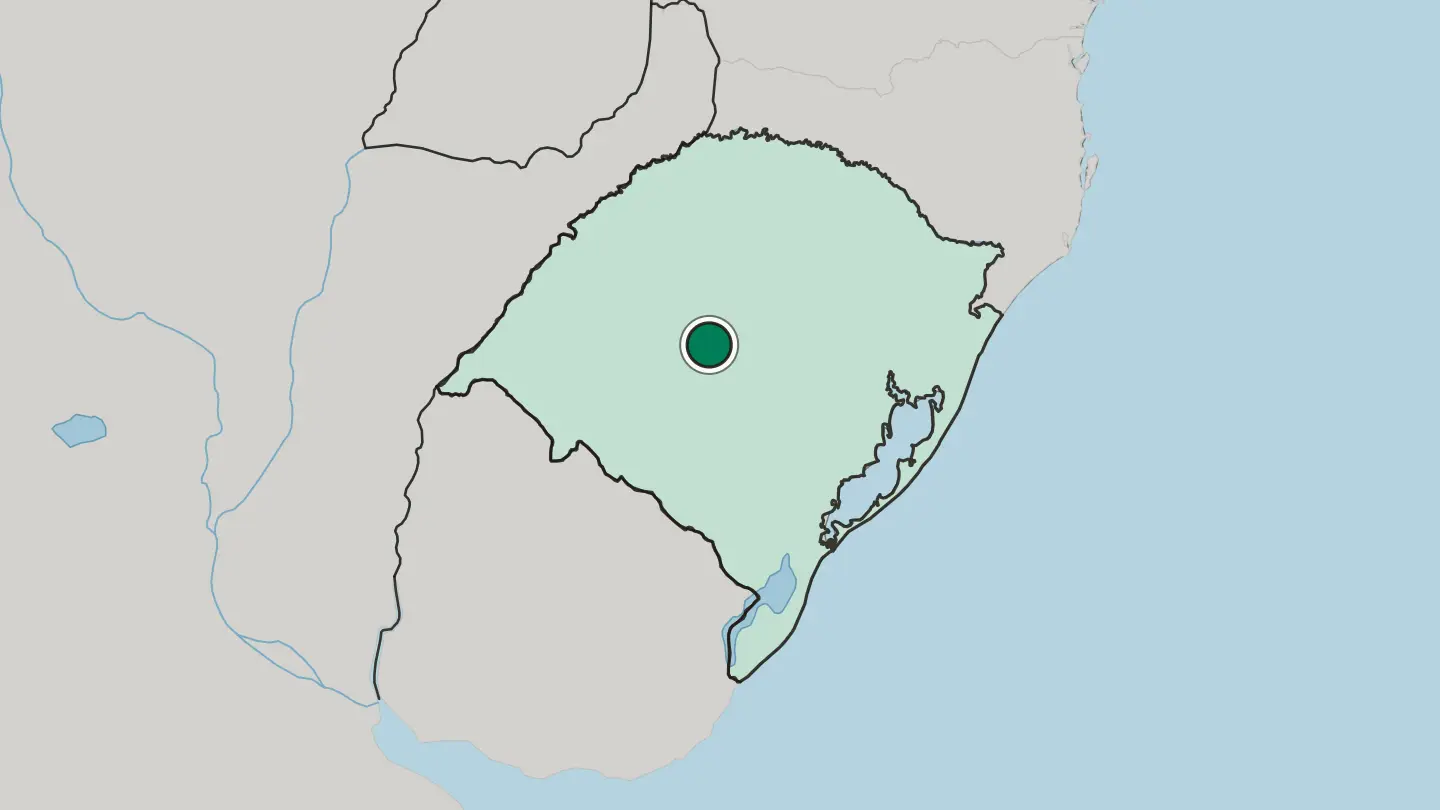
 Brazil
Novo Hamburgo
Novo Hamburgo sits on the Sinos River inside Greater Porto Alegre, an immigrant-founded industrial city of Rio Grande do Sul. Shoemaking runs through it.Where to stay →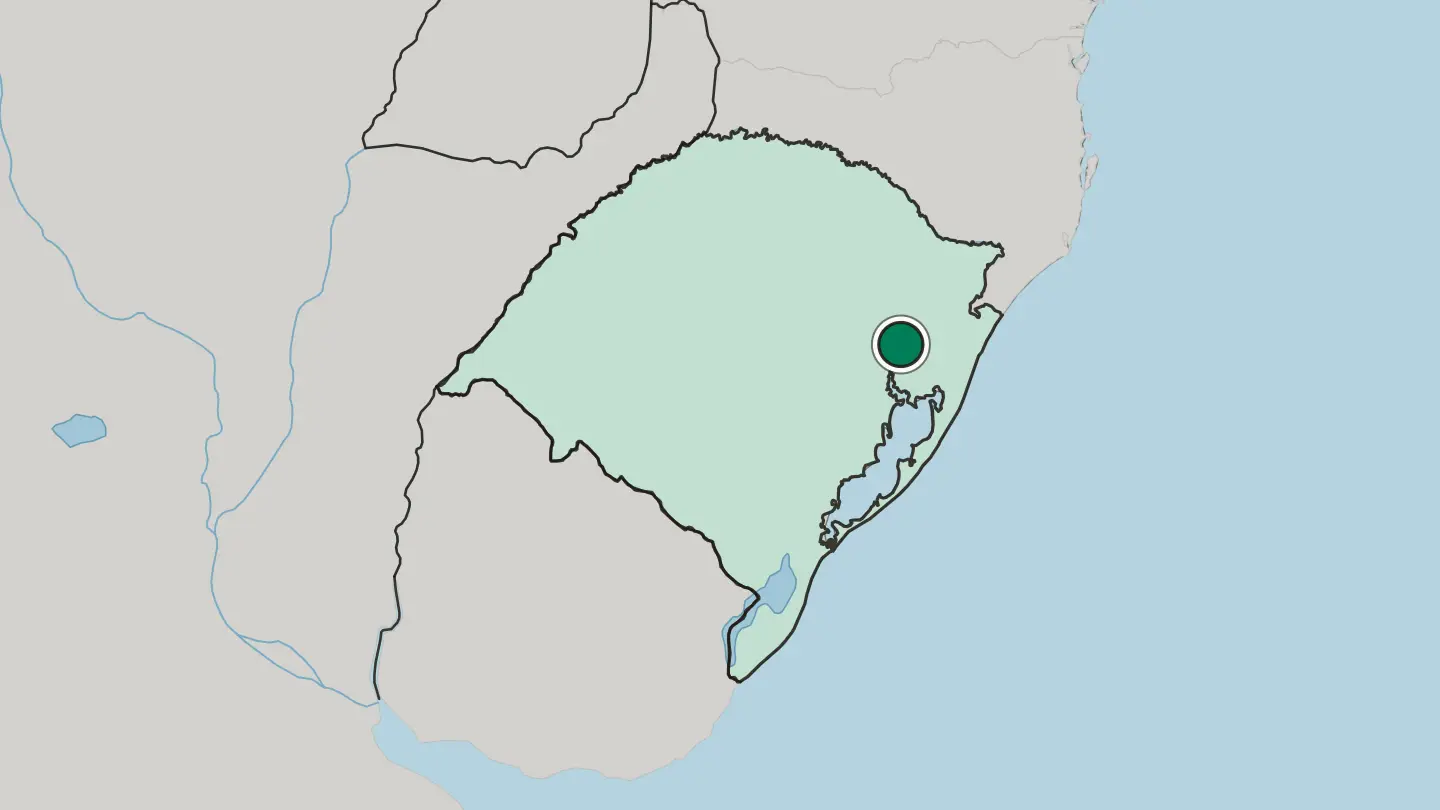
 Brazil
São Leopoldo
São Leopoldo is an industrial city of the Grande Porto Alegre region, dating from 1824 and keeping the German inheritance of its immigrant community.Where to stay →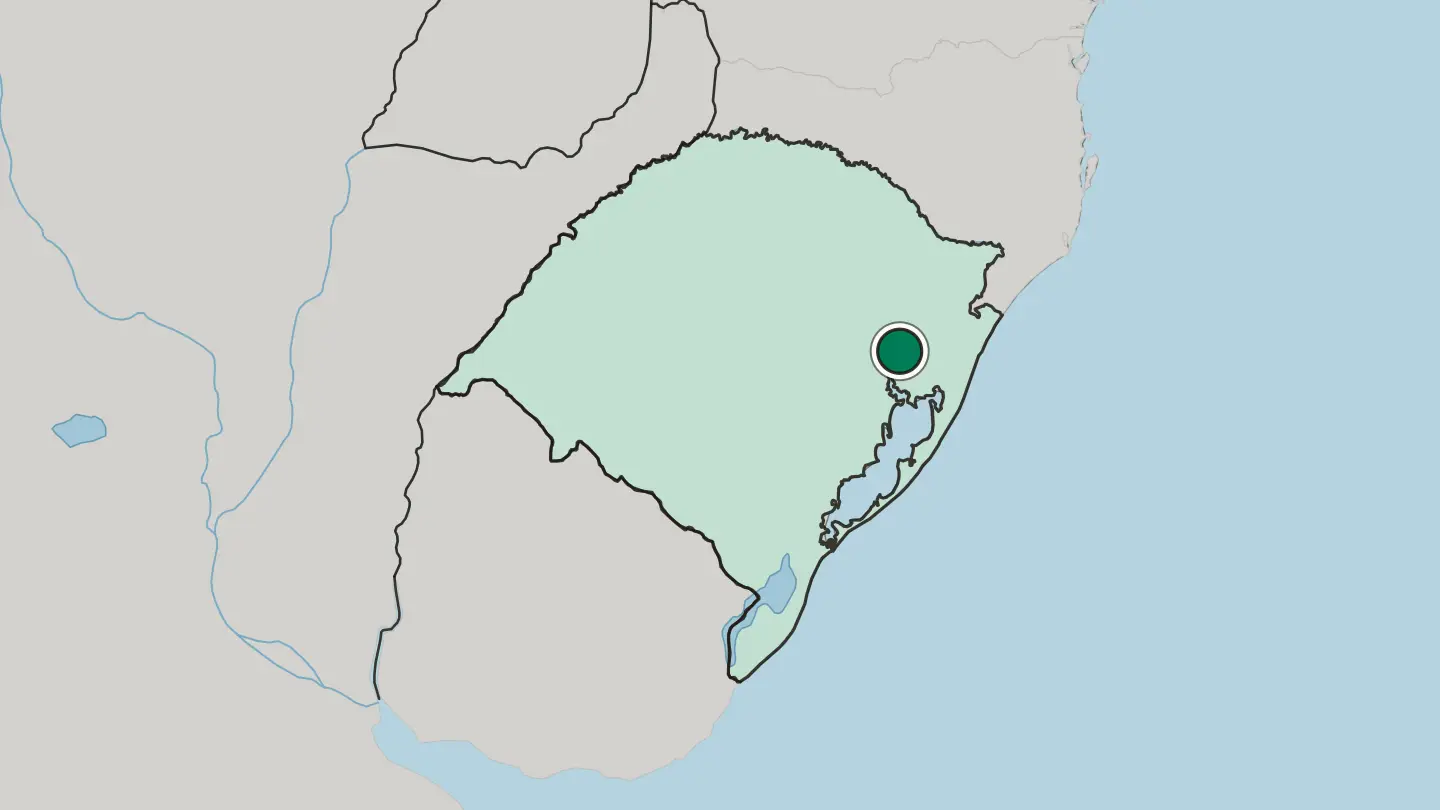
 Brazil
Rio Grande
Rio Grande is a historic Atlantic port at the mouth of a great lagoon in southern Brazil, the oldest city of Rio Grande do Sul.Where to stay →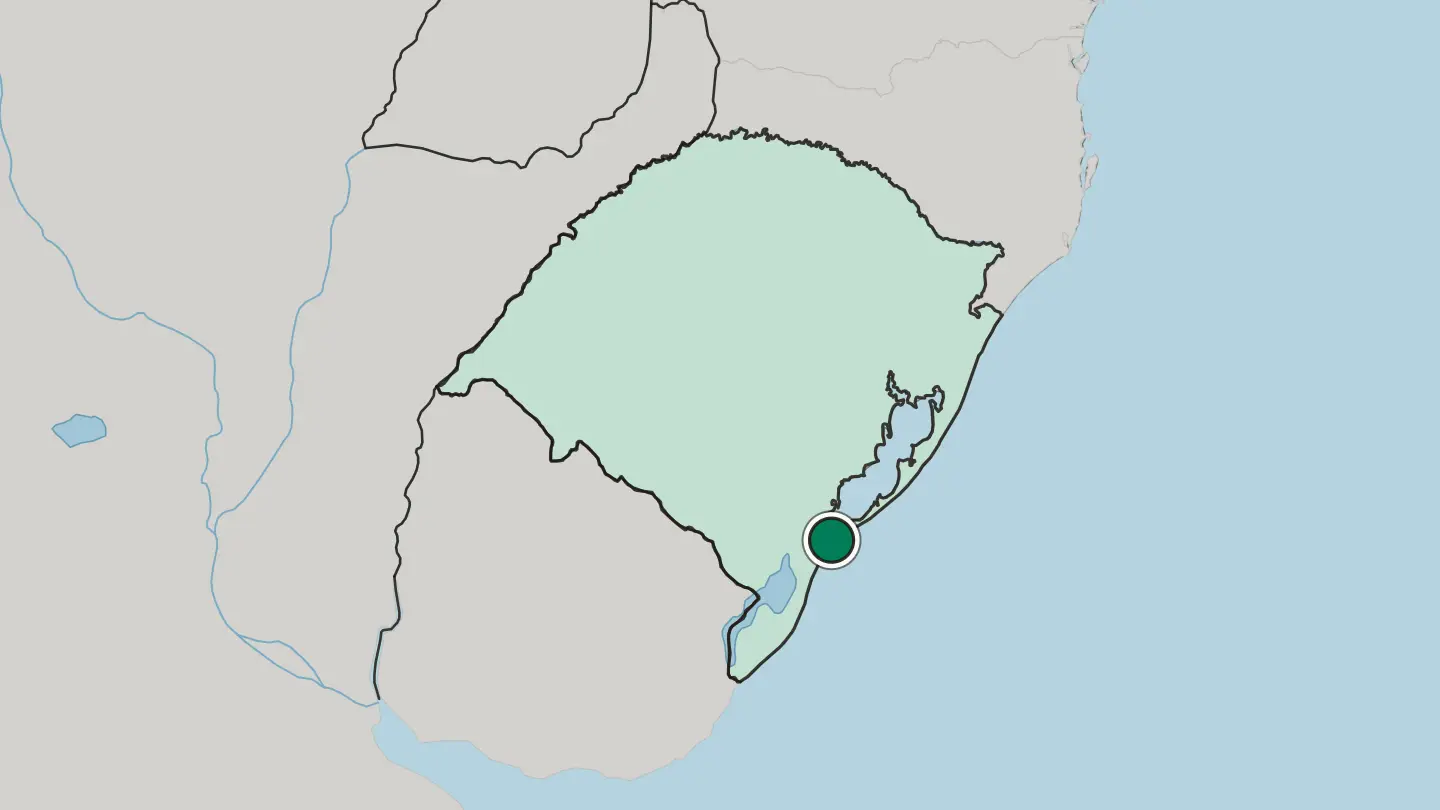
 Brazil
Passo Fundo
Passo Fundo holds the Planalto Médio in the north of Rio Grande do Sul, a gaúcho city carrying a national title in literature. Named for its river.Where to stay →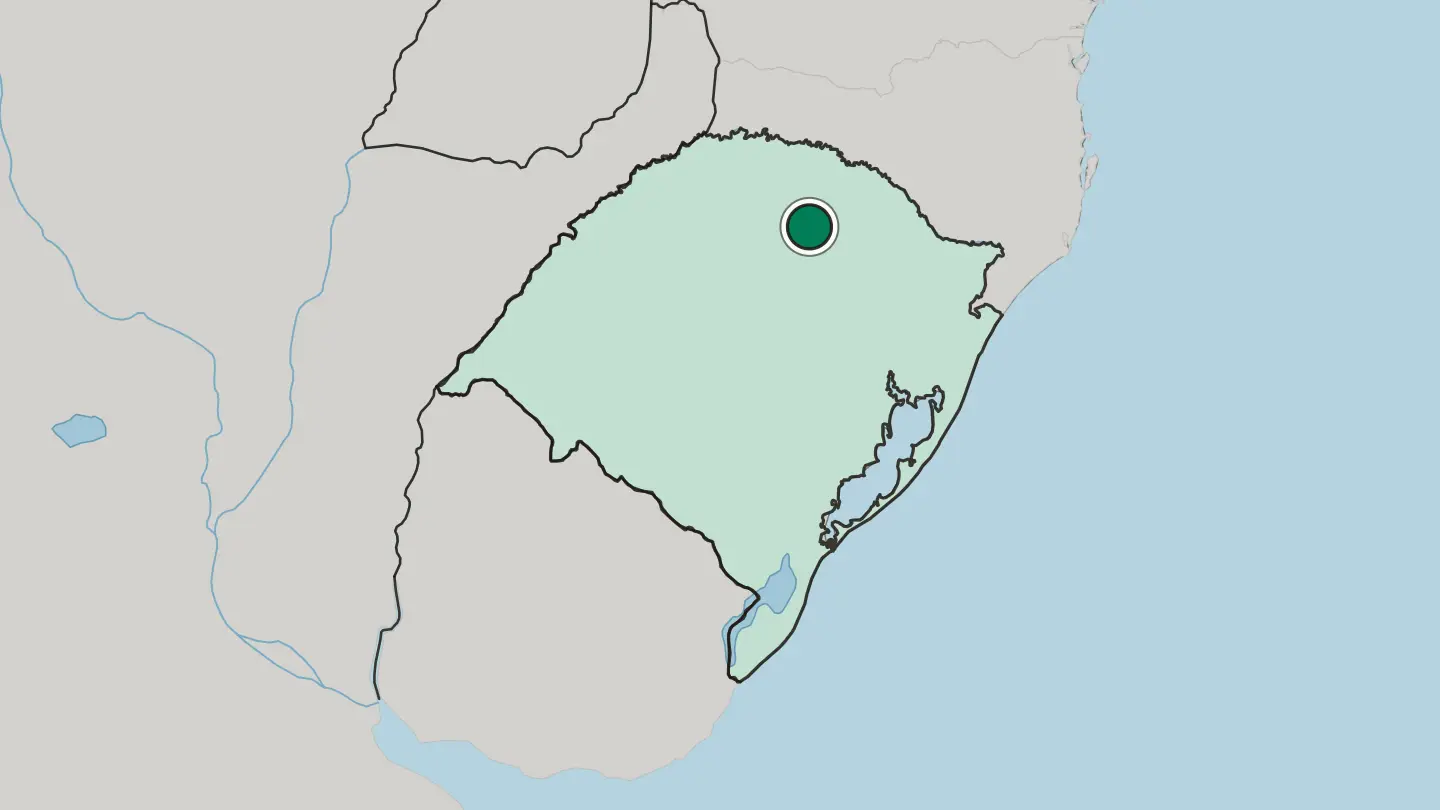
All towns & cities (12)
 Brazil
Santa Cruz do Sul
Santa Cruz do Sul holds the Vale do Rio Pardo inland from Porto Alegre, a Rio Grande do Sul city of listed civic buildings and an old railway station.Where to stay →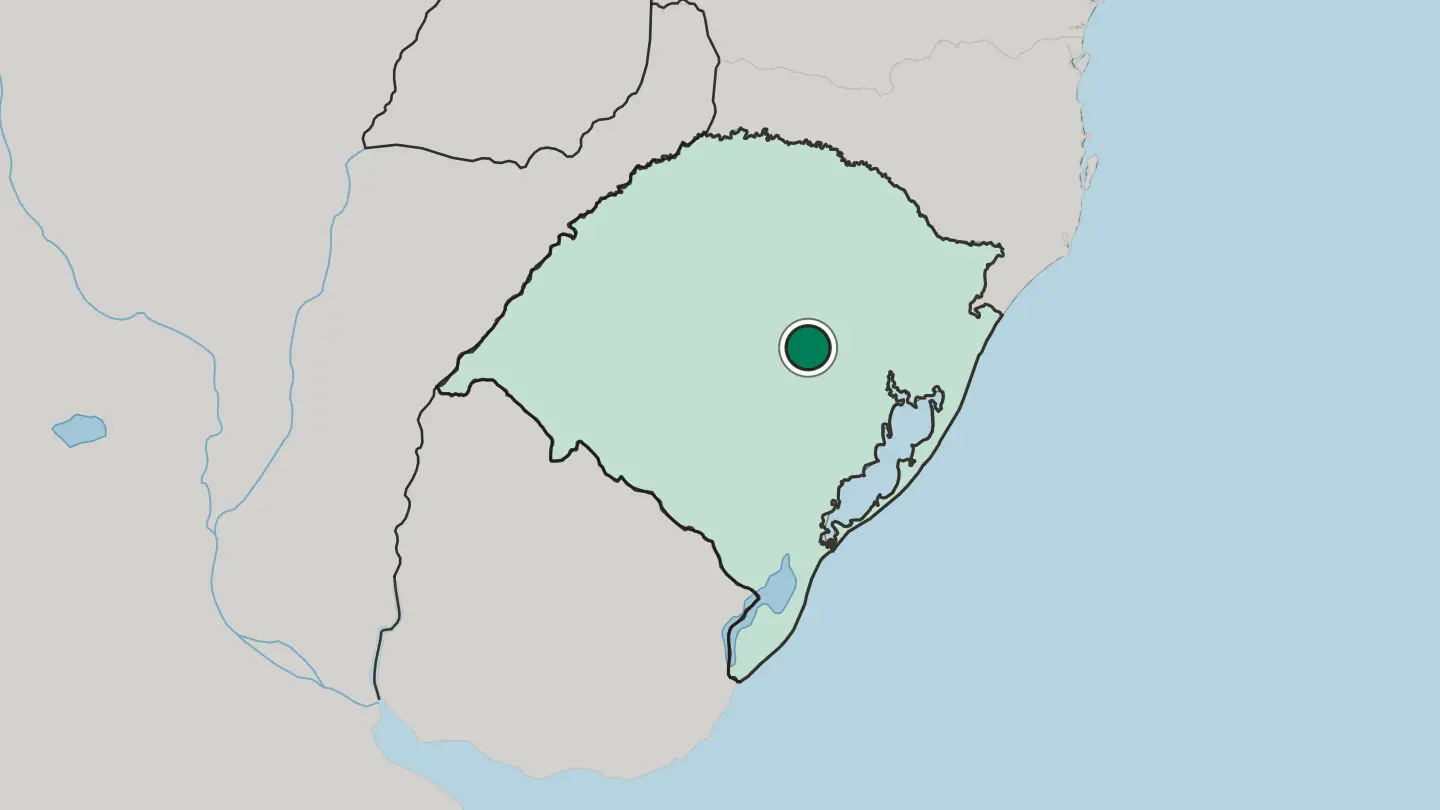
 Brazil
Bento Gonçalves
Bento Gonçalves is known as the wine capital of Brazil, an Italian-settled town in the Northeast of Rio Grande do Sul. Vineyards surround it.Where to stay →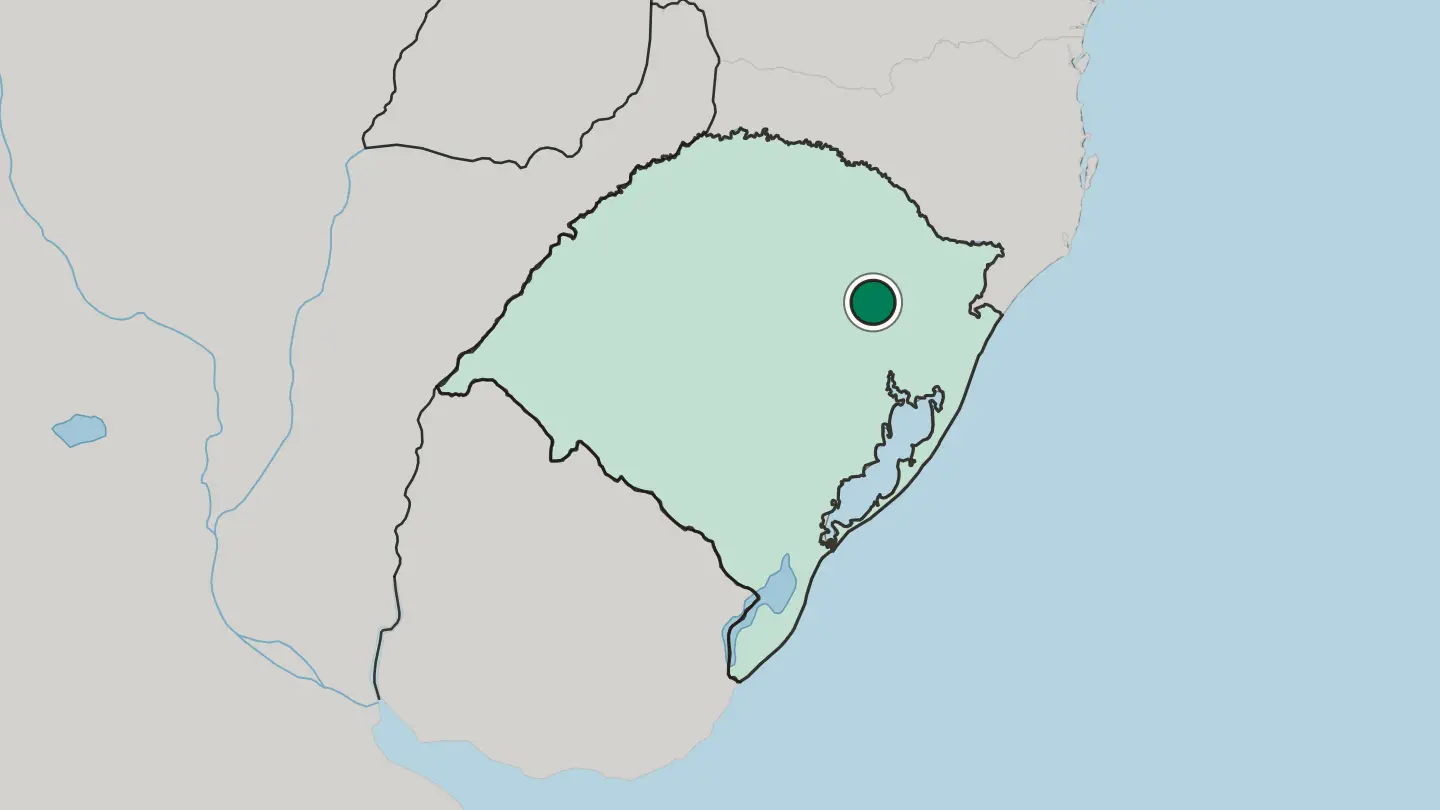 Brazil
Erechim
Erechim, central town of the Alto Uruguai, was one of Brazil's first planned cities in the northwest of Rio Grande do Sul. Designed, not grown.Where to stay →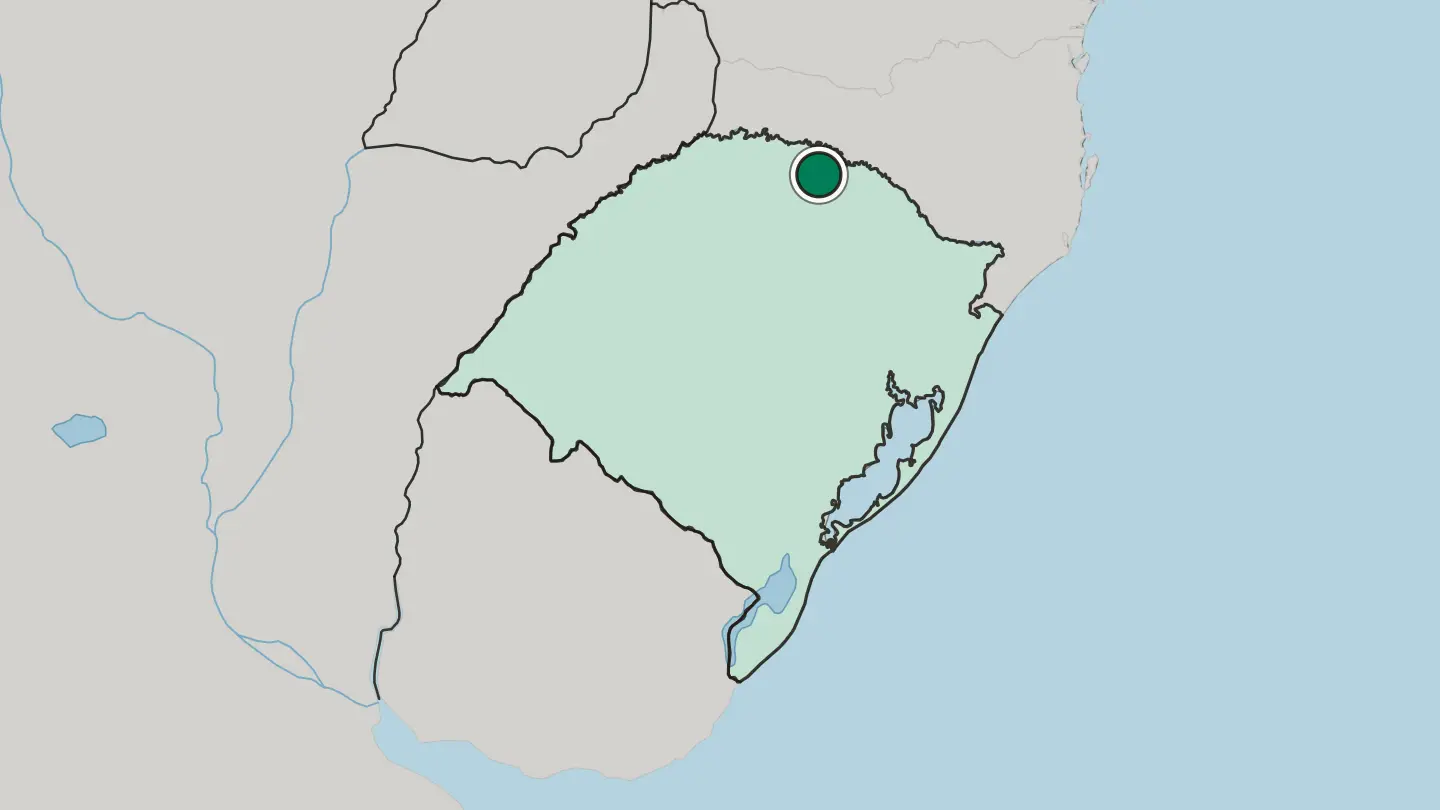 Brazil
Sant'Ana do Livramento
Sant'Ana do Livramento meets Rivera street for street on the Uruguayan frontier, a city of Rio Grande do Sul whose grid runs on into Uruguay.Where to stay →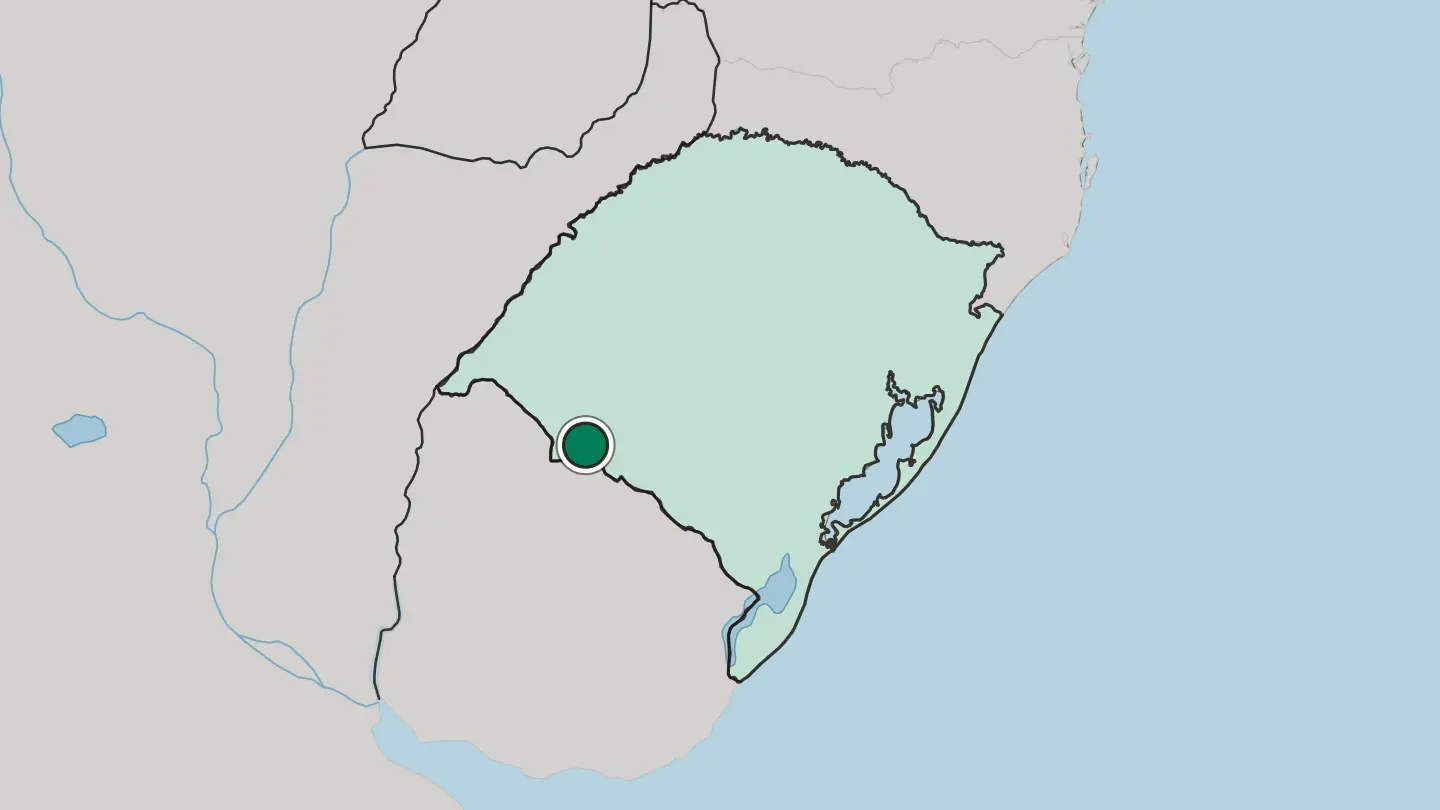
Hotel links are affiliate links: booking through them may earn us a commission, at no extra cost to you. It never affects how places are ranked. How this works
About Rio Grande do Sul
What is Rio Grande do Sul known for?
The gaúcho is the state's emblem, the horseman of the southern plains with a gourd of chimarrão in hand. Churrasco was born on these ranches. In the cooler Serra Gaúcha, Italian and German settlers built wine towns such as Bento Gonçalves and the alpine-styled resort of Gramado.
Porto Alegre anchors the state beside Lake Guaíba. Inland stand the Guarani-Jesuit ruins of São Miguel das Missões, while in the northeast the Itaimbezinho canyon cuts a deep gorge through the Serra Geral.
Where is Rio Grande do Sul?
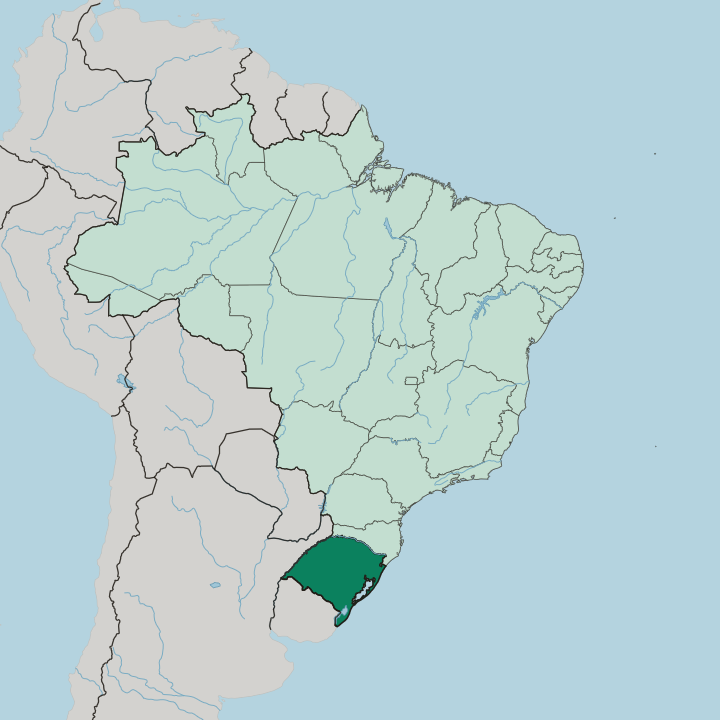
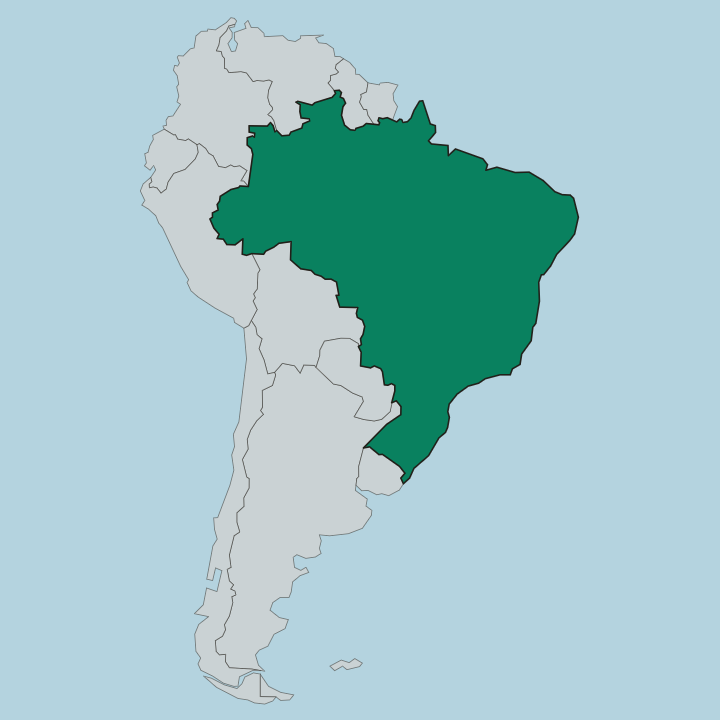
Rio Grande do Sul is the southernmost state of Brazil, the last stretch of the country before Uruguay. Santa Catarina lies to the north. The Atlantic Ocean forms its whole eastern edge, while the Uruguay River traces the western border with Argentina and, further south, with Uruguay itself. More of its boundary is foreign country than Brazilian state.
This is where Brazil runs out and the grasslands of the River Plate begin. Two great bodies of water define the interior. Lagoa dos Patos, the largest lagoon in Brazil, stretches for much of the coast behind a long sandbar, and Porto Alegre sits at its head where four rivers gather into Lake Guaíba.
The land climbs from the coastal plain and the southern Pampa grassland up to the Serra Geral, the basalt escarpment along the northern border whose cliffs drop into canyons such as Itaimbezinho. Along the ocean edge run the long surf beaches of the Litoral, from Torres south to the lagoon mouth. Rivers run two ways from that divide.
Some drain east to the Atlantic through the lagoons; others flow west into the Uruguay River and on toward the River Plate.
What is Rio Grande do Sul like?
To be gaúcho here is an identity, not just an address. The state shares that cowboy culture with Uruguay and Argentina across the same open plains. Chimarrão, the bitter green mate passed hand to hand from a shared gourd, is a daily ritual, and churrasco over open coals is close to a regional sport.
Traditionalist CTG clubs keep the dances, the accordion music and the horsemanship alive across the countryside. Every September the Semana Farroupilha fills the towns with horses, bombacha trousers and old anthems of the failed republic. The north tells a different story.
From the middle of the nineteenth century, German and Italian settlers took up the forested hills of the Serra Gaúcha, and their descendants still fill towns like Caxias do Sul, Bento Gonçalves and Nova Petrópolis. They brought grapevines, sausages and stone churches. Gramado leans hardest into that heritage, with its winter chocolate shops and a Christmas-lights season that draws Brazilians from far north.
Dialects of both languages, Talian and Riograndenser Hunsrückisch, are still spoken over the kitchen table, and the vineyards around Bento Gonçalves make most of Brazil's wine.
What is the history of Rio Grande do Sul?
This was long a debatable land, fought over by the Portuguese and Spanish crowns and by the Guarani missions between them. Its defining chapter is the Ragamuffin War. In 1835 the gaúcho ranchers rose against the empire over taxes on their salted beef.
In 1836, after a victory at Seival, Antônio de Sousa Neto proclaimed a breakaway Riograndense Republic that held out for a decade. Its first president, Bento Gonçalves, sat in an imperial prison when the assembly named him. The war ended in 1845.
The province became a full state of Brazil in 1889, when the country turned republican.
What is the climate of Rio Grande do Sul?
Rio Grande do Sul has four real seasons, which sets it apart from tropical Brazil. Summers are hot and humid. Winters bite, especially inland: frost is common across the Pampa, and only in the coldest winters does snow reach the Serra Gaúcha towns of Gramado and Canela.
Rain falls all year, spread evenly rather than in a wet season. The Minuano, a cold wind off the southern plains, sharpens the winter chill.
How do you get to Rio Grande do Sul?
For most travellers to Rio Grande do Sul, the arrival is by air. Salgado Filho International Airport in Porto Alegre is the main way in, linking the state to São Paulo and Rio de Janeiro and, across the border, to Buenos Aires and Montevideo. Overland, the BR-116 highway runs down from Santa Catarina to Porto Alegre and on toward Uruguay.
A road bridge crosses into Argentina at Uruguaiana. Another crosses into Uruguay at Jaguarão. At Chuí and Santana do Livramento the frontier is dry, a single street or plaza dividing the twin towns from Uruguay rather than any river.
Ships still call at the deep-water port of Rio Grande on the coast.
Common questions
What is the best area to stay in Rio Grande do Sul?
Porto Alegre: arriving and basing in the capital. Serra Gaúcha: wine, cool air and alpine-style resorts. The Pampa: gaúcho ranch stays on the grasslands. The Lagoa dos Patos coast: the lagoon shore and Atlantic surf beaches.
Good for
More regions in Brazil
Updated September 2026