Brazil · Santa Catarina
Where to Stay in Blumenau, Santa Catarina
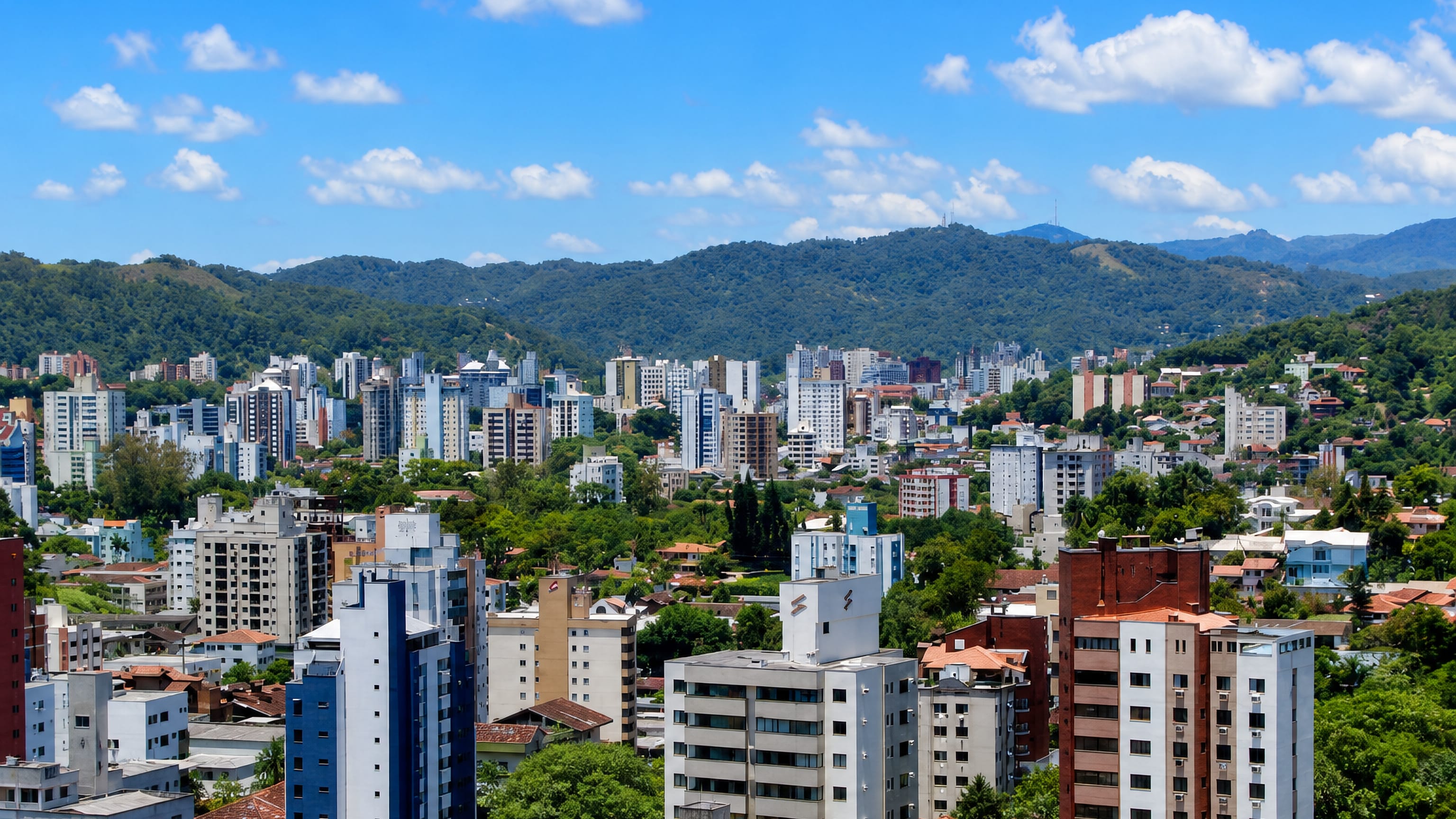
Blumenau, founded in 1852 in the Vale do Itajaí, keeps the colonial houses, brewing museum and Lutheran church of its founding families.
Hotel links are affiliate links: booking through them may earn us a commission, at no extra cost to you. It never affects how places are ranked. How this works


Where to stay in Blumenau
The practical side of choosing where to sleep.
The old colony blocks come first. A bed near the Casa de Hermann Blumenau puts the Museu da Família Colonial, the Igreja Luterana and the Casa Paroquial inside one walk, and that cluster is the reason most people give for stopping in Blumenau rather than passing through the Vale do Itajaí. Distances are modest anyway.
The municipality runs to some 519 square kilometres, but the listed buildings sit close together, so the choice is more about character than about saving time. Industry gives the second option. The Museu Hering, the Residência de Curt Hering and the Residência de Max Alfred Hering belong to the textile side of the city, and the Museu do Têxtil e da Moda da Universidade Regional de Blumenau puts an academic frame around the same subject.
You may want green ground instead. The Museu de Ecologia Fritz Müller and the Museu da Água Gunther Buhr sit away from the busiest streets, which suits a slower stay, and the Museu de Arte de Blumenau and the Museu da Cerveja stay within easy reach from either base. Portuguese runs the desks throughout Santa Catarina.
Find hotels in Blumenau
Direct booking searches for these neighbourhoods.
The colony blocks by the Casa de Hermann Blumenau
The Casa de Hermann Blumenau, the Museu da Família Colonial, the Igreja Luterana and the Casa Paroquial stand on the oldest ground of the colony.Find hotels in The colony blocks by the Casa de Hermann BlumenauAnyone following the textile trade through the Museu HeringThe Hering side of the city
The Museu Hering, the Residência de Curt Hering and the Residência de Max Alfred Hering mark the industrial half of Blumenau.Find hotels in The Hering side of the citySlower nights near the Museu de Ecologia Fritz MüllerOut toward the Fritz Müller museum
The Museu de Ecologia Fritz Müller and the Museu da Água Gunther Buhr lie away from the busiest streets of the Vale do Itajaí floor. Beds are limited here, so book early.Find hotels in Out toward the Fritz Müller museumHotel links are affiliate links: booking through them may earn us a commission, at no extra cost to you. It never affects how places are ranked. How this works
Things to do in Blumenau
Ranked by global recognition; descriptions from Wikidata (CC0).
Museums & Galleries
3- Museu da Família Colonial Heritage
- Museu da Cerveja
- Museu de Ecologia Fritz Müller
Churches & Religious Sites
1- Igreja Luterana (Igreja do Espírito Santo) Heritage
Castles & Historic Sites
1- Monument to the Volunteers of the Fatherland (Blumenau)
Landmarks & Notable Places
6- Casa Paroquial Heritage
- Casa Willy Sievert Heritage
- Casa de Hermann Blumenau Heritage
- Residência Dietrich Heritage
- Residência de Curt Hering Heritage
Show 1 more →
- Residência de Max Alfred Hering Heritage
worth knowingacross 4 categories in Blumenau
About Blumenau
Beer and cloth, in that order.
What is Blumenau known for?
The Museu da Cerveja holds the brewing record and the Museu do Têxtil e da Moda da Universidade Regional de Blumenau the industry that clothed the valley, while the Museu Hering attaches that second trade to one family in particular. Colonial houses survive as well. The Casa de Hermann Blumenau, the Residência de Curt Hering and the Casa Willy Sievert are among the dwellings kept as monuments rather than replaced.
What are the main landmarks in Blumenau?
Houses carry the register here. The Casa de Hermann Blumenau, the Casa Willy Sievert, the Residência Dietrich and the two Hering residences are listed buildings, as are the Igreja Luterana and its Casa Paroquial. Museums do the interpreting.
Brewing has the Museu da Cerveja and art the Museu de Arte de Blumenau, while the Museu da Família Colonial and the Museu de Hábitos e Costumes take on the colonial household and the Museu de Ecologia Fritz Müller the natural record. Two memorials close the list. The Mausoleum of Doctor Hermann Blumenau and the Monument to the Volunteers of the Fatherland close it out.
What is the history of Blumenau?
One man's name sits on everything. Hermann Blumenau, whose house the city preserves and whose mausoleum it keeps as a listed monument, shares that name with the settlement begun in the Vale do Itajaí in 1852, and the earliest surviving fabric belongs to the colony rather than to any later administration. Faith came with the settlers.
The Igreja Luterana, known also as the Igreja do Espírito Santo, and the Casa Paroquial beside it are the religious core of that founding period, while the Museu da Família Colonial and the Museu de Hábitos e Costumes hold what the households themselves left behind. Work followed within a generation. The Hering name attaches to a museum and to two listed residences, those of Curt Hering and Max Alfred Hering, and the Museu do Têxtil e da Moda da Universidade Regional de Blumenau treats the cloth trade as a subject of study rather than nostalgia.
Other names took other trades. Willy Sievert and the Dietrich family left listed houses, the Museu da Cerveja records the brewing that grew alongside, and the Museu da Água Gunther Buhr documents how a valley city organised its water. Science kept a share as well, since the ecology museum carries the name of Fritz Müller.
The Monument to the Volunteers of the Fatherland marks the one obligation the colony owed outward.
Where is Blumenau?
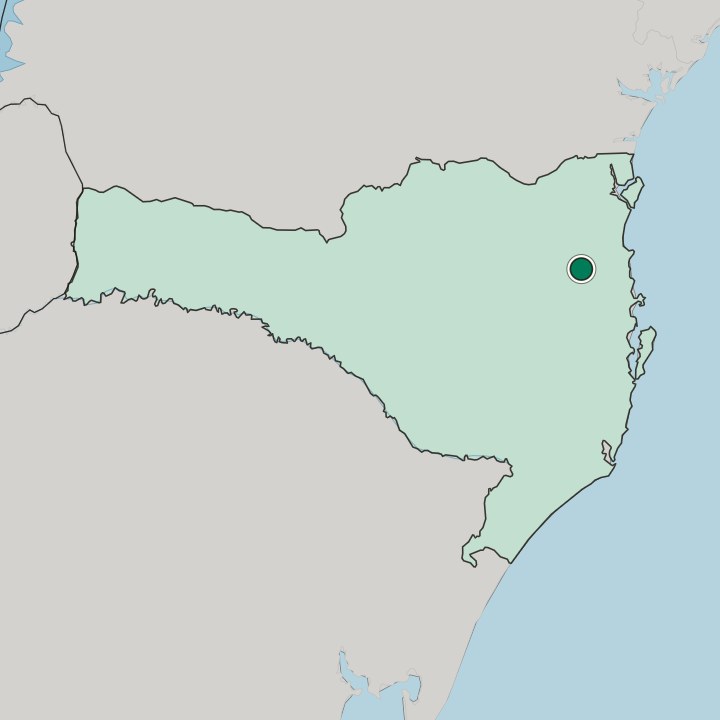
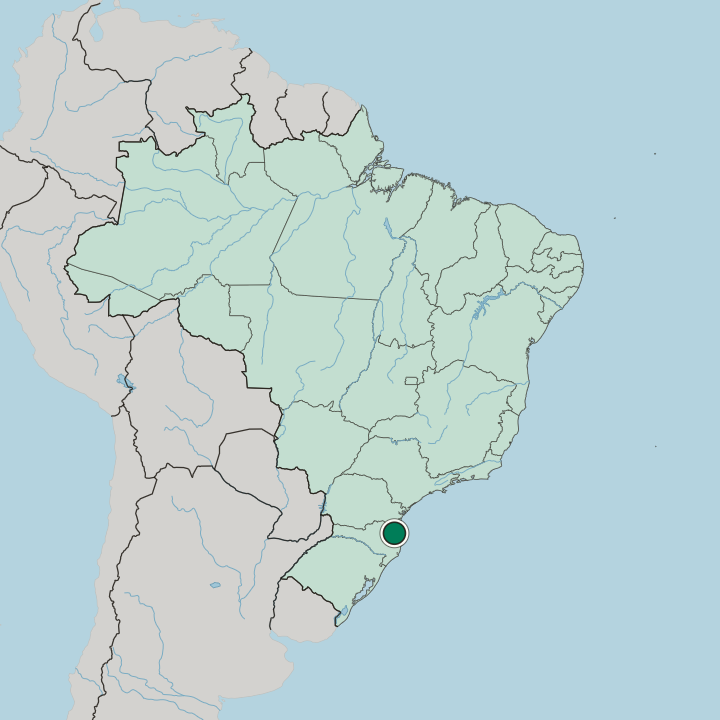
The valley does the organising. Blumenau spreads across roughly 519 square kilometres of the Vale do Itajaí, so the built-up ground follows the low corridor while the slopes on either side keep it from spreading much wider. Florianópolis lies 130 kilometres off. Subtropical country in the southern hemisphere gives this part of Santa Catarina four distinguishable seasons, which is not the case further up the Brazilian coast.
What is the climate of Blumenau?
The Vale do Itajaí holds the weather in. Air settles along the valley floor and the humidity stays with it, so summer in Blumenau reads heavier than the figures suggest while the cool months are genuinely cool by the standards of anywhere further north. Winter is short but real.
Rain is spread through the year rather than saved for one season, which is why the Museu da Água Gunther Buhr has a subject at all.
How do you get to Blumenau?
Approaches follow the valley. Blumenau sits inland from the coast of Santa Catarina, and the Vale do Itajaí is the corridor that carries traffic up from the shore rather than over the hills that hem it in. Florianópolis is 130 kilometres away.
That state capital is the usual first point of arrival for anyone coming from outside, and from there the run inland ends at the colonial blocks around the Casa de Hermann Blumenau.
Common questions
What is the best area to stay in Blumenau?
The colony blocks by the Casa de Hermann Blumenau: Walkers taking the Museu da Família Colonial and the Igreja Luterana in one morning. The Hering side of the city: Anyone following the textile trade through the Museu Hering. Out toward the Fritz Müller museum: Slower nights near the Museu de Ecologia Fritz Müller.
Good for
More cities in Santa Catarina
Updated October 2026