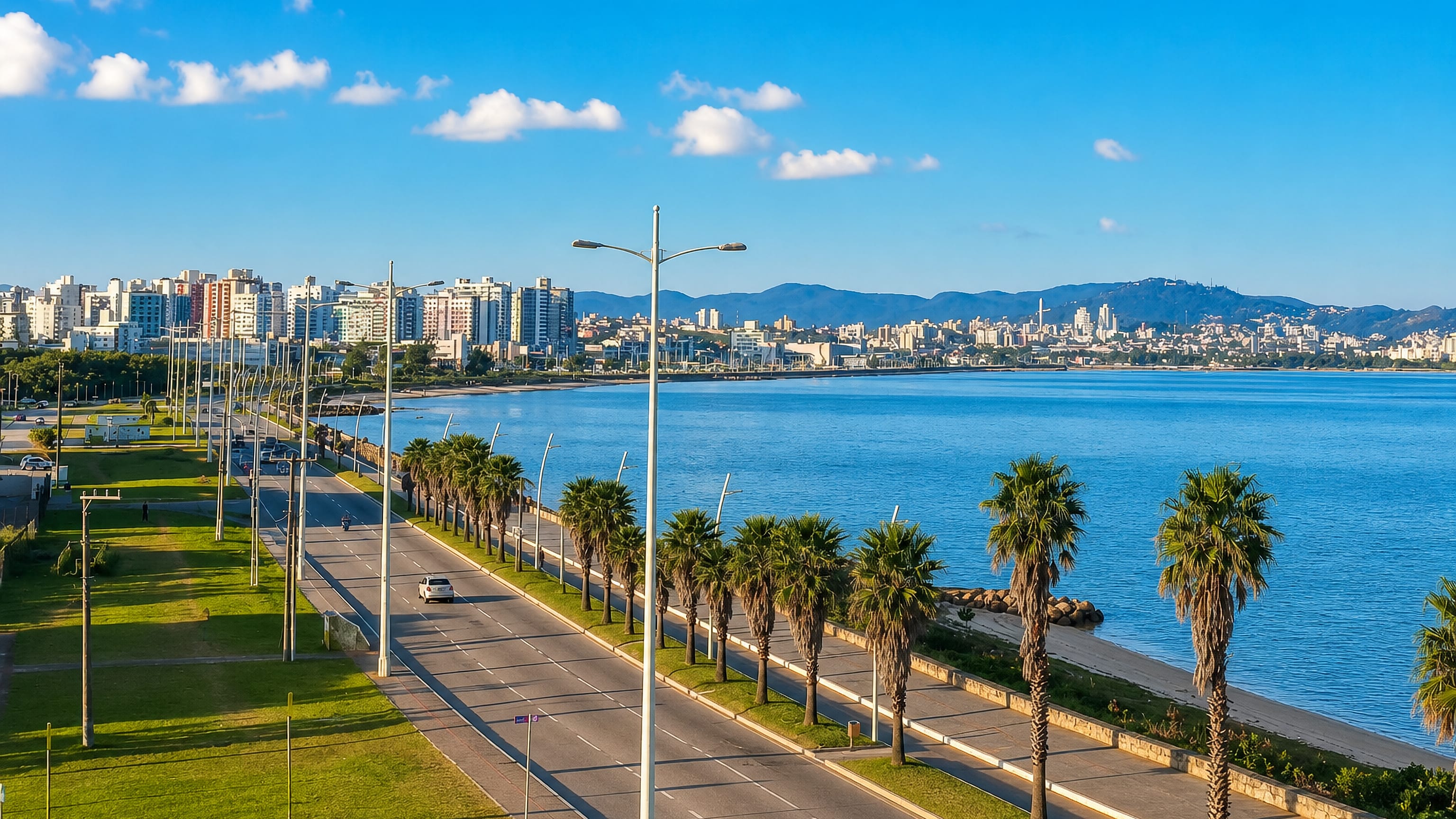
Brazil · Santa Catarina
Where to Stay in São José, Santa Catarina
São José goes back to 1750, a colonial town in Santa Catarina whose old core keeps four listed churches. Small ground, long record.
Hotel links are affiliate links: booking through them may earn us a commission, at no extra cost to you. It never affects how places are ranked. How this works


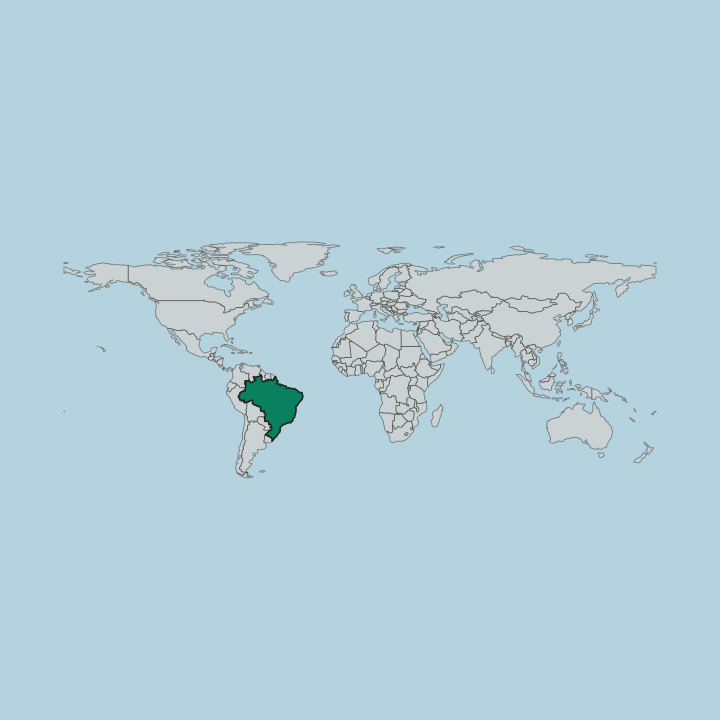
Where to stay in São José
Where the beds are, and what that means for the visit.
Igreja Matriz de São José marks the historic choice. Rooms in the colonial grid around it put the Casa da Municipalidade, the Sobrado da Família Gerlach, and the listed shopfronts within a few minutes of the door, and the streets there empty out after dark. It suits you if the old town, and not convenience, is the reason for the stay.
Beds are few in that quarter. Newer ground holds the volume. Blocks beyond the parish streets carry the everyday commerce, and rooms there trade atmosphere for parking, space, and an arrival that does not involve a colonial grid.
The choice is practical rather than scenic. The two sides are minutes apart. Museu Hassis and the Museu Histórico Municipal de São José are a short ride from either side.
Parish boundaries still shape the map. Igreja de Nosso Senhor do Bonfim and Igreja de Nossa Senhora de Fátima e Santa Filomena sit in quarters that grew up separately, and a room near either one puts a visitor among ordinary streets rather than protected ones. Quiet is the payoff.
Anyone without a car should weigh how far those quarters sit from the listed core before booking.
Find hotels in São José
Direct booking searches for these neighbourhoods.
Colonial grid at Igreja Matriz de São José
The Casa da Municipalidade, the Sobrado da Família Gerlach and the listed shopfronts all stand a few minutes from the parish church. Lodging is scarce in this area; reserve in advance.Find hotels in Colonial grid at Igreja Matriz de São JoséParking and an easy arrival away from the São José parish streetsCommercial blocks
Everyday commerce fills the blocks beyond the colonial grid, where rooms come with space and Museu Hassis stays a short ride off.Find hotels in Commercial blocksOrdinary streets near Igreja de Nosso Senhor do BonfimBonfim and Fátima quarters
Quarters that grew around Igreja de Nosso Senhor do Bonfim and Igreja de Nossa Senhora de Fátima e Santa Filomena stay off the visitor circuit.Find hotels in Bonfim and Fátima quartersHotel links are affiliate links: booking through them may earn us a commission, at no extra cost to you. It never affects how places are ranked. How this works
Things to do in São José
Ranked by global recognition; descriptions from Wikidata (CC0).
Museums & Galleries
1- Museu Histórico Municipal de São José
Churches & Religious Sites
4- Igreja Matriz de São José Heritage
- Igreja de Nossa Senhora de Fátima e Santa Filomena Heritage
- Igreja de Nosso Senhor do Bonfim Heritage
- Igreja e Cemitério da Irmandade de Nosso Senhor Bom Jesus dos Passos Heritage
Landmarks & Notable Places
3- Casa da Municipalidade Heritage
- Casa de Comércio da Família Petry Heritage
- Sobrado da Família Gerlach Heritage
worth knowingacross 3 categories in São José
About São José
Old parish churches carry the record.
What is São José known for?
Igreja Matriz de São José stands at the centre of the colonial grid, with Igreja de Nosso Senhor do Bonfim, Igreja de Nossa Senhora de Fátima e Santa Filomena, and the Igreja e Cemitério da Irmandade de Nosso Senhor Bom Jesus dos Passos completing the set. Two museums explain the rest. Museu Hassis and the Museu Histórico Municipal de São José keep the collections that the churches do not.
What are the main landmarks in São José?
The listed core is compact. Igreja Matriz de São José, Casa da Municipalidade, and the Sobrado da Família Gerlach stand close enough that a single walk covers the town's protected architecture without much effort. Casa de Comércio da Família Petry sits among them.
Museu Hassis is the one indoor stop that has nothing to do with church or council.
What is the history of São José?
Settlement dates to 1750. The parish that took the name São José organised itself around a church, a burial ground, and a handful of streets, and Igreja Matriz de São José still occupies the position that the first plan gave it. The layout has barely moved since, which is why the oldest streets still read as a plan rather than an accident.
Igreja e Cemitério da Irmandade de Nosso Senhor Bom Jesus dos Passos kept the brotherhood and its dead together on one site. Casa da Municipalidade arrived when the town got its own administration. Commerce left its own buildings.
Casa de Comércio da Família Petry and Sobrado da Família Gerlach survive from the period when family firms ran the town's trade, and their frontages remain the clearest evidence of the merchant families who shaped the old streets. Devotion kept pace: Igreja de Nosso Senhor do Bonfim and Igreja de Nossa Senhora de Fátima e Santa Filomena added parishes as the built-up ground spread. Two collections came much later.
Museu Histórico Municipal de São José holds the municipal record. Museu Hassis keeps a separate collection under the name it carries. A visitor can cross the listed core in an afternoon and pass every one of them.
Where is São José?
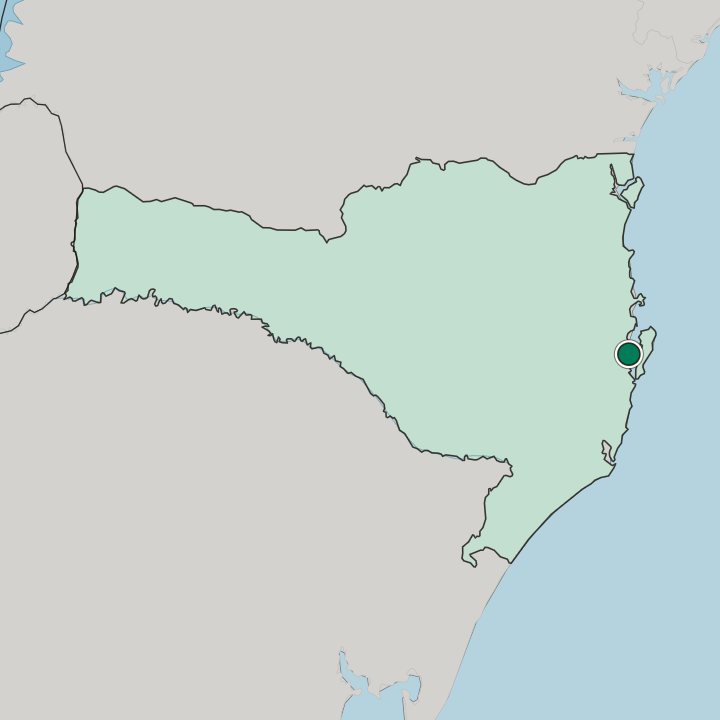
Little ground, much town. São José covers a compact municipal area of Santa Catarina, and the built-up ground presses close to the old colonial core rather than trailing away into open country. Distances stay short in the centre.
The rest of the municipality has filled in around the churches that marked its first parishes.
What is the climate of São José?
Winter never really bites. Damp Atlantic air moderates this part of Santa Catarina through the year, so São José gets humid summers with heavy afternoon rain and cool spells that pass rather than settle. The year runs upside down here.
July is the low point, January the peak.
How do you get to São José?
No one arrives here on foot. Arrival means the highway network of Santa Catarina, followed by a short run through streets that were laid out for a colonial parish rather than for traffic. Parking near the churches is the constraint.
Igreja Matriz de São José is the landmark to steer for.
Common questions
What is the best area to stay in São José?
Colonial grid at Igreja Matriz de São José: Waking up inside the listed grid at Igreja Matriz de São José. Commercial blocks: Parking and an easy arrival away from the São José parish streets. Bonfim and Fátima quarters: Ordinary streets near Igreja de Nosso Senhor do Bonfim.
Good for
More cities in Santa Catarina
Updated October 2026