Brazil · Santa Catarina
Where to Stay in Criciúma, Santa Catarina
Criciúma, a city of southern Santa Catarina founded in 1880, centres Brazil's flooring and home materials industry and keeps a mine open to visitors.
Hotel links are affiliate links: booking through them may earn us a commission, at no extra cost to you. It never affects how places are ranked. How this works


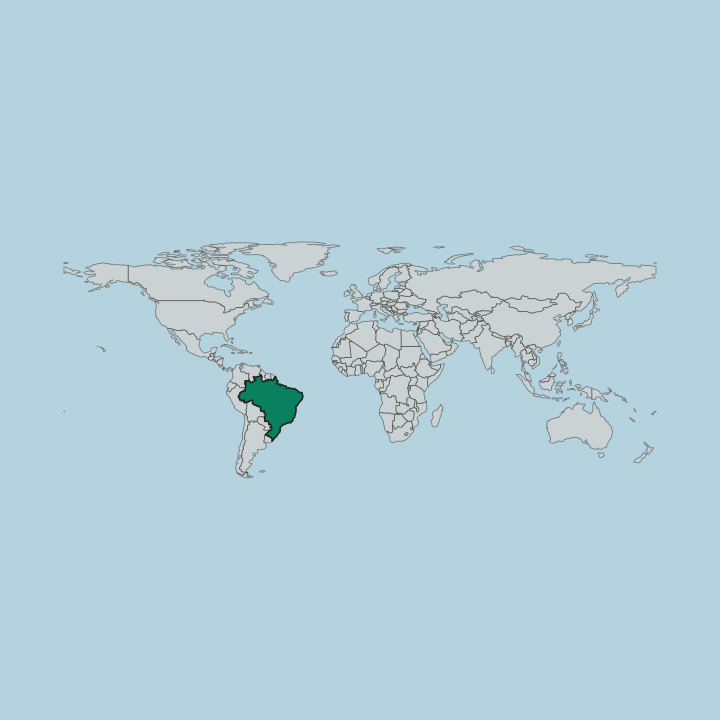
Where to stay in Criciúma
Where the beds are, and what that means for the visit.
Two monuments frame the centre. A room in the middle of Criciúma puts the Monumento ao Mineiro, the Monumento às Etnias and the Casa da Cultura Padre Bernardo Junkes on one walking circuit, which suits a short stay better than anything out on the edge. Three more museums lie a short walk away.
The Museu Municipal Histórico e Geográfico Augusto Casagrande, the Museu da Infância and the Museu de Zoologia Profª Morgana Cirimbelli Gaidzinski all sit inside the built-up part of Criciúma, which makes the centre the obvious base for a first visit. Then there is the mine itself. Mina de Visitação Otávio Fontana can be gone into, and a stay pitched towards it turns the visit into something about the work rather than the shopfronts, with the Memorial Casa do Ferroviário Mário Ghisi adding the railway side of the same story.
Getting around town takes little time. Criciúma covers some 236 square kilometres, and it lies about 180 kilometres south of Florianópolis, so anyone driving down from the state capital arrives after a real journey and often wants parking with the room. Bookings, signage and the museum labels all run in Portuguese.
Find hotels in Criciúma
Direct booking searches for these neighbourhoods.
The monument centre
The Monumento ao Mineiro, the Monumento às Etnias and the Casa da Cultura Padre Bernardo Junkes fall on one circuit through the middle of Criciúma.Find hotels in The monument centreFamilies splitting a day between the Museu da Infância and the zoology collectionThe museum quarter
The Museu Municipal Histórico e Geográfico Augusto Casagrande, the Museu da Infância and the Museu de Zoologia Profª Morgana Cirimbelli Gaidzinski all stand in the built-up part of the city.Find hotels in The museum quarterVisitors whose reason for coming is the mine and the railway memorialTowards the Mina de Visitação Otávio Fontana
Mina de Visitação Otávio Fontana can be entered, and the Memorial Casa do Ferroviário Mário Ghisi adds the railwayman's part of the same century. Beds are limited here, so book early.Find hotels in Towards the Mina de Visitação Otávio FontanaHotel links are affiliate links: booking through them may earn us a commission, at no extra cost to you. It never affects how places are ranked. How this works
Things to do in Criciúma
Ranked by global recognition; descriptions from Wikidata (CC0).
Museums & Galleries
3- Memorial Casa do Ferroviário Mário Ghisi
- Mina de Visitação Otávio Fontana
- Museu Carlos Augusto Borba do Criciúma Esporte Clube
Castles & Historic Sites
2- Monumento às Etnias
- Monumento ao Mineiro
Landmarks & Notable Places
1- Casa da Cultura Padre Bernardo Junkes Heritage
worth knowingacross 3 categories in Criciúma
About Criciúma
What is Criciúma known for?
Flooring and home materials are the industry here, and Criciúma stands at the centre of that trade in Brazil, second in size only to one other such centre in the world. The mines are not hidden. The Monumento ao Mineiro and the Mina de Visitação Otávio Fontana keep that older work in plain sight, and the Museu Carlos Augusto Borba do Criciúma Esporte Clube attaches to the sports club that carries the city's name.
What are the main landmarks in Criciúma?
Mining supplies the emblems. The Monumento ao Mineiro honours the miner and the Mina de Visitação Otávio Fontana takes visitors underground, while the Memorial Casa do Ferroviário Mário Ghisi remembers the railwayman. Museums fill the rest of the list.
The Museu Municipal Histórico e Geográfico Augusto Casagrande, the Museu Universitário do Extremo Sul Catarinense, the Museu da Infância and the Museu de Zoologia Profª Morgana Cirimbelli Gaidzinski divide the subjects between them, and the Monumento às Etnias and the Casa da Cultura Padre Bernardo Junkes complete the set.
What is the history of Criciúma?
Criciúma dates from 1880. Two monuments carry the early record: the Monumento às Etnias for the peoples gathered here and the Monumento ao Mineiro for the work of the mine, which together say more about the first century than any surviving street does. The mine can be entered.
Mina de Visitação Otávio Fontana is kept open to visitors, and the Memorial Casa do Ferroviário Mário Ghisi holds the railwayman's part of the same century. Manufacturing followed the mine. Flooring and home materials became the trade Criciúma is known for, and the city stands at the centre of that industry in Brazil, second in scale only to one other centre in the world.
Collections keep pace with it. The Museu Municipal Histórico e Geográfico Augusto Casagrande and the Museu Universitário do Extremo Sul Catarinense set out the regional record, the Casa da Cultura Padre Bernardo Junkes carries the cultural side, and the Museu da Infância, the Museu de Zoologia Profª Morgana Cirimbelli Gaidzinski and the Museu Carlos Augusto Borba do Criciúma Esporte Clube take childhood, natural history and sport in turn.
Where is Criciúma?
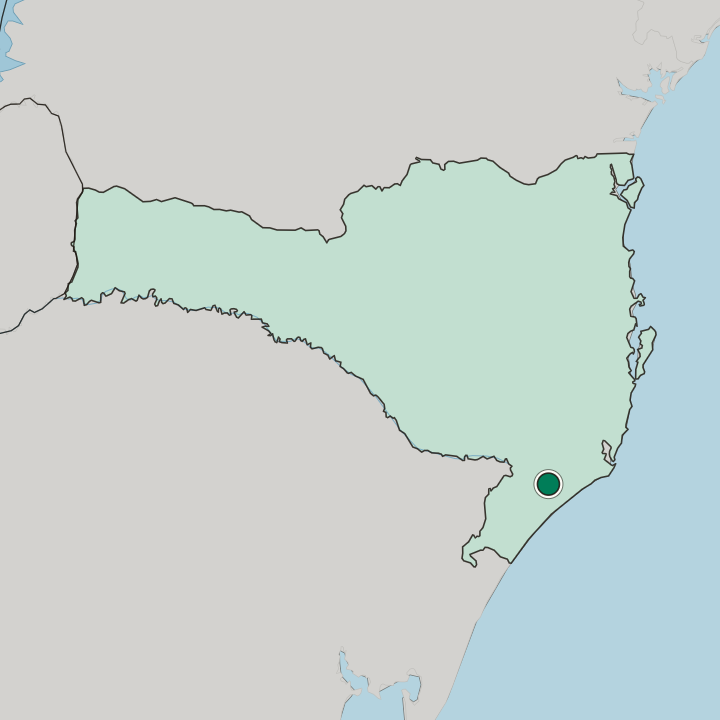
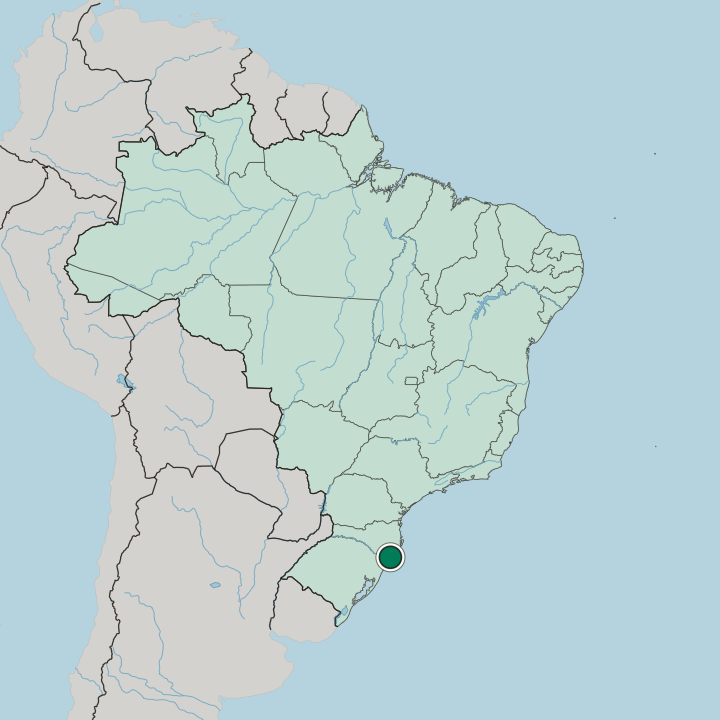
Criciúma holds some 236 square kilometres of southern Santa Catarina. The city lies about 180 kilometres south of Florianópolis, the state capital, and roughly 900 kilometres south of São Paulo. Around it spreads the Extremo Sul Catarinense.
Only the Mina de Visitação Otávio Fontana goes below the surface, while the Monumento ao Mineiro and the Monumento às Etnias stand on top of it.
What is the climate of Criciúma?
Seasons run in reverse here. Criciúma sits within the subtropical band of the southern hemisphere, so the warm part of the year falls around January and the cool part around July, which reverses the northern pattern. Rain or shine, the Museu da Infância, the Museu de Zoologia Profª Morgana Cirimbelli Gaidzinski and the Mina de Visitação Otávio Fontana can all be done under cover, so a wet week matters less here than it would on the coast.
How do you get to Criciúma?
Florianópolis, the state capital, stands roughly 180 kilometres to the north, and São Paulo is nearer 900 kilometres off, which sets the scale of any approach to Criciúma. Industry keeps the routes busy. Flooring and home materials move out of the city in volume, and the same links carry visitors in to the Mina de Visitação Otávio Fontana and the museums of the Extremo Sul Catarinense.
Common questions
What is the best area to stay in Criciúma?
The monument centre: Walkers circling the Monumento ao Mineiro and the Monumento às Etnias. The museum quarter: Families splitting a day between the Museu da Infância and the zoology collection. Towards the Mina de Visitação Otávio Fontana: Visitors whose reason for coming is the mine and the railway memorial.
Good for
More cities in Santa Catarina
Updated October 2026