Brazil · Santa Catarina
Where to Stay in Brusque, Santa Catarina
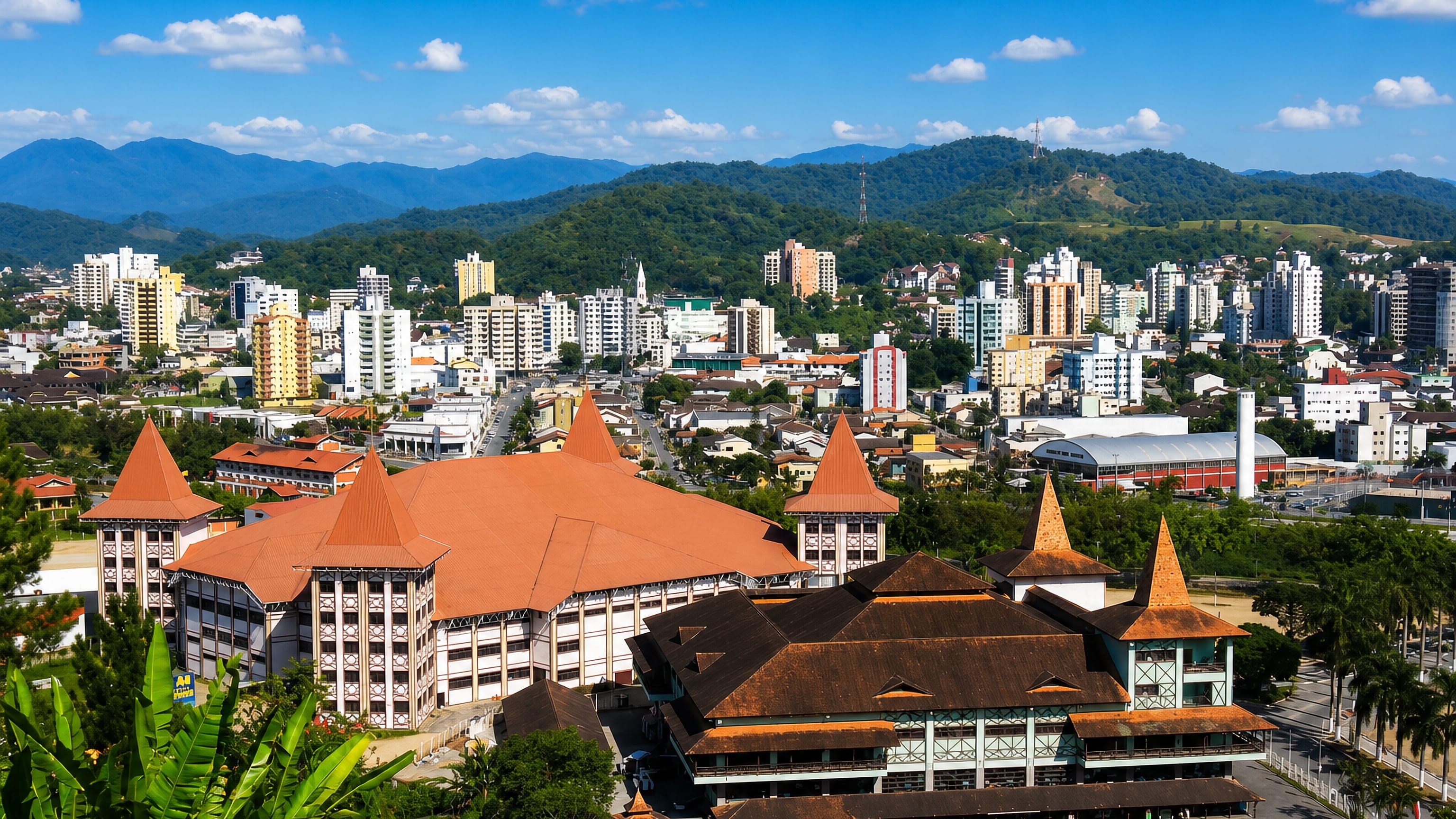
Brusque, in Santa Catarina, was founded on 4 August 1860 by 55 German immigrants and keeps the Igreja Matriz de Brusque at its centre.
Hotel links are affiliate links: booking through them may earn us a commission, at no extra cost to you. It never affects how places are ranked. How this works


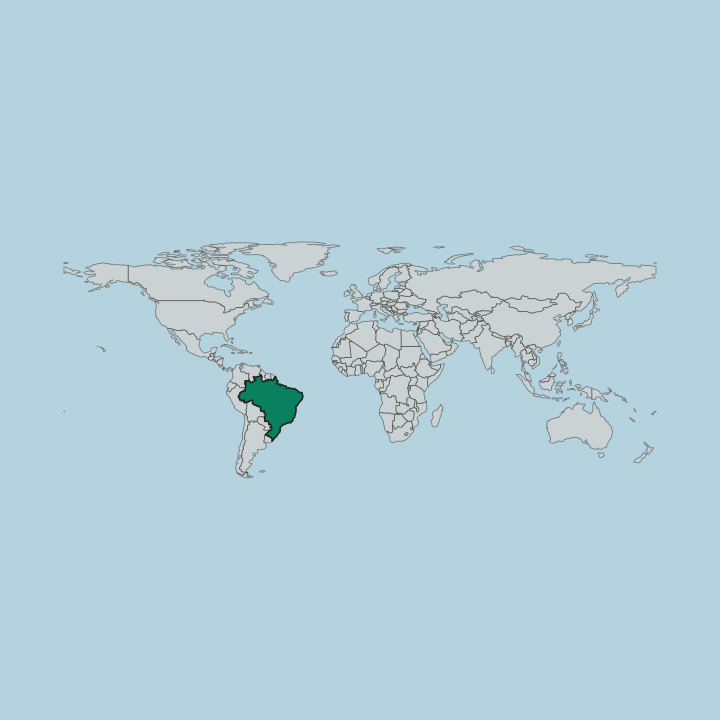
Where to stay in Brusque
How the choice of base plays out on the ground.
The Igreja Matriz de Brusque anchors the middle. A room near it leaves the Dom Joaquim Archdiocesan Museum and the hall of the Sociedade Amigos de Brusque within an ordinary walk, which between them account for most of what a short visit here is likely to include. Call that the walkable choice.
Everything else is spread across some 283 square kilometres, so a base away from the centre trades walking for driving on every outing. Green ground makes the alternative. The Zoobotanic Park of Brusque holds the largest stretch of public open space the municipality keeps, and a stay on that side suits travelling with children or wanting a morning outdoors before any collection opens its doors.
You may not need a car at all. The centre is small enough to cross on foot, the Aldo Krieger Institute sits within the same few blocks as the archdiocesan collection named for Dom Joaquim, and one unhurried day covers the lot. Portuguese runs the desks, as everywhere in Santa Catarina, and a city on this scale keeps a limited stock of rooms, so booking ahead counts for more here than the choice between one district and another.
Find hotels in Brusque
Direct booking searches for these neighbourhoods.
Around the Igreja Matriz de Brusque
The Igreja Matriz de Brusque, the Dom Joaquim Archdiocesan Museum and the Sociedade Amigos de Brusque stand within the same few blocks of the centre.Find hotels in Around the Igreja Matriz de BrusqueMornings outdoors with the Zoobotanic Park of Brusque at the doorBy the Zoobotanic Park of Brusque
The Zoobotanic Park of Brusque is the largest piece of public open ground the municipality keeps, well away from the church square. Lodging is scarce in this area; reserve in advance.Find hotels in By the Zoobotanic Park of BrusqueHotel links are affiliate links: booking through them may earn us a commission, at no extra cost to you. It never affects how places are ranked. How this works
Things to do in Brusque
Ranked by global recognition; descriptions from Wikidata (CC0).
Museums & Galleries
3- Dom Joaquim Archdiocesan Museum
- Sociedade Amigos de Brusque
- Aldo Krieger Institute
Churches & Religious Sites
1- Igreja Matriz de Brusque
Nature & Outdoors
1- Zoobotanic Park of Brusque
worth knowingacross 3 categories in Brusque
About Brusque
The founding date is exact.
What is Brusque known for?
Brusque counts from 4 August 1860, when 55 German immigrants took up the site, and the short list of institutions the city keeps runs from the Igreja Matriz de Brusque to the Dom Joaquim Archdiocesan Museum and the Sociedade Amigos de Brusque. Open ground is the other card. The Zoobotanic Park of Brusque supplies the municipality's largest piece of public green, and the Aldo Krieger Institute rounds out a register that stays deliberately small.
What are the main landmarks in Brusque?
Five names make up the register. The Igreja Matriz de Brusque heads it and the Dom Joaquim Archdiocesan Museum holds the collection of the archdiocese, while the Sociedade Amigos de Brusque and the Aldo Krieger Institute stand for the associative and cultural side of the same small city. One entry is not a building.
The Zoobotanic Park of Brusque is ground rather than architecture, and it carries the botanical and animal collections that the municipality keeps in public hands.
What is the history of Brusque?
A count of 55 opens the record. That many German immigrants founded Brusque on 4 August 1860, a date precise enough that the city names the day rather than the decade, and the founding group is small enough that everything afterwards can be read as growth from a single colony. The parish came early.
The Igreja Matriz de Brusque marks the point the settlement organised itself around, and it remains the building the rest of the centre is arranged against. Church and association divide the memory. The Dom Joaquim Archdiocesan Museum keeps the collection of the archdiocese, which for a colony of this origin is the institutional record of its religious life, and the Sociedade Amigos de Brusque carries the habit of organised civic association under a name of its own.
Culture took a name too. The Aldo Krieger Institute attaches one to that side of the city, and the register the municipality maintains is short enough that each of these entries stands out rather than blurring into a crowd. Land was set aside as well.
The Zoobotanic Park of Brusque is what a municipality of some 283 square kilometres chose to hold as public ground, and it is the only entry on the list that is measured in hectares rather than in walls.
Where is Brusque?
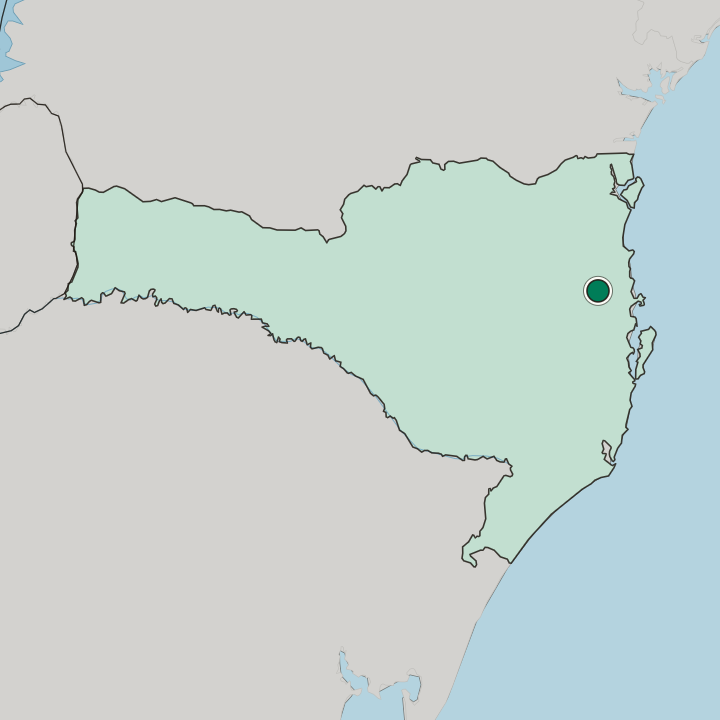
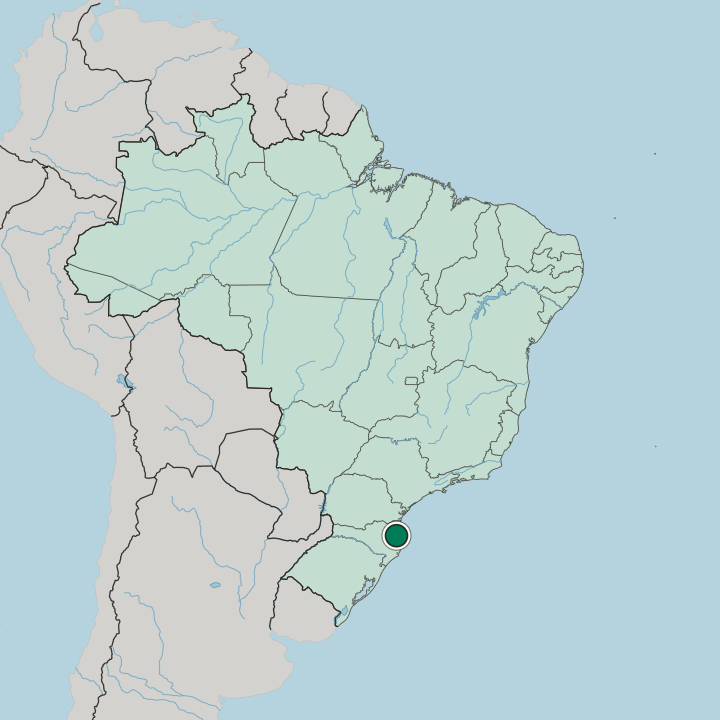
The municipality is broader than the town. Brusque takes in about 283 square kilometres of Santa Catarina while the built-up part gathers tightly around the Igreja Matriz de Brusque, which leaves most of that territory outside the streets altogether. Subtropical country surrounds it.
The southern hemisphere turns the seasons upside down against the northern calendar, and the Zoobotanic Park of Brusque is the piece of that surrounding ground the city has kept open to the public.
What is the climate of Brusque?
Winter here is a real season. Subtropical Santa Catarina sits far enough from the equator that the cool months carry weight, and the warm half of the year brings the humidity that the same position guarantees, so the calendar splits by temperature rather than by rain alone. Timing rewards a little thought.
The Zoobotanic Park of Brusque walks better in the cooler stretch, while the Dom Joaquim Archdiocesan Museum keeps its appeal whatever the month.
How do you get to Brusque?
Getting to Brusque means a drive. Neither an airport nor a rail terminal appears on the register Brusque keeps of its own landmarks, so the approach comes overland from elsewhere in Santa Catarina and ends in the compact middle where the Igreja Matriz de Brusque stands. After that the distances collapse.
Reaching the Aldo Krieger Institute or the Zoobotanic Park of Brusque from the centre is a matter of minutes rather than a planned excursion across 283 square kilometres.
Common questions
What is the best area to stay in Brusque?
Around the Igreja Matriz de Brusque: Walkers covering the Dom Joaquim Archdiocesan Museum in one morning. By the Zoobotanic Park of Brusque: Mornings outdoors with the Zoobotanic Park of Brusque at the door.
Good for
More cities in Santa Catarina
Updated October 2026