Brazil · Santa Catarina
Where to Stay in Itajaí, Santa Catarina
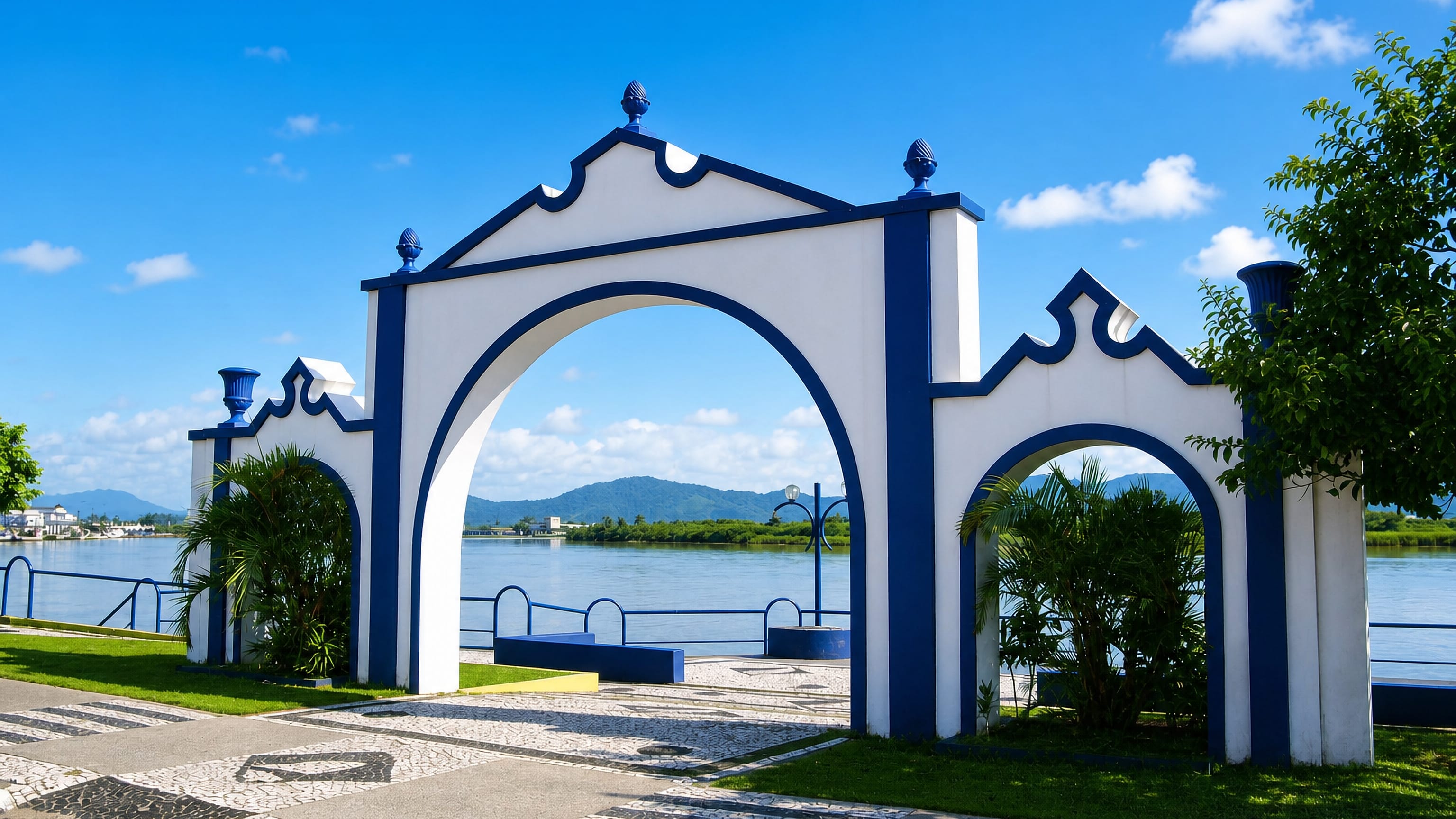
Itajaí, founded in 1860, stands on the right bank at the mouth of the Itajaí-Açu, a port town on the coast of Santa Catarina in Brazil.
Hotel links are affiliate links: booking through them may earn us a commission, at no extra cost to you. It never affects how places are ranked. How this works


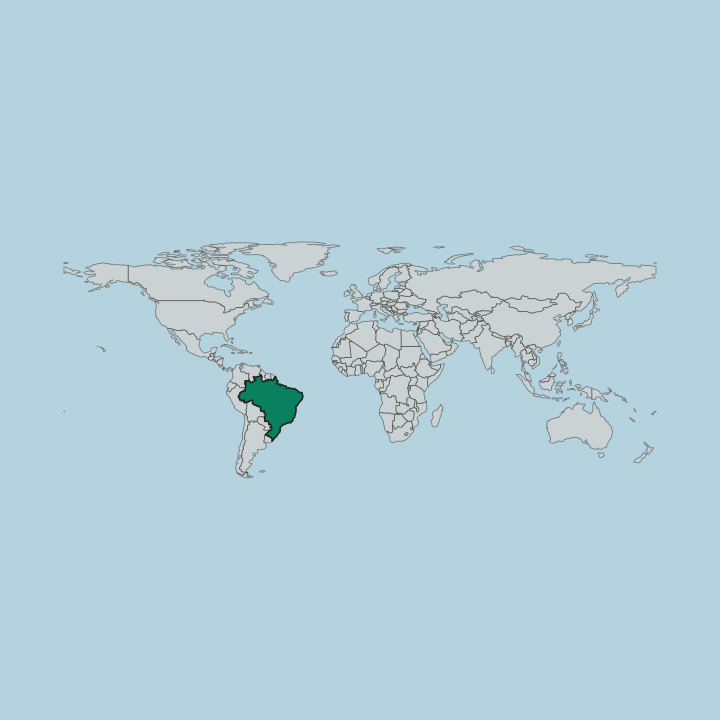
Where to stay in Itajaí
Where the beds are, and what that means for the visit.
The old streets sit back from the water. Rua Pedro Ferreira and Rua Samuel Heusi meet at a listed corner house, and a bed in those blocks puts Casa Konder, Casa Malburg and the Antigo Mercado Público inside a short walk. Culture keeps the same address book.
The Casa da Cultura Dide Brandão, the Museu Histórico de Itajaí and the Museu Etno-Arqueológico de Itajaí are all part of that built-up centre, as is the Igreja Matriz do Santíssimo Sacramento. The Igreja da Imaculada Conceição adds a second church to the same walk. Water decides the rest of it.
The Itajaí-Açu reaches the sea along the town's own edge, and a room towards the shore trades the listed houses for the water, which suits anyone here for the coast rather than the archive. Some 289 square kilometres of Santa Catarina belong to the município, so stays spread well beyond the old blocks, and drivers coming down the Vale do Itajaí often prefer a room with parking on the outer roads. The Palácio Marcos Konder gives the centre a civic anchor that the outer roads cannot match.
Portuguese runs the desks, the menus and the paperwork alike.
Find hotels in Itajaí
Direct booking searches for these neighbourhoods.
Rua Pedro Ferreira and Rua Samuel Heusi
The listed house at Rua Pedro Ferreira on the corner of Rua Samuel Heusi stands among the old merchant addresses of Itajaí.Find hotels in Rua Pedro Ferreira and Rua Samuel HeusiStays between the Antigo Mercado Público and the Palácio Marcos KonderThe Mercado and Palácio blocks
The Antigo Mercado Público, the Palácio Marcos Konder and the Casa da Cultura Dide Brandão hold the civic middle of the town.Find hotels in The Mercado and Palácio blocksVisitors here for the river mouth and the coast rather than the museumsThe Itajaí-Açu shore
The Itajaí-Açu reaches the sea along the edge of the município, which is the reason most coastal stays face that way. Few places to stay nearby — book ahead.Find hotels in The Itajaí-Açu shoreDrivers arriving down the Vale do Itajaí who want parking at the doorThe outer município
Some 289 square kilometres of Santa Catarina belong to Itajaí, which leaves beds well outside the listed streets. Rooms are few around here — worth securing early.Find hotels in The outer municípioHotel links are affiliate links: booking through them may earn us a commission, at no extra cost to you. It never affects how places are ranked. How this works
Things to do in Itajaí
Ranked by global recognition; descriptions from Wikidata (CC0).
Museums & Galleries
3- Museu Etno-Arqueológico de Itajaí
- Casa da Cultura Dide Brandão
- Museu Histórico de Itajaí
Churches & Religious Sites
1- Igreja Matriz do Santíssimo Sacramento
Castles & Historic Sites
1- Bico do Papagaio
Landmarks & Notable Places
2- Palácio Marcos Konder Heritage
- Casa Burghardt Heritage
worth knowingacross 4 categories in Itajaí
About Itajaí
What is Itajaí known for?
Itajaí sits on the right bank at the mouth of the Itajaí-Açu, and the Antigo Prédio da Fiscalização dos Portos shows how long the traffic through it has been official business. Trade left buildings. Casa Konder, Casa Malburg and Casa Burghardt carry family names, the Palácio Marcos Konder carries another, and the Antigo Mercado Público stands from the town's commercial past.
What are the main landmarks in Itajaí?
Merchant houses dominate the list. Casa Konder, Casa Malburg, Casa Burghardt and the listed house at Rua Pedro Ferreira on the corner of Rua Samuel Heusi are among the buildings the town names, and the Palácio Marcos Konder and the Antigo Mercado Público join them. Churches and museums follow.
The Igreja Matriz do Santíssimo Sacramento and the Igreja da Imaculada Conceição take the religious side, while the Museu Histórico de Itajaí, the Museu Etno-Arqueológico de Itajaí and the Casa da Cultura Dide Brandão hold the collections.
What is the history of Itajaí?
Itajaí dates from 1860. The Itajaí-Açu explains the site: a right-bank town at the river mouth, with the Antigo Prédio da Fiscalização dos Portos standing from the years when shipping through it had to be inspected. Families put their names on it.
Casa Konder, Casa Malburg and Casa Burghardt survive from that period, the Palácio Marcos Konder carries a Konder name into public building, and the Antigo Mercado Público held the trade that the river brought. Shipping set the pattern that the town's oldest addresses still follow, from the corner house at Rua Pedro Ferreira and Rua Samuel Heusi to the market and the port office. Schooling and worship left their own marks.
The Casa de Cultura Dide Brandão occupies the Antigo Grupo Escolar Victor Meirelles, so a school building became the cultural house, while the Igreja Matriz do Santíssimo Sacramento and the Igreja da Imaculada Conceição carry the parishes. Memory of it sits in two museums. The Museu Histórico de Itajaí holds the town's own century and a half, and the Museu Etno-Arqueológico de Itajaí reaches further back than the town itself, into the material the Vale do Itajaí holds.
Where is Itajaí?
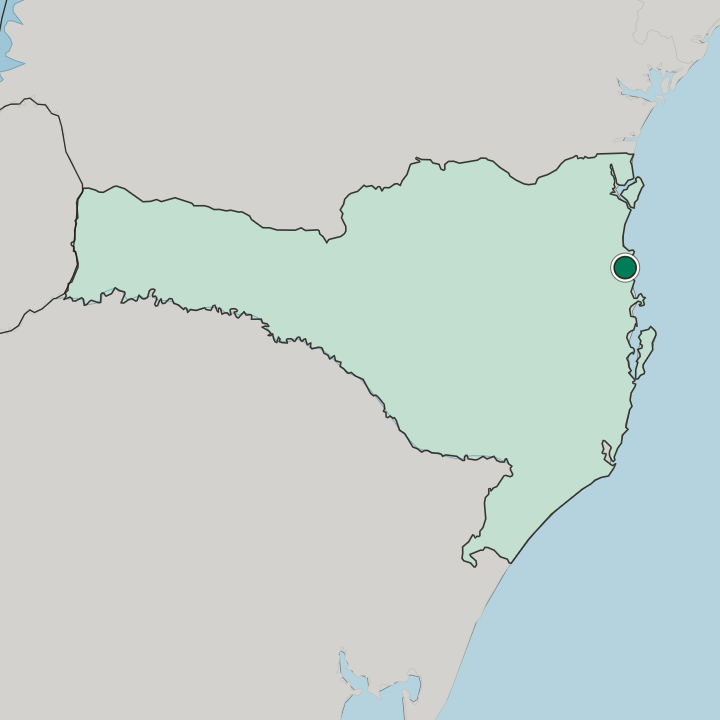
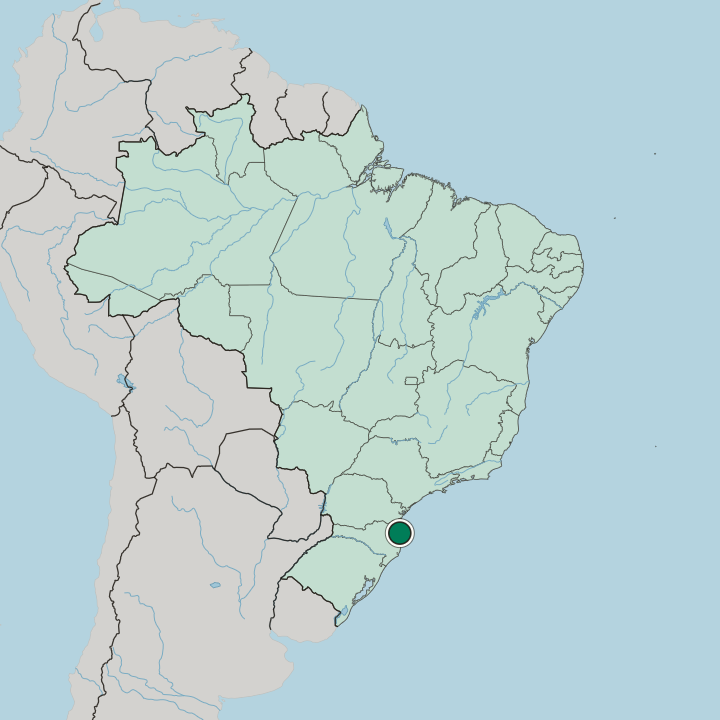
Itajaí occupies the right bank at the mouth of the Itajaí-Açu, on the northern central coast of Santa Catarina, and the Vale do Itajaí runs inland behind it. The ground is low. Some 289 square kilometres belong to the município, coast and river bank together, with Bico do Papagaio among the sights the town lists.
What is the climate of Itajaí?
The sea keeps the edges of the year close together. A coastal site at the mouth of the Itajaí-Açu means the subtropical seasons of the southern hemisphere arrive damp rather than sharp, with the warm months around the turn of the year and the cool ones in the middle. Indoor days are easy.
The Museu Histórico de Itajaí, the Museu Etno-Arqueológico de Itajaí and the Casa da Cultura Dide Brandão sit close enough together to fill one, and the Igreja Matriz do Santíssimo Sacramento is on the same walk.
How do you get to Itajaí?
The river mouth is the reason for the town's traffic, and the Antigo Prédio da Fiscalização dos Portos is the building that once policed it. Land routes follow the valley. The Vale do Itajaí leads inland from the coast of Santa Catarina, so arrivals from the interior come down it, while the shore itself carries the traffic between Itajaí and the towns along the northern central coast.
Common questions
What is the best area to stay in Itajaí?
Rua Pedro Ferreira and Rua Samuel Heusi: Walkers who want the listed corner house and Casa Konder on one block. The Mercado and Palácio blocks: Stays between the Antigo Mercado Público and the Palácio Marcos Konder. The Itajaí-Açu shore: Visitors here for the river mouth and the coast rather than the museums. The outer município: Drivers arriving down the Vale do Itajaí who want parking at the door.
Good for
More cities in Santa Catarina
Updated October 2026