Brazil · Santa Catarina
Where to Stay in Lages, Santa Catarina
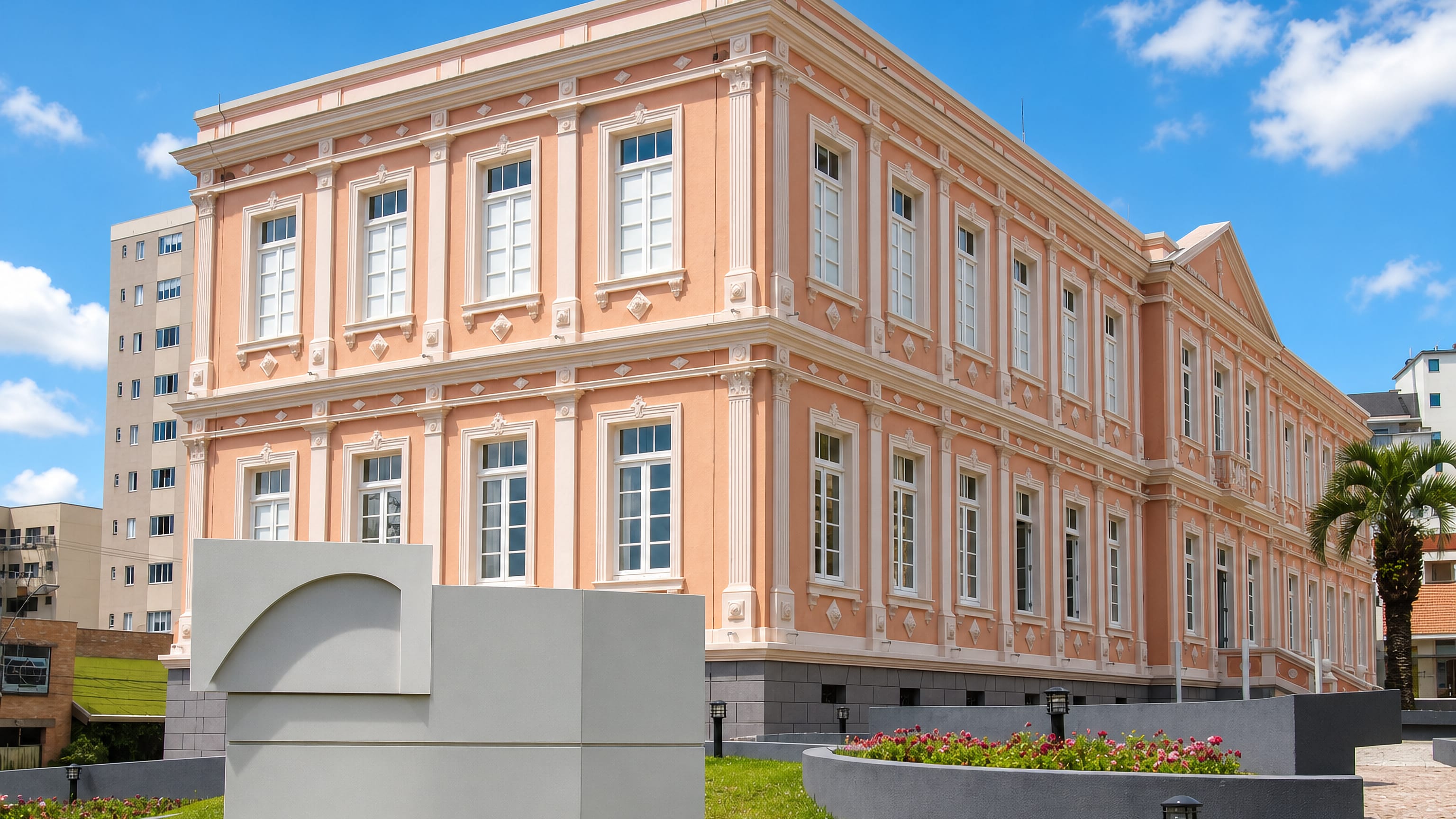
Lages spreads across the Planalto Serrano in central Santa Catarina, known as Brazil's national capital of rural tourism. Founded in 1766.
Hotel links are affiliate links: booking through them may earn us a commission, at no extra cost to you. It never affects how places are ranked. How this works


Where to stay in Lages
Where visitors usually base themselves, and why.
Praça João Ribeiro is the obvious base. Rooms on the streets around it leave the Catedral Diocesana, the Cine Teatro Tamoio, and the Museu Histórico Thiago de Castro inside a short walk, which is the whole of what most visitors want from the town centre. Everything else needs wheels.
The centre also fills fastest in June, when the festival brings people up onto the plateau. Farm stays are the local speciality. Rural tourism built the town's name, so beds on the estates out across the Planalto Serrano come with land attached, and Fazenda Cajurú shows the kind of property the tradition grew out of.
Walkability is the trade. It suits you if pasture, quiet, and long views matter more than a walkable centre. A third option sits between the two.
Blocks near Palacete Gamborgi and Casarão Juca Antunes hold quieter streets within reach of the centre, and parking there is easier than around the cathedral without putting the evening out of range. Winter nights are cold up here. Heating is worth checking before booking in June, and so is the drive out if the plan involves an estate rather than a hotel.
Find hotels in Lages
Direct booking searches for these neighbourhoods.
Praça João Ribeiro centre
The cathedral, the Cine Teatro Tamoio and the Museu Histórico Thiago de Castro all stand within a few blocks of the square.Find hotels in Praça João Ribeiro centreFarm stays out on the Planalto SerranoPlanalto Serrano estates
Rural tourism made the plateau's estates the local speciality, with land around the room and Fazenda Cajurú as the model.Find hotels in Planalto Serrano estatesQuieter blocks near Palacete Gamborgi with easier parkingPalacete Gamborgi streets
Listed houses such as Casarão Juca Antunes line calm streets that keep the Lages centre within an evening's walk.Find hotels in Palacete Gamborgi streetsHotel links are affiliate links: booking through them may earn us a commission, at no extra cost to you. It never affects how places are ranked. How this works
About Lages
Ranching gave the town its calling card.
What is Lages known for?
Farm stays across the Planalto Serrano brought Lages the title of national capital of rural tourism, and a June festival fills the coldest weeks of the year with the traditions the plateau's farms left behind. Fazenda Cajurú stands for that older estate life. The town's own record sits indoors, at the Museu Histórico Thiago de Castro and the Museu Malinverni Filho.
Films once ran at the Cine Teatro Tamoio.
What are the main landmarks in Lages?
The Catedral Diocesana fixes the centre. Around it the listed frontages run in a tight circuit that a visitor can walk between museums, taking in Palacete Gamborgi, Casarão Juca Antunes, and the shopfronts of Casa União without crossing much ground. Two museums do the explaining.
Museu Histórico Thiago de Castro covers the town; Museu Malinverni Filho keeps a separate collection. Cine Teatro Tamoio stands among them.
What is the history of Lages?
The town dates from 1766. Settlement on the Planalto Serrano turned the high plateau into working country, and the estates that followed left Fazenda Cajurú, a scatter of protected houses, and street names that the heritage list still records. Farms held the ground long before the grid did.
Religious orders came early. Conventinho Frei Rogério and the Igreja e Convento Franciscano São José do Patrocínio remain standing, and the Catedral Diocesana holds the centre. Schooling and civic building came next, and the names on them repeat: Grupo Escolar Vidal Ramos, Colégio Santa Rosa de Lima, the Escola Evangélica e Igreja Presbiteriana, and the Antigo Fórum Nereu Ramos all carry the heritage listing.
Wealth built to match. Palacete Gamborgi and Casarão Juca Antunes show what the estate families put up once the plateau economy paid, while Casa União and the Prefeitura Municipal mark the commercial and administrative side of the same decades. The Cine Teatro Tamoio brought film.
Praça João Ribeiro keeps a protected corner with Rua Benjamin Constant, and a second listed frontage stands along Rua Hercílio Luz. Memorial Nereu Ramos and the Museu Histórico Thiago de Castro hold what the buildings cannot.
Where is Lages?
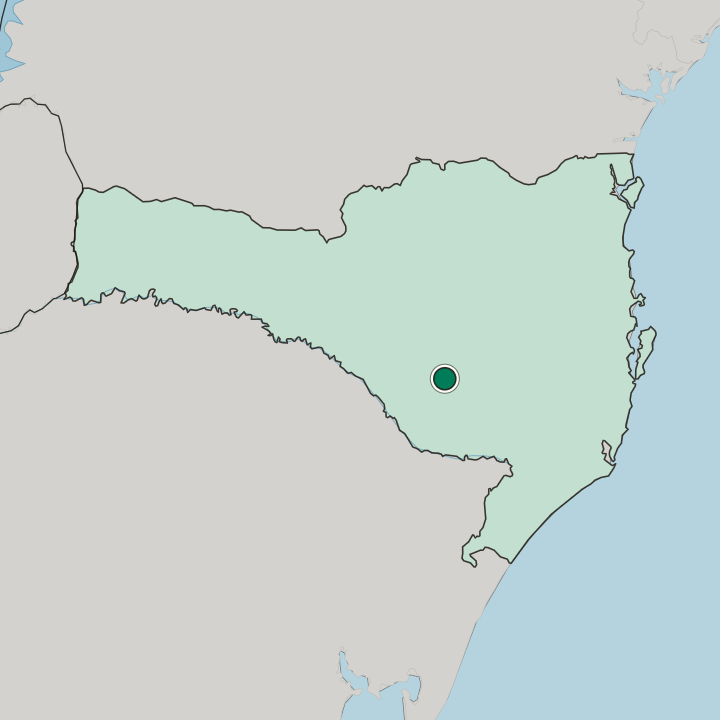
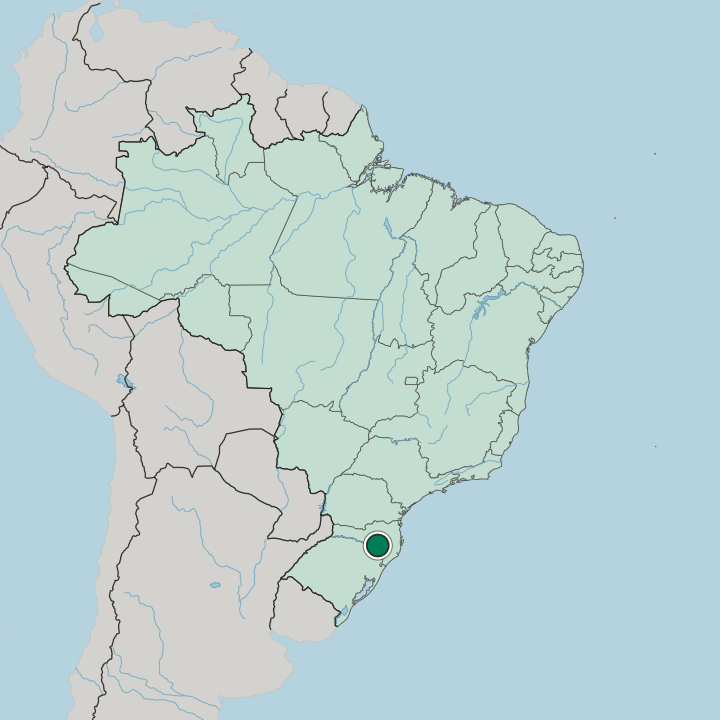
The plateau sets the terms. Lages occupies the Planalto Serrano in the central part of Santa Catarina, high ground well back from the coast, and the plateau around it carries more pasture and open country than street. Altitude explains the rest.
Cold air pools here in a way it never does lower down.
What is the climate of Lages?
Height does what distance cannot. The Planalto Serrano lifts Lages above the warm belt that covers coastal Santa Catarina, so the subtropical band delivers a far cooler year here than the same band gives towns at sea level. Winter arrives in June.
That is when the festival fills the town, and the cold is part of what visitors come up the plateau to feel.
How do you get to Lages?
Roads deliver everything here. Reaching Lages means climbing from the lower country onto the Planalto Serrano, and the change in air is obvious well before the first streets appear. Central Santa Catarina puts the town on the routes that cross the state.
Distances inside the municipality are long, since the boundary encloses far more pasture than town, and Fazenda Cajurú lies well beyond walking range.
Common questions
What is the best area to stay in Lages?
Praça João Ribeiro centre: Walking from Praça João Ribeiro to the Catedral Diocesana. Planalto Serrano estates: Farm stays out on the Planalto Serrano. Palacete Gamborgi streets: Quieter blocks near Palacete Gamborgi with easier parking.
Good for
More cities in Santa Catarina
Updated September 2026