Canada · Ontario
Where to Stay in Ottawa, Ontario
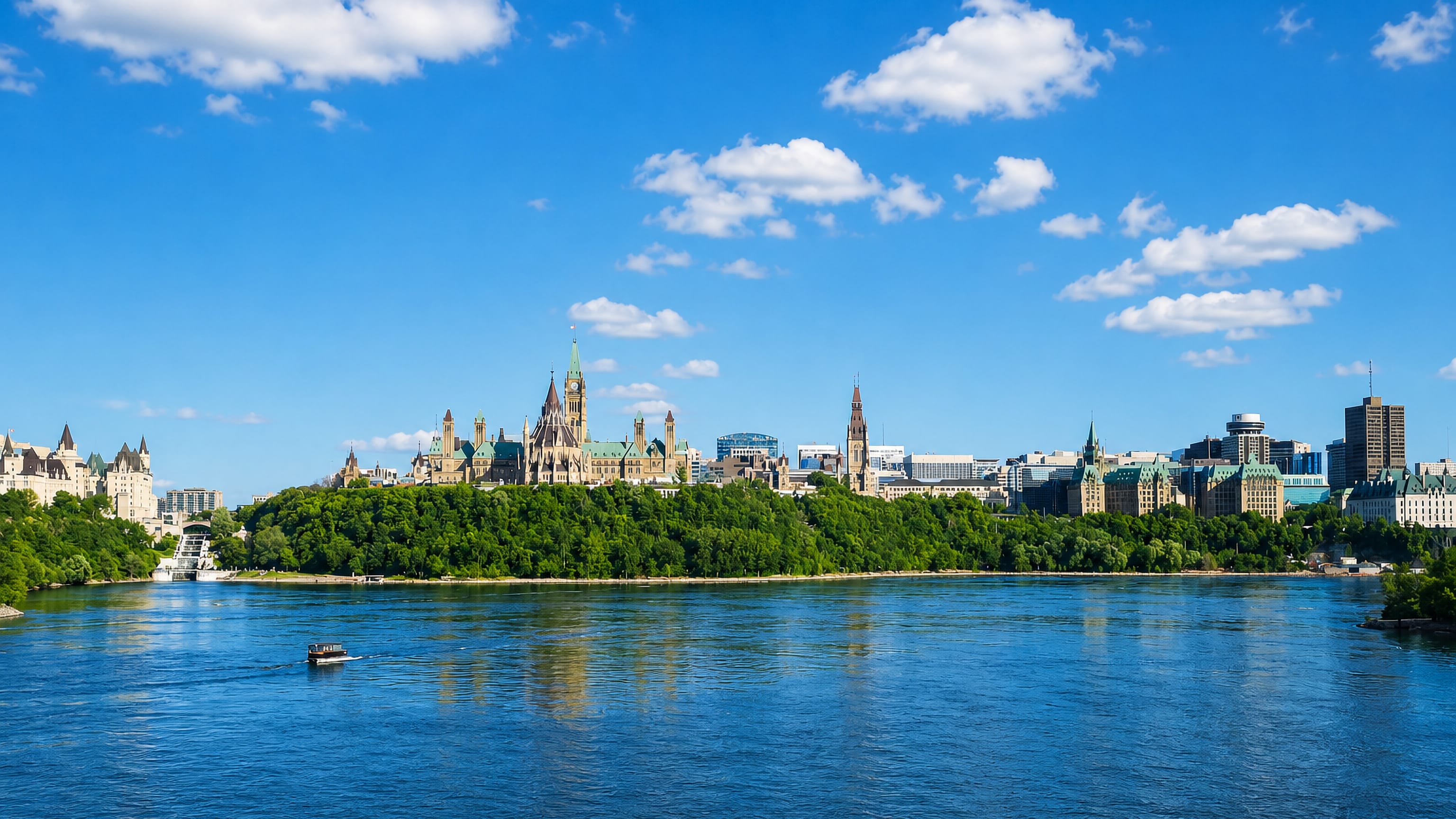
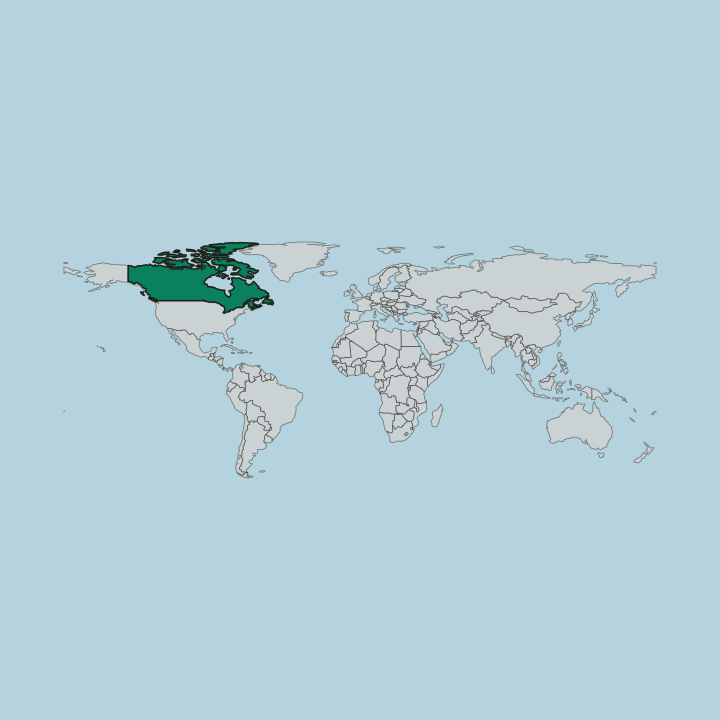
Ottawa is Canada's capital, at the confluence of the Ottawa River and the Rideau River in southeastern Ontario, known for Parliament Hill.
Hotel links are affiliate links: booking through them may earn us a commission, at no extra cost to you. It never affects how places are ranked. How this works


Where to stay in Ottawa
Each area has its own feel; here's who each one suits.
 OttawaCanadaParliament Hill and the national museums
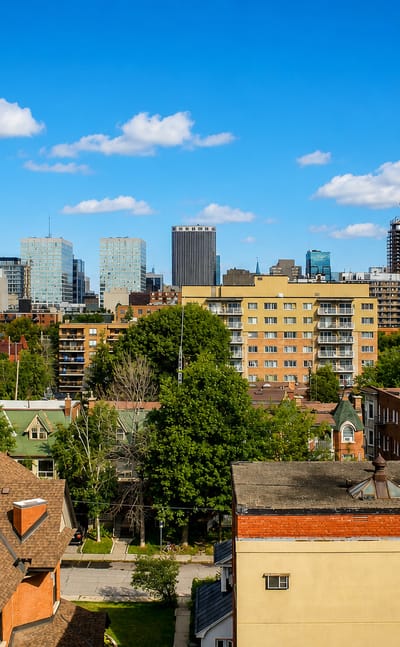
Centretown
The downtown core of Ottawa, Centretown runs up to Parliament Hill and puts the National Gallery of Canada and the run of national museums within walking reach.Centretown → OttawaCanadaa quieter, leafy base south of the government core
The Glebe
A residential quarter below downtown Ottawa, The Glebe keeps Parliament Hill and the national museums within easy reach while trading the government core for calmer, tree-lined streets.The Glebe →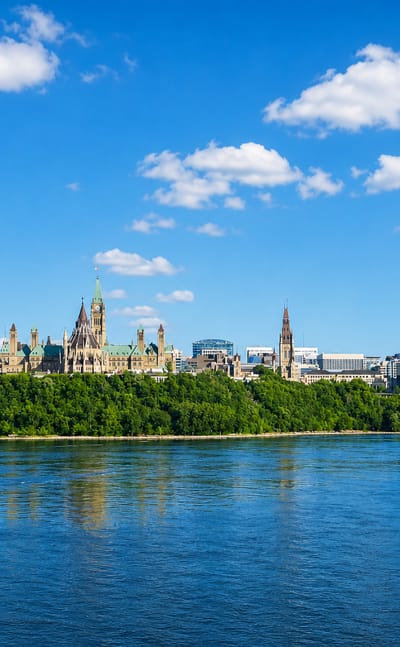 OttawaCanada
Alta Vista
Quiet residential streets run through Alta Vista, a district of Ottawa marked by the heritage Charles Billings House on Pleasant Park Road.Where to stay →OttawaCanadaNepean
Nepean quarries cut the sandstone of Parliament Hill; this Ottawa district lies west of the inner core in Ontario, around Bells Corners and Merivale Road.Where to stay →OttawaCanadaKanata
Rink lights carry over low roofs in Kanata, a district of Ottawa west of the National Capital Commission Greenbelt, built around the Canadian Tire Centre.Where to stay →Hotel links are affiliate links: booking through them may earn us a commission, at no extra cost to you. It never affects how places are ranked. How this works
Things to do in Ottawa
Ranked by global recognition; descriptions from Wikidata (CC0).
Museums & Galleries
3- CFS Carp Heritage
- Canadian War Museum
- Bank of Canada Museum
Churches & Religious Sites
5- St. Andrew's Presbyterian Church Heritage
- Ste-Anne Church, Ottawa Heritage
- First Baptist Church Heritage
- Glebe Community Centre/St. Paul's Methodist Church/St. James' United Church Heritage
- Merivale United Church Heritage
Castles & Historic Sites
3- National Holocaust Monument
- Valiants Memorial
- Peacekeeping Monument
Landmarks & Notable Places
8- 24 Sussex Drive Heritage
- Stornoway Heritage
- Laurier House Heritage
- Earnscliffe Heritage
- Kilmorie house Heritage
Show 3 more →
- 149 Somerset Street West Heritage
- 275 MacLaren Street Heritage
- Cheney House Heritage
worth knowingacross 4 categories in Ottawa
About Ottawa
Ottawa is known above all as the capital of Canada.
What is Ottawa known for?
Parliament Hill stands over the Ottawa River at its centre, and the city holds the country's national museums, from the National Gallery of Canada to the Canadian War Museum. Government defines it. The fourth-largest city in Canada and the second-largest in Ontario, it draws visitors to its monuments, its galleries and the seat of the national government.
What are the main landmarks in Ottawa?
Ottawa's landmarks are the landmarks of the nation. Parliament Hill and its Peace Tower rise above the Ottawa River, the seat of Canada's federal government and the city's defining sight. The national collections take up much of the rest.
The National Gallery of Canada, the Canadian Museum of History across the river and the Canadian War Museum gather the country's collections, while the National Holocaust Monument and Laurier House mark the capital's civic and political memory.
What is the history of Ottawa?
Ottawa became a city in 1855, beside the Ottawa River. The rivers came first. The settlement grew at the confluence of the Ottawa River and the Rideau River, a junction that made the site a natural point of crossing and trade in southeastern Ontario.
From that river town a capital was made. Ottawa became the capital of Canada, and Parliament Hill rose above the water as the seat of the national government. That choice set the city's course.
As the capital, Ottawa drew the institutions of the country to its centre, the museums, monuments and offices that still define it, and grew into the fourth-largest city in Canada and the second-largest in Ontario. The government shaped everything that followed. What began as a river settlement became the political heart of the nation, its skyline marked by the Peace Tower above the Ottawa River.
The rivers that started it still run through the capital.
Where is Ottawa?
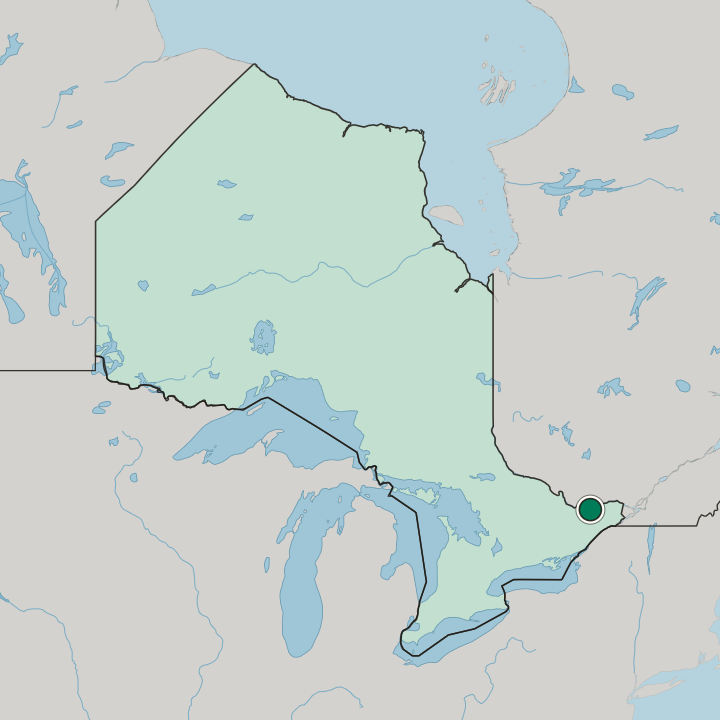
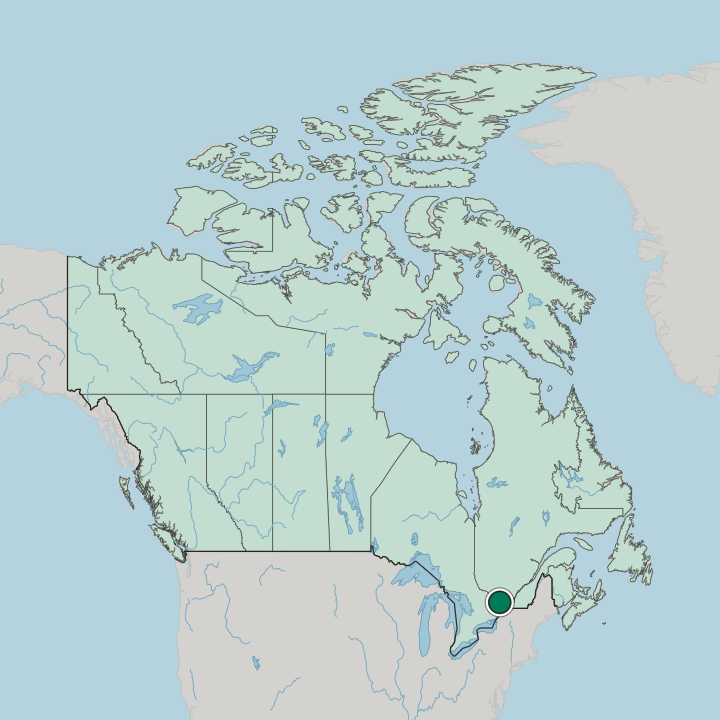
Ottawa lies in southeastern Ontario, at the confluence of the Ottawa River and the Rideau River. Water frames the city. The Ottawa River forms its northern edge and the boundary with Quebec, where Gatineau faces it across the water, the two cities together making up the National Capital Region.
Rivers run through the centre. It sits on the border between Ontario and Quebec, at the heart of the wider capital region.
What is the climate of Ottawa?
Ottawa has a temperate, continental climate with a wide seasonal swing. Ottawa's winters bring hard frost and heavy snow. Inland in southeastern Ontario, far from any sea, the city sees deep cold that freezes the Rideau River each winter and warm, humid summers in the months between.
Ottawa swings hard from one season to the next. Spring and autumn pass quickly on either side of the extremes.
How do you get to Ottawa?
Most visitors fly into Ottawa, the usual way to reach the national capital. Flights land near the city. From the centre, road and rail run across southeastern Ontario and over the Ottawa River into Gatineau and Quebec, tying the capital to the country on both banks.
Bridges cross the river. The capital sits within easy reach of the wider region around it.
Common questions
What is the best area to stay in Ottawa?
Centretown: Parliament Hill and the national museums. The Glebe: a quieter, leafy base south of the government core.
Good for
More cities in Ontario
Updated October 2026