Germany · Baden-Württemberg
Where to Stay in Baden-Baden, Baden-Württemberg
Warm springs rise beneath Baden-Baden, a spa town on the river Oos in Baden-Württemberg, known for its Roman bath ruins and the Museum Frieder Burda.
Hotel links are affiliate links: booking through them may earn us a commission, at no extra cost to you. It never affects how places are ranked. How this works


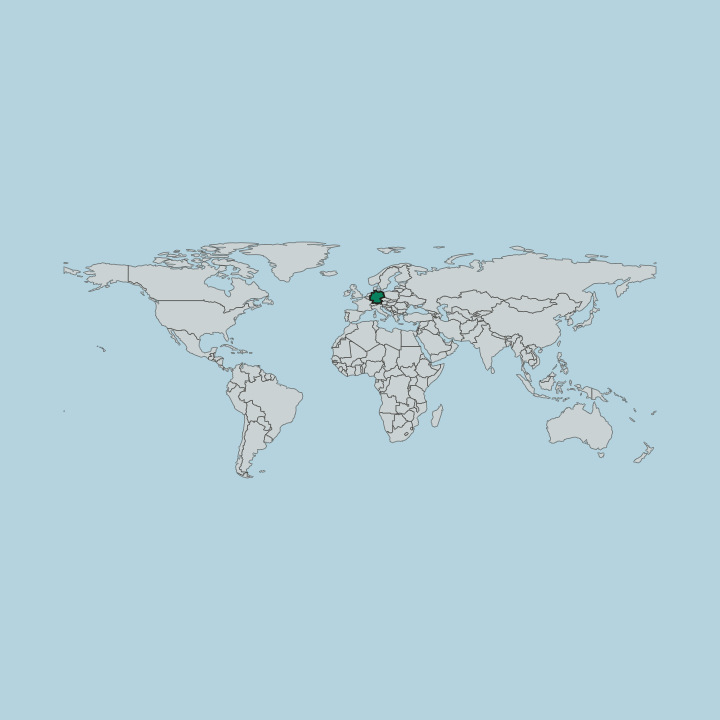
Where to stay in Baden-Baden
How the choice of base plays out on the ground.
Baden-Baden gathers its lodging along the river Oos, and the choice runs from the spa quarter to the wooded slopes above it. The old town on the valley floor holds the springs, the Roman bath ruins, and the Stiftskirche within a short walk, and staying here puts the galleries and the drinking hall at your door. It is the base for a first visit.
Villas climb the slopes on either side, where quieter houses look down over the Oos toward the hills, best if you want green calm and do not mind the walk back down for dinner. The Lichtental quarter, upstream toward the abbey where Brahms once lodged at the Brahms House, keeps a village feel along the river and suits travellers after a slower, leafier stay away from the resort crowds. Higher still, the wooded flank below the Merkur observation tower offers the quietest rooms, though you will want the funicular or a car for the town below.
The heights stay peaceful. Couples and spa-goers tend to settle near the baths themselves; walkers and slower travellers do better up the valley toward Lichtental and the Black Forest paths. Weigh the springs against the slopes.
Things to do in Baden-Baden
Ranked by global recognition; descriptions from Wikidata (CC0).
Museums & Galleries
3- Fabergé Museum Heritage
- Staatliche Kunsthalle Baden-Baden Heritage
- Museum Frieder Burda
Churches & Religious Sites
8- Stiftskirche Heritage
- Stourdza-Kapelle Heritage
- Klosterschule vom Heiligen Grab Heritage
- Spitalkirche Baden-Baden Heritage
- St. Josef Baden-Baden Heritage
Show 3 more →
- Lutherkirche Baden-Baden-Lichtental Heritage
- Rathaus Baden-Baden Heritage
- St. Bonifatius Baden-Baden-Lichtental Heritage
Castles & Historic Sites
4- Neues Schloss Baden-Baden Heritage
- Roman bath ruins, Baden-Baden Heritage
- Fürstenberg-Denkmal (Baden-Baden) Heritage
- Kaiserin-Augusta-Denkmal (Baden-Baden) Heritage
Landmarks & Notable Places
2- Alt Eberstein Heritage
- Fremersberg Tower
worth knowingacross 4 categories in Baden-Baden
About Baden-Baden
What is Baden-Baden known for?
Baden-Baden is known as a spa town at the edge of the Black Forest, where hot springs have drawn bathers since the Roman bath ruins were first cut into the hill. The waters made its name. Around the springs grew a resort of galleries and villas along the river Oos, and its art now rivals its baths, from the Museum Frieder Burda to the Staatliche Kunsthalle Baden-Baden and the Fabergé Museum.
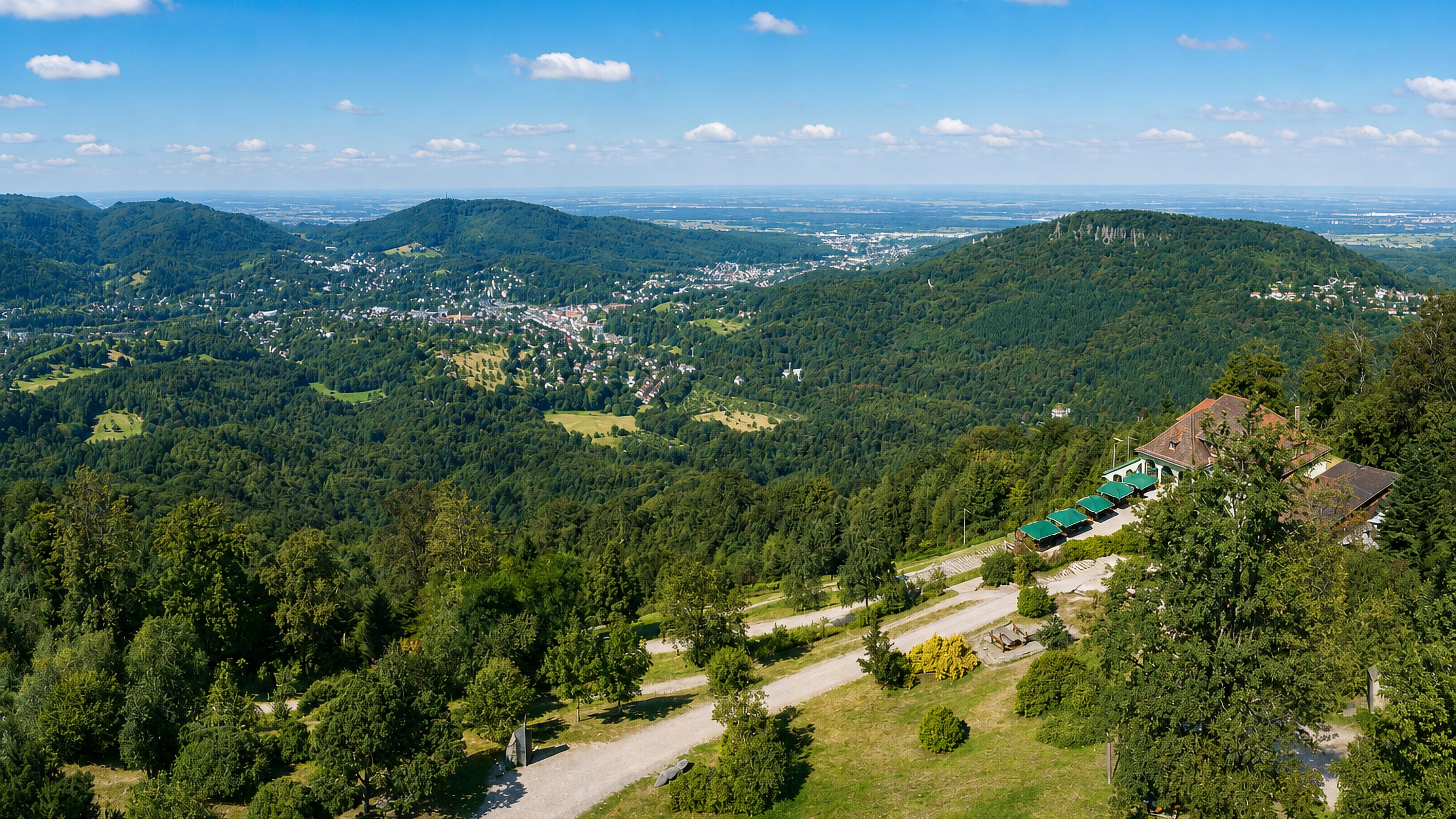
Above the town the Merkur rises over the wooded valley.
What are the main landmarks in Baden-Baden?
Baden-Baden sets its landmarks between the river Oos and the wooded hills. The Roman bath ruins survive beneath the old town, remnants of the springs that first drew settlers, and the Stiftskirche rises over the market above them. Art fills the resort.
The Museum Frieder Burda and the neighbouring Staatliche Kunsthalle Baden-Baden hold modern collections, while the Fabergé Museum and the Stadtmuseum Baden-Baden keep smaller ones. Above the valley the Merkur observation tower and the Fremersberg Tower crown the ridges, and the Neues Schloss looks down from its terrace on the hillside.
What is the history of Baden-Baden?
Baden-Baden began as a Roman spa where hot springs broke from the hillside above the river Oos. The Roman bath ruins under the old town mark that first settlement, cut for soldiers and travellers who came for the warm water long before the resort took its modern shape. The springs never stopped.
Through the medieval centuries the town served the margraves of Baden, whose seat on the hill left the Neues Schloss and whose church, the Stiftskirche, still stands over the market. The waters brought the town its second life. Drawn by the baths and the mild valley air, visitors turned Baden-Baden into a fashionable resort, and villas, galleries, and gardens spread along the Oos below the Black Forest.
Composers and painters came with the crowds. Brahms kept rooms in the Lichtental quarter, now the Brahms House, and the collections that became the Museum Frieder Burda and the Staatliche Kunsthalle Baden-Baden took root in the same era. The Neues Schloss above and the towers on the ridges, the Merkur and the Fremersberg Tower, frame the town the resort left behind.
Baden-Baden remains a spa town of Baden-Württemberg, its name doubled to set it apart from the region of Baden around it.
Where is Baden-Baden?
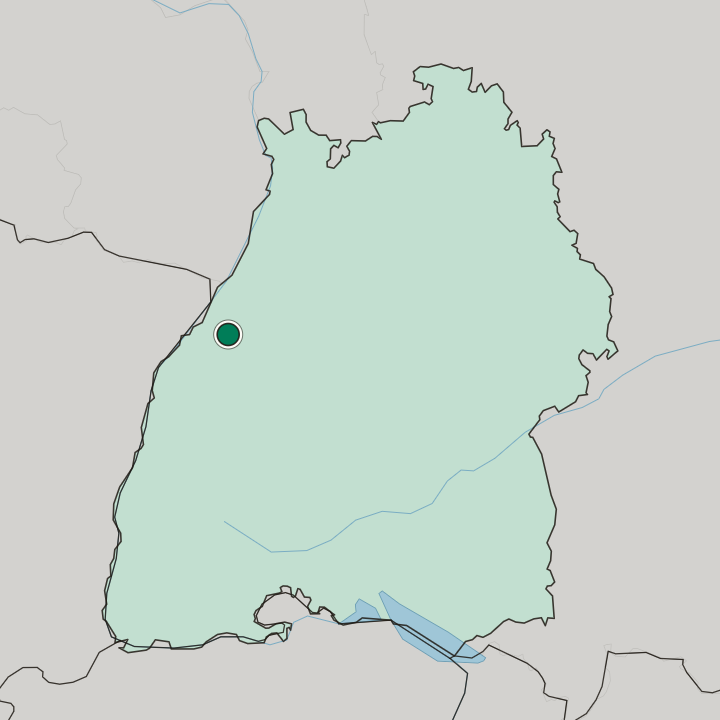
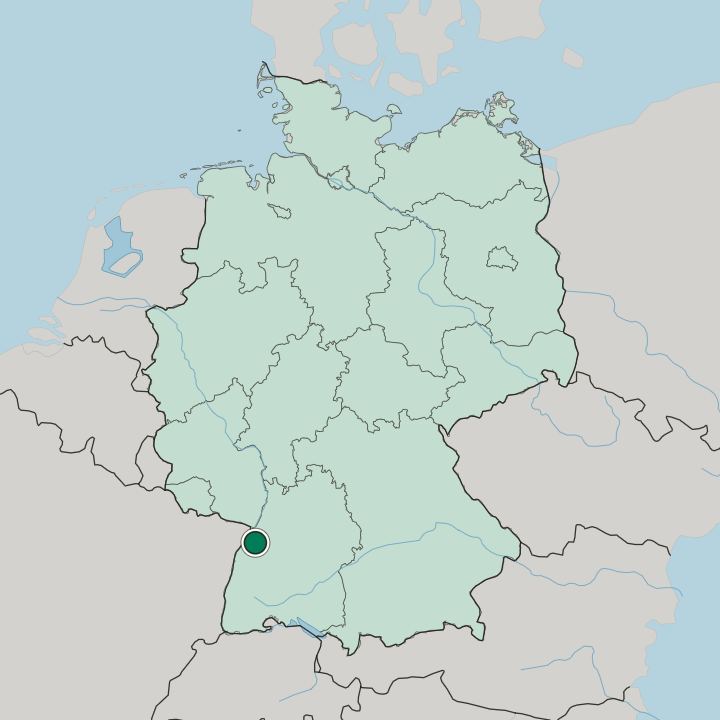
Baden-Baden sits in the valley of the river Oos where it leaves the Black Forest for the Rhine plain, in the state of Baden-Württemberg. Wooded hills close around the town on three sides, rising to the Merkur above the eastern edge, while the valley opens west toward the Rhine and the French border a short way off. The land tilts down to the plain.
Strasbourg lies across the river to the south-west, and the forested ridges that give the region its spa waters run north and south along the mountain front. The springs come from deep in that rock.
What is the climate of Baden-Baden?
Baden-Baden holds a mild climate, sheltered in the Oos valley below the Black Forest. Warm air off the Rhine plain reaches up the valley, so winters stay softer here than on the ridges above, and snow lingers longer on the wooded heights than in the town. Baden-Baden's summers run warm.
Its valley stays leafy and cool. The hills wring rain from the westerly weather, keeping the forests damp and the valley cool through the hottest spells, while spring and autumn draw long spells of settled sun. The mountain front shapes the weather as much as the springs shape the town.
How do you get to Baden-Baden?
Baden-Baden sits on the main Rhine-valley rail and road corridor between the river and the Black Forest. Its station lies out on the plain, west of the old town, with fast trains stopping on the line up the Rhine. A regional airport lies nearby.
Trains run north into the rest of Baden-Württemberg and south toward Strasbourg across the French border, and a bus or short ride links the station to the springs in the valley. The motorway along the Rhine passes close to the west, so the town is an easy reach by car from the plain and the mountain roads alike.
Good for
More cities in Baden-Württemberg
Updated October 2026