Germany · Baden-Württemberg
Where to Stay in Konstanz, Baden-Württemberg
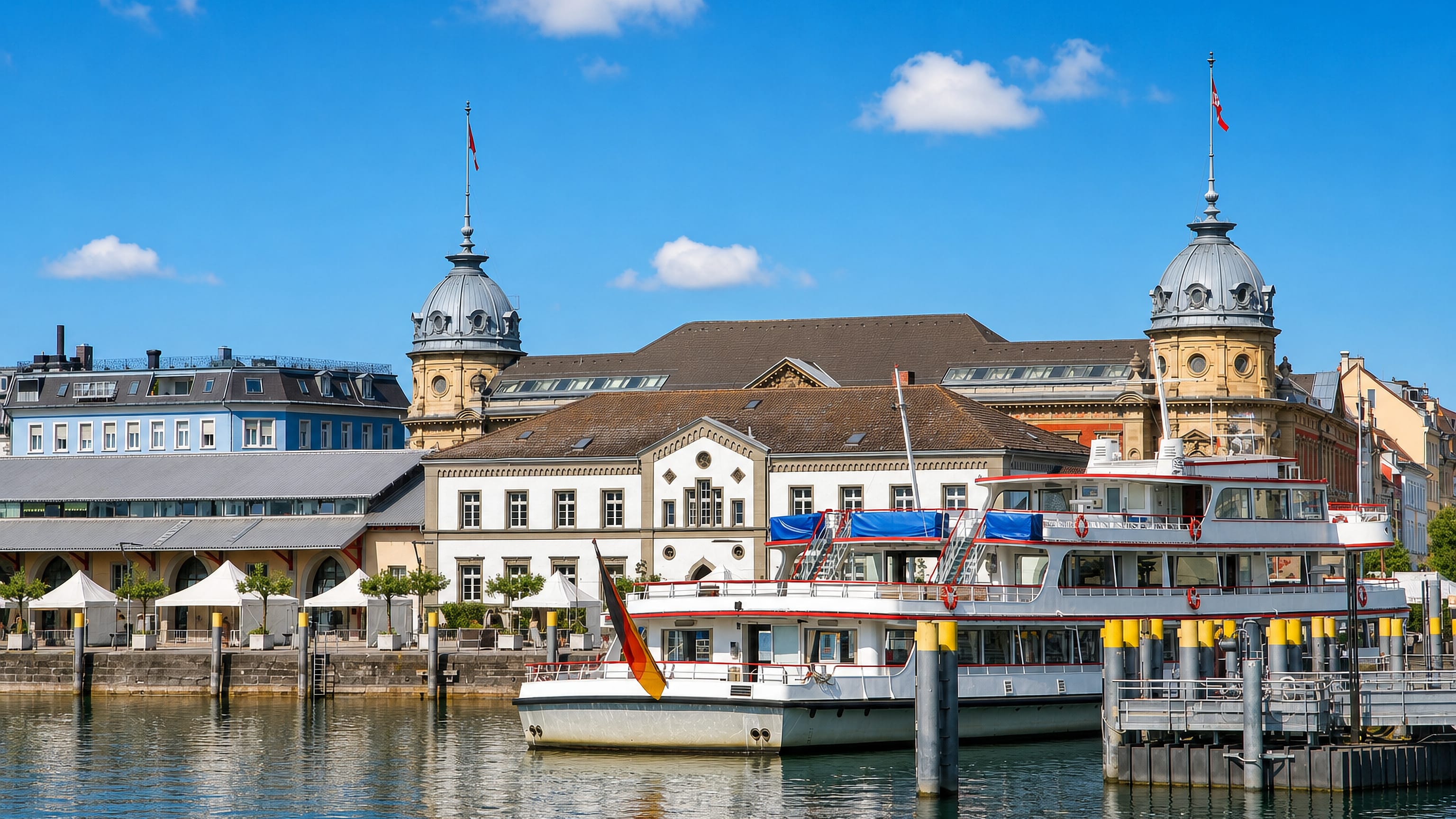
Konstanz, a Große Kreisstadt of Baden-Württemberg, gathers its old quarter around Konstanz Minster and the old houses along Hussenstraße.
Hotel links are affiliate links: booking through them may earn us a commission, at no extra cost to you. It never affects how places are ranked. How this works


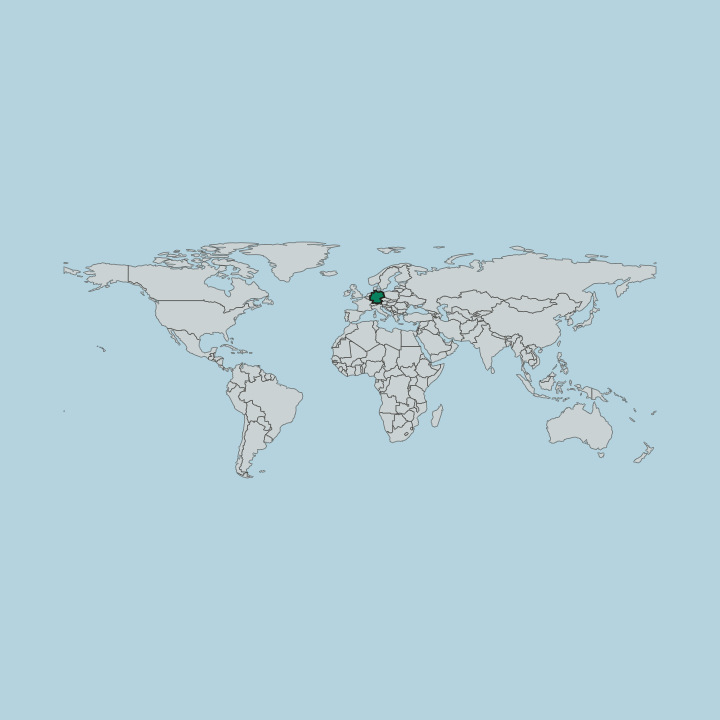
Where to stay in Konstanz
Where you base yourself shapes the visit — here's the character of each area.

 KonstanzGermany
Altstadt
Altstadt is the old-town district of Konstanz, the German term for a historic centre inside the former wall rather than the newer ground beyond it.Where to stay →KonstanzGermanyPetershausen-Ost
Petershausen-Ost is the eastern part of Petershausen, a Konstanz district on the right bank of the Seerhein, opposite the old city centre.Where to stay → KonstanzGermany
Paradies
Paradies is a former village turned quarter of Konstanz, lying west of the Old Town on the southern shore of the Seerhein.Where to stay →KonstanzGermanyAllmannsdorf
Allmannsdorf holds the Otto-Moericke tower and Saint Mary of Help Church, one of the districts that make up the German city of Konstanz.Where to stay →Hotel links are affiliate links: booking through them may earn us a commission, at no extra cost to you. It never affects how places are ranked. How this works
Find hotels in Konstanz
Direct booking searches for these neighbourhoods.
The Minster lanes
Dompropstei, Domherrenhof, and Klaustralhof stand within a few doors of the Minster and the Städtische Wessenberg-GalerieFind hotels in The Minster lanesVisitors tracing Haus zur Dogge and Haus zur weißen Ilge on footHussenstraße and the named houses
Haus zur Sonne, Brückengasse 4, and Konradigasse 35 line the grid running out from HussenstraßeFind hotels in Hussenstraße and the named housesFamilies making an early start at Sea Life KonstanzThe Inselhotel and Sea Life edge
The Inselhotel and the Otto-Moericke tower stand clear of the cathedral lanes, with Kloster Zoffingen between themFind hotels in The Inselhotel and Sea Life edgeHotel links are affiliate links: booking through them may earn us a commission, at no extra cost to you. It never affects how places are ranked. How this works
Things to do in Konstanz
Ranked by global recognition; descriptions from Wikidata (CC0).
Museums & Galleries
3- Archaeological State Museum of Baden-Wuerttemberg
- Rosgartenmuseum
- Hus-Museum Konstanz
Churches & Religious Sites
3- Konstanz Minster Heritage
- St. Stefan
- Trinity Church in Constance
Landmarks & Notable Places
3- The Otto-Moericke tower
- Inselhotel
- Dompropstei (Konstanz)
worth knowingacross 3 categories in Konstanz
About Konstanz
Konstanz Minster sets the measure.
What is Konstanz known for?
Its tower rises over an old quarter where the Rosgartenmuseum, the Städtische Wessenberg-Galerie, and the Archaeological State Museum of Baden-Wuerttemberg put three separate collections within a few minutes of one another. The Hus-Museum Konstanz keeps a harder memory. Sea Life Konstanz pulls families the other way, the Lesehalle keeps the reading indoors, and the Otto-Moericke tower marks the built-up ground from a distance.
What are the main landmarks in Konstanz?
Konstanz Minster dominates every approach. Around it the Dompropstei, the Domherrenhof, and the Klaustralhof preserve the houses that grew up around the Minster, and the Rosgartenmuseum and Städtische Wessenberg-Galerie hold the collections a short walk away. Hus-Museum Konstanz remembers one man.
St. Conrad's Church and St. Stefan carry the older parishes, while Trinity Church in Constance and Kloster Zoffingen stand nearby, and Sea Life Konstanz pulls a different crowd out to the newer streets.
What is the history of Konstanz?
The Minster came first. Konstanz Minster fixed the shape of the town, and the Dompropstei, the Domherrenhof, and the Klaustralhof grew up beside it as the church establishment took the best ground. Kloster Zoffingen held its own walls.
Older layers sit under all of it, which is the ground the Archaeological State Museum of Baden-Wuerttemberg was set here to keep. Rosgartenmuseum tells the civic side. One name recurs: Jan Hus, burned at the stake here in 1415 during the Council of Constance.
Hussenstraße and the Hus-Museum Konstanz carry the same name through the old quarter, where the merchants of the middle ages gave their houses names instead of numbers. Haus zu den fünf Winden is one. Haus zur Sonne, Haus zur Dogge, Haus zur weißen Ilge, and Haus zum Salmen are the others still standing, with the Fürstenberger Hof among them and Hussenstraße 10 keeping a plain address.
Konradigasse 35 and Brückengasse 4 belong to that same fabric. Later centuries added St. Conrad's Church, Trinity Church in Constance, and the Lesehalle, then the Otto-Moericke tower rose over the newer ground and Sea Life Konstanz and the Inselhotel took visitors somewhere the medieval town never went.
Where is Konstanz?
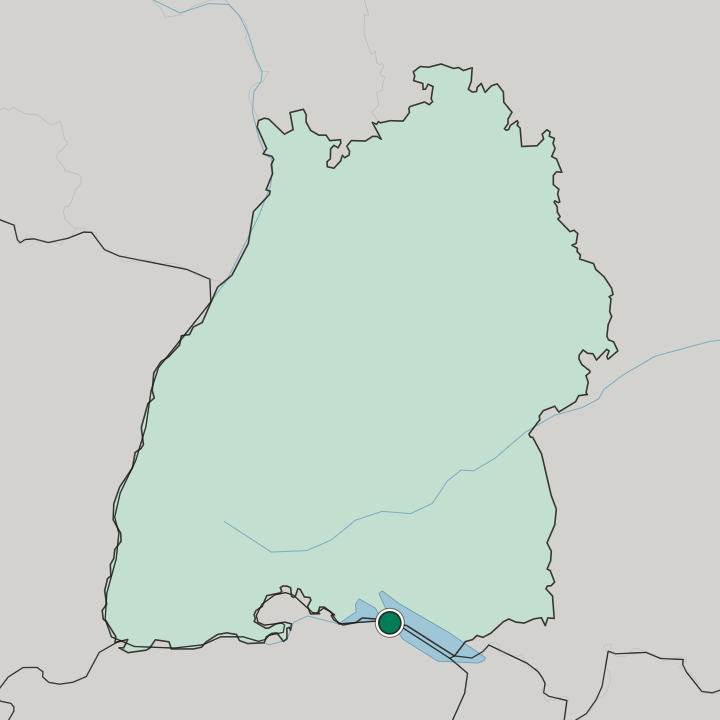
Konstanz keeps a small footprint. The old quarter is dense: Hussenstraße, Konradigasse, and Brückengasse thread between houses that stand shoulder to shoulder, and Konstanz Minster rises out of the middle of that block. Newer ground lies beyond it.
The Otto-Moericke tower and Sea Life Konstanz sit out where the streets open up, and Kloster Zoffingen marks the older edge of the built fabric. Baden-Württemberg surrounds the whole of it, well inside the temperate band.
What is the climate of Konstanz?
Damp air is the default. Cloud sits over Konstanz for much of the cold half of the year, and the summer heat that does arrive rarely lasts long enough to empty the streets around Konstanz Minster. Rain falls in most months.
Hussenstraße and Konradigasse hold shade when the sun is out and shelter when it is not, while the open ground by the Otto-Moericke tower gets the wind first.
How do you get to Konstanz?
Arrival lands close to everything. The old quarter is small enough that a visitor reaching Konstanz can walk from the first street corner to Konstanz Minster without needing a map, and Hussenstraße carries most of that traffic on foot. Cars stop short of it.
Konradigasse and Brückengasse keep the width of alleys, so the parking sits out near the Otto-Moericke tower and Sea Life Konstanz. Kloster Zoffingen marks the halfway point back in.
Common questions
What is the best area to stay in Konstanz?
The Minster lanes: Guests who want Konstanz Minster and the Rosgartenmuseum on one walk. Hussenstraße and the named houses: Visitors tracing Haus zur Dogge and Haus zur weißen Ilge on foot. The Inselhotel and Sea Life edge: Families making an early start at Sea Life Konstanz.
Good for
More cities in Baden-Württemberg
Updated October 2026