Germany · Baden-Württemberg
Where to Stay in Rastatt, Baden-Württemberg
Rastatt is a Baroque residence town on the Murg in Baden-Württemberg, rebuilt around Schloss Rastatt after French troops burned it in 1689.
Hotel links are affiliate links: booking through them may earn us a commission, at no extra cost to you. It never affects how places are ranked. How this works


Where to stay in Rastatt
One neighbourhood here has its own guide — here's what it is best for.
 RastattGermanya quiet residential base
Rheinau
A newer quarter northwest of the centre with its own churches and few rooms. Lodging is scarce in this area; reserve in advance.Rheinau →Hotel links are affiliate links: booking through them may earn us a commission, at no extra cost to you. It never affects how places are ranked. How this works
Find hotels in Rastatt
Direct booking searches for these neighbourhoods.
The Baroque centre
Schloss Rastatt, the Marktplatz and the town museums sit within a few minutes of each other.Find hotels in The Baroque centrerail days into the Black Forest and to KarlsruheAround the station
Stadtbahn, regional and long-distance trains stop here, and the Murg Valley Railway starts here.Find hotels in Around the stationHotel links are affiliate links: booking through them may earn us a commission, at no extra cost to you. It never affects how places are ranked. How this works
About Rastatt
Schloss Rastatt is the reason.
What is Rastatt known for?
Margrave Louis William rebuilt the town around it after 1689, and it stayed the residence of the Margraves of Baden-Baden until 1771, which left Rastatt the Baroque core it still has. Peace was signed here too. The Treaty of Rastatt ended the War of the Spanish Succession in 1714, and in 1849 the Baden Revolution made its last stand in the Fortress of Rastatt, a story the Erinnerungsstätte für die Freiheitsbewegungen in der deutschen Geschichte tells inside the palace.
Cars are the modern trade, with a Mercedes-Benz plant building them here since 1992.
What are the main landmarks in Rastatt?
Schloss Rastatt heads the list, with the Schlosskirche beside it. Two museums share the palace. The Wehrgeschichtliches Museum Rastatt covers military history, while the Erinnerungsstätte für die Freiheitsbewegungen in der deutschen Geschichte follows the freedom movements of German history.
The town centre adds the Alexanderkirche of 1756 on the Marktplatz, the Evangelische Stadtkirche, the Stadtmuseum Rastatt and the Städtische Galerie Fruchthalle. Schloss Favorite stands outside the core, in the Niederbühl district.
What is the history of Rastatt?
French troops burned Rastatt on 24 August 1689, in the Nine Years' War, and almost nothing survived. Rebuilding made the town. From 1697 Margrave Louis William, known as Türkenlouis for his command in the Great Turkish War, raised a hunting lodge here and in 1699 ordered it turned into a residence, Schloss Rastatt, and around 1700 the place received its town charter.
It stayed the seat of the Margraves of Baden-Baden until 1771, when the territory passed to Baden-Durlach. Diplomacy followed. The Treaty of Rastatt ended the War of the Spanish Succession in 1714, and a second congress collapsed in 1799.
The 1840s brought walls. Rastatt became a federal fortress of the German Confederation, and on 11 May 1849 a mutiny there opened the last rising of the Baden Revolution, which ended with the surrender of the fortress on 23 July. The fortifications came down in 1890.
After the Second World War a French military tribunal held the Rastatt Trials here, and in 1992 Mercedes-Benz opened its car plant.
Where is Rastatt?
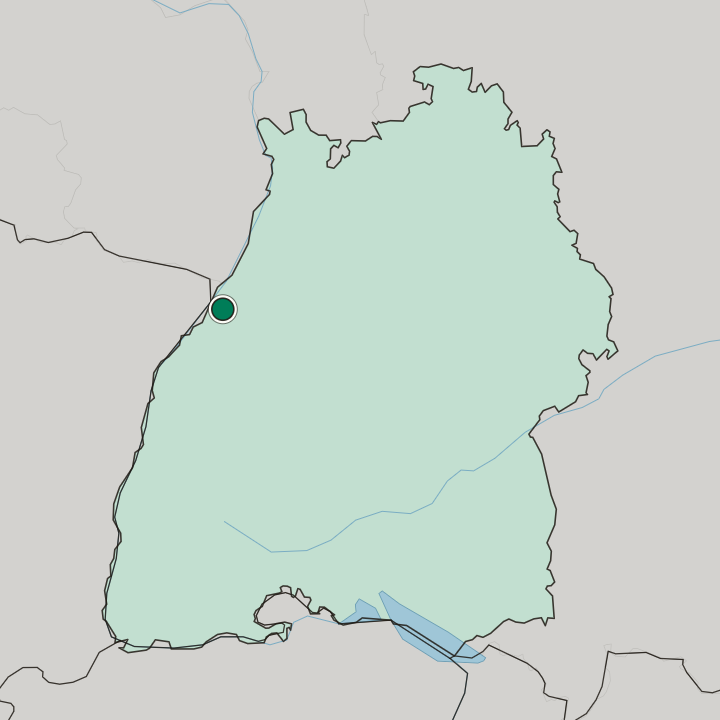
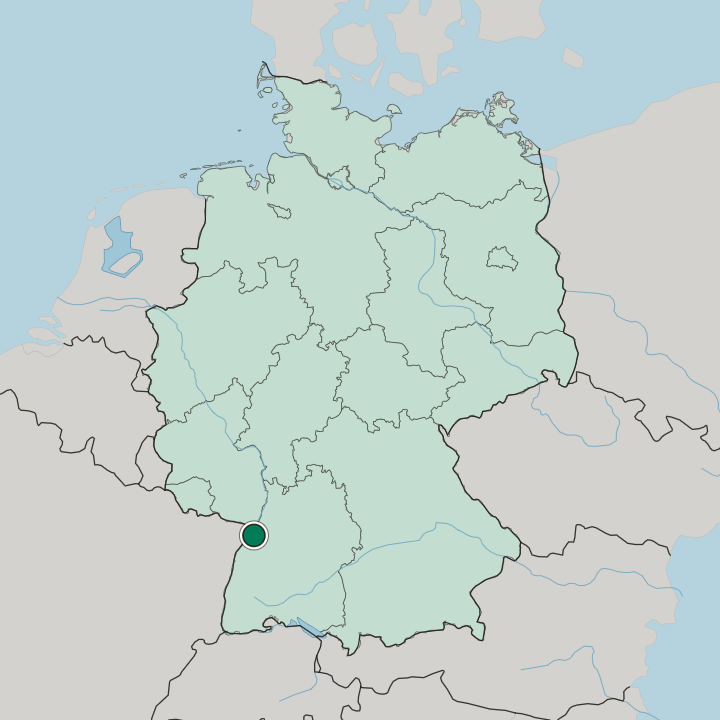
Rastatt lies in the Upper Rhine Plain on the Murg, six kilometres above its junction with the Rhine, which forms the town's western boundary and the border with France. The Black Forest rises to the east. Around the core town lie Niederbühl, Ottersdorf, Plittersdorf, Rauental and Wintersdorf, villages joined to Rastatt in the 1970s, and the three beside the Rhine are known together as the Ried.
Common questions
What is the best area to stay in Rastatt?
The Baroque centre: the palace and museums on foot. Around the station: rail days into the Black Forest and to Karlsruhe. Rheinau: a quiet residential base.
More cities in Baden-Württemberg
Updated October 2026