Denmark · Region Hovedstaden
Where to Stay in Vallensbæk, Region Hovedstaden
Vallensbæk is a seaside suburb west of Copenhagen, split between an inland north and a beach-park south on Køge Bay.
Hotel links are affiliate links: booking through them may earn us a commission, at no extra cost to you. It never affects how places are ranked. How this works


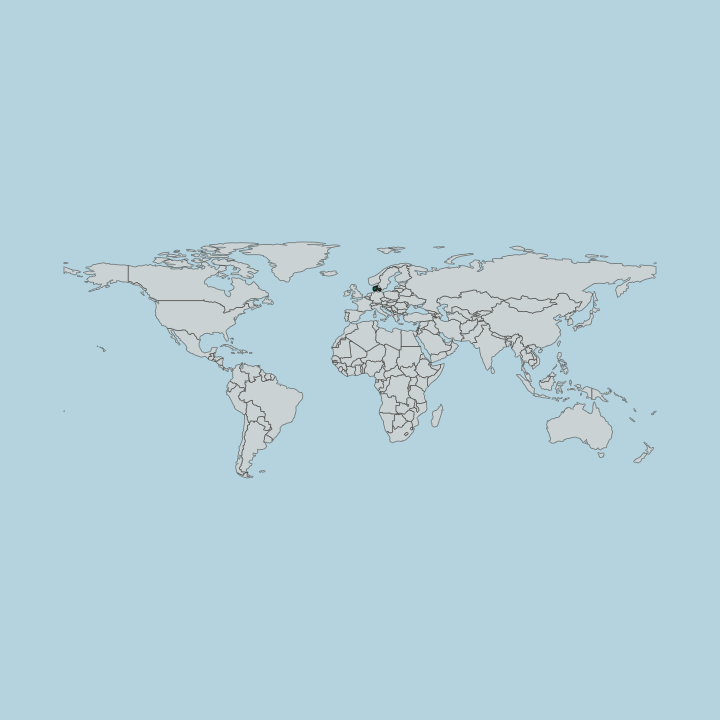
Where to stay in Vallensbæk
The practical side of choosing where to sleep.
Vallensbæk splits its beds across two halves of one small town. The southern half, Vallensbæk Strand, faces the water along the Køge Bay Beach Park, where the marina and lagoons line the coast and a few holiday apartments and a marina hotel take in summer visitors. It suits you if a morning by Køge Bay matters more than a city address, with the S-train carrying you into central Copenhagen in well under half an hour.
The water is the draw. The northern half, Vallensbæk Nordmark, sits inland among quieter residential streets around the old village and Vallensbæk Kirke, away from the beach traffic. Few rooms cluster in either part, so many visitors treat the suburb as a coastal base and reserve heavily in the warm bathing months.
Need more choice? Travellers often stay one stop along the line in Brøndby or Ishøj, where the Arken art museum stands, and ride the train down to the strand.
Find hotels in Vallensbæk
Direct booking searches for these neighbourhoods.
Vallensbæk Strand
marina, lagoons and the beach-park strand on the suburb's southern coast. Beds are limited here, so book early.Find hotels in Vallensbæk Strandthe quiet inland villageVallensbæk Nordmark
residential streets around medieval Vallensbæk Kirke, set back from the bay. Rooms are few around here — worth securing early.Find hotels in Vallensbæk Nordmarkart and onward bedsIshøj
next stop on the line, home to the Arken museum on the same Køge Bay shoreFind hotels in IshøjHotel links are affiliate links: booking through them may earn us a commission, at no extra cost to you. It never affects how places are ranked. How this works
About Vallensbæk
Vallensbæk is known for its waterfront.
What is Vallensbæk known for?
The Køge Bay Beach Park runs the length of the suburb's southern edge, a long man-made strand of lagoons and marina built out into Køge Bay. Vallensbæk Strand grew up around it. Inland sits Vallensbæk Nordmark, a separate residential half of the town reached only by a roundabout route, and the medieval Vallensbæk Kirke marks the old village core.
Together the two halves make one of the smallest municipalities in Denmark.
What are the main landmarks in Vallensbæk?
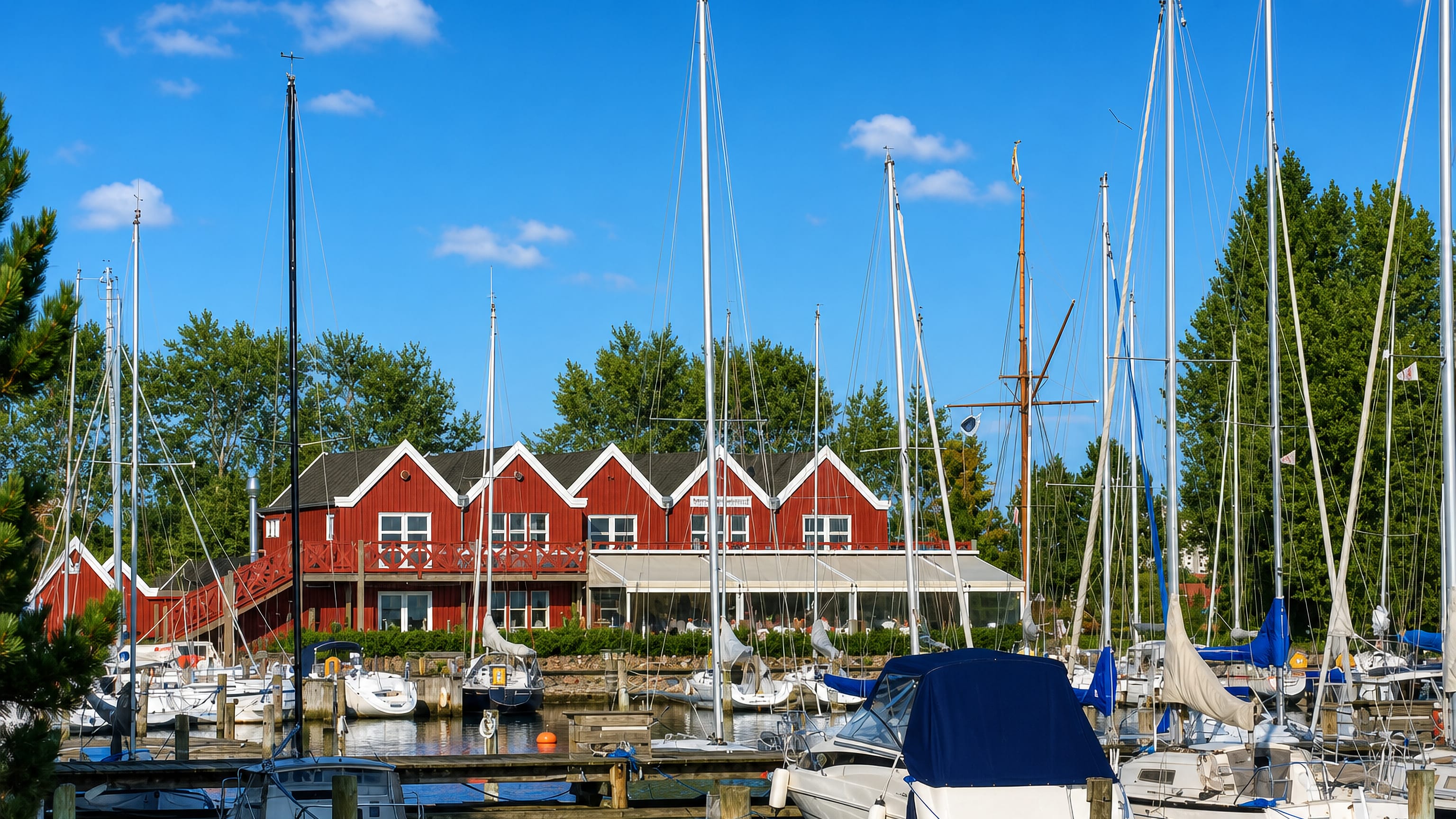
The Køge Bay Beach Park is Vallensbæk's defining landmark, an engineered coast of lagoons, dunes and a marina shared along the bay. Boats fill the harbour in summer. Inland, the whitewashed Vallensbæk Kirke has watched over the old village since the Middle Ages, while the manor grounds of Ragnesminde sit nearby in the green belt.
Just down the shore at Ishøj stands the Arken Museum of Modern Art, and the towering steel figures of The Six Forgotten Giants are hidden in the wider landscape around Køge Bay for walkers and cyclists to find.
What is the history of Vallensbæk?
Vallensbæk began as a farming parish. For centuries it was a small inland village gathered around Vallensbæk Kirke, a whitewashed medieval church on the flat farmland west of Copenhagen, far enough from the capital to stay rural while the city grew. The land sloped down to a low, marshy coast on Køge Bay.
That coast was long too wet and shallow to build on, so the village kept its fields. The change came with the railway and the city's outward push in the twentieth century, when suburban housing spread across Vallensbæk Nordmark and turned the old parish into a commuter town. Then the sea itself was remade.
From the nineteen seventies the shallow Køge Bay shore was engineered into the Køge Bay Beach Park, a chain of artificial lagoons, dunes and marinas, and the new district of Vallensbæk Strand rose behind this manufactured coast. The two halves still sit apart, divided by motorway and rail, joined only by the single name they share.
Where is Vallensbæk?
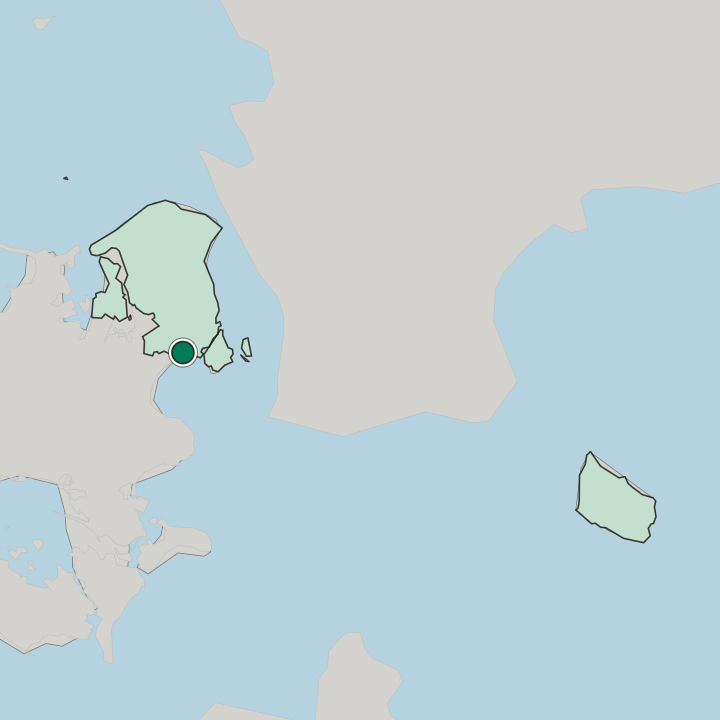
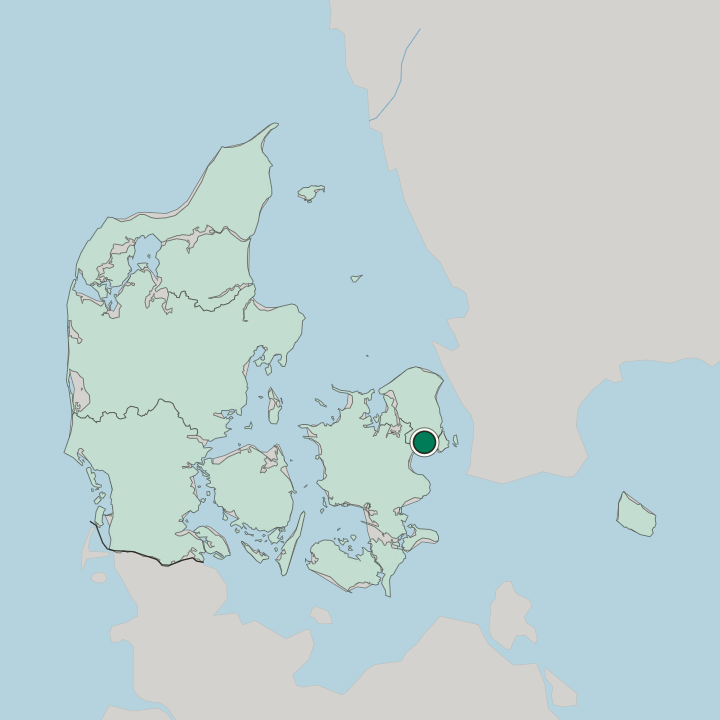
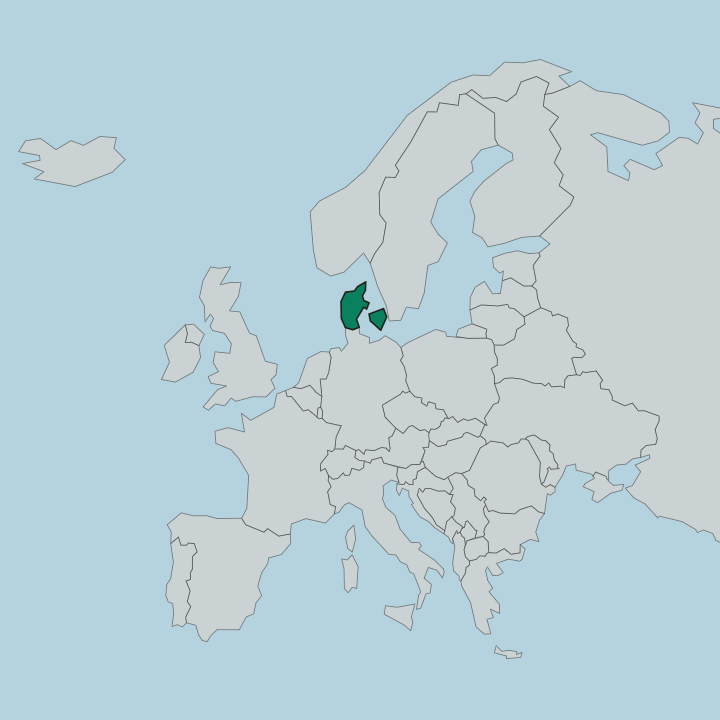
Vallensbæk lies in eastern Denmark, on the island of Zealand, along the northern shore of Køge Bay in the southern reach of Greater Copenhagen. The town comes in two parts. Vallensbæk Strand runs along the engineered coast and beach park, while Vallensbæk Nordmark sits inland on flatter farmland, the two cut apart by the motorway and rail corridor and never directly joined.
Neighbouring Ishøj and Brøndby share the same low bay coast.
What is the climate of Vallensbæk?
Køge Bay sets the rhythm. The water moderates Vallensbæk through a cool maritime year, with grey, wind-driven winters off the bay and mild, changeable summers that draw bathers onto the beach-park sand. Sea breezes keep the strand fresh.
Spring comes late and slow across the flat Zealand farmland of Vallensbæk Nordmark, while the long light of midsummer fills the lagoons and marina with small boats well into the evening before the autumn gales return along the coast.
How do you get to Vallensbæk?
The S-train ties Vallensbæk to the capital. Vallensbæk station on the Køge Bay line carries frequent commuter trains north into central Copenhagen in well under half an hour, and south toward Køge. Trips start at the platform.
Drivers use the Køge Bugt motorway that runs the length of the suburb, and Copenhagen Airport at Kastrup lies a short ride east around the bay. Cyclists follow the coastal path through the beach park between Ishøj and Brøndby.
Common questions
What is the best area to stay in Vallensbæk?
Vallensbæk Strand: a stay beside Køge Bay. Vallensbæk Nordmark: the quiet inland village. Ishøj: art and onward beds.
Good for
More cities in Region Hovedstaden
Updated October 2026