Spain · Castilla y León
Where to Stay in Ávila, Castilla y León
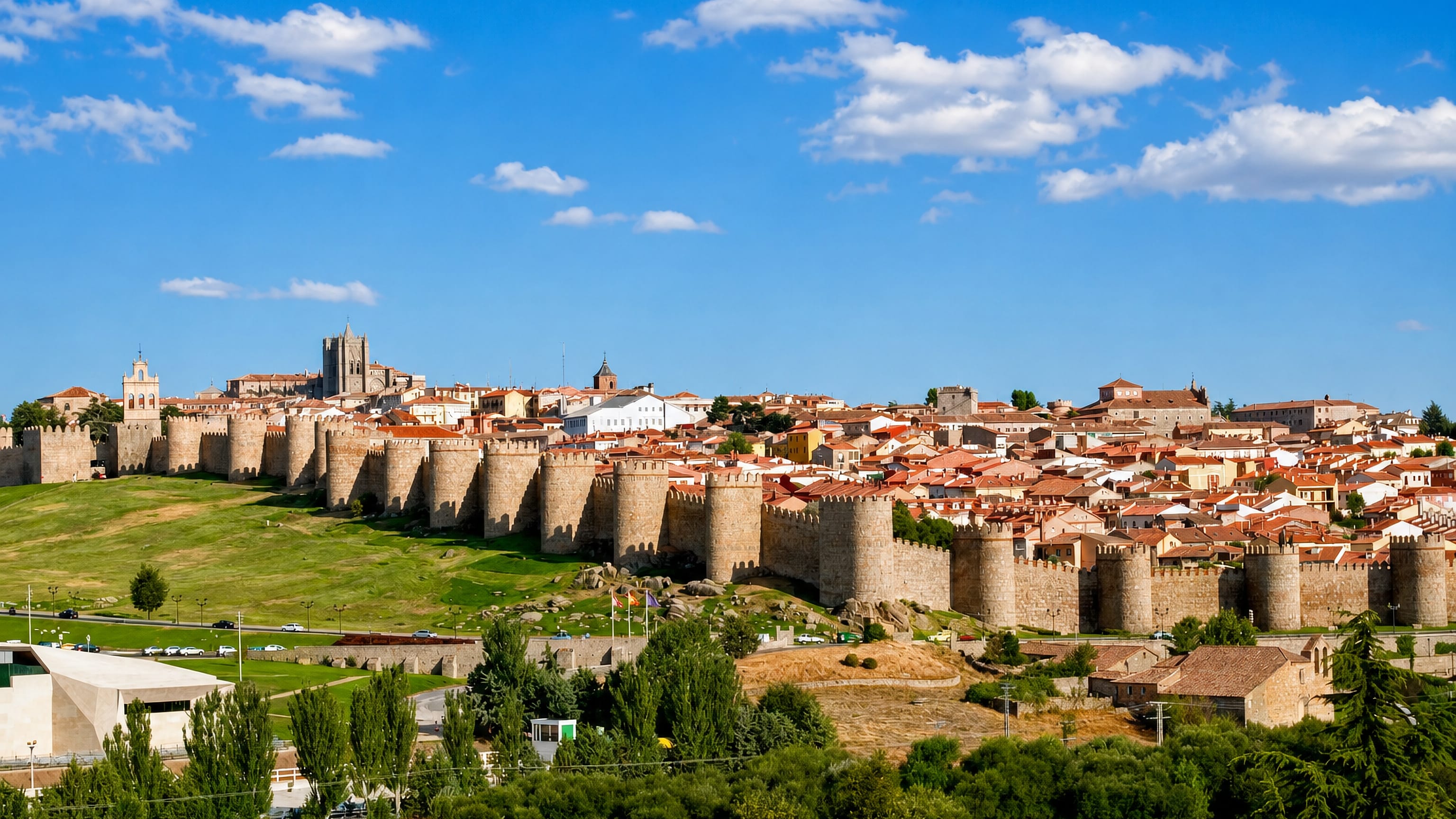
Ávila is a provincial city in Castilla y León whose old core is built from parish churches, monastic houses and stone palaces.
Hotel links are affiliate links: booking through them may earn us a commission, at no extra cost to you. It never affects how places are ranked. How this works


Where to stay in Ávila
How the choice of base plays out on the ground.
Ávila keeps its interest in a compact old core, so the sensible plan is a room among the parish churches and a day that never needs wheels. The Church of San Pedro and the Church of San Martín mark that ground. After dark the parish quarter goes still.
Stone streets empty early, and what noise there is comes from a handful of bars rather than from a nightlife district. A room nearer the Royal Monastery of St. Thomas gives a different day. The monastery repays a slow visit, the Monastery of the Encarnación and the Monastery of San Francisco belong to the same list of religious houses, and the Chapel of Mosén Rubí and the Church of Santo Tomé el Viejo can be fitted into the same morning.
That is a full morning. Book early in the old streets. Drivers usually do better outside the old core, where the streets are wider.
The blocks around the Centro Multiusos Carlos Sastre are plainer, but parking is straightforward and the road out toward Cuatro Postes in Ávila is quick, which matters if that monument is on the plan. Either base leaves the Museo de Ávila within reach. Distances are short enough that the choice comes down to parking and quiet rather than to which sights you can reach on foot.
Find hotels in Ávila
Direct booking searches for these neighbourhoods.
Among the parish churches
Beside the Church of San Pedro and the Church of San Martín, where the old parishes stand thickest. Few places to stay nearby — book ahead.Find hotels in Among the parish churchesa monastery morning taken slowlyNear the Royal Monastery of St. Thomas
Closest ground to the Royal Monastery of St. Thomas and the Chapel of Mosén Rubí, quieter than the parish streets.Find hotels in Near the Royal Monastery of St. Thomasarriving by car and leaving it parkedBy the Centro Multiusos Carlos Sastre
Modern blocks around the Centro Multiusos Carlos Sastre, plainest to look at but simplest for a vehicle.Find hotels in By the Centro Multiusos Carlos SastreHotel links are affiliate links: booking through them may earn us a commission, at no extra cost to you. It never affects how places are ranked. How this works
Things to do in Ávila
Ranked by global recognition; descriptions from Wikidata (CC0).
Museums & Galleries
3- Museo de Ávila
- Las Bóvedas del Carmen, Ávila
- Palacio de Superunda-Colección Caprotti
Churches & Religious Sites
8- Royal Monastery of St. Thomas Heritage
- Church of San Pedro Heritage
- Chapel of Mosén Rubí Heritage
- Church of San Juan Bautista Heritage
- Church of San Andrés Heritage
Show 3 more →
- Hermitage of San Segundo, Ávila Heritage
- church of San Nicolás Heritage
- Church of San Martín Heritage
Castles & Historic Sites
4- Monastery of the Encarnación Heritage
- Palacio del Rey Niño Heritage
- Church of Santa María de Jesús, Ávila Heritage
- Monastery of San Francisco Heritage
Stadiums & Sports
1- Centro Multiusos Carlos Sastre
worth knowingacross 4 categories in Ávila
About Ávila
Churches, in unusual number.
What is Ávila known for?
The Church of San Pedro, the Church of San Andrés, the Church of San Martín, the Church of Santiago and the church of San Nicolás all keep their own dedications inside one small city, and the monastic houses add more again. The Royal Monastery of St. Thomas is the largest of them. Collections fill the gaps: the Museo de Ávila covers the province, and the Palacio de Superunda-Colección Caprotti keeps a named collection in a palace of its own.
Cuatro Postes in Ávila completes the short list of what people come to see.
What are the main landmarks in Ávila?
Start with the parish churches. The Church of San Pedro, the Church of San Andrés, the Church of San Martín, the Church of Santiago, the church of San Nicolás and the Church of San Juan Bautista are the core of any list, with the Church of Santo Domingo and the Church of Santa María de Jesús after them. The Royal Monastery of St. Thomas is the big one.
Palaces and museums fill out the rest: the Palacio del Rey Niño, the Palacio de Superunda-Colección Caprotti, the Museo de Ávila and Vetonia, Cultura y Naturaleza. Cuatro Postes in Ávila and the Hermitage of San Segundo close the circuit.
What is the history of Ávila?
Ávila's history is written in dedications. The Church of San Pedro, the Church of San Andrés, the Church of San Martín, the Church of Santiago, the church of San Nicolás and the Church of San Juan Bautista each mark a parish, and a town that supported that many parishes was not a small place when they were raised. Stone was the medium.
The Church of Santo Tomé el Viejo and the Hermitage of San Segundo carry two of the older names. Religious houses took the next layer. The Royal Monastery of St. Thomas, the Monastery of the Encarnación, the Monastery of San Francisco and the Church of Santa María de Jesús belong to the monastic city rather than the parish one, and the Chapel of Mosén Rubí and the Church of Santo Domingo sit between the two.
Las Bóvedas del Carmen is another survival from it. Secular building leaves its own trace. The Palacio del Rey Niño and the Palacio de Superunda-Colección Caprotti are the two palace names the record keeps, and the Monument to a Ximena Blázquez commemorates in the open air a figure the city chose to remember.
Cuatro Postes in Ávila stands under its own name. Later institutions joined them: the Museo de Ávila sets out the province, Vetonia, Cultura y Naturaleza takes the natural side, and the Centro Multiusos Carlos Sastre serves the purposes a modern city needs a large hall for.
Where is Ávila?
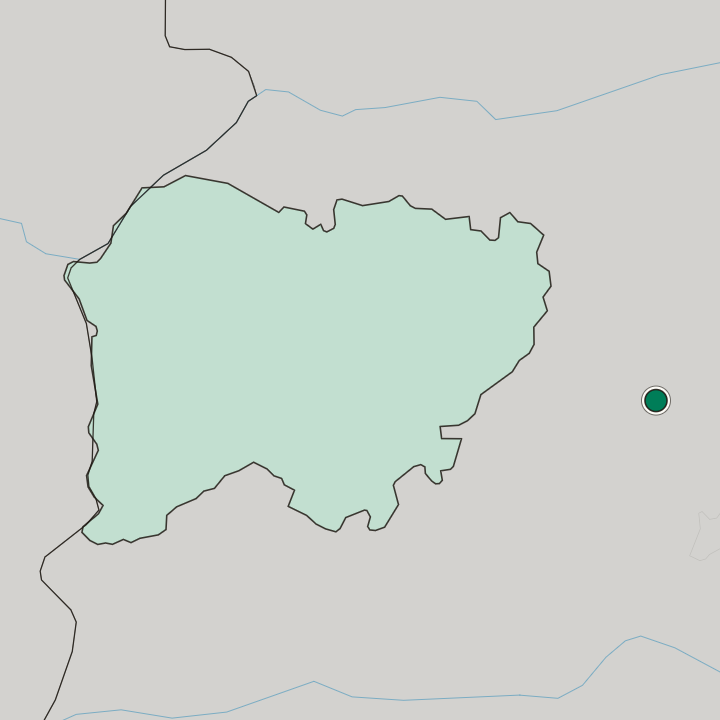
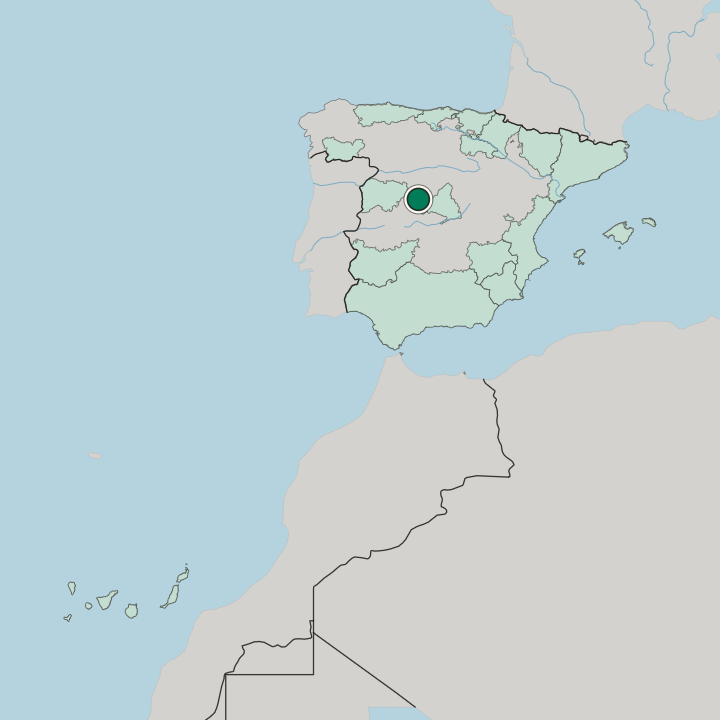
Ávila is a city of Castilla y León, and its municipality takes in roughly 232 square kilometres. The old core is much smaller than that. Almost everything worth walking to, the Church of San Pedro, the Royal Monastery of St. Thomas, the Museo de Ávila, falls inside a compact centre, while the rest of the municipality is country the city administers rather than streets it fills.
Distances inside it are walking distances.
What is the climate of Ávila?
Ávila runs through four distinct seasons in the temperate band, and the practical effect for a visitor is that the same walk between the Church of San Pedro and the Royal Monastery of St. Thomas feels like a different city in February and in July. Stone stays cool. Church interiors are the obvious refuge on the hottest afternoons, and the Museo de Ávila works the same way.
Spring and autumn suit the long walks best.
How do you get to Ávila?
Ávila is reached overland, from elsewhere in Castilla y León or from farther out. The rest is on foot. The Church of San Pedro, the Church of San Martín, the Church of Santiago and the Museo de Ávila stand near enough to one another that a visitor with one full day sees most of the old city without transport.
A car helps for Cuatro Postes in Ávila and the Centro Multiusos Carlos Sastre.
Common questions
What is the best area to stay in Ávila?
Among the parish churches: a first night in the old core. Near the Royal Monastery of St. Thomas: a monastery morning taken slowly. By the Centro Multiusos Carlos Sastre: arriving by car and leaving it parked.
Good for
More cities in Castilla y León
Updated October 2026