Spain · Castilla y León
Where to Stay in Palencia, Castilla y León
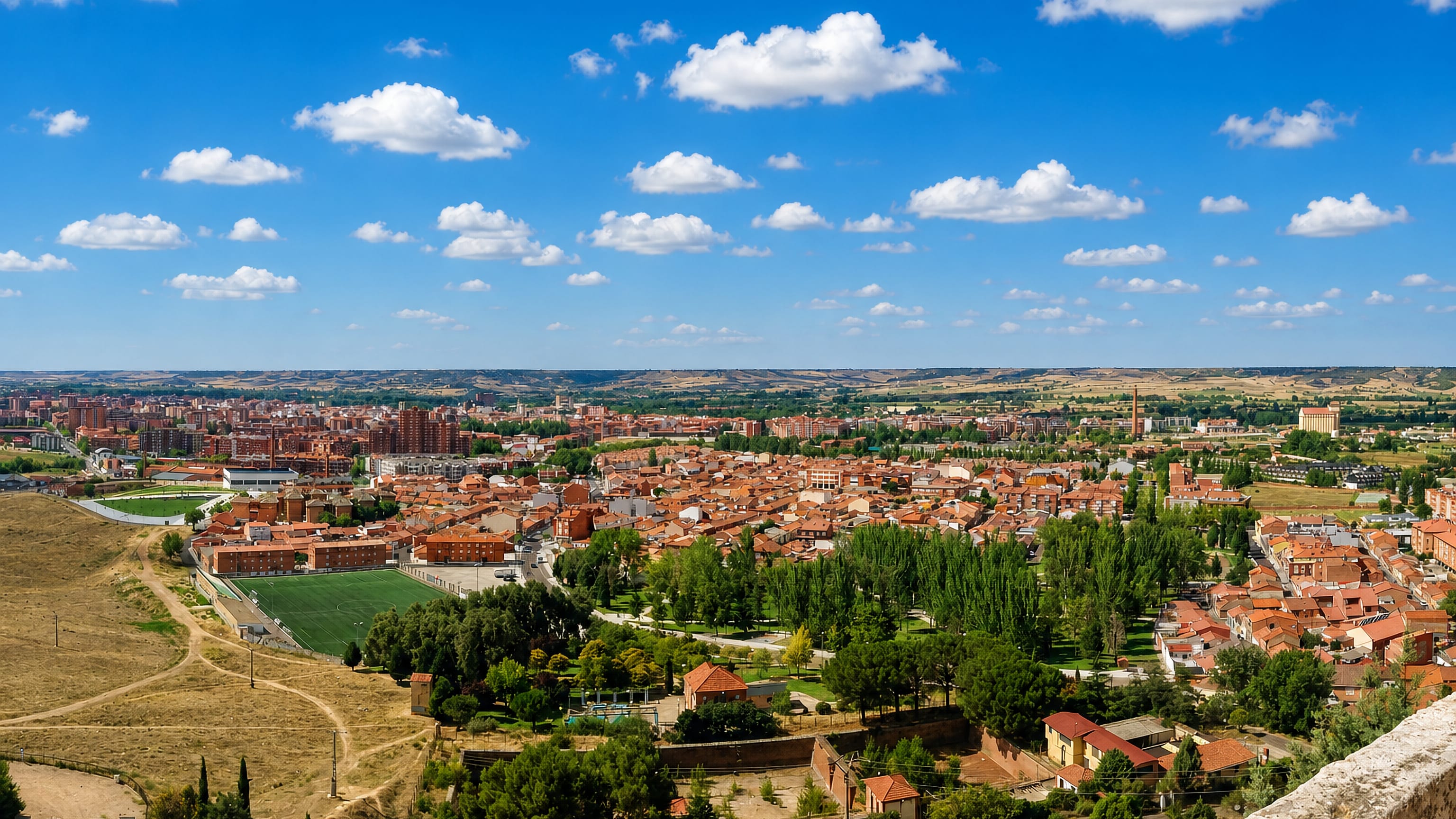
Palencia is the capital of its province in Castilla y León, an industrial-era city grown around the older stone of Palencia Cathedral.
Hotel links are affiliate links: booking through them may earn us a commission, at no extra cost to you. It never affects how places are ranked. How this works


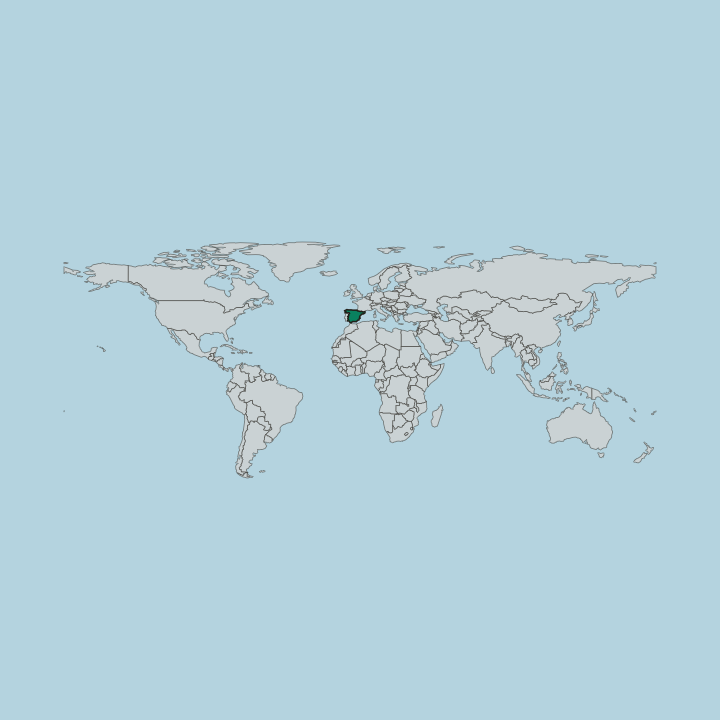
Where to stay in Palencia
How the choice of base plays out on the ground.
Beds cluster tightly here. Most of what a visitor comes for, Palencia Cathedral, the Museo Diocesano de Palencia, and the plazas that survived the industrial century, sits inside one walkable centre, so the real question is which edge of it you sleep on. The cathedral quarter suits a first, short stay: mornings inside the church, then the Convent of Saint Paul a few streets on.
The commercial blocks are the other obvious base. Buildings from the working decades stand along them, including the Colegio Modesto Lafuente and the Museo Jerónimo Arroyo, and shops, bus stops and cafés are closer here than anywhere else in town. Traffic noise is the trade-off.
Rooms toward Puentecillas trade that for quiet, with the Museo del Agua on the same side and a slower walk back after dinner. Museum-minded travellers can look to the streets near the Archaeological Museum of Palencia, which puts that collection and the Museo de Arte Contemporáneo within an easy stroll. Cathedral, plazas and museums fall inside one loop on foot.
Palencia works well as a base for the wider province, and a car is easier to keep on the outer streets than in the old core, where parking is tight and the lanes narrow toward the cathedral.
Find hotels in Palencia
Direct booking searches for these neighbourhoods.
Cathedral quarter
Palencia Cathedral, the Museo Diocesano de Palencia and the Convent of Saint Paul all fall within a few minutes on foot.Find hotels in Cathedral quartershops, bus links and a one-night stopThe commercial centre
Industrial-century blocks around the Colegio Modesto Lafuente and the Museo Jerónimo Arroyo, closest to the shopping streets.Find hotels in The commercial centrequiet nights and the Museo del AguaToward Puentecillas
The old crossing at Puentecillas and the Museo del Agua sit on this side, away from the busiest evening streets. Few places to stay nearby — book ahead.Find hotels in Toward Puentecillasa slow day between collectionsMuseum streets
Walking range of both the Archaeological Museum of Palencia and the Museo de Arte Contemporáneo, with no transfer needed.Find hotels in Museum streetsHotel links are affiliate links: booking through them may earn us a commission, at no extra cost to you. It never affects how places are ranked. How this works
Things to do in Palencia
Ranked by global recognition; descriptions from Wikidata (CC0).
Museums & Galleries
3- Archaeological Museum of Palencia Heritage
- Museo de Arte Contemporáneo
- Museo del Agua, Palencia
Churches & Religious Sites
5- Palencia Cathedral Heritage
- Convent of Saint Paul Heritage
- Church of San Francisco Heritage
- Hermitage of San Juan Bautista, Palencia Heritage
- Church of la Compañía, Palencia Heritage
Castles & Historic Sites
3- Puentecillas Heritage
- Colegio Modesto Lafuente Heritage
- Monument to Victorio Macho, Palencia
worth knowingacross 3 categories in Palencia
About Palencia
Palencia Cathedral carries the city.
What is Palencia known for?
Industry ran the place from about 1840 to 1960, and that long working century left a centre that reads as modern even though older buildings and open plazas survive in the middle of it. The Archaeological Museum of Palencia holds the deeper record, and the Museo Diocesano de Palencia keeps what the church gathered. Students matter here too.
The city runs a university of its own alongside a campus of the Valladolid university.
What are the main landmarks in Palencia?
Palencia Cathedral is the set piece, big out of proportion to the town around it. Inside the same few streets stand the Convent of Saint Paul, the Church of San Francisco, and the Church of la Compañía. Santa Clara adds another cloister.
The Archaeological Museum of Palencia and the Museo de Arte Contemporáneo cover the two ends of the record, ancient and living, while the Museo del Agua and the Museo Jerónimo Arroyo fill the gaps between them. Puentecillas and the Monument to Victorio Macho close a short walk.
What is the history of Palencia?
Palencia's written record runs through its churches. The cathedral, the Convent of Saint Paul, the convent church of the Agustinas Canónigas and the Hermitage of San Juan Bautista are the oldest fabric the city still keeps, and together they mark how much church building this one town supported. Earlier layers sit in cases.
The Archaeological Museum of Palencia gathers what the ground around the province gave up, and the Museo Diocesano de Palencia keeps what the parishes handed over. Workshops and factories came next. Industry held the town from about 1840 to 1960, and the building that went with it is the main reason the centre reads as a modern one with older churches and plazas left standing inside it.
The Colegio Modesto Lafuente and the Museo Jerónimo Arroyo belong to that period of rebuilding. After 1960 the industrial run ended. Learning followed.
The city carries a university of its own alongside a campus of the Valladolid university, an arrangement that puts two separate institutions into a town of this size. Santa Clara and the Church of San Francisco hold their own corners of the old core. The Museo del Agua treats the city's dealings with water as a subject in itself, and the Museo de Arte Contemporáneo gives the newer decades a room.
Where is Palencia?
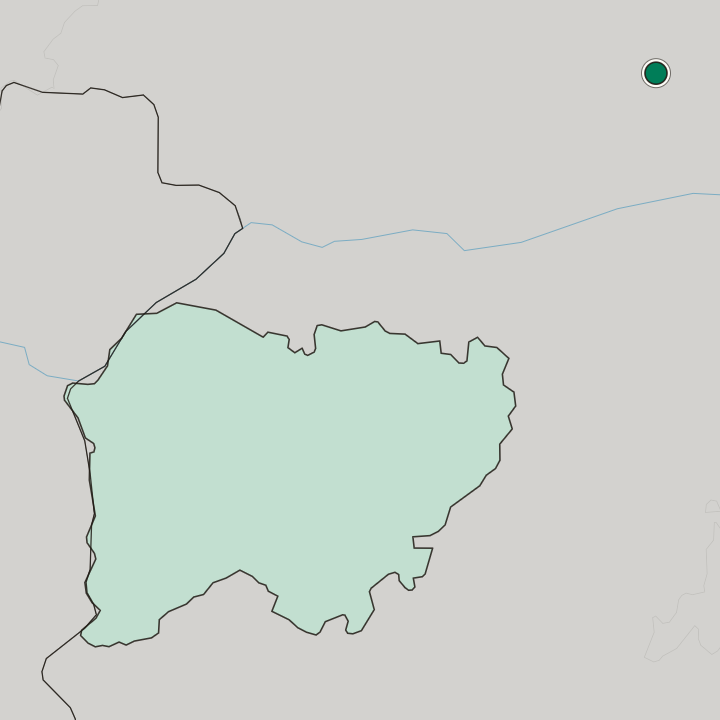
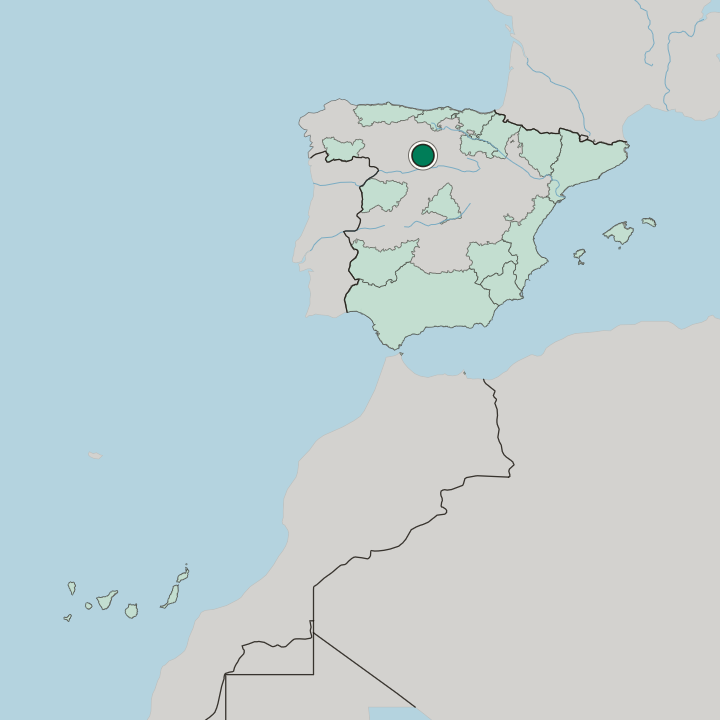
Palencia is the capital of the Province of Palencia and one of the provincial seats of Castilla y León. The built-up area is small. Everything a visitor needs sits inside a walkable ring: Palencia Cathedral at the centre of it, the Convent of Saint Paul a few streets off, and the old crossing at Puentecillas marking one edge.
Valladolid lies near enough for its university to keep a campus in the city.
What is the climate of Palencia?
Four seasons, clearly marked. Palencia falls in the temperate band of the northern hemisphere, so the year turns through a warm summer and a cold winter with two short shoulder seasons between them. Spring and autumn suit walking between the cathedral, the plazas and the museums.
Shade matters in high summer, and the coldest weeks sit either side of the new year.
How do you get to Palencia?
Palencia connects overland to the rest of Castilla y León, and Valladolid is the nearest of the region's larger cities, close enough for its university to keep a campus in the city. Walking covers the rest. Palencia Cathedral, the Archaeological Museum of Palencia and the Museo Jerónimo Arroyo stand within a few streets of one another, and the old crossing at Puentecillas is an easy stroll from the same centre.
A car earns its keep only for the province beyond.
Common questions
What is the best area to stay in Palencia?
Cathedral quarter: cathedral mornings and a church-first walk. The commercial centre: shops, bus links and a one-night stop. Toward Puentecillas: quiet nights and the Museo del Agua. Museum streets: a slow day between collections.
Good for
More cities in Castilla y León
Updated October 2026