Spain · Castilla y León
Where to Stay in Burgos, Castilla y León
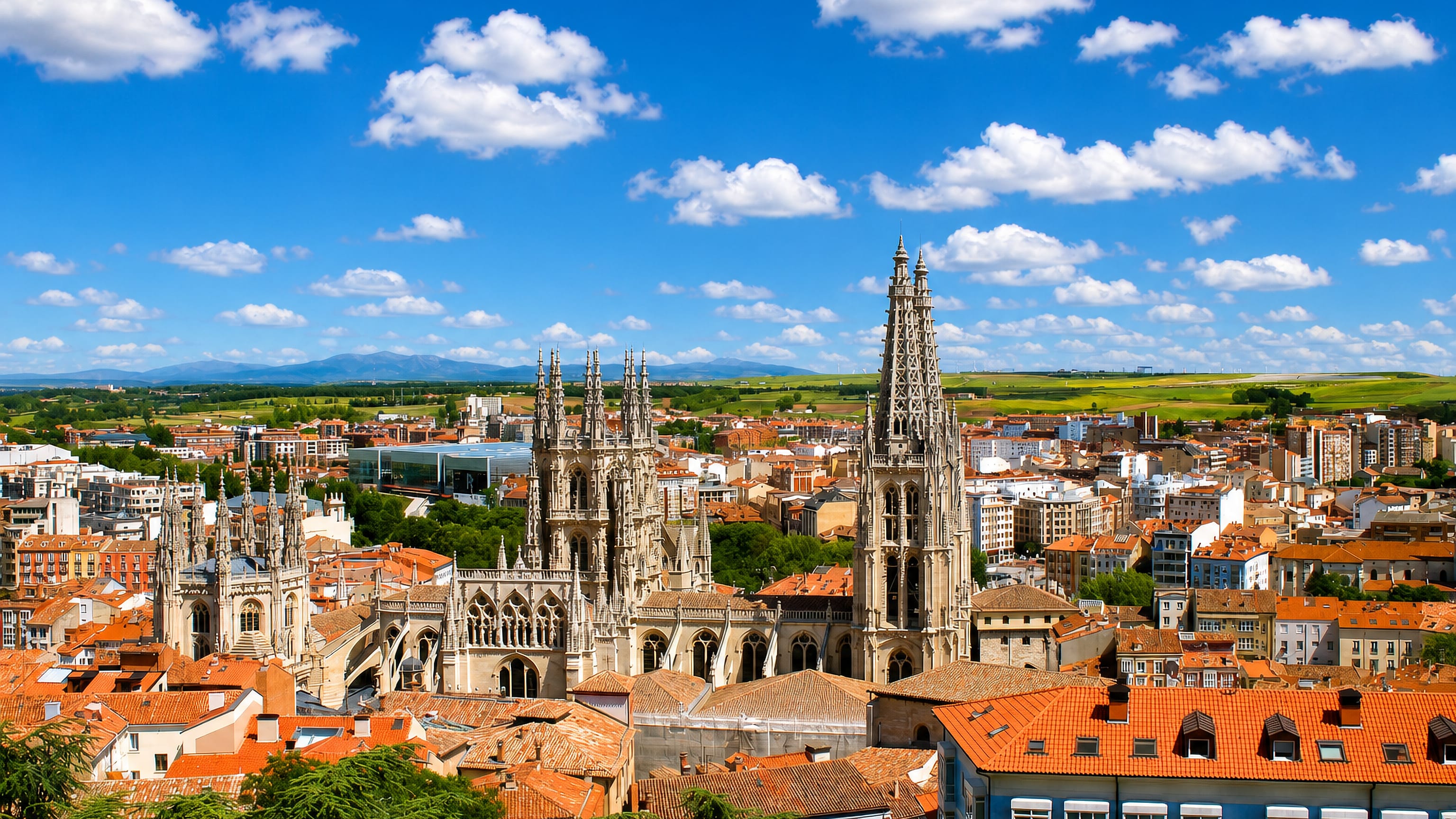
Founded in 884, Burgos is a Camino de Santiago stop in Castile and León, and its cathedral, a UNESCO World Heritage site, holds the tomb of El Cid.
Hotel links are affiliate links: booking through them may earn us a commission, at no extra cost to you. It never affects how places are ranked. How this works


Where to stay in Burgos
One neighbourhood here has its own guide — here's what it is best for.

 BurgosSpainDrivers stopping near the Iglesia de Santa María la Real y Antigua de Gamonal
Gamonal
Out from the cathedral, Gamonal keeps the Iglesia de Santa María la Real y Antigua de Gamonal and room for a car, which fits a driving stage better than a walking one.Gamonal →Hotel links are affiliate links: booking through them may earn us a commission, at no extra cost to you. It never affects how places are ranked. How this works
Find hotels in Burgos
Direct booking searches for these neighbourhoods.
Catedral
The lanes under the cathedral gather the Arco de Santa María, the Casa de Miranda and the Museo de Burgos within a few minutes of each other.Find hotels in CatedralQuieter beds on the climb towards the Castle of BurgosCastillo
The slope below the Castle of Burgos trades a level walk for calm, with the whole old quarter laid out underneath it. Few places to stay nearby — book ahead.Find hotels in CastilloStays pairing the Museum of Human Evolution with the Hospital del ReyHospital del Rey
This side of Burgos sits away from the pressure of the centre and puts the Museum of Human Evolution within a reasonable walk. Few places to stay nearby — book ahead.Find hotels in Hospital del ReyHotel links are affiliate links: booking through them may earn us a commission, at no extra cost to you. It never affects how places are ranked. How this works
Things to do in Burgos
Ranked by global recognition; descriptions from Wikidata (CC0).
Museums & Galleries
3- Museo de Burgos Heritage
- Museum of Human Evolution
- Museo del Retablo
Churches & Religious Sites
6- Iglesia de San Nicolás de Bari Heritage
- San Gil Abad Heritage
- Iglesia de San Esteban Heritage
- Church of San Lesmes Abad Heritage
- Iglesia de Santa María la Real y Antigua de Gamonal Heritage
Show 1 more →
- San Agustín Royal Monastery Heritage
Castles & Historic Sites
5- Arco de Santa María Heritage
- Castle of Burgos Heritage
- Palace of La Isla, Burgos Heritage
- Hospital del Rey Heritage
- Casa de Miranda Heritage
worth knowingacross 3 categories in Burgos
About Burgos
What is Burgos known for?
The cathedral is the reason most visitors come, a UNESCO World Heritage site and a fixed stop for walkers on the Camino de Santiago. El Cid is buried inside it. The medieval figure was born near Burgos, and the Solar del Cid keeps his name on the ground of the city as firmly as the tomb does.
Beyond that, the museums take over. Prehistory has an institution of its own here, and the Museum of Human Evolution sets out a record running far behind anything the cathedral or the pilgrim route can cover.
What are the main landmarks in Burgos?
The cathedral leads, with the Arco de Santa María as the formal way in and the Castle of Burgos above. Churches are numerous. The Iglesia de San Esteban, San Gil Abad, the Church of San Lesmes Abad, La Merced Church and the Iglesia de San Lorenzo el Real cover the parishes, while the San Agustín Royal Monastery and the Church-Convent of the Salesas carry the religious houses.
Museums run from the Museo del Libro Fadrique de Basilea to the Museo Marceliano Santa María, and the Monumento al Empecinado stands among the memorials of the city.
What is the history of Burgos?
The recorded start is 884. From that foundation Burgos became the seat of its province and, over time, the second most populated municipality in Castile and León. The Camino de Santiago did much of the rest, since a pilgrim route running through a town brings building, hospitality and endowment with it, and the cathedral is the largest result.
El Cid was born near the city. He lies buried in the cathedral, and the Solar del Cid keeps a second claim on him among the streets, while Santa Gadea carries a name from the same medieval period. Castle and church divided the older skyline.
The Castle of Burgos held the high ground, and the Arco de Santa María, the Hospital del Rey and the Casa de Miranda survive from the older city below it. Palaces came later. The Palace of La Isla and the Church-Convent of the Salesas belong to those later centuries, and the Monumento al Empecinado marks another name the city chose to record.
Prehistory entered the account last, and the Museum of Human Evolution holds a record that begins long before the foundation year of 884.
Where is Burgos?
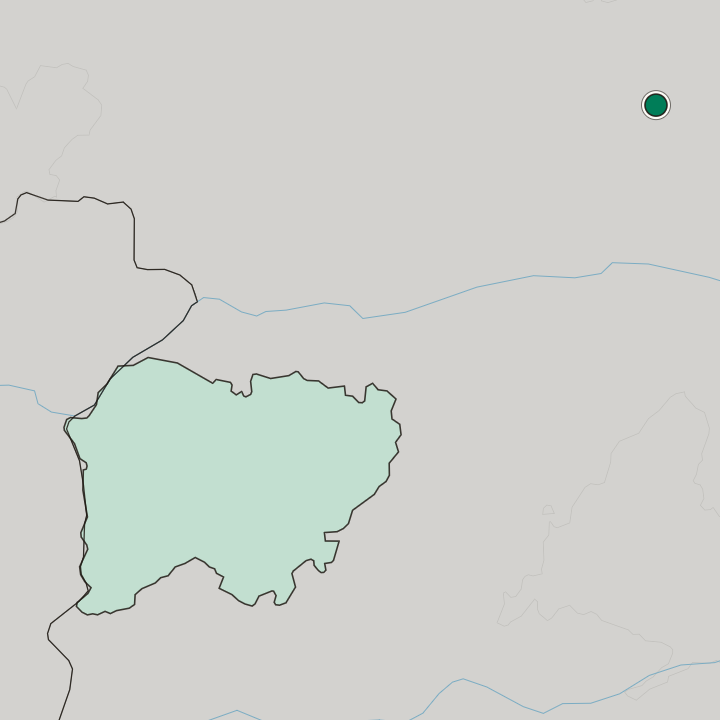
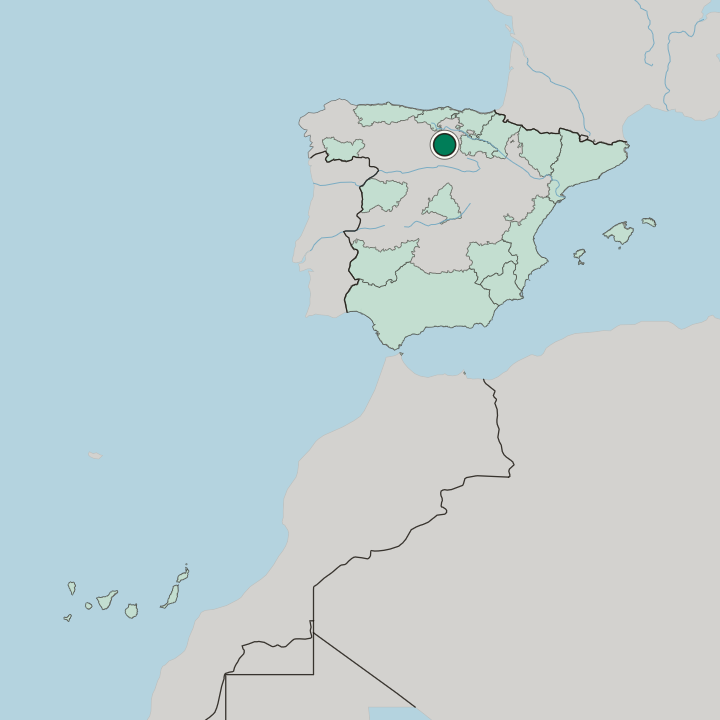
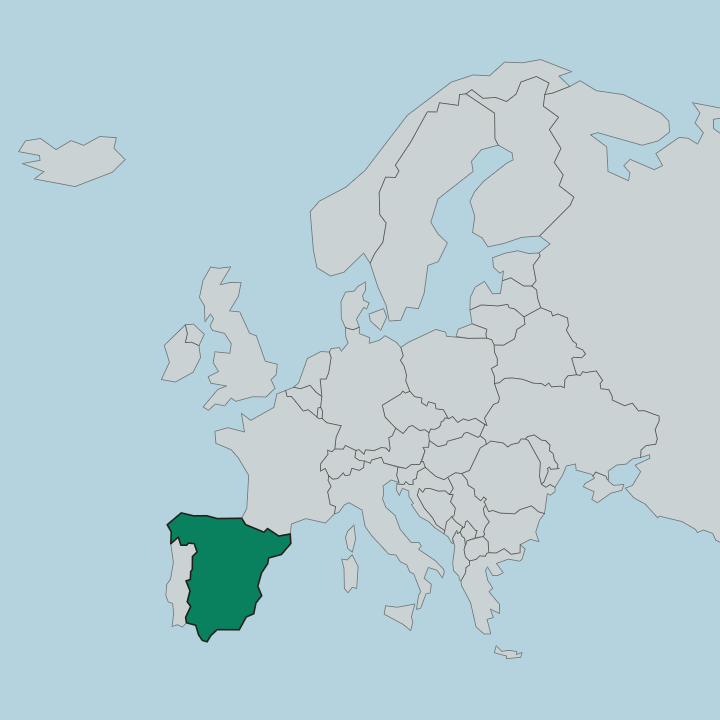
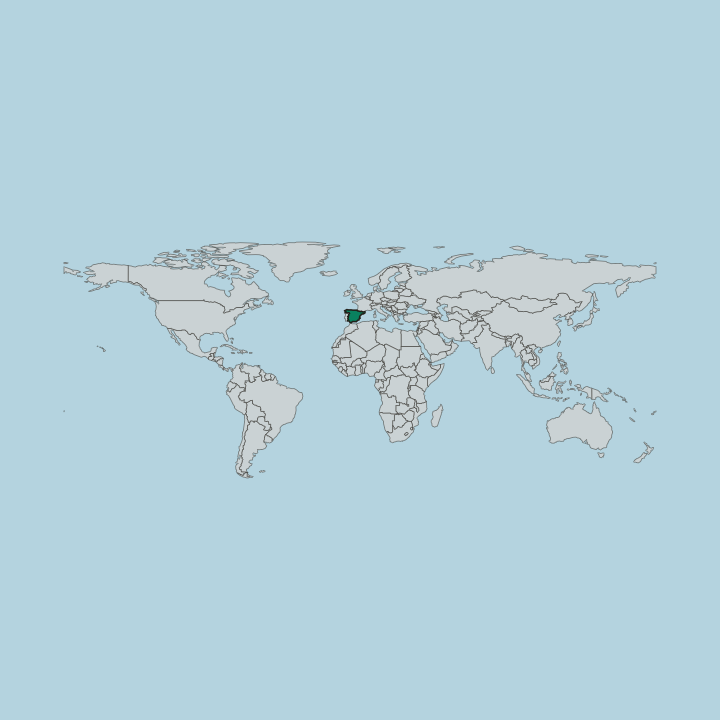
The municipality covers about 107 square kilometres of Castile and León, in northern Spain. Burgos is the capital of its province. The city is a stopover on the Camino de Santiago pilgrimage trail, and its cathedral is a UNESCO World Heritage site.
The Castle of Burgos occupies the high point.
What is the climate of Burgos?
Winter defines the visiting year in Burgos, and the interior of Castile and León brings a cold the coasts of Spain never see. Summer runs short and warm. Pilgrims on the Camino de Santiago time their stages around that gap, which opens wider here than in the coastal provinces, and the months on either side of summer carry much of the walking traffic.
How do you get to Burgos?
Many walkers arrive on foot. Burgos is a stage stop on the Camino de Santiago, so a share of its arrivals come along the route rather than by any vehicle, and the Centro de Interpretación y Recepción de Turistas de Burgos exists to meet them. Roads bring the rest.
The city stands on the overland lines of northern Spain, and the province around it carries the same name, which makes Burgos the obvious break in a long crossing.
Common questions
What is the best area to stay in Burgos?
Catedral: Camino de Santiago walkers who want the cathedral and the Arco de Santa María at the door. Castillo: Quieter beds on the climb towards the Castle of Burgos. Gamonal: Drivers stopping near the Iglesia de Santa María la Real y Antigua de Gamonal. Hospital del Rey: Stays pairing the Museum of Human Evolution with the Hospital del Rey.
Good for
More cities in Castilla y León
Updated October 2026