Spain · Castilla y León
Where to Stay in León, Castilla y León
Capital of its province between the Bernesga and the Torío, León keeps its old walls and a place on the Camino de Santiago.
Hotel links are affiliate links: booking through them may earn us a commission, at no extra cost to you. It never affects how places are ranked. How this works


Where to stay in León
How the choice of base plays out on the ground.
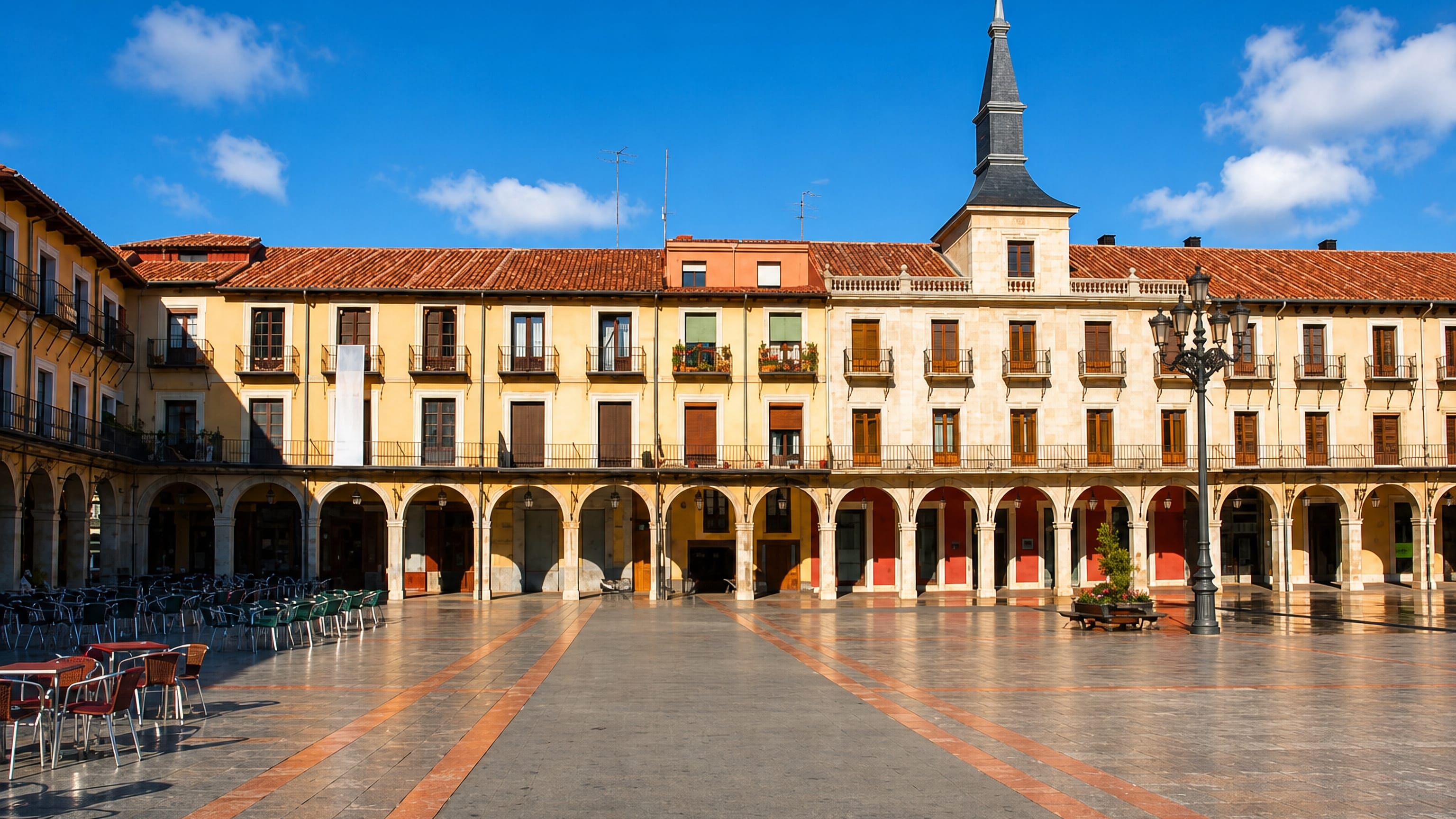
Inside the Walls of León the streets are short and the addresses close together, which makes the walled quarter the default for a first stay. The Conde Luna Palace and the Casa de las Carnicerías stand inside it, along with the Church of San Marcelo and the Church of San Salvador de Palat del Rey. Beds there fill early in walking season.
Anyone arriving on the Camino de Santiago competes for the same rooms, so booking ahead counts for more here than the choice of quarter, and a night outside the circuit is no hardship in a municipality of this size. The convent of San Marcos sets the tone at the other pole of the city, formal and set back, with the Bernesga close by. Renueva is plainer.
San Juan y San Pedro de Renueva anchors a working quarter whose rooms are easier to find late and whose walk into the walls is still short. Santa Marina la Real and Santa Ana name two more parishes worth checking for a bed. The Roman villa of Navatejera lies away from the centre, and a car makes that side workable for anyone who prefers ground of their own.
Find hotels in León
Direct booking searches for these neighbourhoods.
Casco Antiguo
Within the Walls of León the Conde Luna Palace, the Casa de las Carnicerías and the Church of San Marcelo stand a few streets apart from one another.Find hotels in Casco AntiguoFormal nights by the convent of San Marcos and the BernesgaSan Marcos
The ground around the convent of San Marcos is set back and quieter, with the Bernesga a short walk from the door.Find hotels in San MarcosLate arrivals hunting a bed near San Juan y San Pedro de RenuevaRenueva
Renueva works as a plain quarter around San Juan y San Pedro de Renueva, near enough to walk into the walls and easier for a room found at short notice.Find hotels in RenuevaDrivers who want the Roman villa of Navatejera on the doorstepNavatejera
Out from the centre, the Roman villa of Navatejera gives this side its landmark, and a car makes the rest of León easy enough to reach. Lodging is scarce in this area; reserve in advance.Find hotels in NavatejeraHotel links are affiliate links: booking through them may earn us a commission, at no extra cost to you. It never affects how places are ranked. How this works
Things to do in León
Ranked by global recognition; descriptions from Wikidata (CC0).
Museums & Galleries
3- Museo de León Heritage
- Museo de Arte Contemporáneo de Castilla y León
- Museo Sierra Pambley
Churches & Religious Sites
3- convent of San Marcos Heritage
- Church of Nuestra Señora del Mercado, León Heritage
- Church of San Salvador de Palat del Rey Heritage
Castles & Historic Sites
8- Walls of León Heritage
- Conde Luna Palace Heritage
- Archivo Histórico Provincial de León Heritage
- Biblioteca Pública del Estado en León Heritage
- Fernández Cadórniga Street Palace Heritage
Show 3 more →
- Romanesque Palace inside Saint Teresa School, León Heritage
- Casa de las Carnicerías, León Heritage
- Roman villa of Navatejera Heritage
worth knowingacross 3 categories in León
About León
What is León known for?
The Museo Catedralicio Diocesano de León attaches to the cathedral at the middle of the walled quarter, and the Walls of León still trace that circuit. Contemporary art balances it. The Museo de Arte Contemporáneo de Castilla y León handles the modern side, while the Museo de León and the Museo Sierra Pambley hold the provincial collections and the Museo de la Emigración Leonesa records the departures that marked families across the province.
Pilgrims pass through on the Camino de Santiago.
What are the main landmarks in León?
The Walls of León and the convent of San Marcos are the two structures the city is measured by. Churches supply the detail. The Church of San Marcelo, the Church of Nuestra Señora del Mercado, the Church of San Salvador de Palat del Rey and the Church of Santa Marina la Real spread across the older quarters, and the Monastery of Santa María de Carbajal keeps a religious house among them.
Away from the churches, the Conde Luna Palace, the Fernández Cadórniga Street Palace and the Romanesque Palace inside Saint Teresa School hold the civil register, with the Roman villa of Navatejera the oldest thing on it.
What is the history of León?
León's record carries no founding year. The Roman villa of Navatejera is the oldest dated fabric in the area, and the Walls of León mark the circuit the later city grew inside and eventually outgrew. Churches came in layers.
The Church of San Salvador de Palat del Rey and the Monastery of Santa María de Carbajal carry names from the older religious foundation of the place, while the Church of Nuestra Señora del Mercado ties the record to trade as much as to worship. The Camino de Santiago runs through, and the convent of San Marcos is the building that most obviously answers to it. Palaces followed.
The Conde Luna Palace and the Fernández Cadórniga Street Palace record families with standing in the city, while the Romanesque Palace inside Saint Teresa School survives within an institution rather than on its own. Departure is part of the record too. The Museo de la Emigración Leonesa sets out the leaving that marked the province, and the Archivo Histórico Provincial de León and the Biblioteca Pública del Estado en León keep the written side of all of it.
Where is León?
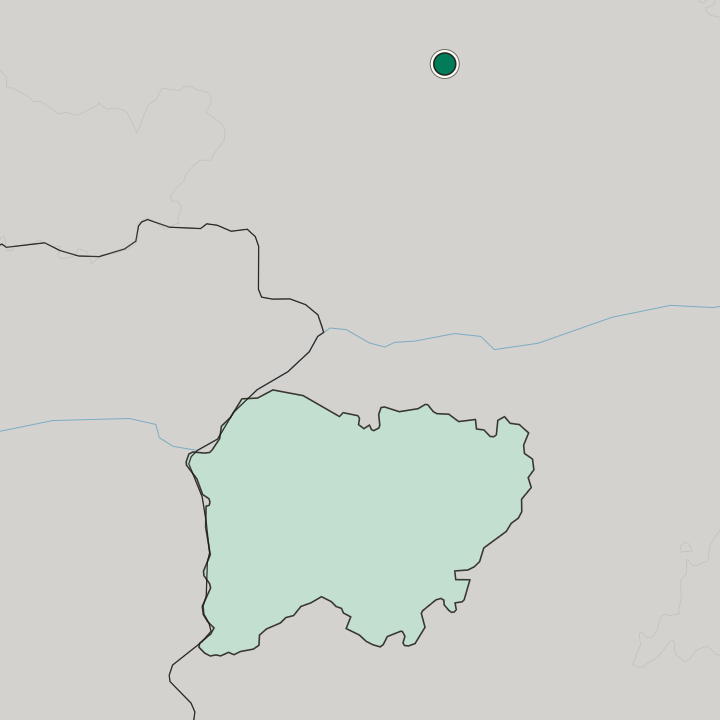
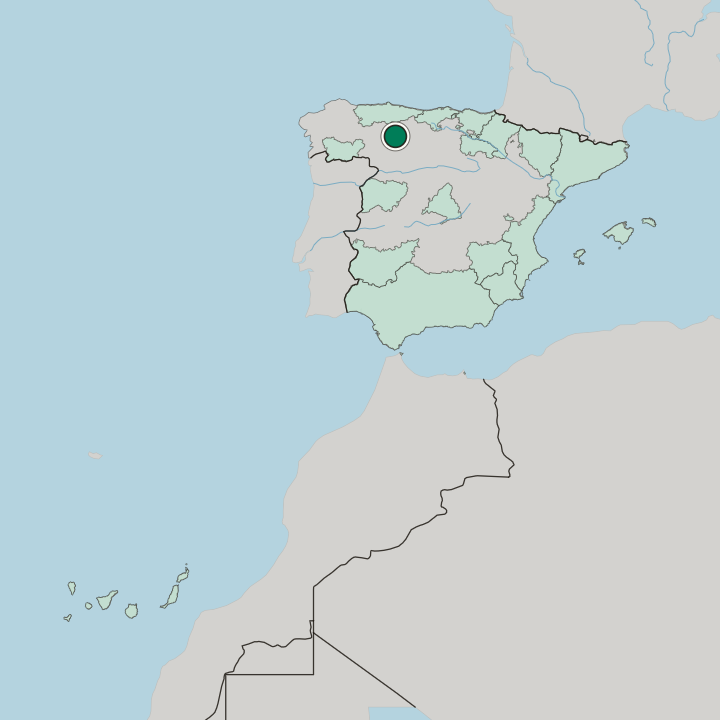
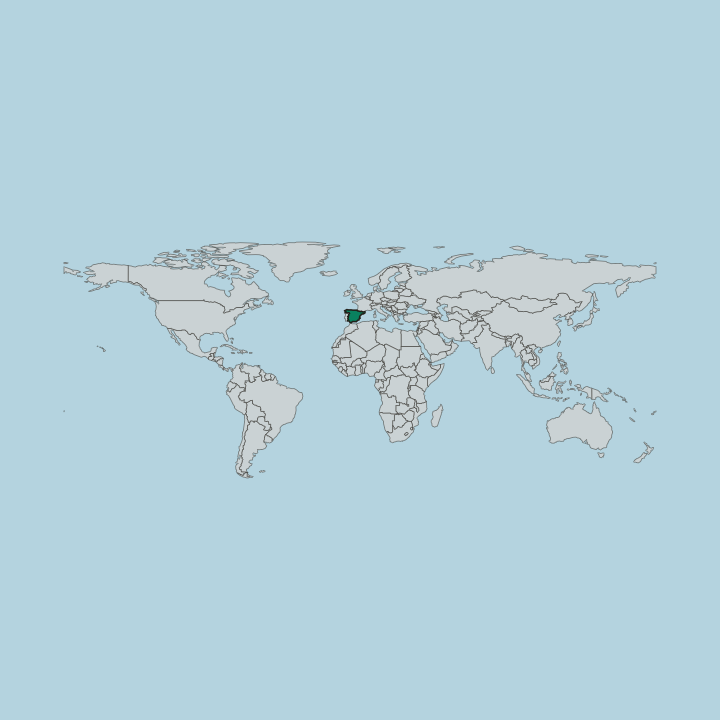
The city lies on the northwest of the Iberian Peninsula, south of the Cantabrian Mountains, between the Bernesga and the Torío. The municipality is small: about 39 square kilometres. Two rivers and a mountain wall behind them explain both the site and the route, since a crossing below the ranges is where roads and pilgrims have long converged.
Castile and León surrounds it.
What is the climate of León?
The Cantabrian Mountains stand between León and the sea, and that barrier is what gives the city sharp, dry winters instead of the damp that falls on the northern coast. Summer is short and bright. Between the mountains and the open country the difference between the two halves of the year is felt indoors as much as out, and the Museo de León and the Biblioteca Pública del Estado en León absorb the coldest afternoons.
How do you get to León?
Walking is one of the ways in. The Camino de Santiago brings a steady share of arrivals on foot, and the city has served that traffic for as long as the route has run through it. Roads carry everyone else.
The Cantabrian Mountains close the way north, so overland approaches run along the lower ground, and León stands where those lines and the pilgrim route coincide.
Common questions
What is the best area to stay in León?
Casco Antiguo: First stays inside the Walls of León near the Conde Luna Palace. San Marcos: Formal nights by the convent of San Marcos and the Bernesga. Renueva: Late arrivals hunting a bed near San Juan y San Pedro de Renueva. Navatejera: Drivers who want the Roman villa of Navatejera on the doorstep.
Good for
More cities in Castilla y León
Updated October 2026