Spain · Castilla y León
Where to Stay in Salamanca, Castilla y León
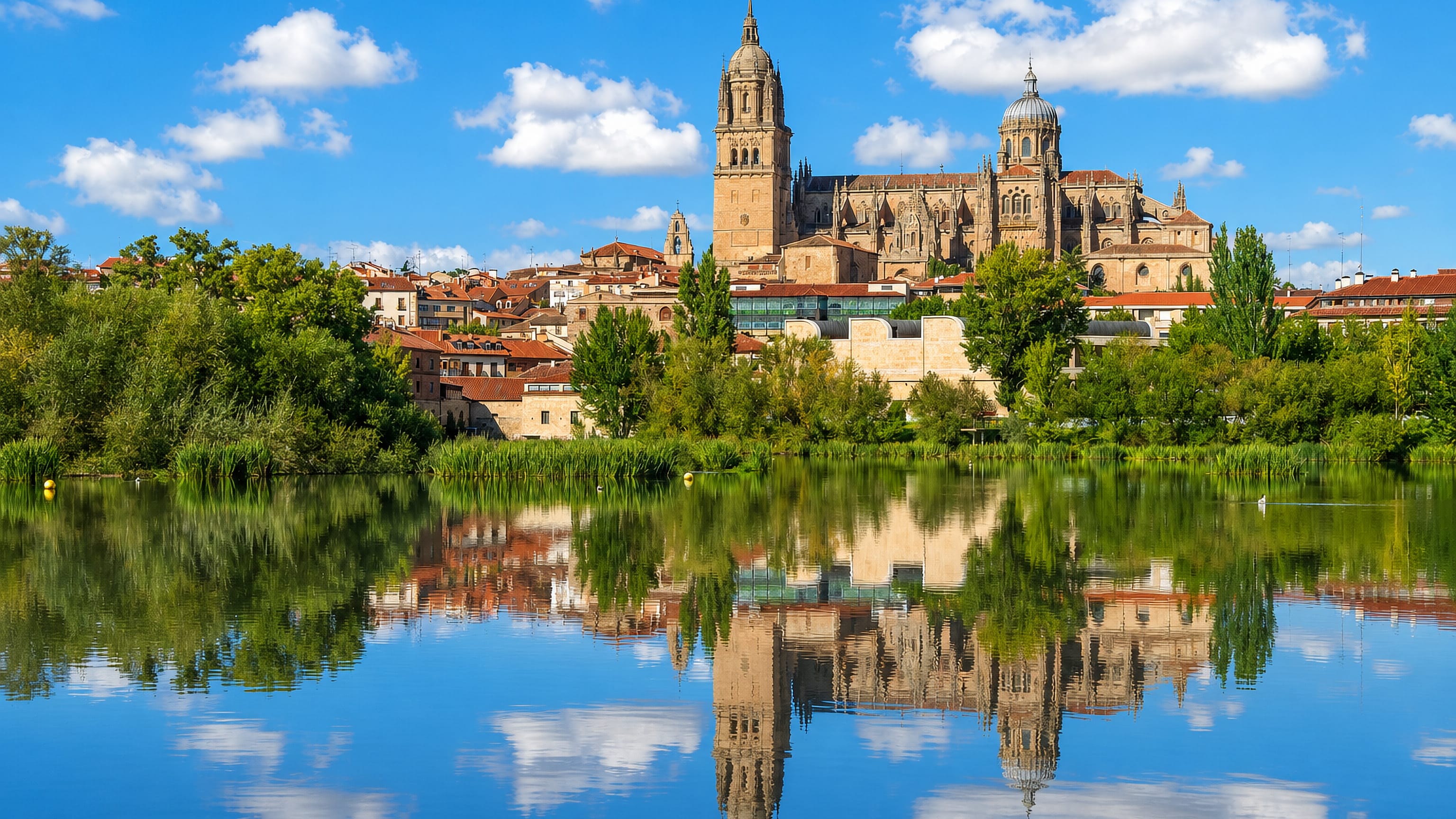
Salamanca is a university city on the Tormes in Castilla y León, with a UNESCO-listed old town gathered around its Plaza Mayor.
Hotel links are affiliate links: booking through them may earn us a commission, at no extra cost to you. It never affects how places are ranked. How this works


Where to stay in Salamanca
The practical side of choosing where to sleep.
Salamanca concentrates almost everything worth seeing inside the Old City of Salamanca, so the first decision is how close to the Plaza Mayor you want to sleep and how much noise you will accept for it. The square itself never fully empties. Rooms on it or one street back put La Clerecía, Salamanca Old Cathedral and Salamanca New Cathedral within ten minutes on foot, which is why the address is worth the noise.
Light sleepers should think twice. The university quarter is the alternative for anyone whose interest is the institution rather than the square. Beds near the Escuelas Mayores de Salamanca and the Escuelas Menores sit among lecture halls and student bars.
Terraces fill early. Toward the Tormes the streets loosen, and a room near Casa Lis gives you the river walk in the morning and the Museo de Art Nouveau y Art Déco on the doorstep. Beyond the old city, plainer modern streets trade atmosphere for parking, and they suit travellers arriving by car who plan to drive out into Campo Charro rather than walk all day.
Distances stay small in any case. From most central addresses the Convent of Las Dueñas, the Church of Saint Paul and the Diocesan Museum of Salamanca are a walk rather than a ride, and the Museo de Salamanca is no further.
Find hotels in Salamanca
Direct booking searches for these neighbourhoods.
On the Plaza Mayor
Steps from the Plaza Mayor, with La Clerecía and both Salamanca cathedrals inside a ten-minute walk.Find hotels in On the Plaza Mayorlecture-hall sightseeing and student streetsThe university quarter
Rooms beside the Escuelas Mayores de Salamanca and the Escuelas Menores, in among the halls and the late bars.Find hotels in The university quarterriver mornings and the Casa Lis collectionToward the Tormes
Closer to the Tormes and to Casa Lis, with quieter nights and the old city still on foot.Find hotels in Toward the Tormesdrivers heading out into Campo CharroThe modern city
Plainer streets beyond the old city, with easier parking and the Museo de Historia de la Automoción de Salamanca in reach.Find hotels in The modern cityHotel links are affiliate links: booking through them may earn us a commission, at no extra cost to you. It never affects how places are ranked. How this works
Things to do in Salamanca
Ranked by global recognition; descriptions from Wikidata (CC0).
Museums & Galleries
3- Cueva de Salamanca
- Museo de Art Nouveau y Art Déco
- Museo de Salamanca
Churches & Religious Sites
6- Salamanca New Cathedral Heritage
- Salamanca Old Cathedral Heritage
- La Clerecía Heritage
- Convent of Las Dueñas Heritage
- Church of Sancti Spiritus Heritage
Show 1 more →
- Church of Saint James Heritage
Castles & Historic Sites
7- Plaza Mayor Heritage
- Escuelas Mayores de Salamanca Heritage
- Colegio Mayor de Santiago el Zebedeo Heritage
- La Salina Palace Heritage
- Escuelas Menores Heritage
Show 2 more →
- Torre del Aire, Salamanca Heritage
- Abarca's Palace, Salamanca Heritage
Landmarks & Notable Places
2- Casa Lis
- Torre de los Anaya
worth knowingacross 4 categories in Salamanca
About Salamanca
What is Salamanca known for?
The University of Salamanca, founded in 1218, is among the oldest in Western Europe, and it explains most of what a visitor sees here, from the Escuelas Mayores de Salamanca to the Colegio Mayor de Santiago el Zebedeo. Two cathedrals stand here, not one. Salamanca Old Cathedral and Salamanca New Cathedral both survive, and the Old City of Salamanca carries a UNESCO World Heritage inscription that takes in the Plaza Mayor and the streets around it.
Art nouveau arrived later. Casa Lis holds the Museo de Art Nouveau y Art Déco, a different register from the churches.
What are the main landmarks in Salamanca?
The Plaza Mayor is the room the whole city meets in, and the walk out of it reaches Salamanca Old Cathedral, Salamanca New Cathedral and La Clerecía without effort. Learning has its own monuments. The Escuelas Mayores de Salamanca and the Escuelas Menores belong to the University of Salamanca, and the Casa-museo de Unamuno stands among them.
Casa Lis holds the Museo de Art Nouveau y Art Déco, DA2 Domus Artium 2002 takes the contemporary end, and the Museo de Salamanca and the Diocesan Museum of Salamanca cover what the city and the church collected. Cueva de Salamanca closes the list.
What is the history of Salamanca?
Salamanca's history is the university's history. The University of Salamanca was founded in 1218 and became one of the oldest institutions of its kind in Western Europe, and the buildings raised for it, the Escuelas Mayores de Salamanca, the Escuelas Menores, the Colegio Mayor de Santiago el Zebedeo, still hold the ground they were given. Teaching shaped the skyline.
La Clerecía is part of the same view. The churches record a longer span. Salamanca Old Cathedral and Salamanca New Cathedral stand as two separate works rather than one rebuilt, the Church of Sancti Spiritus, the Church of Saint Paul, the Church of Saint Sebastian and the Church of Saint James each keep a parish dedication, and the Convent of Las Dueñas holds a cloister of its own.
Romanesque, Gothic, Moorish, Renaissance and Baroque work all appear inside the Old City of Salamanca, which is why the whole quarter carries a UNESCO World Heritage inscription rather than a handful of separate listings. Wealth built in stone too. Torre de los Anaya, Torre del Aire, La Salina Palace and Abarca's Palace survive from the city's domestic architecture, and the Casa de las Viejas serves as the Filmoteca Regional de Castilla y León.
Later centuries added other registers. Casa Lis houses the Museo de Art Nouveau y Art Déco, DA2 Domus Artium 2002 gives contemporary work a building, and the Museo de Historia de la Automoción de Salamanca records the motor age, while the Casa-museo de Unamuno and the Cueva de Salamanca keep two very different kinds of memory.
Where is Salamanca?
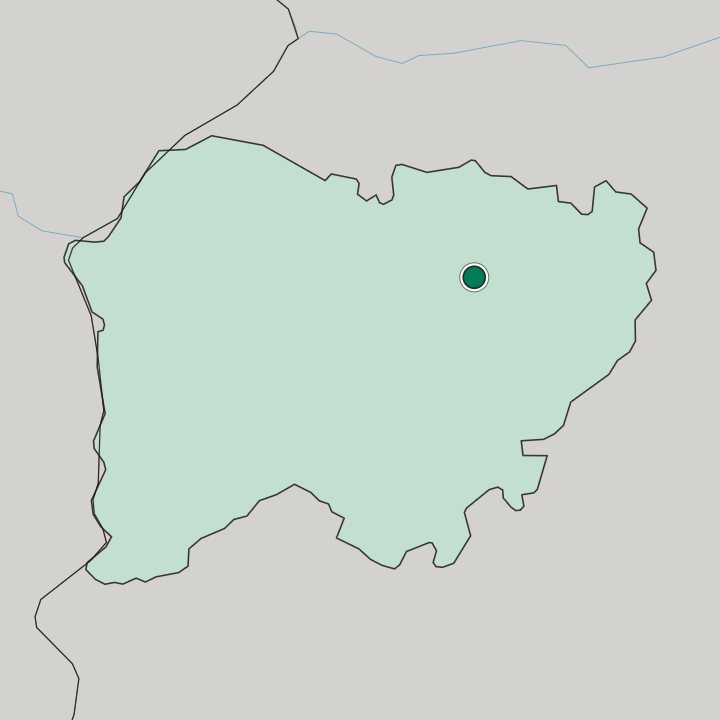
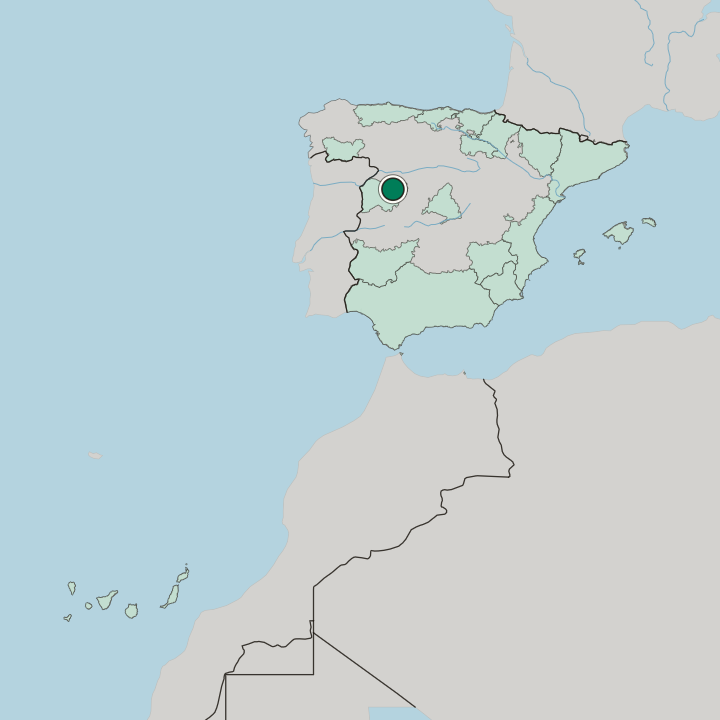
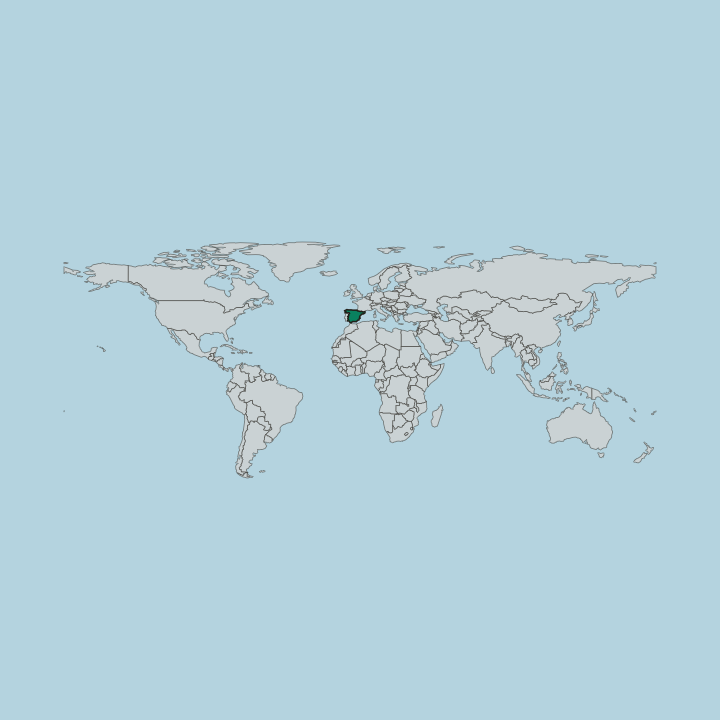
Salamanca is the capital of the Province of Salamanca, in Castilla y León, and the city straddles the Tormes on the northern half of the Meseta Central. Open tableland surrounds it. The city belongs to the comarca of Campo Charro, and the Tormes is the one strong natural line in a setting that otherwise runs level away from the built-up quarters in every direction.
Everything inscribed as the Old City of Salamanca falls within a compact walk.
What is the climate of Salamanca?
The Meseta Central governs the year here. Salamanca sits on the plateau's northern half, in the temperate band, so summer days run warm, winter nights run cold, and the gap between the two is wider than any coast would allow. Stone holds the heat.
The shade of the Plaza Mayor and the cool inside Salamanca Old Cathedral are the standard refuge in the hottest hours, and spring and autumn are the kinder seasons for walking the Old City of Salamanca.
How do you get to Salamanca?
Salamanca is reached overland across the Meseta Central, and most arrivals come from elsewhere in Castilla y León or from farther out across the Iberian Peninsula. The centre then belongs to walkers. From the Plaza Mayor, the Escuelas Mayores de Salamanca, La Clerecía and both cathedrals are minutes apart, and crossing the Tormes brings the river walks and Casa Lis into the same short circuit.
A car helps only for Campo Charro.
Common questions
What is the best area to stay in Salamanca?
On the Plaza Mayor: a first visit built around the square. The university quarter: lecture-hall sightseeing and student streets. Toward the Tormes: river mornings and the Casa Lis collection. The modern city: drivers heading out into Campo Charro.
Good for
More cities in Castilla y León
Updated October 2026