Spain
Castilla y León, Spain — Towns & Travel Guide
Castilla y León is Spain's largest region, a high inland plateau of medieval cities strung along the Duero.
Hotel links are affiliate links: booking through them may earn us a commission, at no extra cost to you. It never affects how places are ranked. How this works


Towns & cities in Castilla y León
Pick a town or city — each links to where to stay.

 Spain
Spain
Valladolid
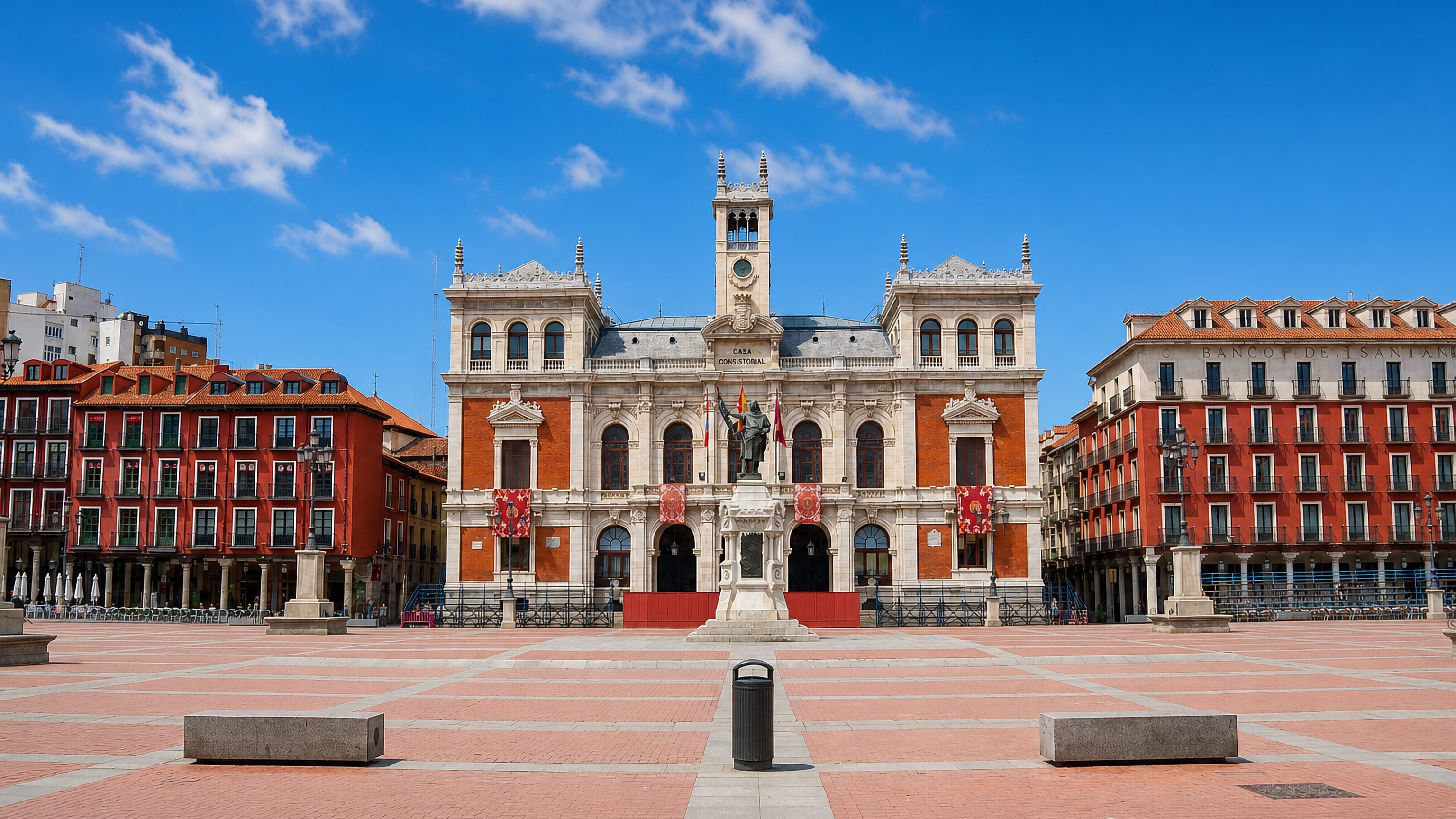
Herreran stone rises over the Pisuerga in Valladolid, the largest city of Castilla y León, known for Holy Week sculpture and an unfinished cathedral.Where to stay →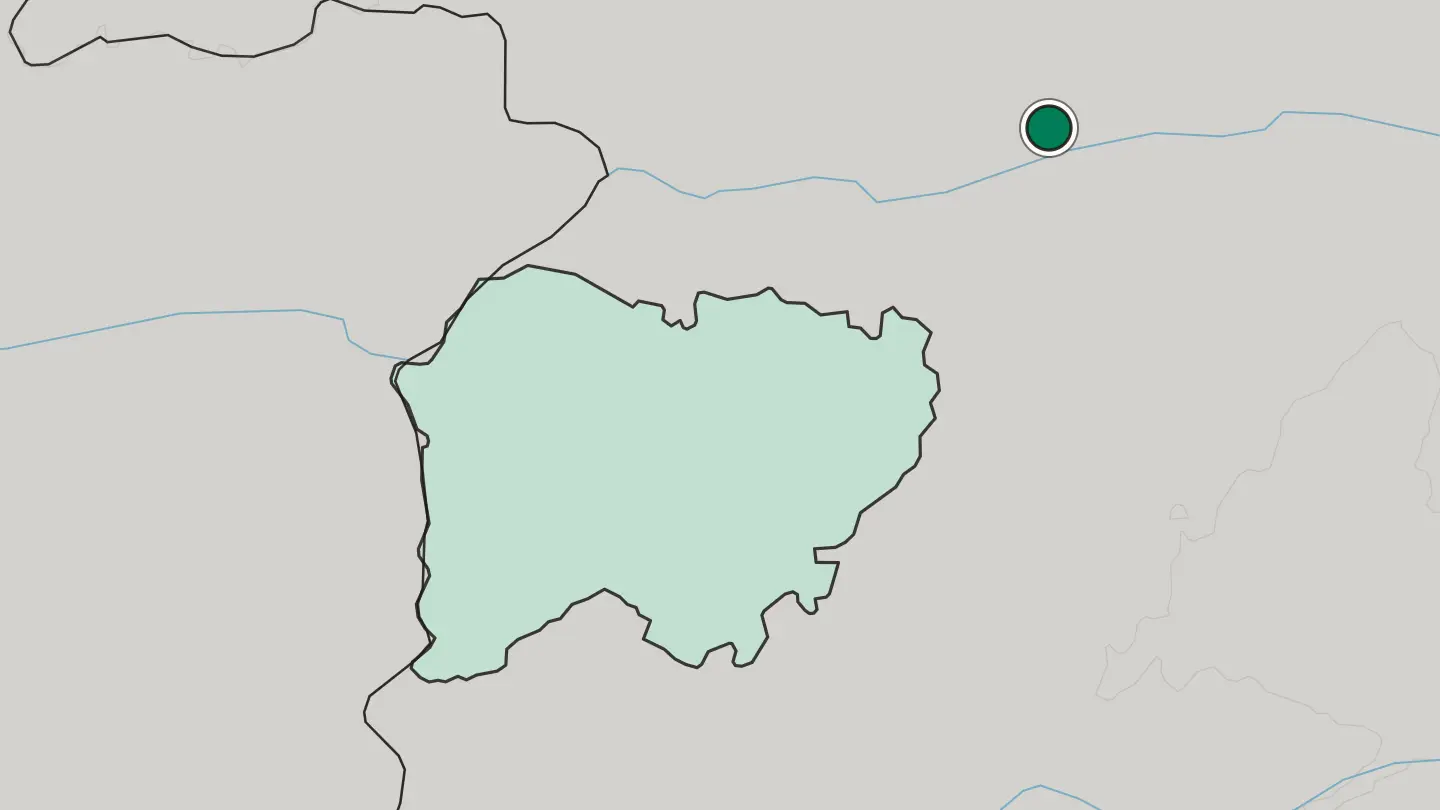
 Spain
Spain
Burgos
Founded in 884, Burgos is a Camino de Santiago stop in Castile and León, and its cathedral, a UNESCO World Heritage site, holds the tomb of El Cid.Where to stay →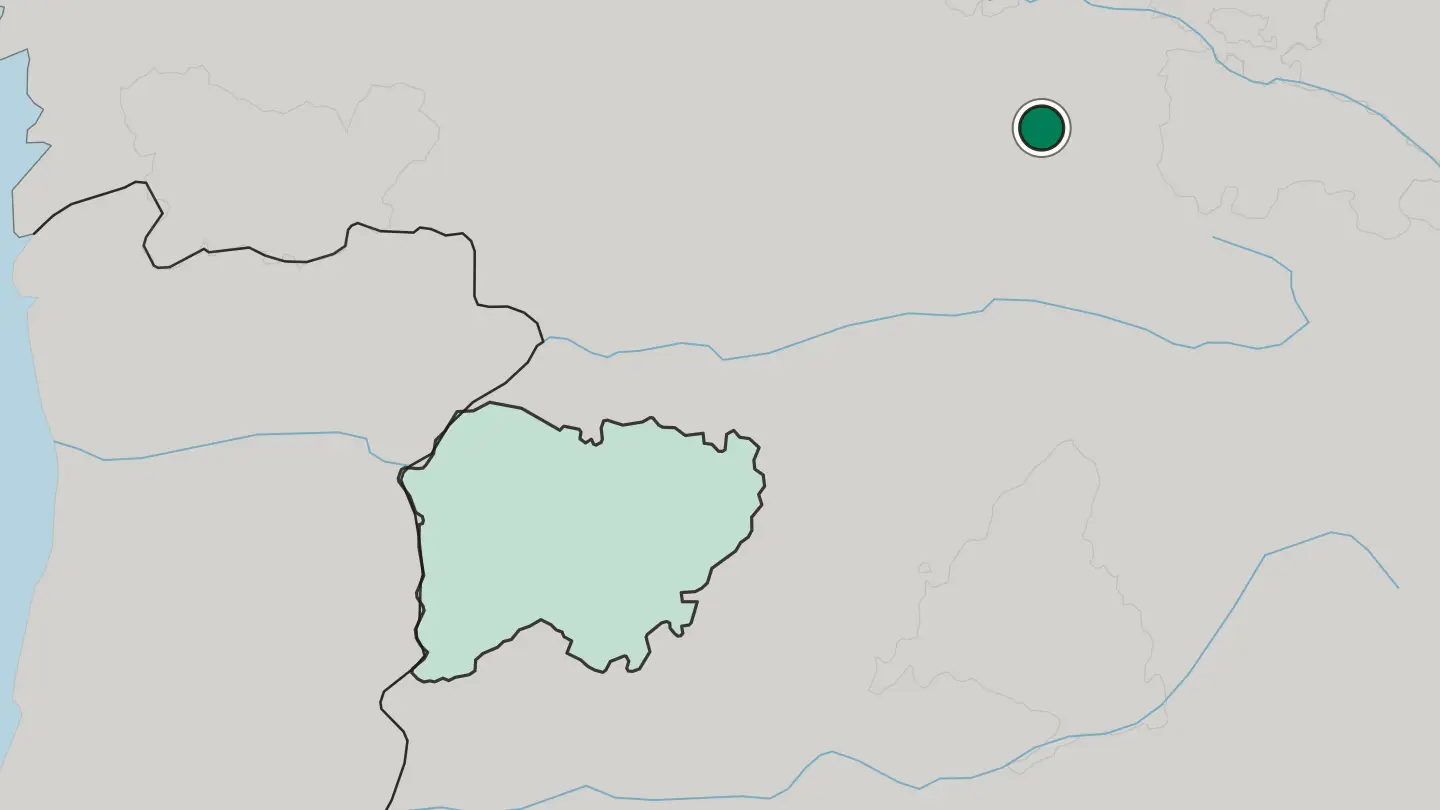
 Spain
Spain
Salamanca
Salamanca is a university city on the Tormes in Castilla y León, with a UNESCO-listed old town gathered around its Plaza Mayor.Where to stay →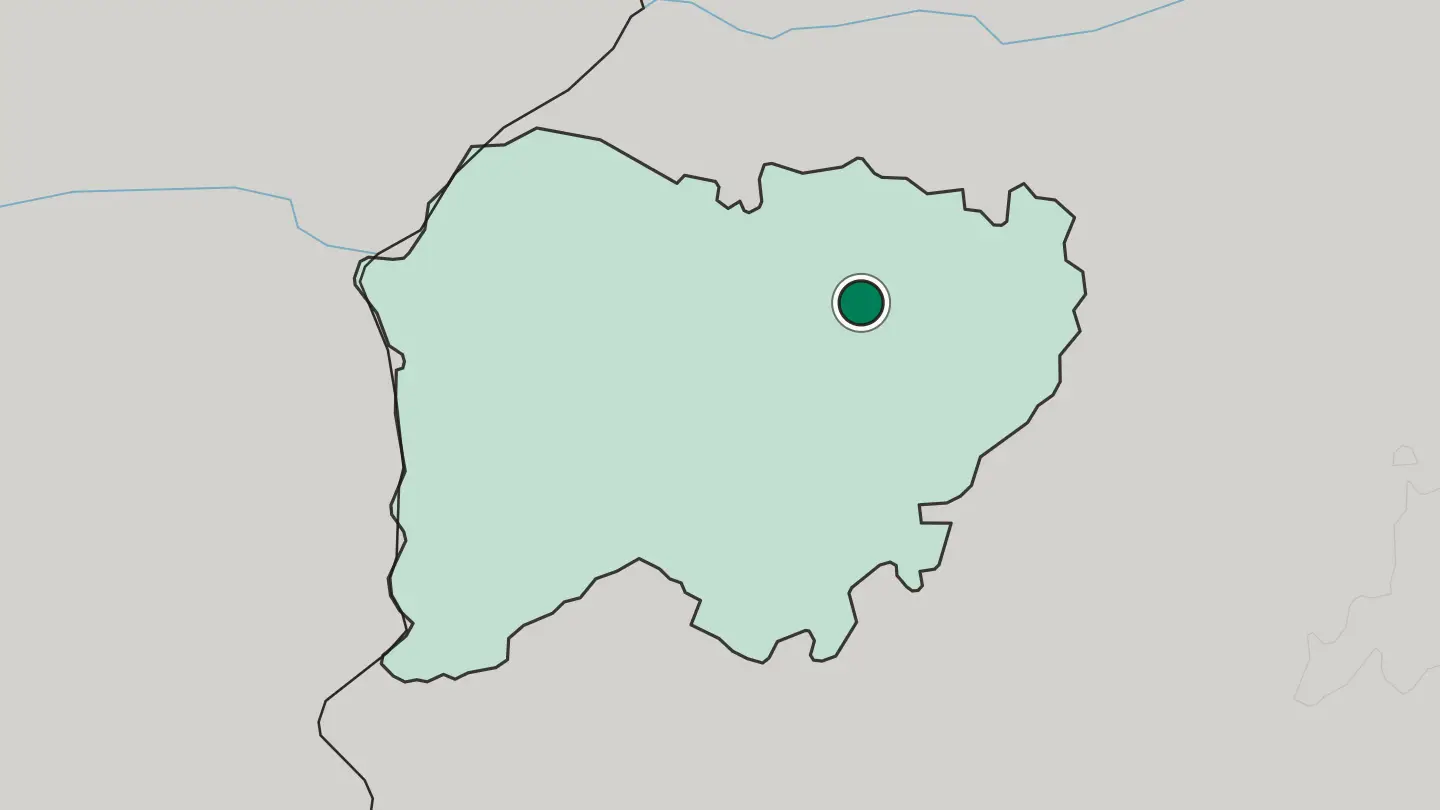
 Spain
Spain
León
Capital of its province between the Bernesga and the Torío, León keeps its old walls and a place on the Camino de Santiago.Where to stay →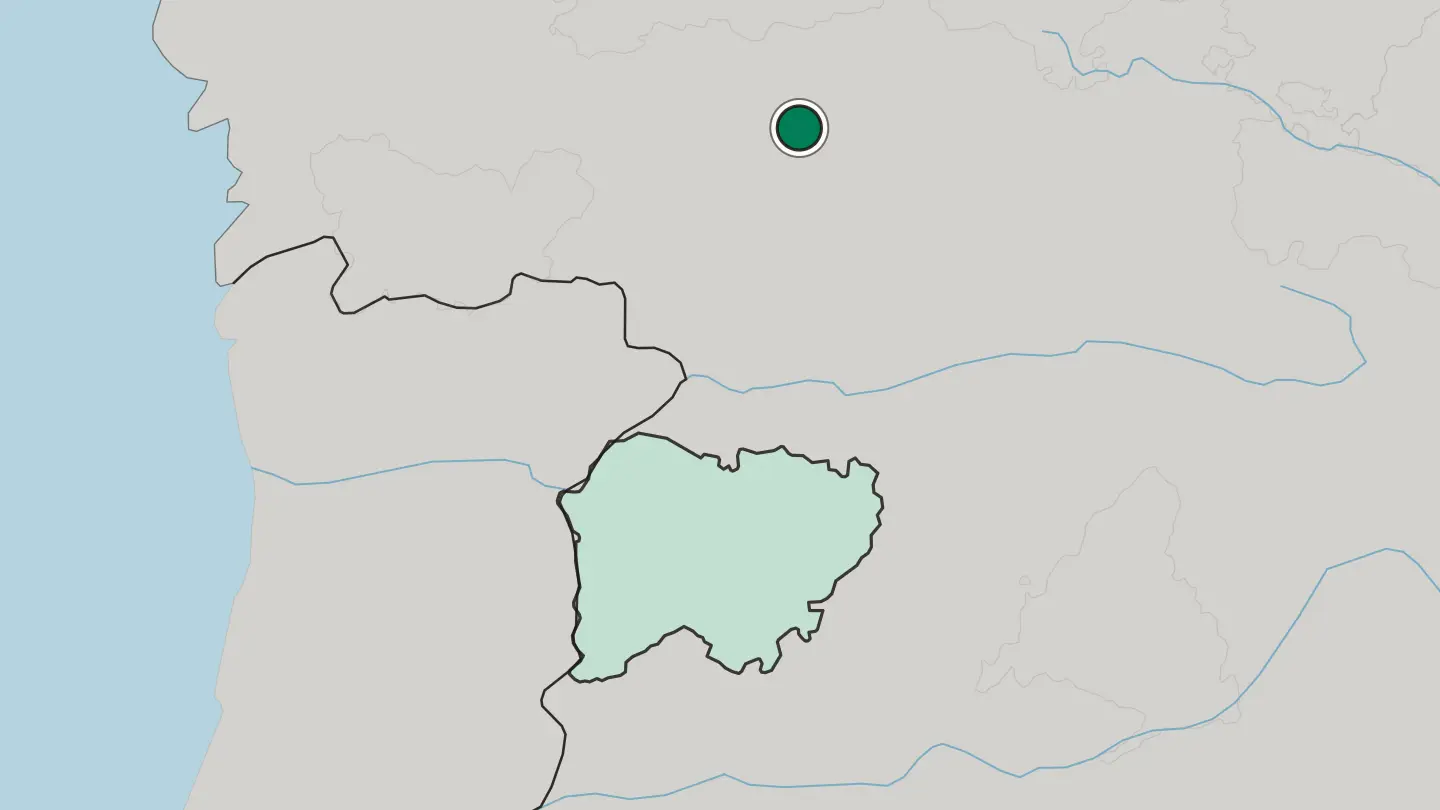
 Spain
Spain
Palencia
Palencia is the capital of its province in Castilla y León, an industrial-era city grown around the older stone of Palencia Cathedral.Where to stay →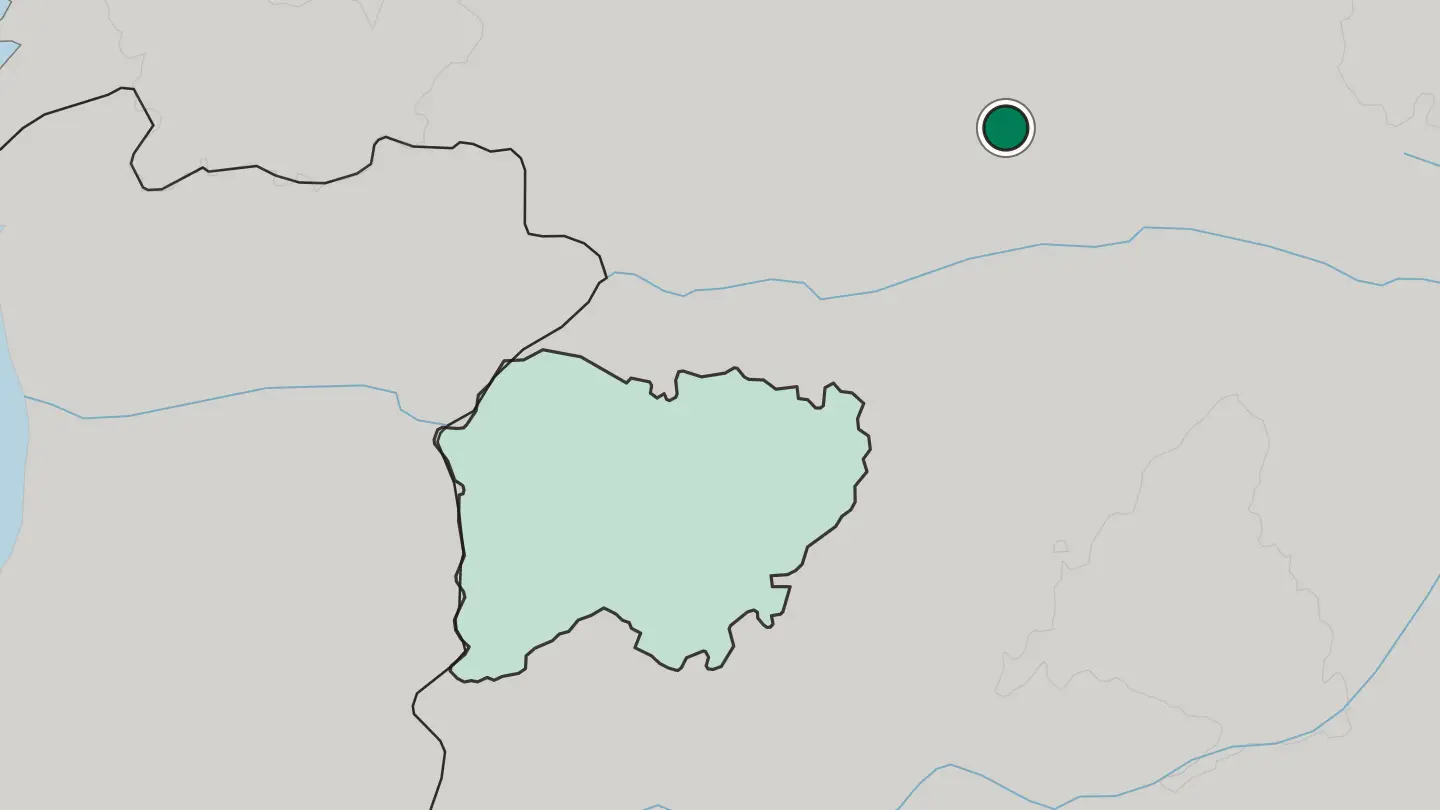
 Spain
Spain
Ponferrada
Ponferrada is a castle town in Castilla y León, where Ponferrada Castle anchors a centre of parish churches, a clock tower and industrial museums.Where to stay →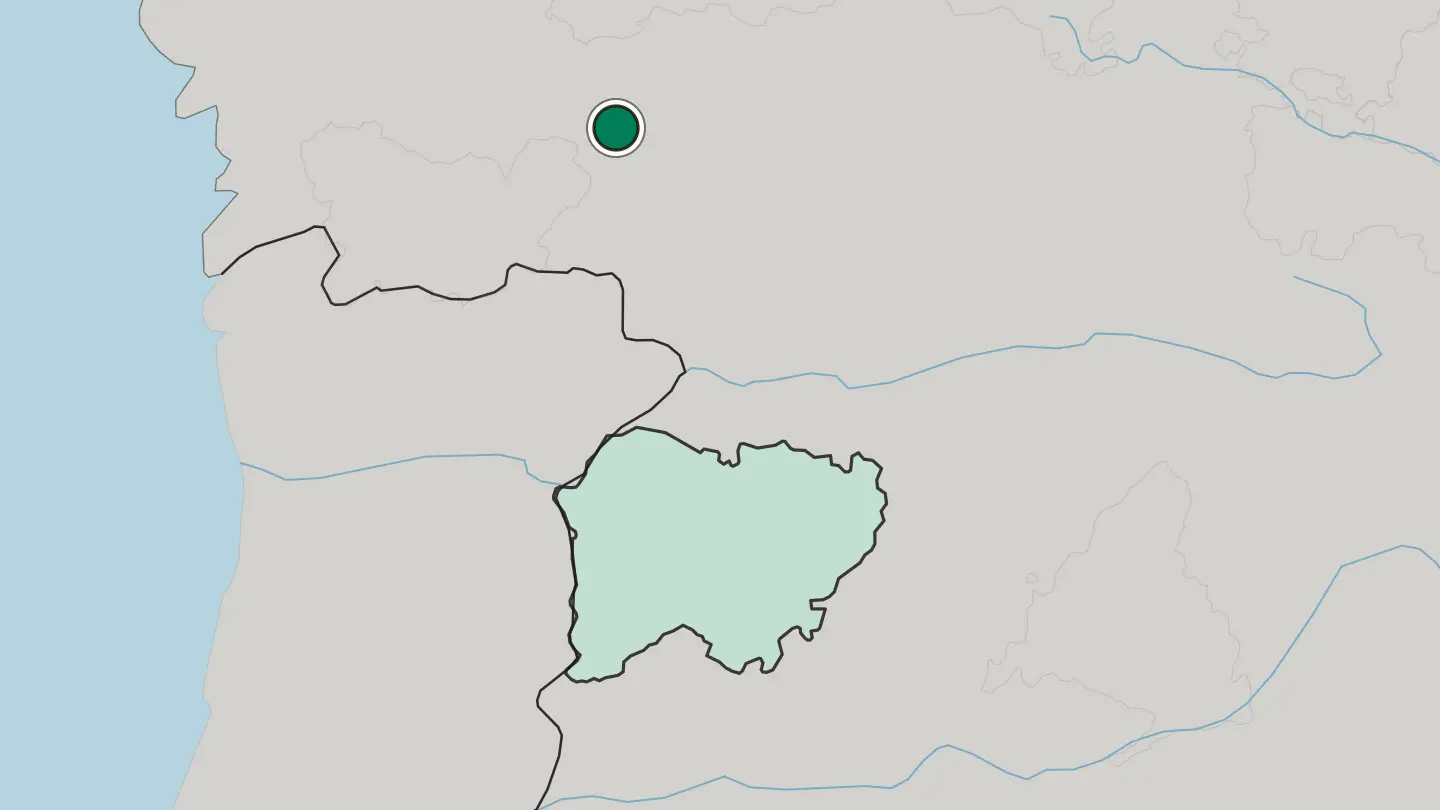
 Spain
Spain
Zamora
Zamora straddles the Duero in Castilla y León, a walled old town holding more Romanesque churches than any other city in Europe.Where to stay →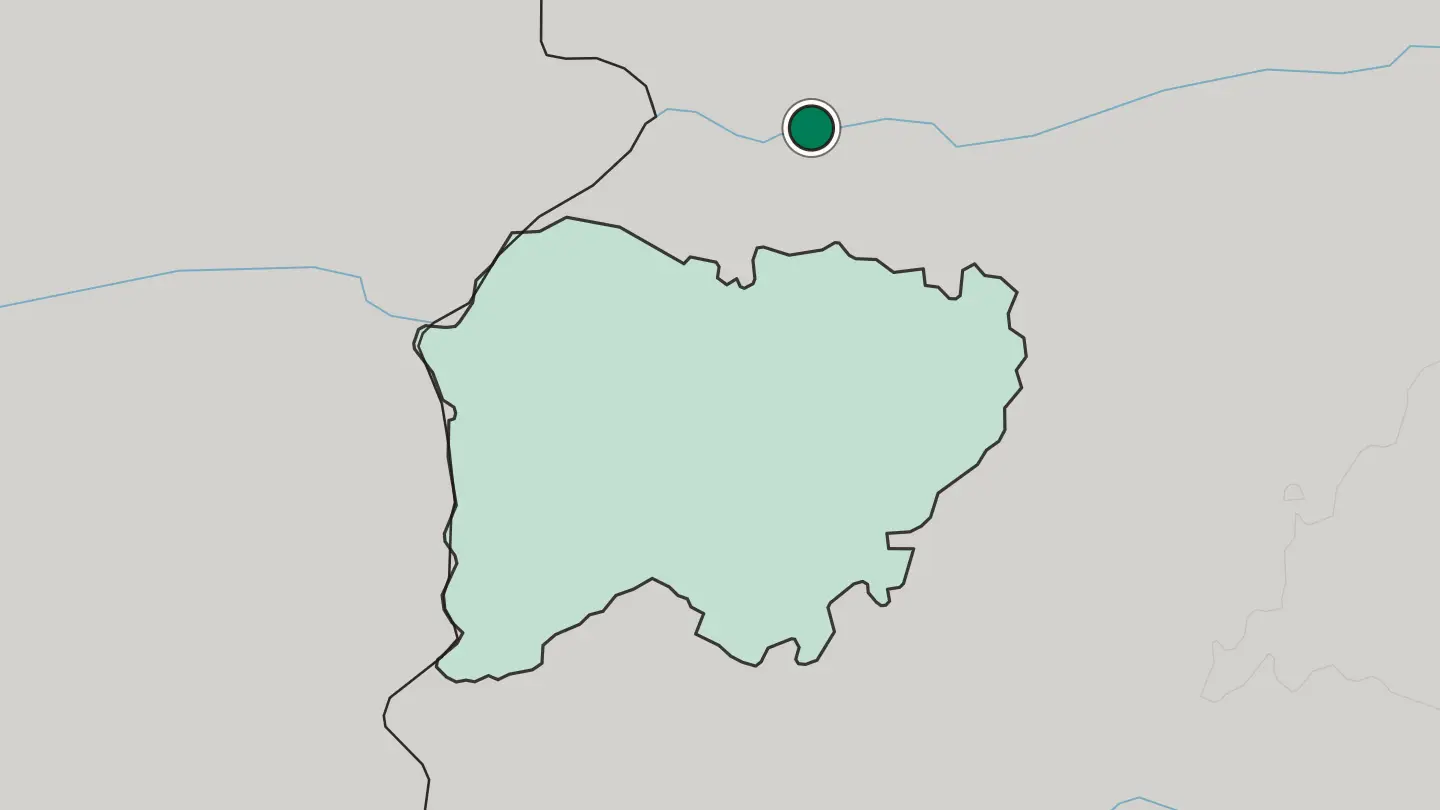
 Spain
Spain
Ávila
Ávila is a provincial city in Castilla y León whose old core is built from parish churches, monastic houses and stone palaces.Where to stay →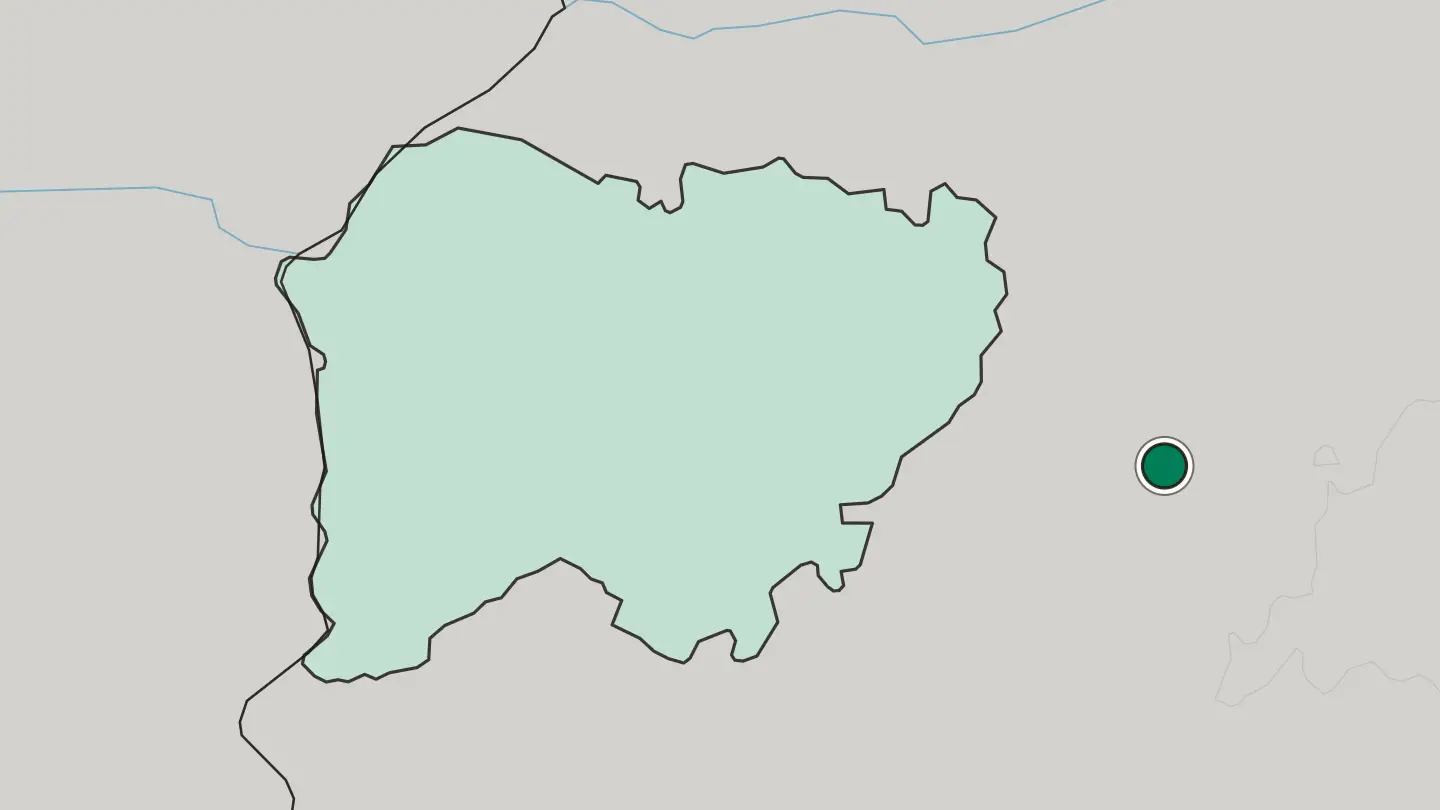
All towns & cities (9)
 Spain
Spain
Segovia
Segovia stands on a bend of the Eresma in Castilla y León, its Roman aqueduct and cathedral held inside a UNESCO-listed old town.Where to stay →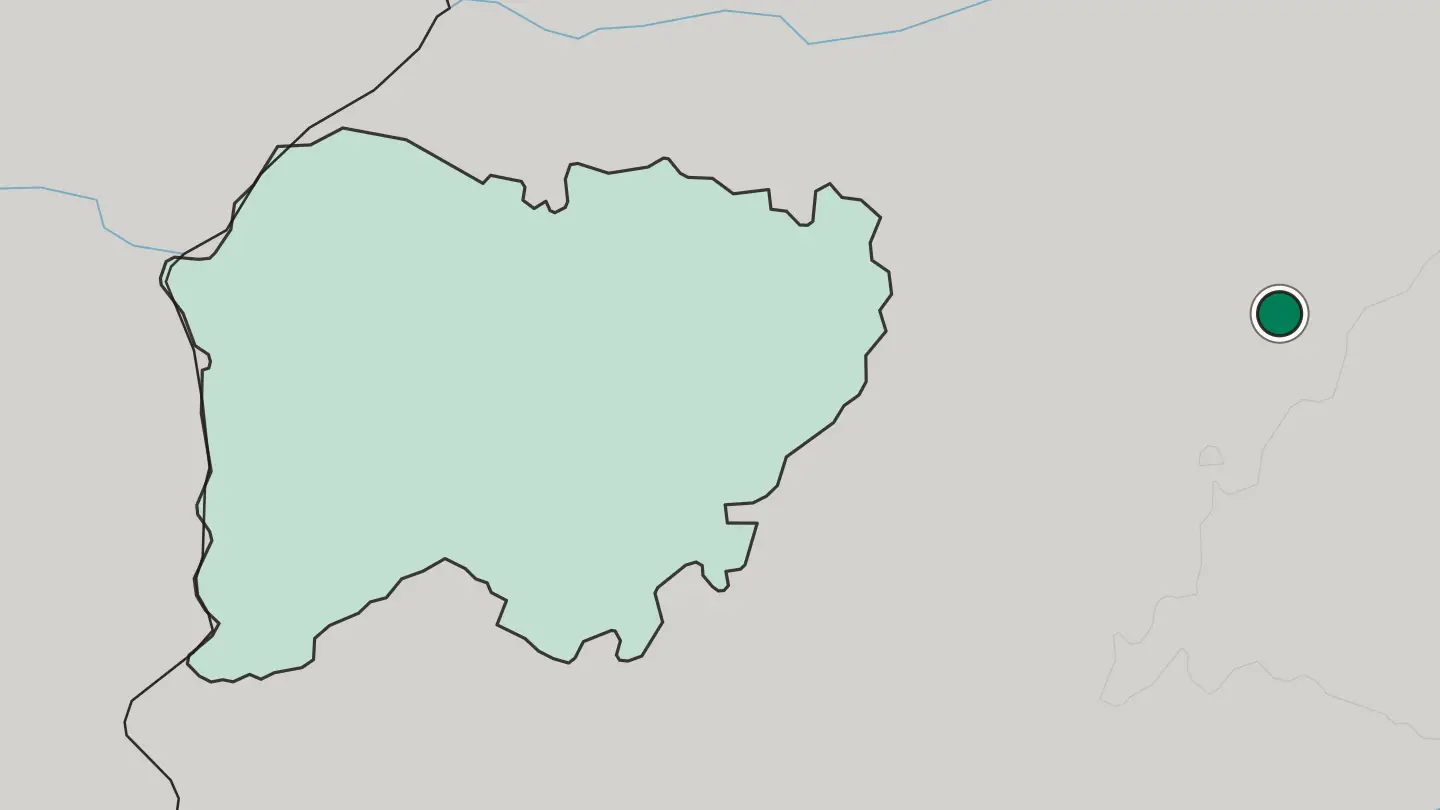
Hotel links are affiliate links: booking through them may earn us a commission, at no extra cost to you. It never affects how places are ranked. How this works
About Castilla y León
What is Castilla y León known for?
Castles gave the region half its name, and stone is everywhere. Segovia keeps a Roman aqueduct whose granite blocks hold together without mortar. Salamanca grew around a sandstone university that Alfonso IX chartered in 1218, the oldest in the Spanish-speaking world.
Burgos raised one of Spain's great Gothic cathedrals over the tomb of El Cid, while Ávila still sits inside a full ring of medieval walls. Four of the nine provincial capitals carry UNESCO listings. The Duero threads its vineyards between them.
Where is Castilla y León?
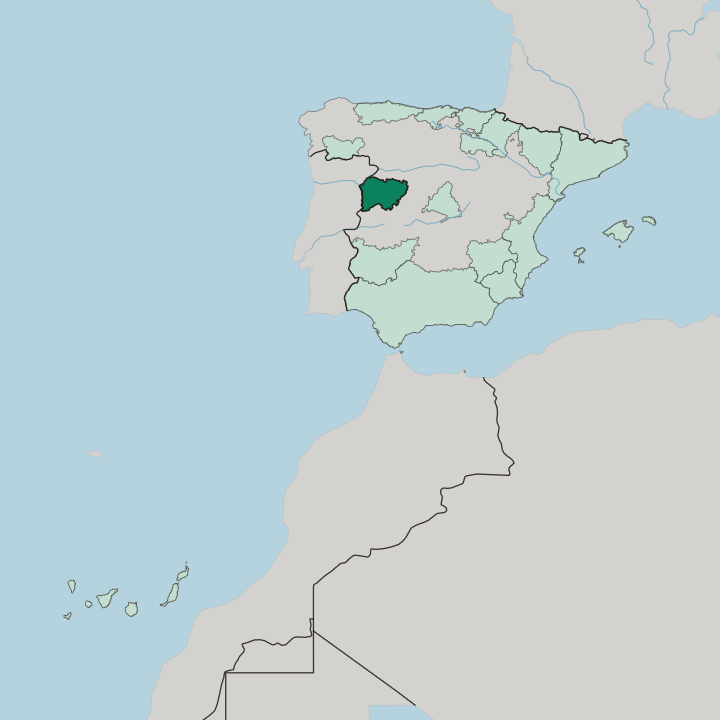
Castilla y León fills the northern half of Spain's inland tableland, the Meseta Central. Castile and León touches no sea. No other autonomous community covers more ground, and much of that ground is a single open plateau sitting around 800 metres above the sea.
The Duero crosses the whole of it from east to west. That river rises in the Picos de Urbión above Soria, gathers its tributaries across the tableland, and carries the region's water toward the Atlantic through Portugal. Mountains wall the plateau on almost every side.
The Cantabrian range and the Montes de León close it off to the north, the Sistema Central rises along the south toward Madrid, and the Sistema Ibérico edges it to the east. Portugal lies along the western frontier, where the Duero cuts a deep gorge. Nine provinces make up the region, among them Valladolid, Burgos, León, Salamanca, Segovia and Soria.
Those mountain barriers hold back the sea air. That is why the interior of the plateau stays so persistently dry through the year. The plateau is the region, and the river is its spine.
What is Castilla y León like?
This is the Castilian heartland, and its speech is the standard. The Castilian dialect of the plateau became the Spanish now spoken across the world, and the region treats that inheritance as its own. Older tongues survive at the edges.
Leonese lingers in the north and west, and Galician is heard where the land meets Galicia. Learning holds a central place here. Salamanca's university, chartered in 1218, drew scholars alongside Bologna, Paris and Oxford, and Miguel de Unamuno taught within its walls.
Stone tells much of the rest of the story. Romanesque churches line the Camino de Santiago, Gothic cathedrals rise over León and Burgos, and Renaissance façades cluster around the Plaza Mayor of Valladolid. Food is plateau food, roasted and unhurried.
Roast suckling pig defines Segovia and Arévalo, roast lamb the tables of the Ribera del Duero, and the vineyards along that river pour some of Spain's most serious reds. The culture is austere and monumental, shaped by high ground and long winters.
What is the history of Castilla y León?
The region's name records a long marriage of two crowns. Its Kingdom of León held the north-west during the early Reconquista, and the County of Castile grew out of that same eastern frontier before becoming a kingdom in its own right. The two rivals split and merged repeatedly.
Ferdinand III made the union permanent in 1230, joining León to Castile and pointing their combined armies south against the Moorish taifas. Six centuries on, the modern autonomous community gathered nine provinces of Old Castile and León under one government at Valladolid in 1983.
What is the climate of Castilla y León?
The plateau gives Castilla y León a hard continental climate. Winters are long and genuinely cold, with January averages of a few degrees and hard frosts settling over the Meseta from December into February. Summers arrive short, hot and dry.
Rain stays scarce on the tableland because the Cantabrian Mountains and the Sistema Central strip the sea air of its moisture before it ever reaches the interior. Spring and autumn bring what little falls. The winters are the thing to plan around.
How do you get to Castilla y León?
Most travellers reach the region through Madrid. High-speed trains climb over the Sistema Central from the capital and reach Valladolid in about an hour, with the same lines serving Segovia, Salamanca and León. Valladolid keeps a small airport of its own, though the wide choice of flights sits at Madrid.
Being landlocked, the region has no port and no coast. Inside it, the plateau is broad and the towns lie far apart, so a car turns the vineyards and walled villages into an easy day. Rail ties the big cities together.
Common questions
What is the best area to stay in Castilla y León?
Valladolid: a central base with fast rail to Madrid. Salamanca: history and nightlife in one walled centre. Segovia: the aqueduct and the Sistema Central foothills. León: the pilgrim route and the northern plateau.
Good for
More regions in Spain
Updated September 2026