Spain · Castilla y León
Where to Stay in Valladolid, Castilla y León
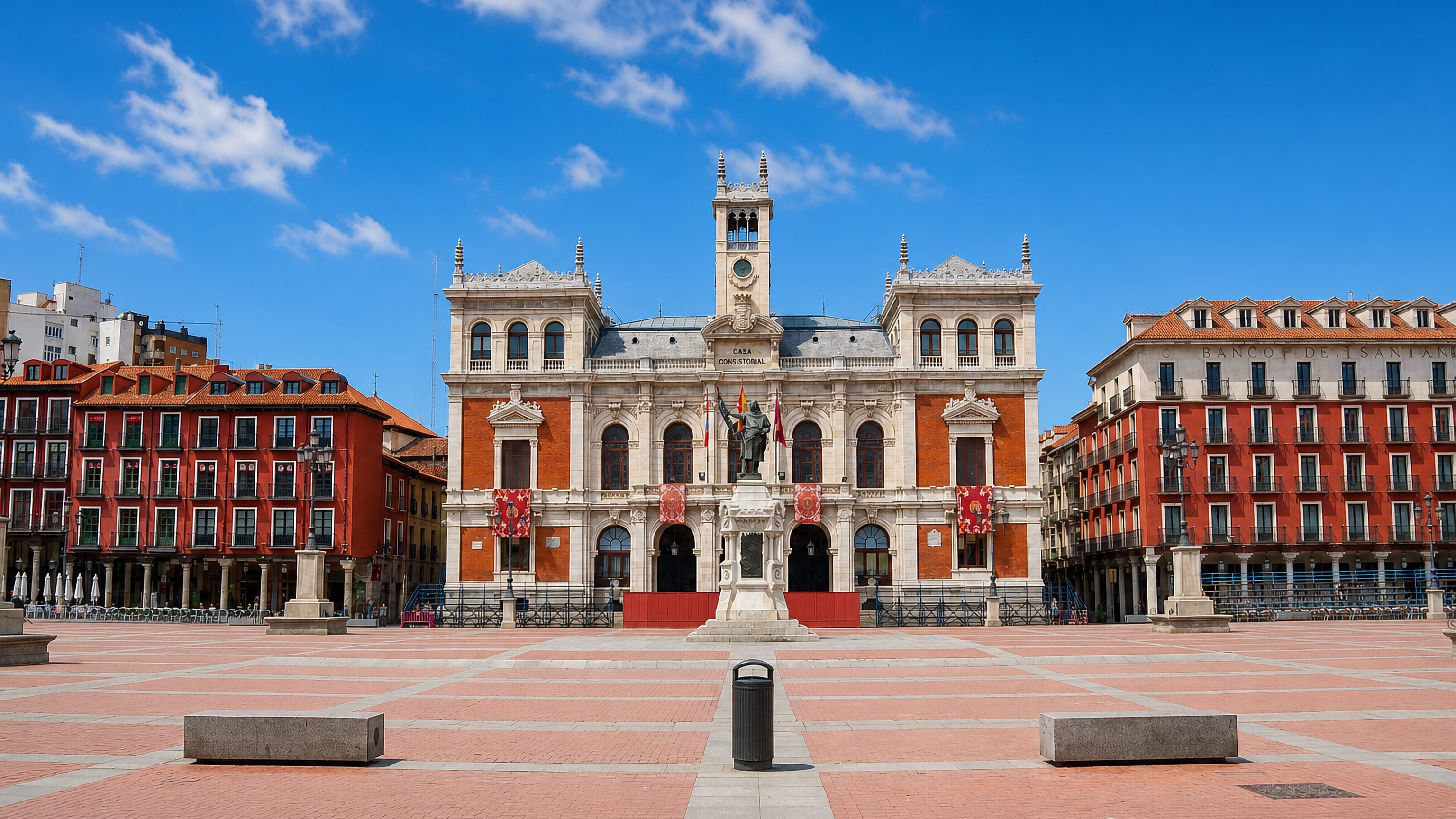
Herreran stone rises over the Pisuerga in Valladolid, the largest city of Castilla y León, known for Holy Week sculpture and an unfinished cathedral.
Hotel links are affiliate links: booking through them may earn us a commission, at no extra cost to you. It never affects how places are ranked. How this works


Where to stay in Valladolid
Where visitors usually base themselves, and why.
Valladolid keeps its beds in a tight ring around the Plaza Mayor. The square is the oldest of its kind in Spain, rebuilt on a single plan after fire took the medieval town in 1561, and the arcaded blocks around it still hold most of the city's rooms. Little of Valladolid lies far off.
Everything from the Cathedral of Valladolid to the Museo Casa de Cervantes sits within fifteen minutes on foot, and the tapas bars of Calle Correos and Calle Campanas take over after dark. Campo Grande suits arrivals by train. The quarter takes its name from the park outside Valladolid Campo Grande station, where peacocks walk under the cedars, and it puts you on wide nineteenth-century streets rather than in the medieval knot.
Families cross the water instead. Huerta del Rey spreads on the far bank of the Pisuerga, low and modern, close to the Valladolid Science Museum and the river walks, with the parking the old centre cannot give. The museum quarter around the Colegio de San Gregorio and the Church of San Benito el Real is quieter again, and it empties once the galleries shut.
Find hotels in Valladolid
Direct booking searches for these neighbourhoods.
Centro
The arcaded square rebuilt on one plan after the 1561 fire, with the Cathedral of Valladolid minutes offFind hotels in CentroRail arrivals who want cedars and peacocks outside the doorCampo Grande
Wide nineteenth-century streets beside the park at Valladolid Campo Grande stationFind hotels in Campo GrandeDrivers and families on the far bank of the PisuergaHuerta del Rey
Low modern blocks by the Valladolid Science Museum and the river walksFind hotels in Huerta del ReyHotel links are affiliate links: booking through them may earn us a commission, at no extra cost to you. It never affects how places are ranked. How this works
Things to do in Valladolid
Ranked by global recognition; descriptions from Wikidata (CC0).
Museums & Galleries
4- National Museum of Sculpture Heritage
- Museo Casa de Cervantes Heritage
- Santa María la Real de las Huelgas Heritage
- Museo de Valladolid Heritage
Churches & Religious Sites
5- Cathedral of Valladolid Heritage
- Church of San Benito el Real Heritage
- Church of El Salvador, Valladolid Heritage
- Monastery of Nuestra Señora del Prado Heritage
- Convent of Las Descalzas Reales Heritage
Castles & Historic Sites
7- Colegio de San Gregorio Heritage
- Valladolid Royal Palace Heritage
- Palacio de Pimentel Heritage
- Pasaje Gutiérerz Heritage
- Vivero Palace Heritage
Show 2 more →
- Facade of the University of Valladolid Heritage
- Palacio de Fabio Nelli Heritage
Landmarks & Notable Places
2- Monument to Columbus
- Casa Revilla (Valladolid)
worth knowingacross 4 categories in Valladolid
About Valladolid
What is Valladolid known for?
Valladolid is known for the polychrome wood sculpture of its Holy Week and for a cathedral that was never finished. Wood does the talking. Gregorio Fernández and Juan de Juni carved the processional figures that the National Museum of Sculpture keeps in the Colegio de San Gregorio, and every spring they leave the cases and go out through the streets.
Kings married here. The Vivero Palace saw Ferdinand and Isabella wed in 1469, and the Museo Casa de Cervantes stands where the novelist lodged while the court sat in the city.
What are the main landmarks in Valladolid?
Valladolid built its cathedral only halfway. Juan de Herrera drew the Cathedral of Valladolid for Philip II, the money ran out, and what stands is one bare tower and a nave that stops where the plan kept going. Sculpture fills the gap.
The National Museum of Sculpture holds the country's finest polychrome wood inside the Colegio de San Gregorio, whose stone facade is carved like lace, and the Palacio de Fabio Nelli, the Church of San Benito el Real and the Monument to Count Ansúrez mark the rest of the old town.
What is the history of Valladolid?
Count Pedro Ansúrez refounded Valladolid on the Pisuerga in the eleventh century. He and his wife bridged the river, raised a collegiate church on the site the cathedral would later take, and pulled a market town out of empty Duero country. The town grew on wool and law.
By the fifteenth century its fairs and its royal chancery had made it the working capital of Castile, and in 1469 Ferdinand and Isabella were married in the Vivero Palace without their families' consent. A university has taught here since the thirteenth century, and its baroque facade still faces the cathedral across a narrow square. Printers and lawyers came with the chancery.
Fire took the medieval streets in 1561, and the rebuilt Plaza Mayor became the model every Spanish city copied. Columbus died here in 1506. Philip III moved the whole court from Madrid to Valladolid in 1601, which brought Cervantes to the house the Museo Casa de Cervantes preserves, and took it away again five years later.
The city never recovered that rank. What followed was slower: grain, the railway workshops of the nineteenth century, and the flour and car plants along the road out to Palencia.
Where is Valladolid?
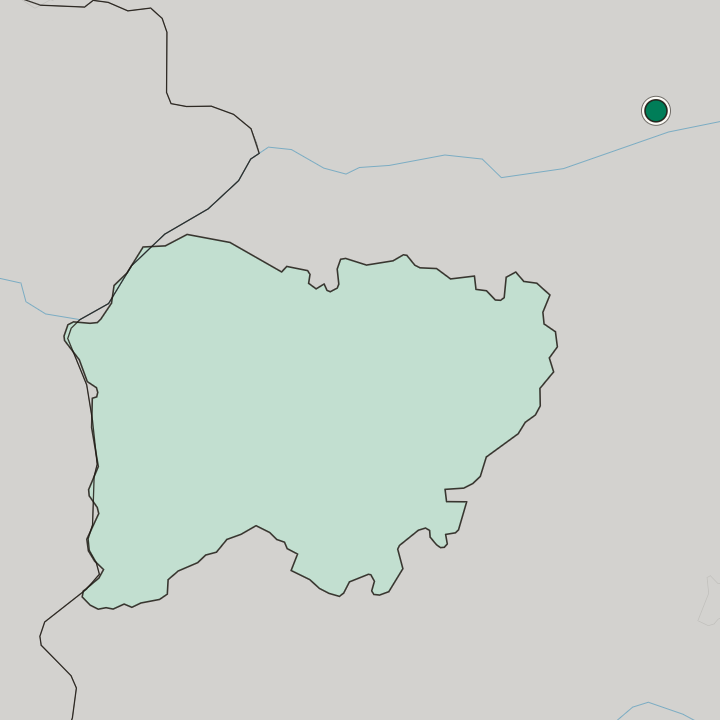
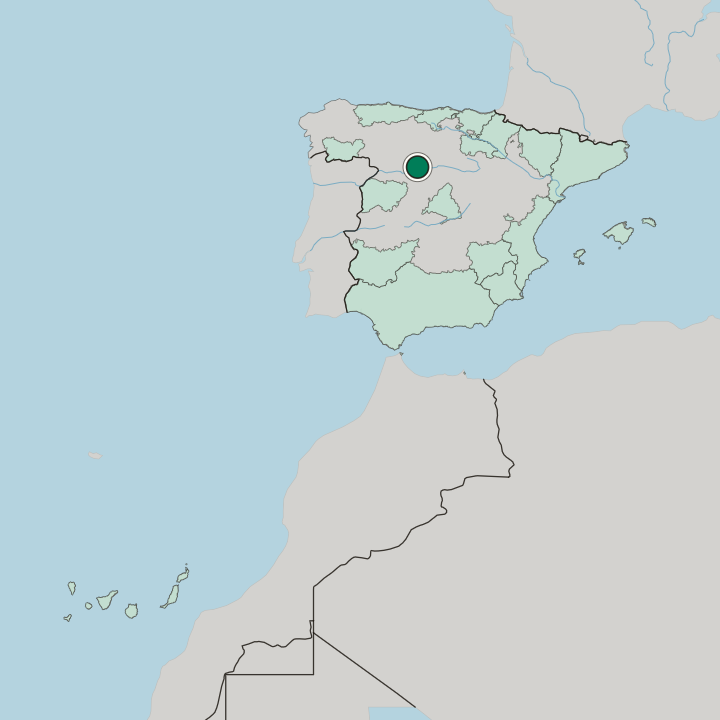
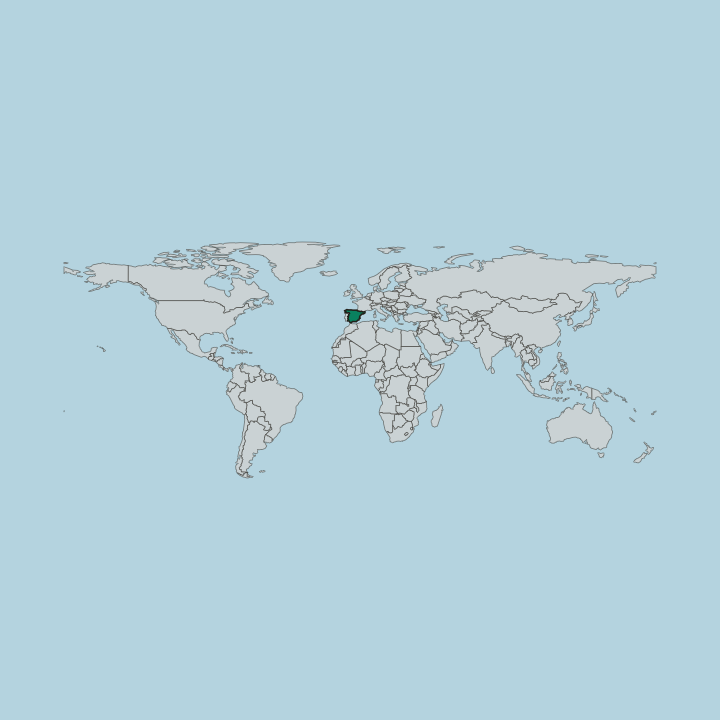
Valladolid sits on the northern meseta of Spain, where the Esgueva runs into the Pisuerga. The land around is a high tableland of cereal and vine, nearly treeless, tilted so gently that the river valleys give the only relief in any direction. Pine woods hold the sandy east.
Southward the ground drops to the Duero, and the Cordillera Cantábrica closes the horizon far to the north.
What is the climate of Valladolid?
Valladolid runs to extremes because the meseta gives the weather nothing to soften it. The Cordillera Cantábrica keeps the Atlantic out, so winters turn dry and hard, and cold fog settles along the Pisuerga for days at a time. Summers burn.
July afternoons on the tableland climb far past comfort, then fall away sharply once the sun is off the wheat, which is why the evening paseo starts late here.
How do you get to Valladolid?
Valladolid Campo Grande station takes the high-speed line from Madrid through the tunnels under the Guadarrama, a run of about an hour. Trains carry on north to León and Palencia from the same platforms, and the A-62 runs past the city on the road between Burgos and Salamanca. Villanubla lies north-west of town.
The airport there is small, so most arrivals come by rail or down the A-6 from Madrid.
Common questions
What is the best area to stay in Valladolid?
Centro: Tapas crawls on Calle Correos with the Plaza Mayor as the hinge. Campo Grande: Rail arrivals who want cedars and peacocks outside the door. Huerta del Rey: Drivers and families on the far bank of the Pisuerga.
Good for
More cities in Castilla y León
Updated October 2026