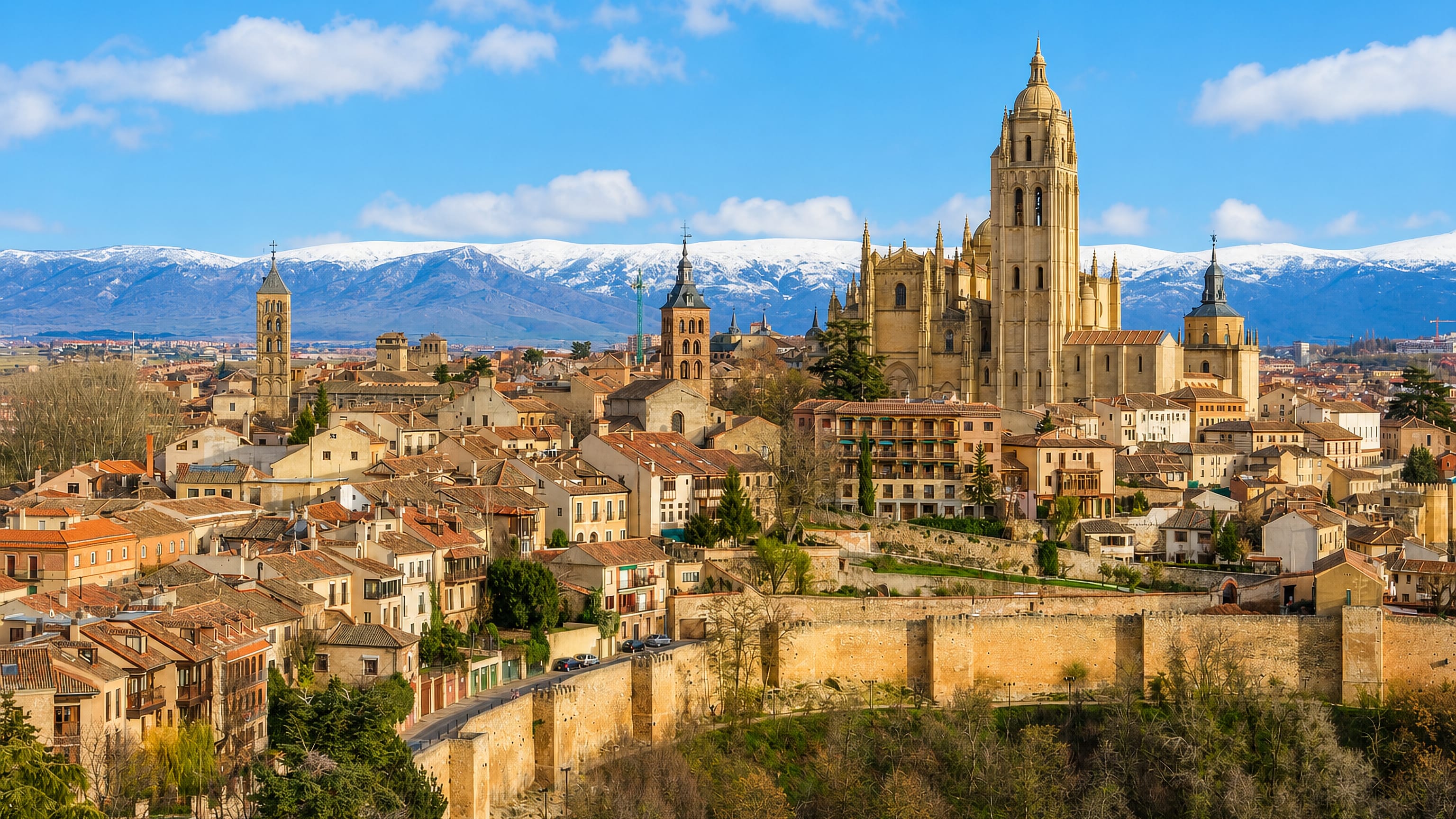
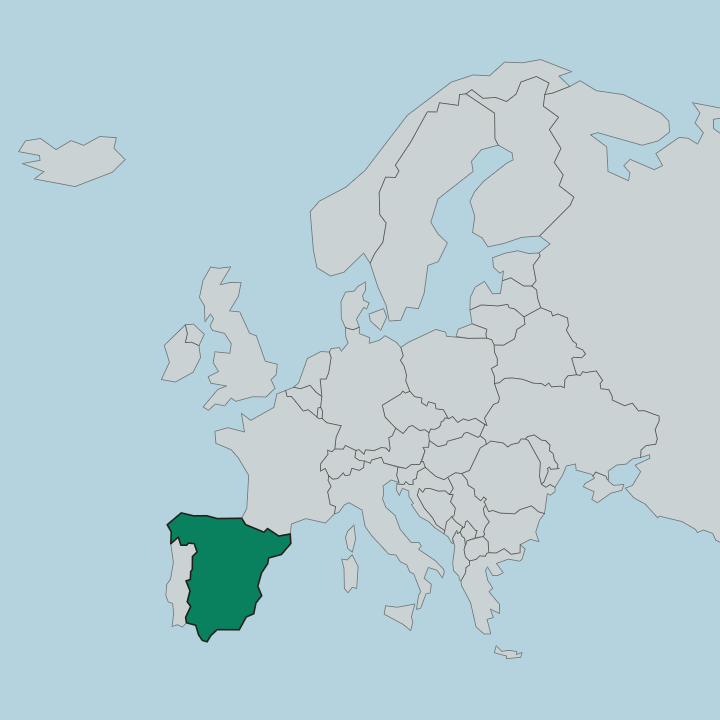
Spain · Castilla y León
Where to Stay in Segovia, Castilla y León
Segovia stands on a bend of the Eresma in Castilla y León, its Roman aqueduct and cathedral held inside a UNESCO-listed old town.
Hotel links are affiliate links: booking through them may earn us a commission, at no extra cost to you. It never affects how places are ranked. How this works


Where to stay in Segovia
Where the beds are, and what that means for the visit.
Segovia rewards a night, not an afternoon. The old town holds most of the beds worth having, and a room between the Aqueduct of Segovia and Segovia Cathedral puts the two headline sights, the Church of San Martín and the evening streets all within a few minutes of the door. Day-trippers leave by dusk.
What follows is the reason to stay. Rooms nearest the aqueduct suit late arrivals, since that is where the road into the old town begins and the walk to anywhere central is short. The cathedral streets are quieter and more residential, closer to the Museo de Segovia and the Casa-Museo de Machado.
Neither choice needs a car. Parking inside the walls is awkward enough that most drivers leave the vehicle outside and walk back in. The Eresma side is a different stay altogether.
Paths along the river reach the Monastery of Santa María del Parral and La Vera Cruz Church, and a room out there trades the old-town crowds for a longer walk back after dinner. Anyone driving on into the Sistema Central will find the newer town outside the walls simpler, with space to park and a straight road out, and the Old Town of Segovia and its Aqueduct still ten minutes away on foot.
Find hotels in Segovia
Direct booking searches for these neighbourhoods.
By the Aqueduct of Segovia
The Aqueduct of Segovia stands at the door, with the road up into the old town starting from it.Find hotels in By the Aqueduct of Segoviaquiet evenings after the day-trippers goThe cathedral streets
Around Segovia Cathedral and the Church of San Martín, close to the Museo de Segovia and the Casa-Museo de Machado.Find hotels in The cathedral streetsmonastery walks and river pathsThe Eresma side
Out on the Eresma near the Monastery of Santa María del Parral and La Vera Cruz Church, away from the crowds. Few places to stay nearby — book ahead.Find hotels in The Eresma sidedrivers going on into the Sistema CentralOutside the walls
Plainer modern streets with space to park and a straight road toward the Sistema Central.Find hotels in Outside the wallsHotel links are affiliate links: booking through them may earn us a commission, at no extra cost to you. It never affects how places are ranked. How this works
Things to do in Segovia
Ranked by global recognition; descriptions from Wikidata (CC0).
Museums & Galleries
3- The Coining House, Segovia Heritage
- Museo de Segovia Heritage
- Museo Zuloaga Heritage
Churches & Religious Sites
8- Segovia Cathedral Heritage
- La Vera Cruz Church Heritage
- Church of San Millán Heritage
- Church of San Martín Heritage
- Monastery of San Antonio el Real Heritage
Show 3 more →
- Church of San Lorenzo Heritage
- Church of San Juan de los Caballeros Heritage
- Church of the Santísima Trinidad Heritage
Castles & Historic Sites
5- Old Town of Segovia and its Aqueduct UNESCO
- Monastery of Santa María del Parral Heritage
- Monastery of San Vicente el Real Heritage
- Casa de los Marqueses de Moya Heritage
- Abrigo del Molino y San Lázaro Archaeological Zone Heritage
worth knowingacross 3 categories in Segovia
About Segovia
What is Segovia known for?
The Aqueduct of Segovia carries the city's fame. Roman work of that scale is rare, and the Old Town of Segovia and its Aqueduct is inscribed as a UNESCO World Heritage Site for what stands around it as much as for the aqueduct itself. Segovia Cathedral comes second, the castle third.
Most visitors arrive from Madrid for the day, an easy trip that leaves the streets to a smaller crowd once the day-trippers have gone, which is the whole argument for staying the night. Evenings are the reward.
What are the main landmarks in Segovia?
The Aqueduct of Segovia comes first for almost everyone. Segovia Cathedral and the castle complete the set of three. Churches fill the gaps between them: the Church of San Martín, the Church of San Esteban, the Church of San Millán and the Church of San Juan de los Caballeros all stand inside the old town.
Museums are smaller. The Museo de Segovia, the Museo Zuloaga and the Casa-Museo de Machado each take one part of the city's story, while the Torreón de Lozoya and The Coining House add two more kinds of building again.
What is the history of Segovia?
Rome left the aqueduct. The Aqueduct of Segovia is the oldest thing the city still shows as a landmark, and the Abrigo del Molino y San Lázaro Archaeological Zone records earlier occupation of the same ground. Later centuries built in stone.
Segovia Cathedral, the Church of San Millán, the Church of San Esteban and the Church of San Lorenzo mark that growth. Monastic houses multiplied. The Monastery of Santa María del Parral, the Monastery of San Antonio el Real, the Monastery of San Vicente el Real, the Monasterio de la Inmaculada Concepción and the Monastery of the Encarnación all belong to the record, and La Vera Cruz Church stands with them.
Five monastic names for one town is a lot. Civic and noble building runs alongside them: The Coining House, the Torreón de Lozoya, the Casa de los Marqueses de Moya and the Old prison of Segovia each survive from a different function. Monuments carry the rest of the memory.
Daoiz and Velarde and Francisco Peralta are commemorated in the streets, the Casa-Museo de Machado keeps a house-museum, and the Museo Zuloaga and the Museo de Segovia hold what the town collected. The whole quarter is inscribed. Old Town of Segovia and its Aqueduct is the title UNESCO lists it under, which puts the arches and the streets they run through beneath one protection.
Where is Segovia?
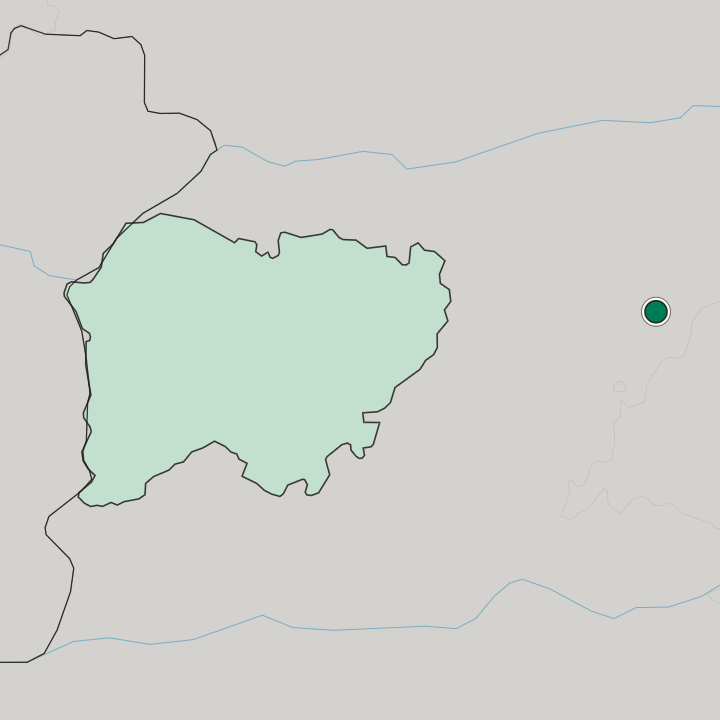
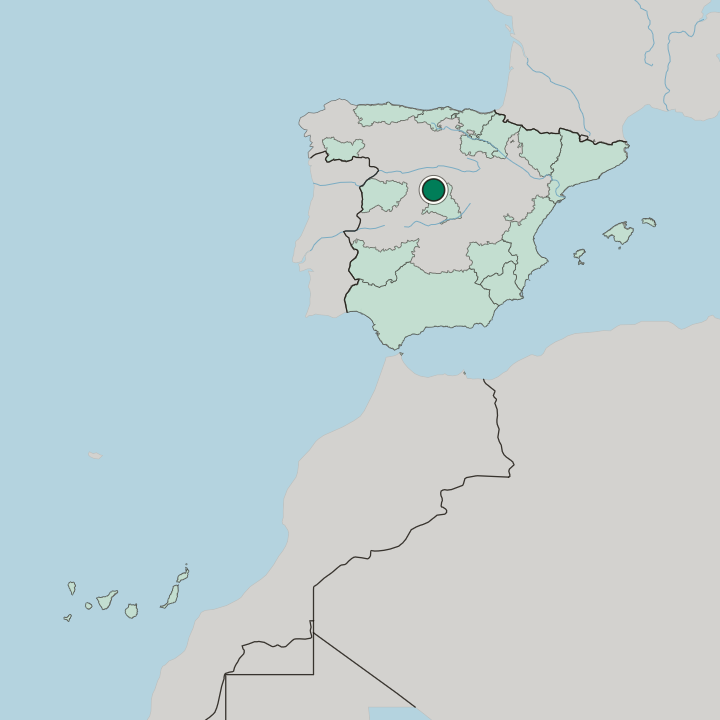
Segovia is the capital of the Province of Segovia, in Castilla y León, and the built city sits on a bend of the Eresma. The Sistema Central rises close by. The old town stands near the northern slopes of that range, on the Inner Plateau of the Iberian Peninsula, which accounts for both the openness of the country around and the mountain weather that reaches the streets.
Segovia lies some 90 km north of Madrid.
What is the climate of Segovia?
The Sistema Central sets the tone. Segovia sits on the Inner Plateau near those slopes, so winter has more edge here than out on the open country, and summer nights cool quickly once the sun is behind the range. Layers matter year-round.
The Aqueduct of Segovia and the old streets are best walked in the long light of spring and early autumn, when the middle of the day stays comfortable and the evenings, which are when the town is at its best, are still warm enough to sit out.
How do you get to Segovia?
Segovia lies some 90 km north of Madrid, and that day-trip is common enough that the streets fill in the middle of the day and empty again by evening. Staying overnight reverses the rhythm. Once inside the old town, walking is the only sensible mode: the Aqueduct of Segovia, Segovia Cathedral and the Church of San Martín stand close together, and the Eresma paths toward the Monastery of Santa María del Parral start from the same streets.
Drivers should park outside the walls.
Common questions
What is the best area to stay in Segovia?
By the Aqueduct of Segovia: late arrivals and the arches at first light. The cathedral streets: quiet evenings after the day-trippers go. The Eresma side: monastery walks and river paths. Outside the walls: drivers going on into the Sistema Central.
Good for
More cities in Castilla y León
Updated October 2026