Spain · Castilla y León
Where to Stay in Zamora, Castilla y León
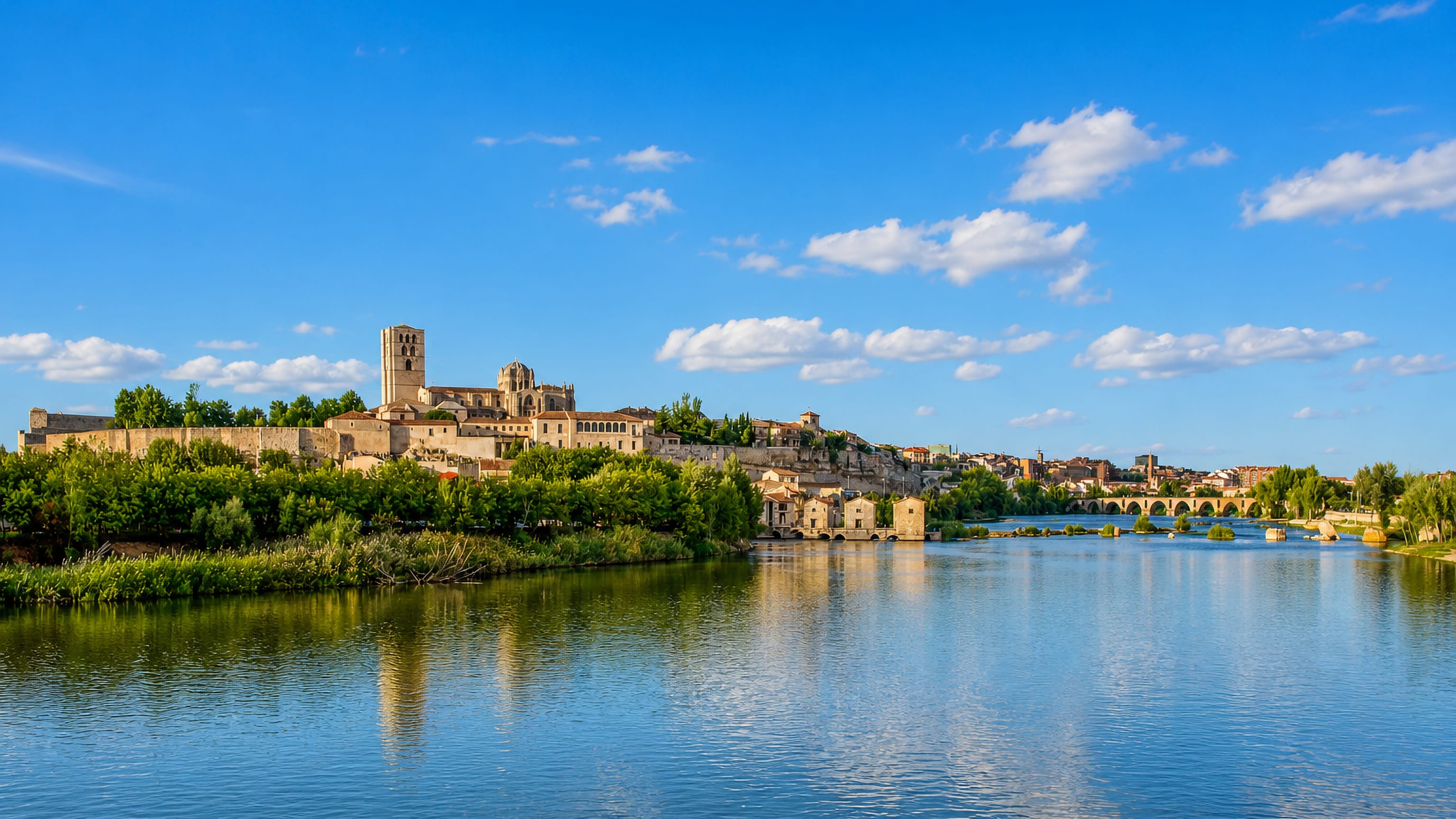
Zamora straddles the Duero in Castilla y León, a walled old town holding more Romanesque churches than any other city in Europe.
Hotel links are affiliate links: booking through them may earn us a commission, at no extra cost to you. It never affects how places are ranked. How this works


Where to stay in Zamora
Where the beds are, and what that means for the visit.
The walls decide it. Inside them sit the Cathedral of Zamora, the Castle of Zamora and the densest run of Romanesque doorways in the city, and a room in that quarter lets you walk from one church to the next without ever taking a bus. Streets are narrow up there.
Cars are more trouble than they are worth. Around the Gate of Doña Urraca the old line of the wall meets plainer streets, and rooms there strike a balance: parking is easier, the walk in is short, and the Church of Santiago del Burgo and the Church of Santa María la Nueva stay close. Rooms get plainer further out.
That suits anyone who wants a base rather than a view, and it is the usual answer for travellers arriving by car with a drive on into the province ahead of them. Toward the Duero the ground opens and the noise falls away, with the Church of San Claudio de Olivares and the river path on that side, though the walk back into the old town is longer than a map suggests. Holy Week changes everything.
Book far ahead for it. The Museo de Semana Santa de Zamora draws its biggest crowds then, and anyone arriving late may end up in the modern centre walking in, which works but takes the old town out of the evening.
Find hotels in Zamora
Direct booking searches for these neighbourhoods.
Inside the walls
Within the medieval wall beside the Cathedral of Zamora and the Castle of Zamora, where the churches are thickest. Beds are limited here, so book early.Find hotels in Inside the wallsa short walk in and somewhere to leave the carBy the Gate of Doña Urraca
Where the Gate of Doña Urraca meets plainer streets, with the Church of Santiago del Burgo still close.Find hotels in By the Gate of Doña Urracariver paths and a quieter nightToward the Duero
Down on the Duero side near the Church of San Claudio de Olivares, well away from the cathedral streets. Lodging is scarce in this area; reserve in advance.Find hotels in Toward the Dueroa Holy Week visit booked lateThe modern centre
Plainer rooms outside the wall, nearest the Museo de Semana Santa de Zamora and simplest for arriving by car.Find hotels in The modern centreHotel links are affiliate links: booking through them may earn us a commission, at no extra cost to you. It never affects how places are ranked. How this works
Things to do in Zamora
Ranked by global recognition; descriptions from Wikidata (CC0).
Museums & Galleries
1- Museo de Semana Santa de Zamora
Churches & Religious Sites
8- Cathedral of Zamora Heritage
- Church of Santa María Magdalena Heritage
- Church of San Juan de Puerta Nueva, Zamora Heritage
- Church of San Pedro y San Ildefonso, Zamora Heritage
- Church of San Cipriano, Zamora Heritage
Show 3 more →
- Church of Santa María la Nueva, Zamora Heritage
- Church of Santiago del Burgo, Zamora Heritage
- Church of Santiago de los Caballeros, Zamora Heritage
Castles & Historic Sites
4- Castle of Zamora, Spain Heritage
- Casa del Cid Heritage
- Gate of Doña Urraca Heritage
- Convento del Tránsito, Zamora Heritage
worth knowingacross 3 categories in Zamora
About Zamora
Romanesque churches, more than anywhere.
What is Zamora known for?
Twenty-four of them stand in the city's characteristic style, raised through the 12th and 13th centuries, which is why Zamora has been called a museum of Romanesque art rather than a town that happens to own some old buildings. Holy Week is the other claim. The Museo de Semana Santa de Zamora keeps what the city brings out for it, and the Monumento al Merlú stands in the streets as a permanent version of the same tradition.
The Cathedral of Zamora anchors the walled centre.
What are the main landmarks in Zamora?
The Cathedral of Zamora is the head of a very long list. Twenty-four Romanesque churches follow it, among them the Church of Santiago del Burgo, the Church of Santa María la Nueva, the Church of San Cipriano, the Church of Santa María de la Horta and the Church of San Juan de Puerta Nueva. The Castle of Zamora and the Gate of Doña Urraca hold the defensive side, and Casa del Cid keeps a name the city has not let go of.
Two collections explain the rest. The Museo de Semana Santa de Zamora and the Centro de Interpretación de las Ciudades Medievales set out Holy Week and the medieval town in turn.
What is the history of Zamora?
Zamora built in stone through the 12th and 13th centuries, and it never stopped showing it. Twenty-four churches of that period survive in the city's characteristic Romanesque manner, a concentration no other city in Europe matches. The Cathedral of Zamora leads them.
The Church of Santiago de los Caballeros, the Church of Saint Isidore, the Church of San Pedro y San Ildefonso and the Church of Santo Tomé each keep a parish dedication from the same run of building. Walls came with the churches. The Castle of Zamora and the Gate of Doña Urraca survive from the defended town, and the Old Town they enclose still reads as a medieval plan rather than a modern one, which is exactly the subject the Centro de Interpretación de las Ciudades Medievales exists to explain.
Casa del Cid carries an older name again. Holy Week is the living part of that inheritance. The Museo de Semana Santa de Zamora holds what the city carries through the streets, the Monumento al Merlú stands in the open for the same tradition, and the churches around them, the Church of Santa María Magdalena, the Church of Saint Vincent, the Church of San Esteban and the Church of Santo Sepulcro, come from the same centuries.
Continuity is the point. The Convento del Tránsito, the Church of San Leonardo, the Church of Saint Lucy and the Church of the Espiritu Santo add more names to a list a smaller city would struggle to keep standing.
Where is Zamora?
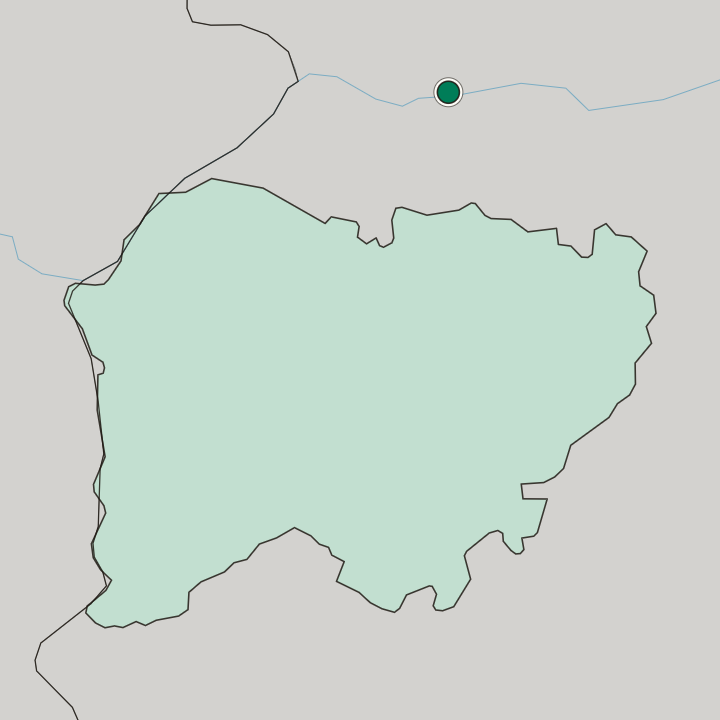
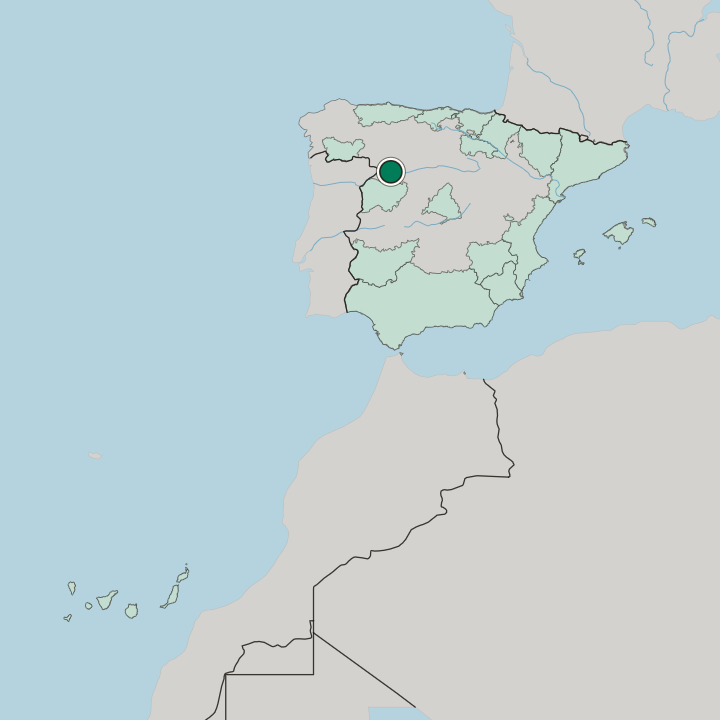
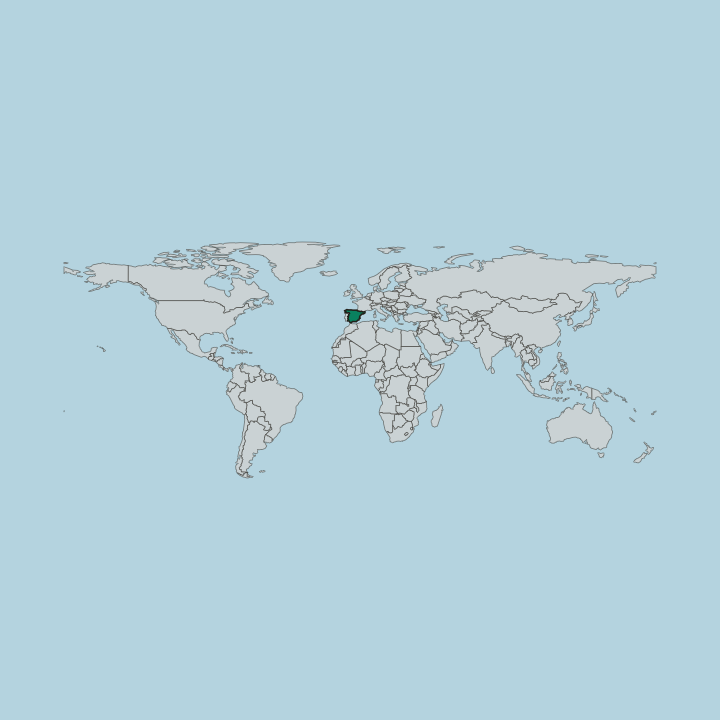
Zamora is the capital of the province of Zamora, in Castilla y León, and the city straddles the Duero. The river is the defining line. Old Zamora sits within its medieval walls on one bank, with the Church of San Claudio de Olivares among the buildings that mark the ground toward the water, while the municipality as a whole covers roughly 149 square kilometres of surrounding country.
Everything inside the walls is walkable.
What is the climate of Zamora?
The Duero moderates very little. Zamora sits in the temperate band with a marked seasonal swing, so the walled streets hold the heat through the middle of a summer day and the same lanes feel raw once winter sets in. Spring and autumn are best.
Walking the Romanesque doorways of the Church of Santiago del Burgo and the Church of Santa María de la Horta is easiest in those months, when the light lasts and the stone is comfortable to stand in front of.
How do you get to Zamora?
Zamora is reached overland from elsewhere in Castilla y León, and the Duero crossings carry most traffic into the city. After that, walk. The Cathedral of Zamora, the Castle of Zamora, the Gate of Doña Urraca and the greater part of the twenty-four Romanesque churches stand inside the walled old town, close enough together that a single morning takes in a dozen of them.
A car is only needed for the province.
Common questions
What is the best area to stay in Zamora?
Inside the walls: walking from one Romanesque doorway to the next. By the Gate of Doña Urraca: a short walk in and somewhere to leave the car. Toward the Duero: river paths and a quieter night. The modern centre: a Holy Week visit booked late.
Good for
More cities in Castilla y León
Updated October 2026