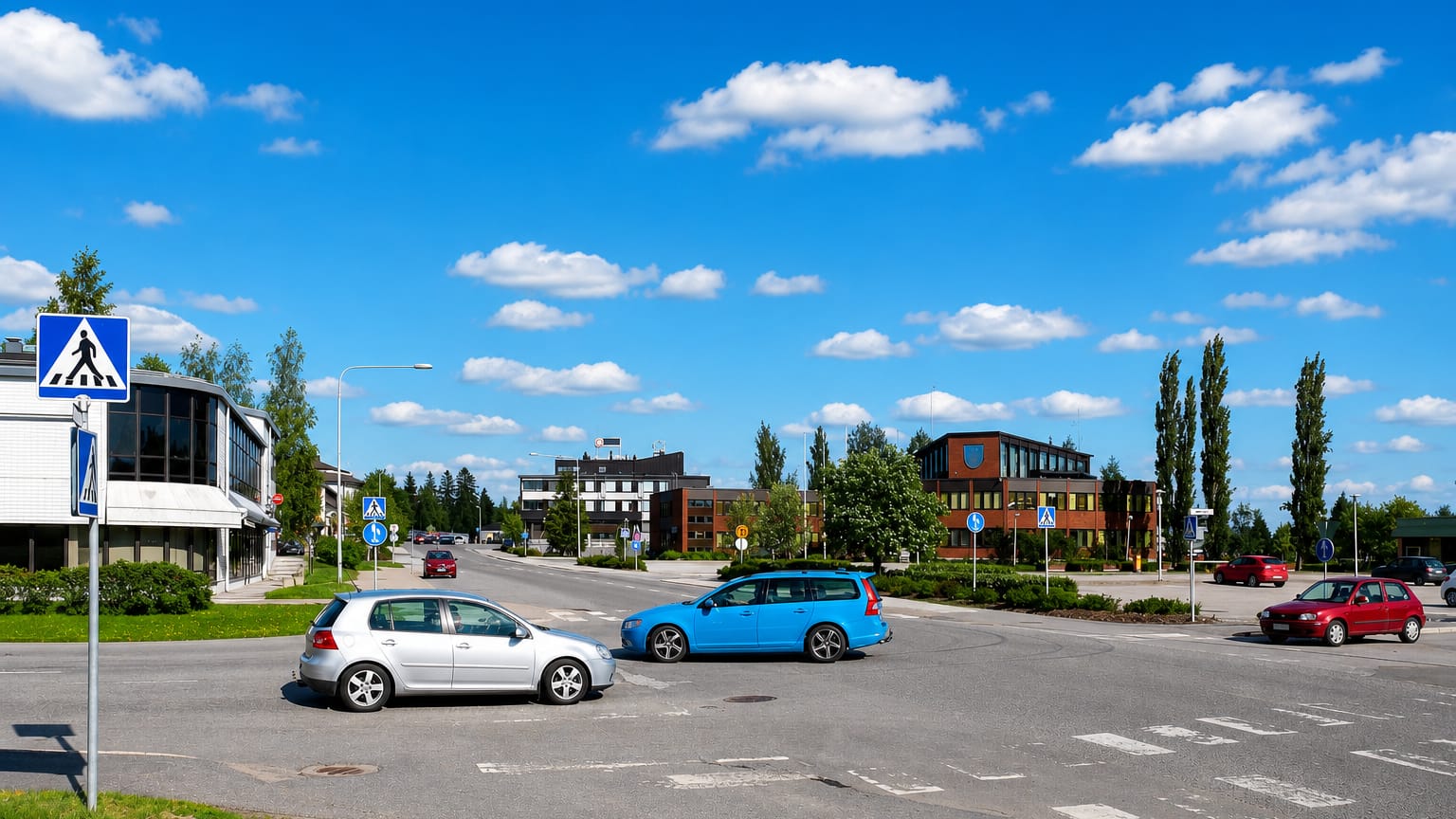
Finland · South Ostrobothnia
Where to Stay in Alavus, South Ostrobothnia
Alavus is a railway town of South Ostrobothnia in western Finland, chartered in 1865 around the Alavuden kirkko.
Find your area →


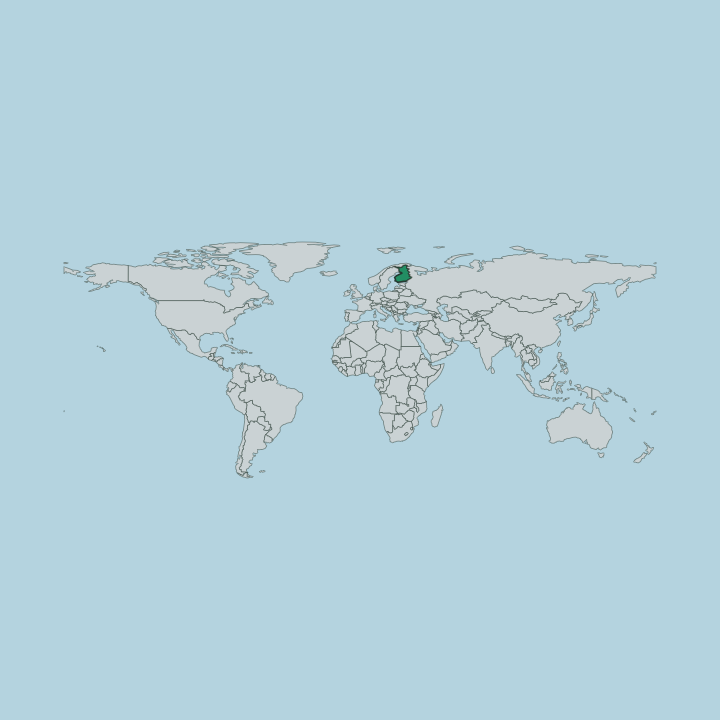
Where to stay in Alavus
Not every neighbourhood fits every trip — here's what each one is good for.
Alavus offers a fair spread of beds for a town of South Ostrobothnia, with hotels and guesthouses in the centre and rooms gathered near the shopping village of Tuuri. The town centre around the Alavuden kirkko and the Alavuden rautatieasema suits visitors who want the parish heart, with shops, services, and the railway all within an easy walk. It works for first arrivals.
Tuuri is a base of its own. The cluster of lodging near the Tuurin rautatieasema and the OnnenKenkä-monumentti serves the crowds who come to the shopping village, busy on weekends across this corner of western Finland. Out in the wider municipality, cottages and farm rooms stand among the fields and forests, a fine choice for anglers and walkers wanting the quiet country rather than the town.
Travellers bound for Töysä and Villa Manner often stay near the centre and drive out by day. Book ahead around market weekends, when the rooms of Alavus and Tuuri fill early.
About Alavus
What is Alavus known for?
Alavus is known as a railway and parish town of South Ostrobothnia, a farming municipality on the plains of western Finland that grew where the line met the church. The Alavuden kirkko marks the centre. Rails shaped the rest.
The Alavuden rautatieasema and the Tuurin rautatieasema carry the memory of that age, the village of Tuuri draws shoppers from far across the region, and the Töysän kirkko and Villa Manner stand in the former parish of Töysä that now forms part of this stretch of western Finland.
What are the main landmarks in Alavus?
The Alavuden kirkko is the chief landmark of the town, the parish church at the heart of this South Ostrobothnia municipality. Rail history fills the rest. The Alavuden rautatieasema and the Tuurin rautatieasema survive as heritage stations from the building of the line, the OnnenKenkä-monumentti stands at the shopping village of Tuuri, and the Töysän kirkko and Villa Manner keep the older church and villa of the former Töysä parish in this stretch of western Finland.
What is the history of Alavus?
Alavus took its charter in 1865. The parish had grown by farming on the wide plains of what is now South Ostrobothnia, its people scattered across fields and bog in small villages, and the Alavuden kirkko rose as the centre of faith for a community spread far across the open country of western Finland long before any railway reached it. Then the line came north.
The Alavuden rautatieasema and the Tuurin rautatieasema rose along the new track, drawing trade, work, and travellers to the parish and pulling its life toward the stations. In the same years the neighbouring parish of Töysä kept its own church and life, the Töysän kirkko and Villa Manner standing as marks of that separate community before it joined Alavus. Trade later gathered at Tuuri, where the OnnenKenkä-monumentti now stands by the shopping village, and through farming, rail, and commerce Alavus has held its place as a working town of South Ostrobothnia in this part of western Finland.
Where is Alavus?
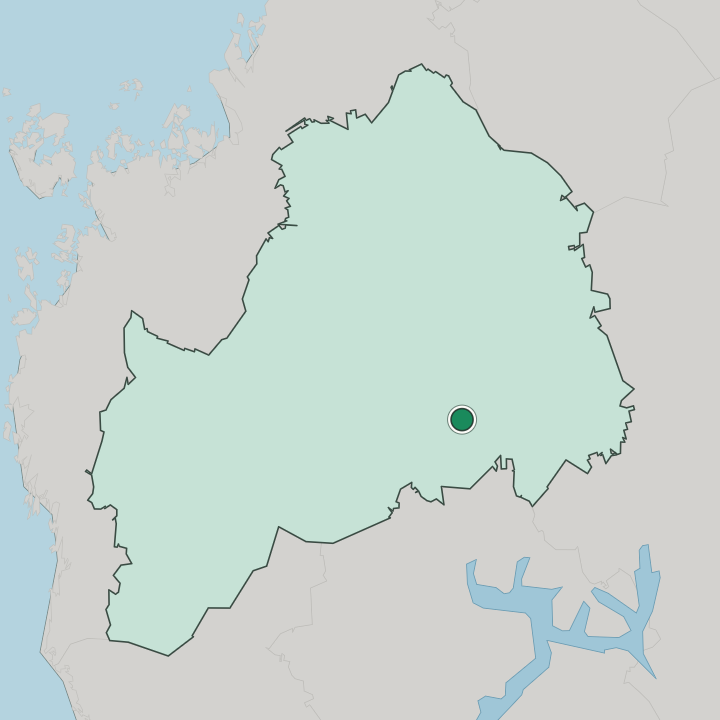
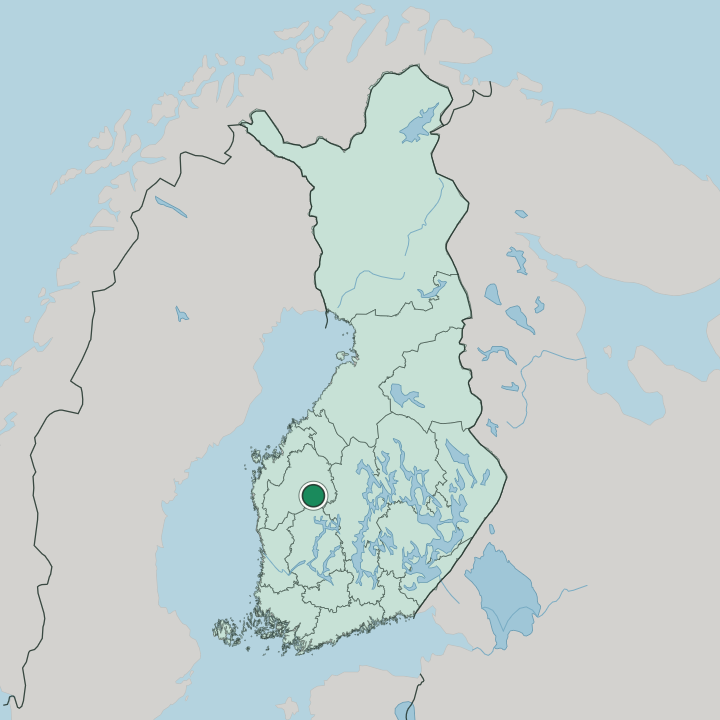
Alavus spreads across the plains, bogs, and forests of South Ostrobothnia, a wide municipality on the gentle inland country of western Finland. The land lies low and open. Farmed fields stretch between stands of pine and spruce, peat bog fills the wet hollows, and small lakes and streams thread the level ground around the town and the Alavuden kirkko.
The country runs far. The scattered villages of Töysä and Tuuri lie well apart across the broad parish, and the open plain of South Ostrobothnia carries on in every direction through this stretch of Finland.
What is the climate of Alavus?
Alavus has a cold inland climate, set on the open plains of South Ostrobothnia away from the moderating sea. Winter holds long and hard. Snow lies thick over the fields and bogs from autumn into the late spring, the small lakes freeze solid, and the cold settles deep over the town and the Alavuden kirkko for months on end.
Then the short summer breaks bright. The long northern daylight warms the plain and the forests of western Finland, and the brief warm weeks bring the farms and the open country back to work around Alavus.
How do you get to Alavus?
Alavus sits on the railway through South Ostrobothnia, and the train is the easiest way in. Services run along the line of western Finland to the Alavuden rautatieasema and the smaller stop at the Tuurin rautatieasema, carrying travellers to the town and the shopping village of Tuuri. Roads cross the plain as well.
Main highways thread from the larger towns of the region to the centre around the Alavuden kirkko, and many drive the open roads of South Ostrobothnia to reach Alavus.
Good for
More cities in South Ostrobothnia
Updated September 2026