Finland · South Ostrobothnia
Where to Stay in Seinäjoki, South Ostrobothnia
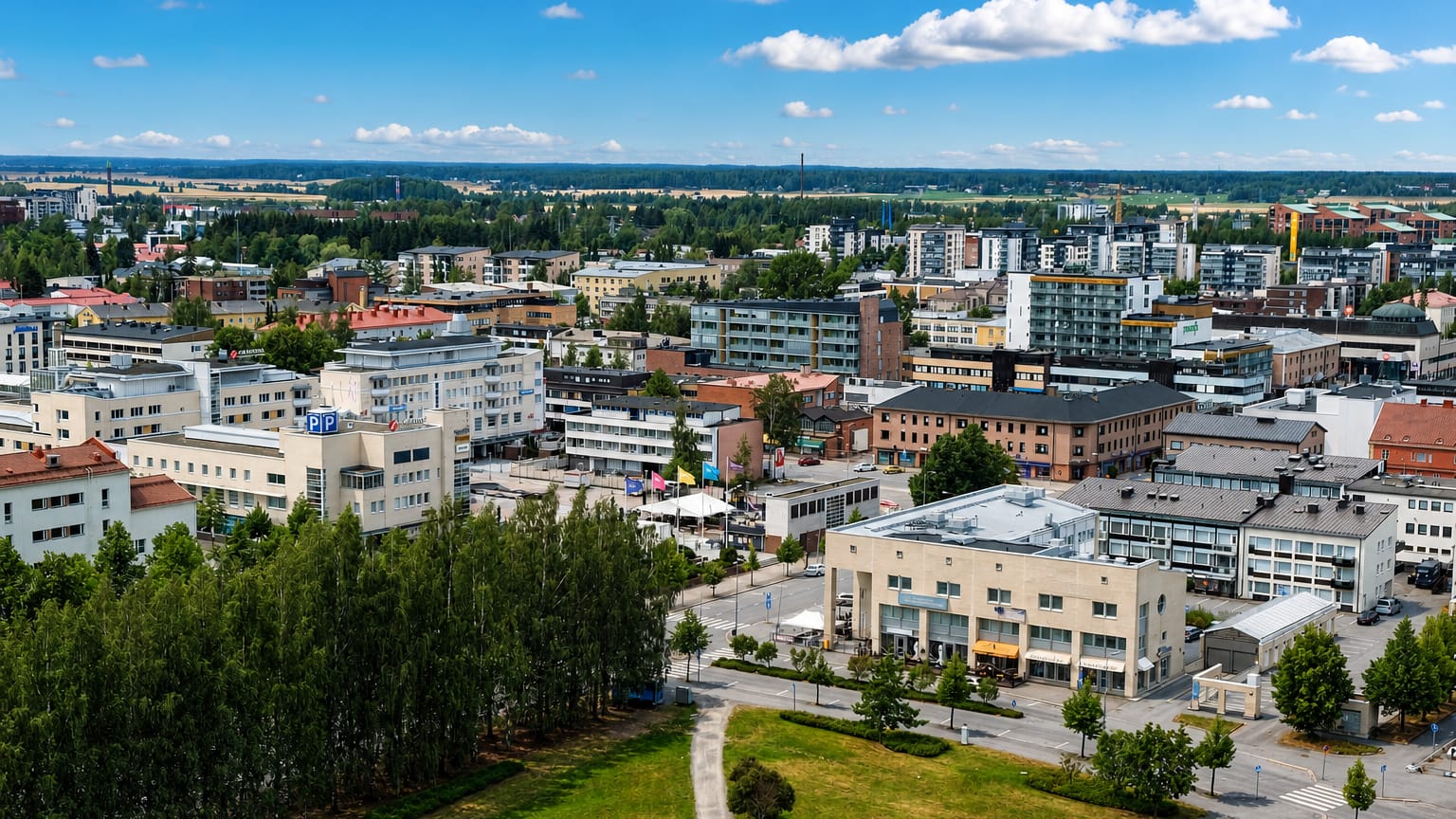
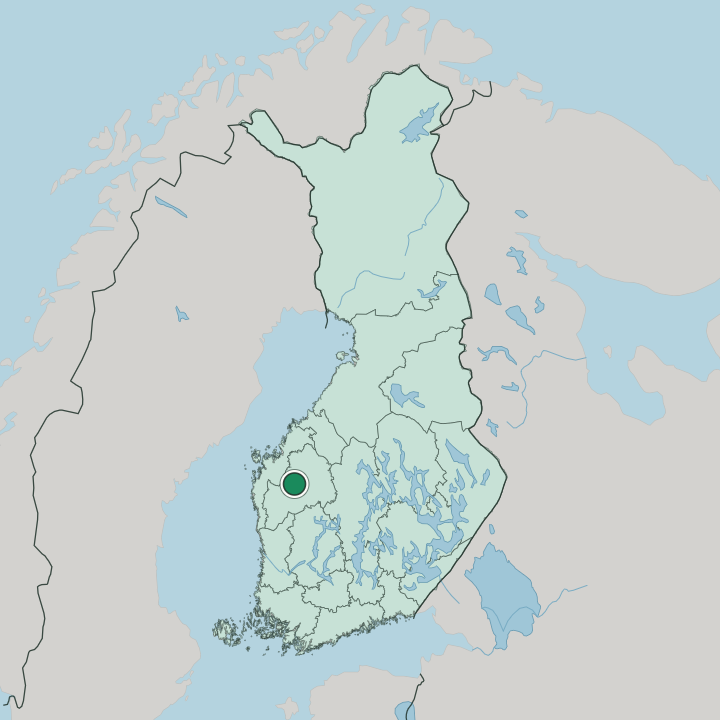
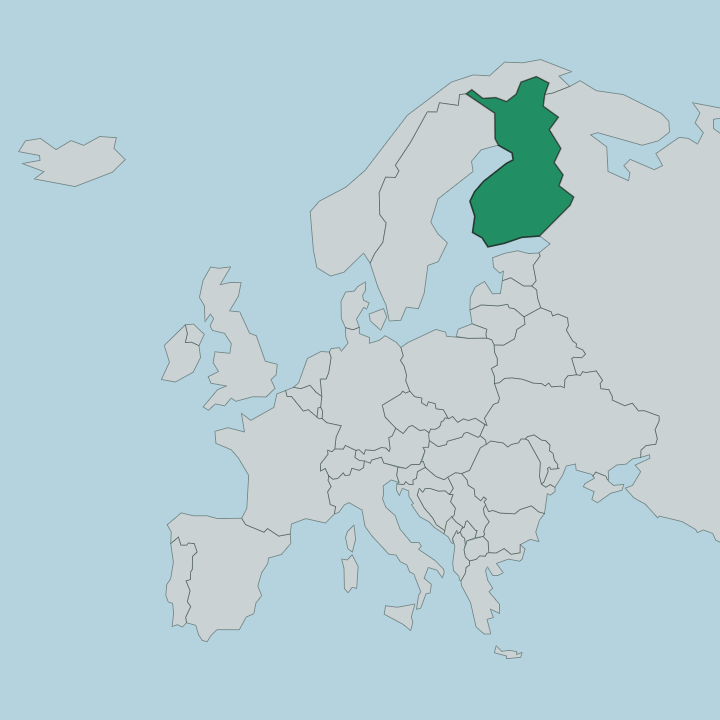
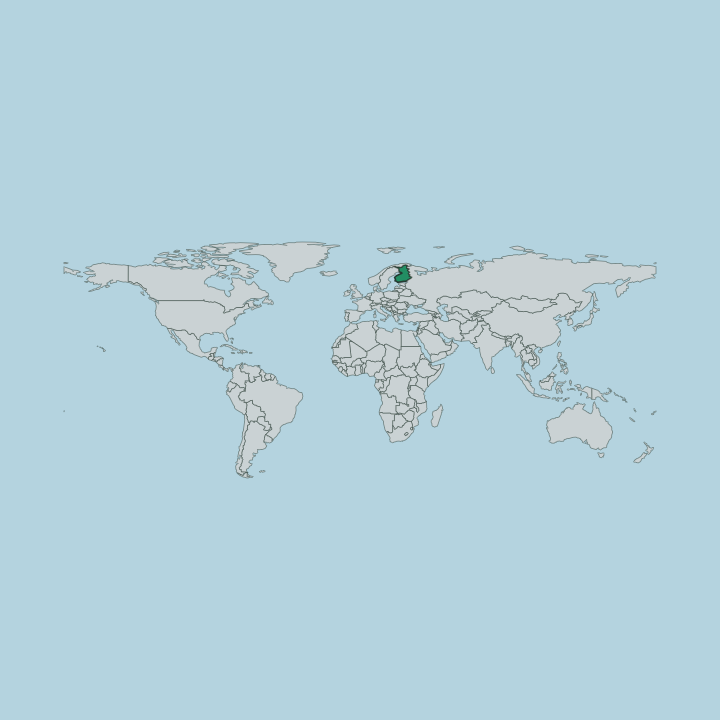
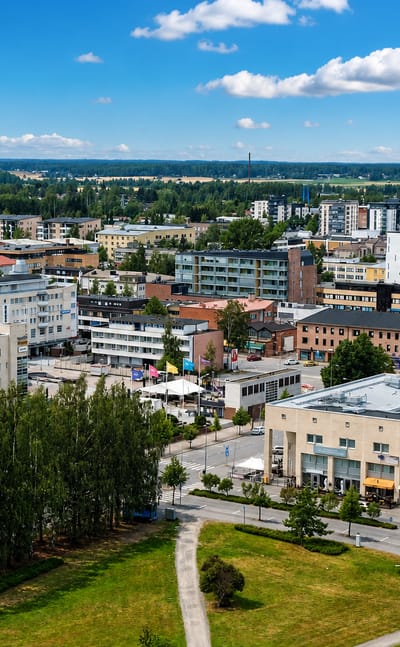
Seinäjoki is the capital of South Ostrobothnia, a railway city on the flat plains of western Finland (Ostrobothnia).
Find your area →


Where to stay in Seinäjoki
Not every neighbourhood fits every trip — here's what each one is good for.
 SeinäjokiFinland
Hyllykallio
Hyllykallio is a district of Seinäjoki, the South Ostrobothnia city on the River Seinäjoki in western Finland.Where to stay →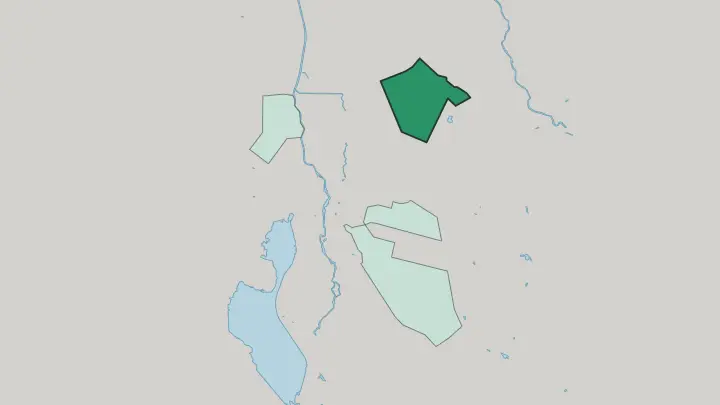 SeinäjokiFinland
Jouppi
Jouppi is a district of Seinäjoki, the South Ostrobothnia capital that grew at the crossing of several main roads in western Finland.Where to stay →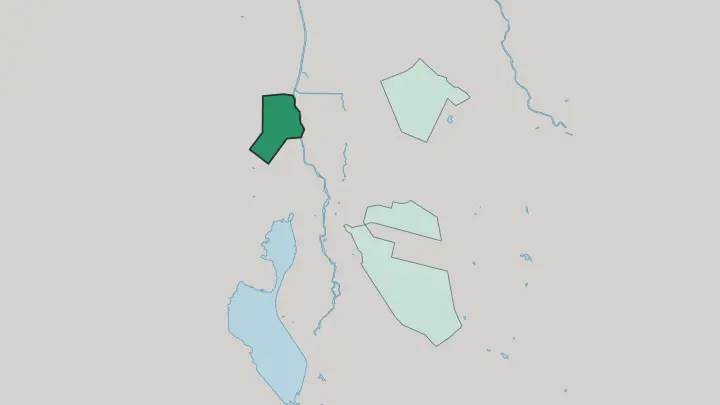 SeinäjokiFinland
Kasperi
Kasperi is a district on the north-western side of Seinäjoki, a plains city in western Finland.Where to stay →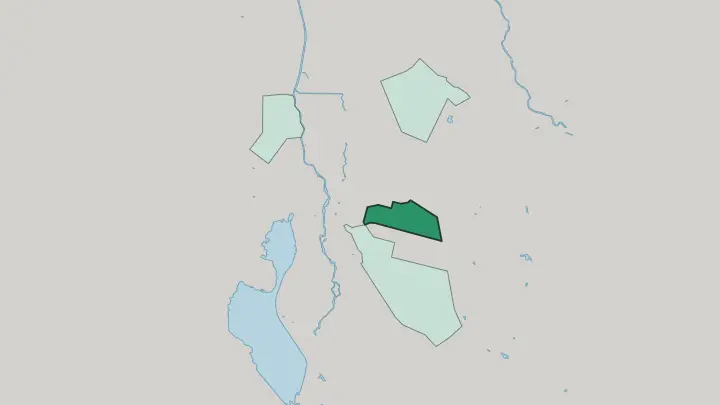 SeinäjokiFinland
Pajuluoma
Pajuluoma is a district on the western edge of Seinäjoki, a plains city in western Finland.Where to stay →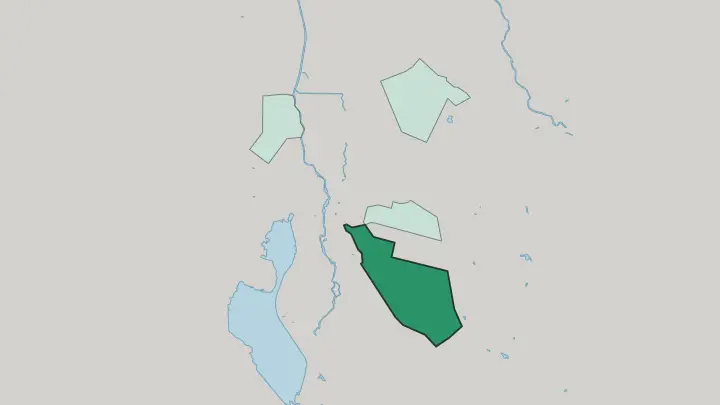
Things to do in Seinäjoki
Ranked by global recognition; descriptions from Wikidata (CC0).
Museums & Galleries
3- Suojeluskunta- ja lottamuseo special museum
- Etelä-Pohjanmaan museo
- Seinäjoen taidehalli
Churches & Religious Sites
3- Lakeuden risti Heritage
- Törnävän kirkko Heritage
- Piirin kirkko
worth knowingacross 2 categories in Seinäjoki
About Seinäjoki
What is Seinäjoki known for?
Seinäjoki is known as the capital of South Ostrobothnia and the market city of the broad Ostrobothnian plains, in western Finland (Ostrobothnia). Its great landmark is the Lakeuden risti, the white concrete church and bell tower that rise over the flat country and give the city its skyline. The plain runs out flat around it.
The Etelä-Pohjanmaan museo gathers the region's past at Törnävä, the older Törnävän kirkko and the Piirin kirkko keep the city's parish churches, and the Mannerheimin patsas marks the city's place in the wars fought across this corner of western Finland.
What are the main landmarks in Seinäjoki?
The Lakeuden risti is the landmark of Seinäjoki, the tall white church and free-standing bell tower that command the flat plains of South Ostrobothnia. It stands over the civic centre. The other sights lie close around the regional capital.
The older Törnävän kirkko and the Piirin kirkko keep the city's parish churches, the Etelä-Pohjanmaan museo gathers the region's history at Törnävä, the Suojeluskunta- ja lottamuseo and the Seinäjoen taidehalli hold the war past and the city's art, and the Mannerheimin patsas stands as a monument in this corner of western Finland (Ostrobothnia).
What is the history of Seinäjoki?
Seinäjoki's history turns on the railway and the plain. The city was chartered in 1868, growing out of an Ostrobothnian parish on the flat country of western Finland, and the older Törnävän kirkko at Törnävä recalls the rural settlement that came before the rails. Farm and church came first.
The junction where the lines met built the modern town, drawing trade, markets and people to a new centre that spread across the level ground of South Ostrobothnia and made Seinäjoki the meeting point of the region. The twentieth century gave the city its monuments and its rank. War left its mark in the Mannerheimin patsas and the collections of the Suojeluskunta- ja lottamuseo, while the region's deeper past was gathered into the Etelä-Pohjanmaan museo at Törnävä.
Then came the crowning work: the white civic centre and the great church of the Lakeuden risti, raised over the plain and confirming Seinäjoki as the capital of South Ostrobothnia. Memory and art are kept here by the Etelä-Pohjanmaan museo and the Seinäjoen taidehalli, the institutions of this market city of the western Finnish plain.
Where is Seinäjoki?
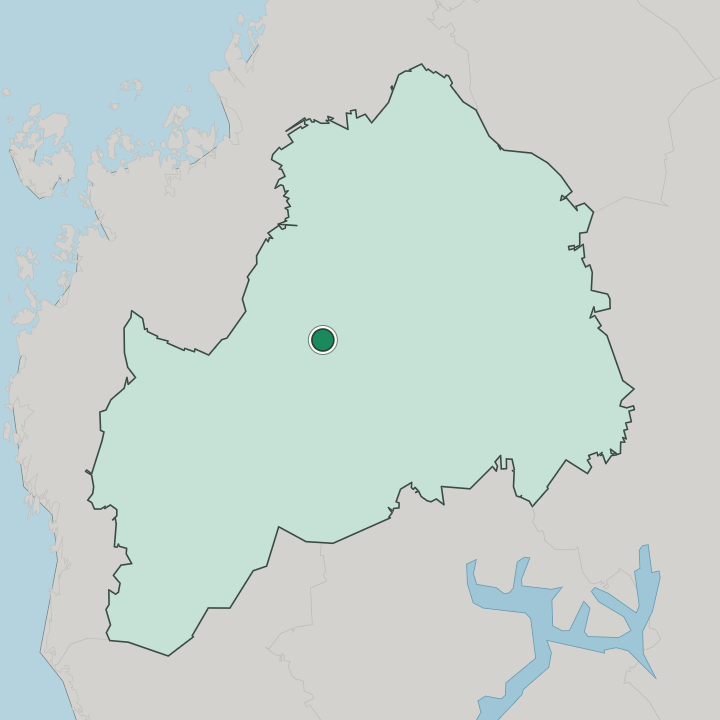
Seinäjoki sits on the wide, flat plains of South Ostrobothnia, in western Finland (Ostrobothnia). Land runs out level in every direction, farm fields broken by the river and the woods that thread the broad municipality, with the city gathered where the railway lines once met. The plain is the defining feature.
Far across the open country the tower of the Lakeuden risti is visible, the old quarter of Törnävä lies along the river south of the centre, and the level farmland of the region spreads on toward the other towns of the Ostrobothnian plain.
What is the climate of Seinäjoki?
Seinäjoki sits in the cold inland air of the Ostrobothnian plain, in western Finland. Winters are long and snowy, the open fields of South Ostrobothnia giving the wind a clear run and the frost a firm grip from early in the season to the late thaw. Then summer turns warm and bright.
The long northern daylight ripens the grain across the flat farmland around the city through the short growing season, the weeks of light before the plain whitens again under the autumn frosts.
How do you get to Seinäjoki?
Seinäjoki is a railway junction of western Finland (Ostrobothnia), and the train is the classic way in. The lines that built the city still meet at its station, set beside the civic centre and the Lakeuden risti, with trains running north, south and east across the country. Rails define the place.
Roads and buses reach it too, linking Seinäjoki to the other towns of South Ostrobothnia and the wider plain, and travellers from farther off come through the junction before fanning out across the flat farmland.
Good for
More cities in South Ostrobothnia
Updated September 2026