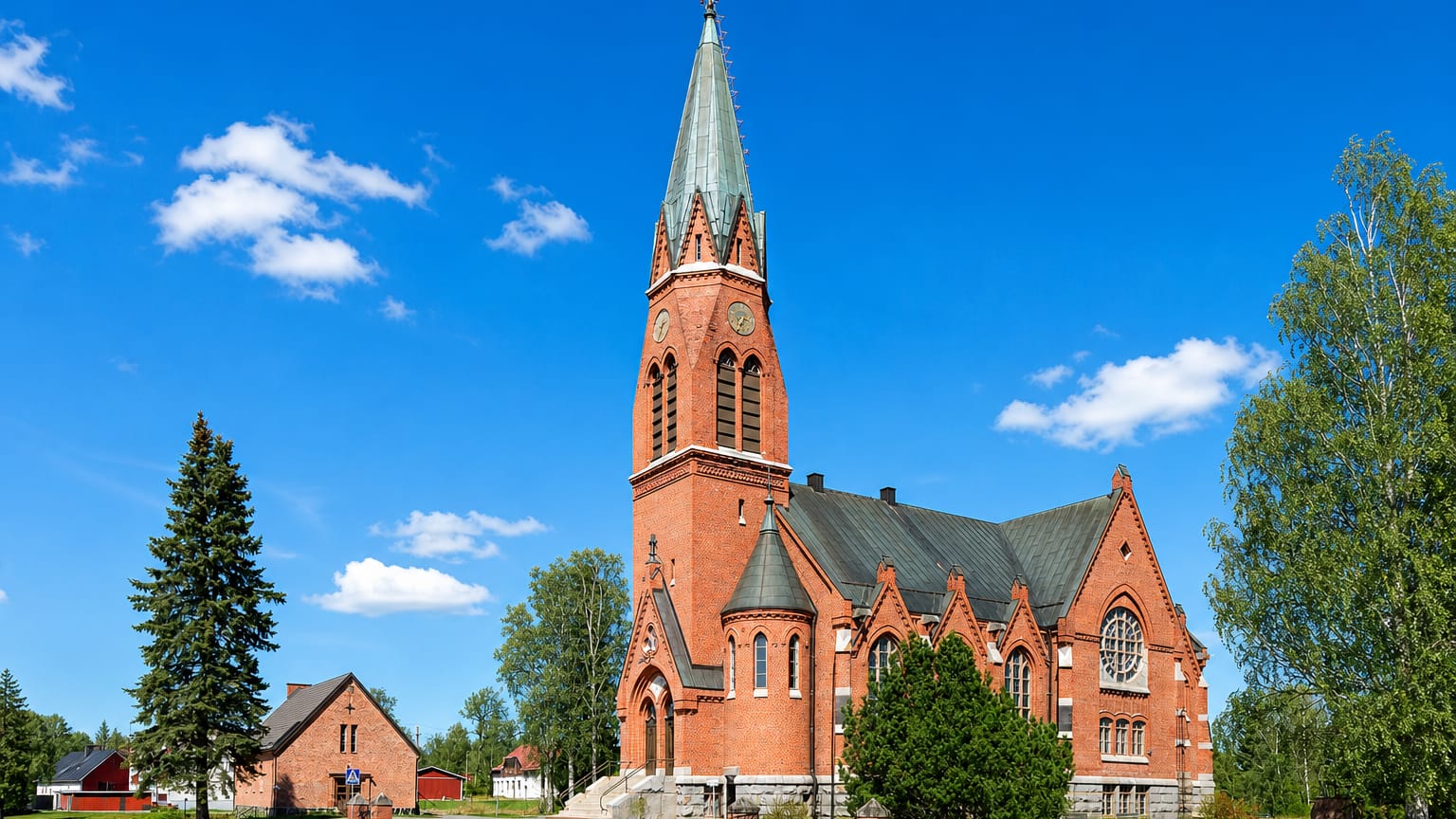
Finland · South Ostrobothnia
Where to Stay in Kauhava, South Ostrobothnia
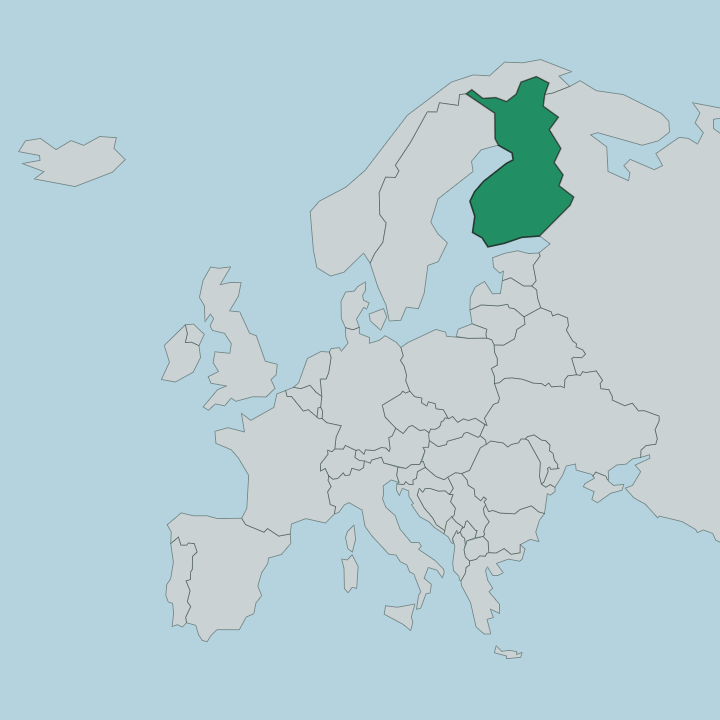
Kauhava is a farming town in western Finland, in the South Ostrobothnia region, long home to the Lentosotakoulu air force school.
Find your area →


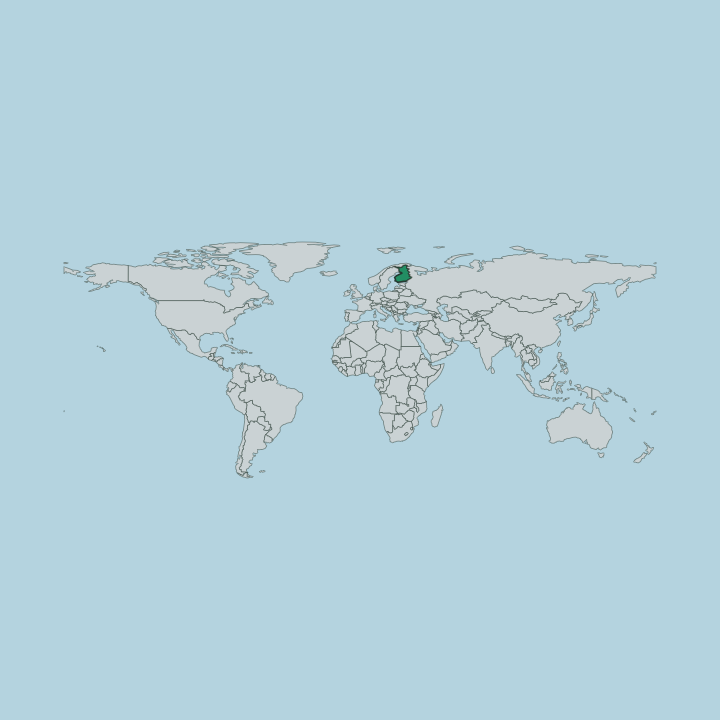
Where to stay in Kauhava
The right area depends on your trip — here's what each neighbourhood is best for.
Kauhava holds a modest stock of beds for a rural town, gathered in the centre near the Kauhavan kirkko among the shops and the rail line. The town centre suits first-time visitors, with the church, the station and the Suomen Jääkärimuseo within reach, the easy base for seeing the airfield town of South Ostrobothnia. Beds in town are few.
Out in the wide municipality, holiday cottages and farm stays stand among the fields and forests, in the old parish villages of Alahärmä, Ylihärmä and Kortesjärvi, a quiet base for travellers touring the churches and the open Ostrobothnia country of western Finland by car. Härmä draws spa guests too. The Härmä villages hold a wellness resort and rooms of their own, a draw for visitors to this part of South Ostrobothnia, while others sleep in the larger towns of the region and drive in to Kauhava for the day.
Book farm and cottage stays ahead in summer, when the country lodging around Kauhava fills.
Things to do in Kauhava
Ranked by global recognition; descriptions from Wikidata (CC0).
Museums & Galleries
2- Suomen Jääkärimuseo
- Iisakin Jussin tupa open air museum
Churches & Religious Sites
3- Alahärmän kirkko Heritage
- Ylihärmän kirkko Heritage
- Kortesjärven kirkko Heritage
Landmarks & Notable Places
1- Orrenmaa Heritage house
worth knowingacross 3 categories in Kauhava
About Kauhava
What is Kauhava known for?
Kauhava is known for the Lentosotakoulu, the air force training school that flew over this flat farming town of South Ostrobothnia for generations. Planes once ruled its skies. The town in western Finland gathers around the Kauhavan kirkko, and the Suomen Jääkärimuseo keeps the record of the Finnish Jäger movement that the district carried.
Beyond the airfield, Kauhava is a broad rural municipality that drew in the old parishes of Alahärmä, Ylihärmä and Kortesjärvi, each with its own church, a country of farms and Ostrobothnia plains.
What are the main landmarks in Kauhava?
The Lentosotakoulu is the great mark of Kauhava, the air force school whose airfield shaped the town for decades, its heritage hangars still standing on the South Ostrobothnia plain. Four old churches gather the parishes. The Kauhavan kirkko, the Alahärmän kirkko, the Ylihärmän kirkko and the Kortesjärven kirkko mark the villages drawn into the modern town, while the Suomen Jääkärimuseo tells the Jäger story and the Iisakin Jussin tupa keeps an open-air farmstead, and the old stone giant's church of the Korkeamäen jätinkirkko lies out in the western Finnish forest.
What is the history of Kauhava?
Kauhava grew as a farming parish on the open plains of South Ostrobothnia. Long a country of large farms set among the fields and bogs of western Finland, the district gathered its life around the Kauhavan kirkko, while the neighbouring parishes of Alahärmä, Ylihärmä and Kortesjärvi raised their own churches across the flat land. Iron was once worked here.
A bloomery at the Rantalan harkkohytti recalls an early ironworks, and the old stone giant's church of the Korkeamäen jätinkirkko marks far older settlement on this Ostrobothnia ground. The twentieth century brought the military to Kauhava. Its airfield, home to the Lentosotakoulu air force school, carried the town's name across Finland for generations, while the district's part in the Finnish Jäger movement is kept in the Suomen Jääkärimuseo.
Parishes joined into one. Alahärmä, Ylihärmä and Kortesjärvi were drawn into the modern municipality, their churches and farmsteads gathered under the name of Kauhava, which settled into its role as a broad rural town of South Ostrobothnia in western Finland.
Where is Kauhava?
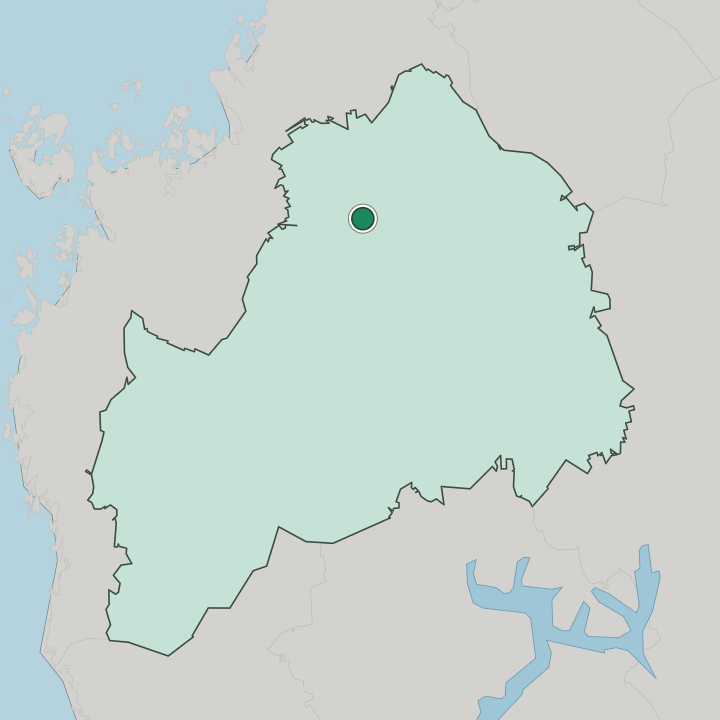
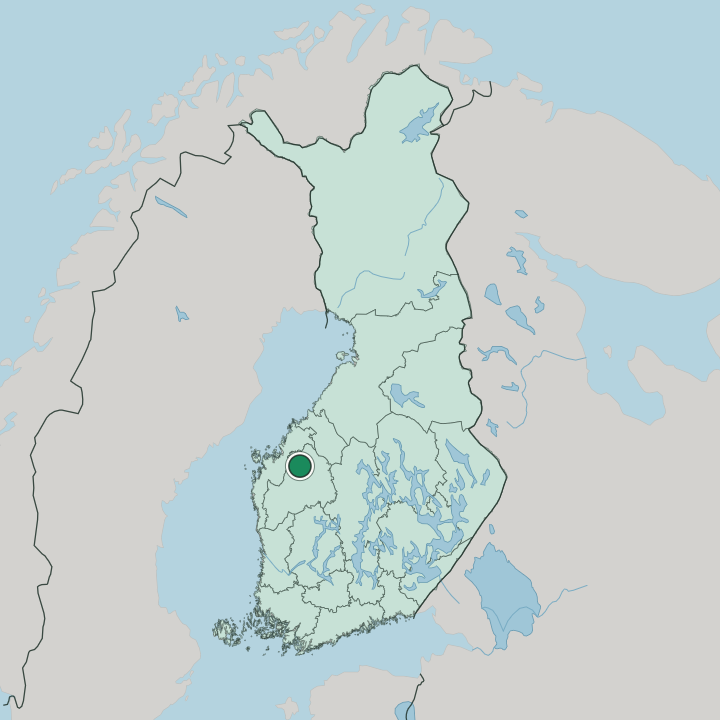
Kauhava spreads across the flat plains of South Ostrobothnia, in western Finland, one of the broadest rural municipalities of the region. The land lies wide and level. Fields, bogs and pine forest fill the country, the centre by the Kauhavan kirkko set among them and the old airfield of the Lentosotakoulu laid out on the open ground.
Villages dot the plain. The former parishes of Alahärmä, Ylihärmä and Kortesjärvi stand across the farmland, the rivers running low through the level Ostrobothnia landscape that has shaped Kauhava since its farming days.
What is the climate of Kauhava?
Kauhava has a cold inland climate set by the open plains of South Ostrobothnia in western Finland. Winters are long and snowed, the flat fields and bogs around the Kauhavan kirkko lying under deep snow from autumn until the late thaw, with little to break the cold across the level land. Frost grips the plain.
Summers are short and bright, the long northern daylight warming the Ostrobothnia farmland through a brief growing season before the snow returns to this corner of western Finland.
How do you get to Kauhava?
Kauhava sits on the rail line and main road across the plains of South Ostrobothnia, well linked for a rural town of western Finland. Trains stop at the station in the centre near the Kauhavan kirkko, and the roads run out across the flat country to the villages of Alahärmä, Ylihärmä and Kortesjärvi. The old airfield no longer flies civilians.
Travellers from farther afield reach the larger towns of South Ostrobothnia by rail or air before driving the last stretch to Kauhava across the open Ostrobothnia plain.
Good for
More cities in South Ostrobothnia
Updated September 2026