Finland · South Ostrobothnia
Where to Stay in Ilmajoki, South Ostrobothnia
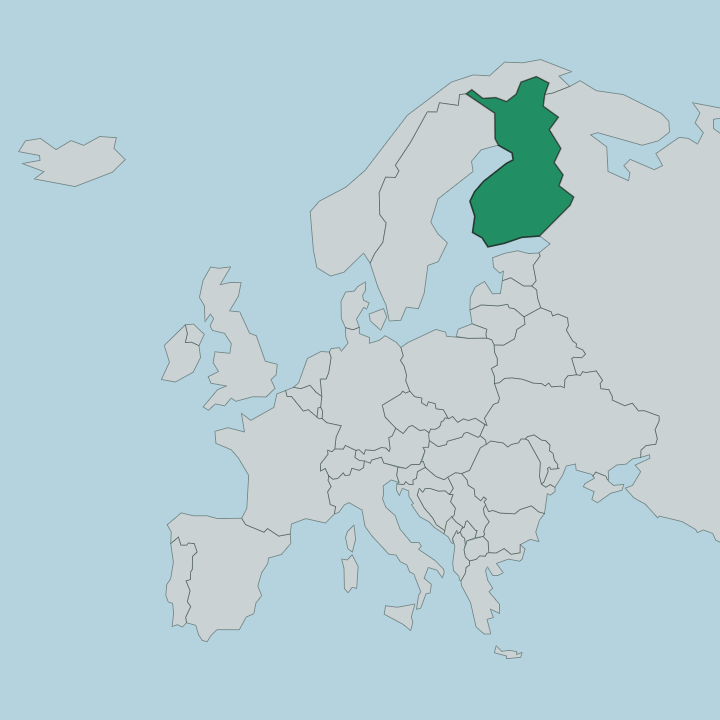
Ilmajoki is an old farming parish in South Ostrobothnia, western Finland, on the broad river plain.
Find your area →


Where to stay in Ilmajoki
The right area depends on your trip — here's what each neighbourhood is best for.
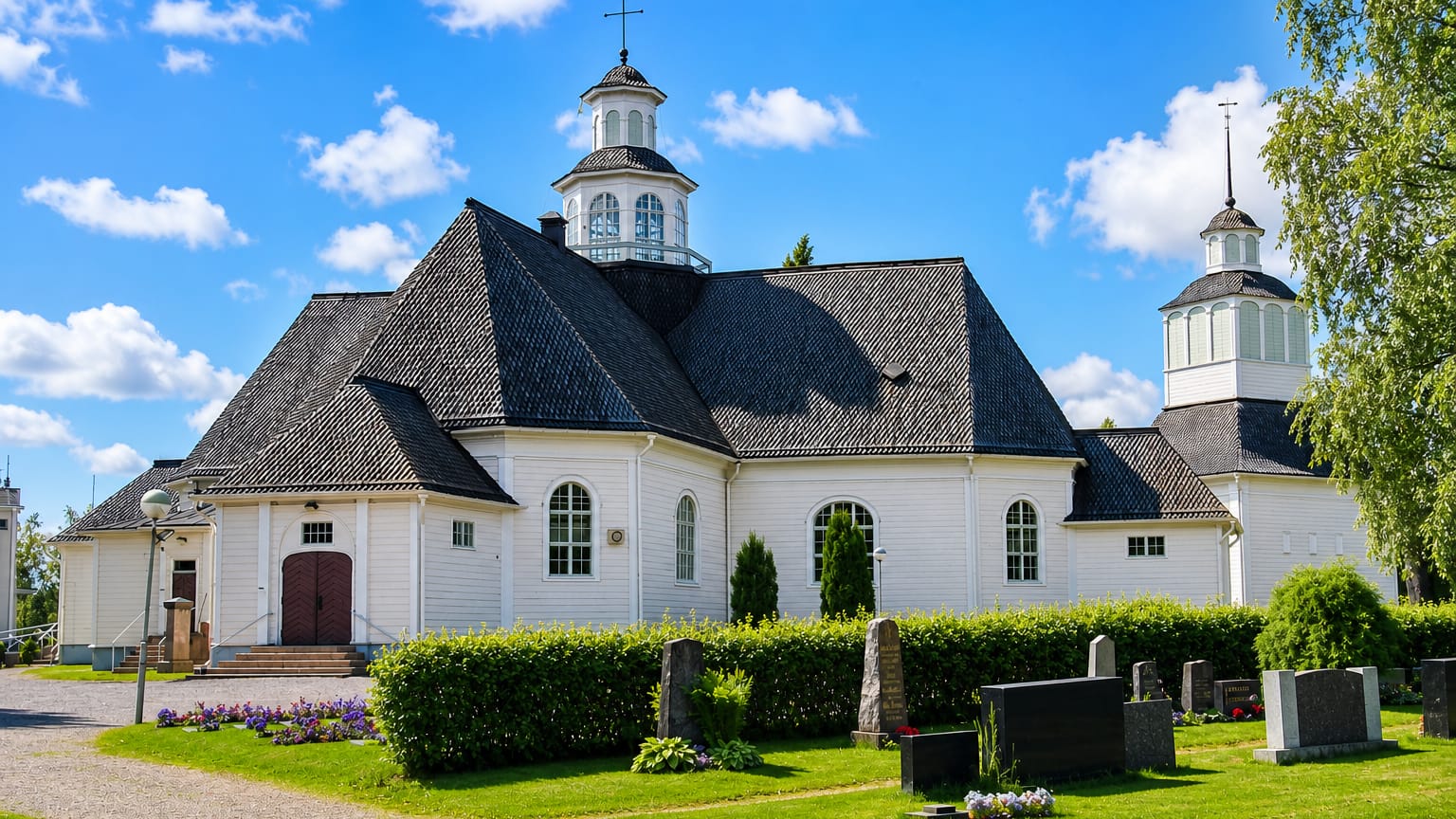
Ilmajoki keeps a modest stock of beds for a farming parish of South Ostrobothnia, the kind of place where a small hotel, a guesthouse, or a farm cottage on the plain is the usual room. The old church village suits first visitors, close to the medieval Ilmajoen kirkko, its belfry the Ilmajoen kirkon tapuli, and the farmhouse museum of the Yli-Lauroselan talomuseo. It stands as the obvious base.
Out across the river plain of western Finland, rooms also gather toward the distillery village of Koskenkorva, where the Koskenkorvan tehtaat draws on the local grain, a practical foothold for touring the Ostrobothnian farm country by car. Rooms grow scarce beyond the church village. Visitors drawn to the parish's history often stay near the Ilmajoen museo and the Ilkan patsas, while many travellers instead sleep in the larger towns of South Ostrobothnia and drive in for the day.
Book ahead in summer, when the festivals of Ilmajoki fill the few rooms by the river early.
About Ilmajoki
What is Ilmajoki known for?
Ilmajoki is known as one of the oldest farming parishes of South Ostrobothnia, a granary of the river plain in western Finland. Its grain feeds the great distillery, the Koskenkorvan tehtaat, at the village of Koskenkorva. Grain and history define it.
The past sits close to the surface in Ilmajoki, one of the oldest farming parishes of South Ostrobothnia. The medieval Ilmajoen kirkko stands above the river, the Ilkan patsas honours the peasant leader Jaakko Ilkka, and the Nuijamiesten muistomerkki marks the Cudgel War on the Ostrobothnian plain.
What are the main landmarks in Ilmajoki?
The Ilmajoen kirkko is the landmark that anchors the parish, the medieval church standing above the river plain of South Ostrobothnia with its separate belfry, the Ilmajoen kirkon tapuli, beside it. Old farms keep their own memory. The Yli-Lauroselan talomuseo preserves a great Ostrobothnian farmhouse, while the Ilmajoen museo holds the parish past.
Two monuments mark old struggle. The Ilkan patsas honours the peasant leader Jaakko Ilkka, the Nuijamiesten muistomerkki recalls the Cudgel War, and the Koskenkorvan tehtaat distillery works the grain of the western Finnish plain.
What is the history of Ilmajoki?
Ilmajoki is one of the mother parishes of South Ostrobothnia. The settlement grew early on the fertile river plain, its good grain land making it a centre of farming and faith for the wider region, with the medieval Ilmajoen kirkko and its belfry the Ilmajoen kirkon tapuli marking the heart of the old parish. Revolt scarred the plain.
In the Cudgel War of the late sixteenth century the peasant leader Jaakko Ilkka rose against the nobles, a struggle now remembered by the Ilkan patsas and the Nuijamiesten muistomerkki on the Ostrobothnian fields. The modern municipality took its shape when Ilmajoki was chartered in 1865, gathering the farm villages of the plain, among them the grain village of Koskenkorva, under one administration. Industry came with the grain.
The Koskenkorvan tehtaat distillery rose to work the local barley, and the railway reached the parish, leaving behind the heritage station of the Ilmajoen rautatieasema. Through it all the old farm life endured, preserved now in the great house of the Yli-Lauroselan talomuseo and the collections of the Ilmajoen museo on the western Finnish plain.
Where is Ilmajoki?
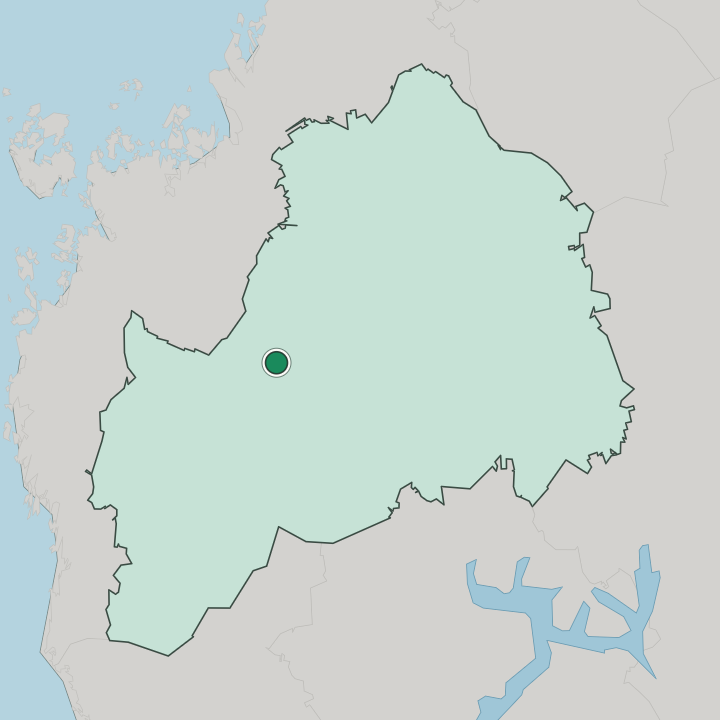
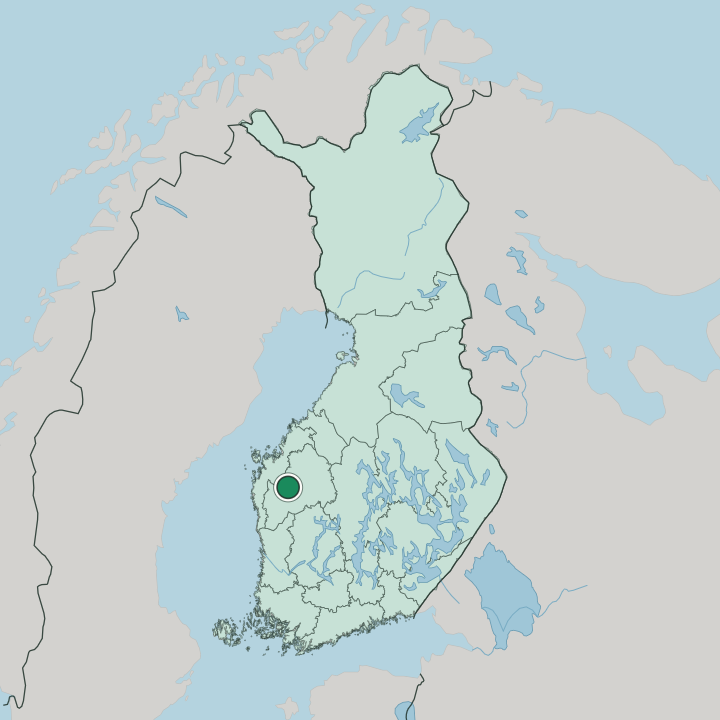
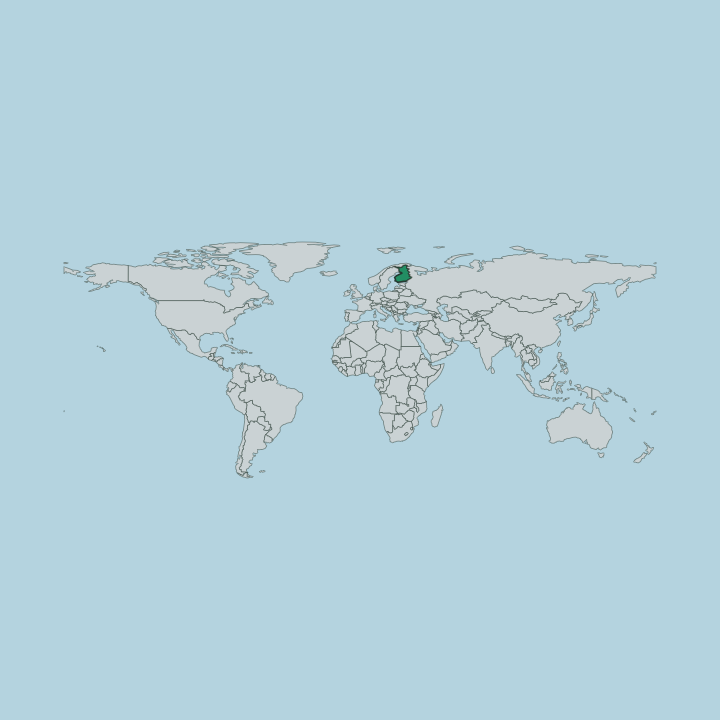
Ilmajoki lies on the broad river plain of South Ostrobothnia, in western Finland, flat farm country threaded by the river. Open fields spread to the horizon, the church village gathered on the higher ground above the water while grain land runs out on every side. The plain orders the settlement.
The distillery village of Koskenkorva sits among the fields, the great farms of the parish stand along the river, and the level Ostrobothnian country stretches unbroken around Ilmajoki toward the neighbouring towns of the region.
What is the climate of Ilmajoki?
Ilmajoki has a cold inland climate softened a little by its place on the western Finnish plain. Winters are long and snowy, hard frost lying over the open fields and the river of the Ostrobothnian country from early in the season until the late spring thaw. The summer season is warm and bright.
The long northern daylight ripens the grain that feeds the Koskenkorvan tehtaat through the short growing season around Ilmajoki, the months when the plain turns gold before the snow returns to South Ostrobothnia.
How do you get to Ilmajoki?
Ilmajoki sits on the railway and main road through South Ostrobothnia, close to the regional centre, and access is easy. The line through western Finland once stopped at the parish, leaving the heritage station of the Ilmajoen rautatieasema, while road and bus now carry most visitors to the plain. The plain makes for fast travel.
Coaches and cars link Ilmajoki to the larger towns of the region across the level Ostrobothnian country, bringing travellers to the church village and the distillery at Koskenkorva.
Good for
More cities in South Ostrobothnia
Updated September 2026