Finland · South Ostrobothnia
Where to Stay in Jurva, South Ostrobothnia
Jurva is a former municipality of South Ostrobothnia, now part of Kurikka, its parish gathered around the Jurvan kirkko.
Find your area →


Where to stay in Jurva
Where you base yourself shapes the visit — here's the character of each area.
Jurva keeps almost no beds of its own, a former municipality of South Ostrobothnia where a guesthouse or a farm room is the usual lodging rather than a hotel. The village centre around the Jurvan kirkko suits visitors who want the church and the shops within an easy walk, on the flat farmland of western Finland (Ostrobothnia). The church village is the plainest place to settle.
Out across the fields and woods, the odd farm stay stands among the Ostrobothnian countryside, a quiet base for the plain by car. Beds are scarce away from the centre. Since Jurva is now part of Kurikka, many travellers sleep in Kurikka or the larger towns of South Ostrobothnia and drive in for the day.
Book ahead in summer, when rooms around Jurva are few.
About Jurva
What is Jurva known for?
Jurva is known as a former municipality of South Ostrobothnia, a country parish on the flat farmland of western Finland (Ostrobothnia) now joined to Kurikka. The Jurvan kirkko keeps the centre of the village. Farms run to the horizon.
The parish carries the plain-spoken character of the Ostrobothnian countryside, its life long gathered around the church and the fields of this corner of South Ostrobothnia.
What are the main landmarks in Jurva?
The Jurvan kirkko is the landmark of the village, the parish church at the centre of Jurva in South Ostrobothnia. Fields frame the rest. Around the church the old farm village spreads across the flat country of western Finland (Ostrobothnia), the houses and barns of the Ostrobothnian plain standing among the fields.
Since Jurva was joined to Kurikka, the church remains the chief mark of the former parish in this corner of South Ostrobothnia.
What is the history of Jurva?
Jurva grew up on the plain. A scattered settlement of farms spread across the flat country of western Finland (Ostrobothnia), the community gathering as it grew around the church at the centre of the parish in South Ostrobothnia. The fields ruled the place.
Work ran by the seasons of the Ostrobothnian farmland, and the wooden Jurvan kirkko rose to hold the parish through the long years of plough and harvest. For generations Jurva stood as a municipality of its own, a farm parish of the Ostrobothnian plain. Times changed the map.
In the municipal reforms Jurva was joined to Kurikka, its parish becoming a village within the larger town, while the Jurvan kirkko kept its place at the heart of the old community. The farmland and the church carried the character of the place forward, and Jurva settled into its quieter role as a former municipality of South Ostrobothnia.
Where is Jurva?
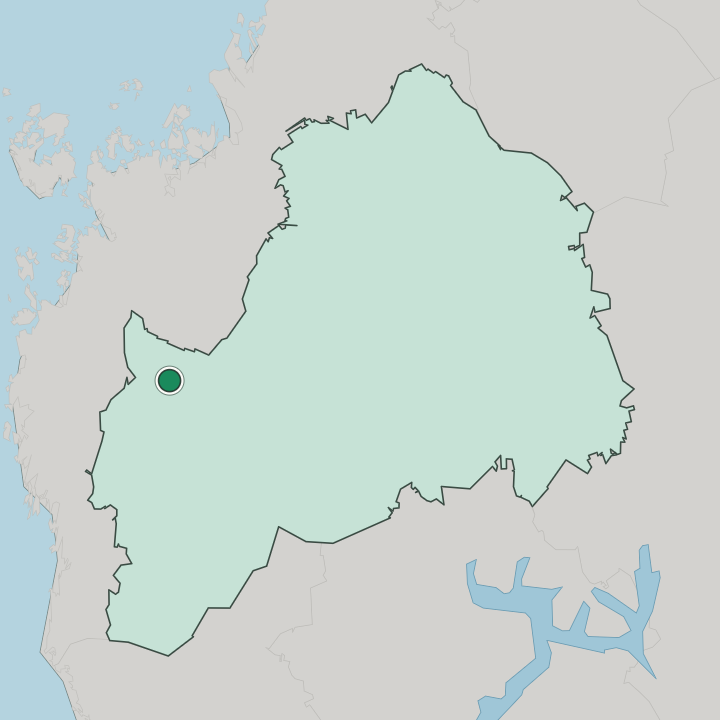
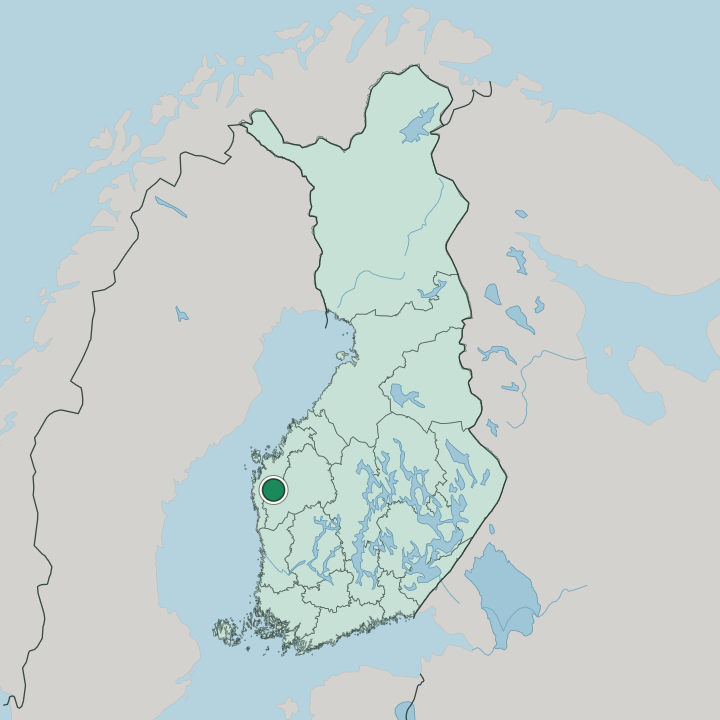
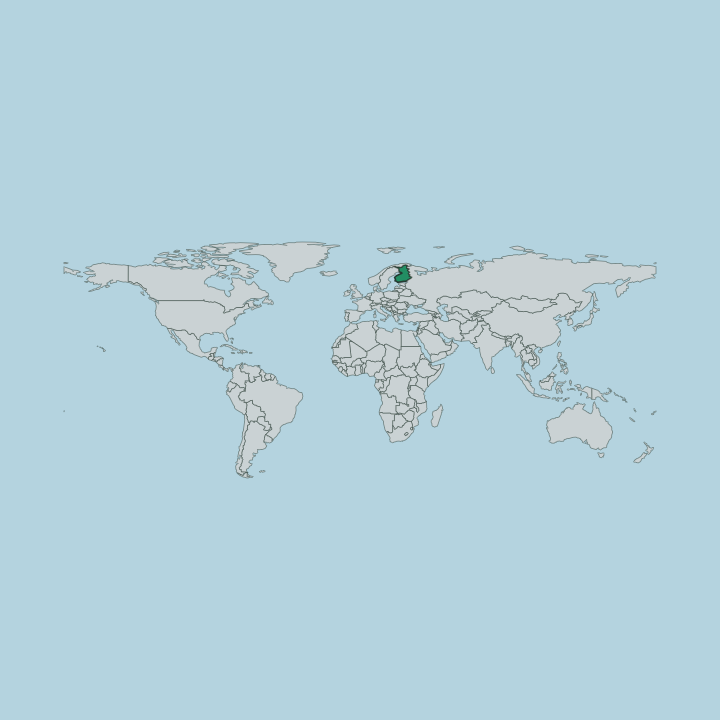
Jurva lies on the flat farmland of South Ostrobothnia, in western Finland (Ostrobothnia). The land runs low and level, the village centre gathered by the Jurvan kirkko while fields and woods spread out around it on the Ostrobothnian plain. Farmland fills most of the country.
Small streams cross the flat ground toward the rivers of the plain, woods stand on the higher patches, and the fields run on across the old parish toward the rest of Kurikka.
What is the climate of Jurva?
Jurva has the cold inland climate of South Ostrobothnia, its winters long and snowbound across the flat farmland of western Finland (Ostrobothnia). The fields lie under snow each winter. Summers run mild and green over the Ostrobothnian plain around the Jurvan kirkko, the long northern light drawing out the short warm season across the fields, before the dark and the deep cold close back over the country.
How do you get to Jurva?
Jurva is reached by road across the plain of South Ostrobothnia, a village with no station of its own. Travellers reach it almost entirely by road. The roads run from Kurikka and the larger towns of western Finland (Ostrobothnia) over the flat farmland to the church centre by the Jurvan kirkko.
Buses link it to the wider region, and from there the Finnish road network reaches across the Ostrobothnian plain to Jurva and the rest of Kurikka.
More cities in South Ostrobothnia
Updated September 2026