Finland · South Ostrobothnia
Where to Stay in Kurikka, South Ostrobothnia
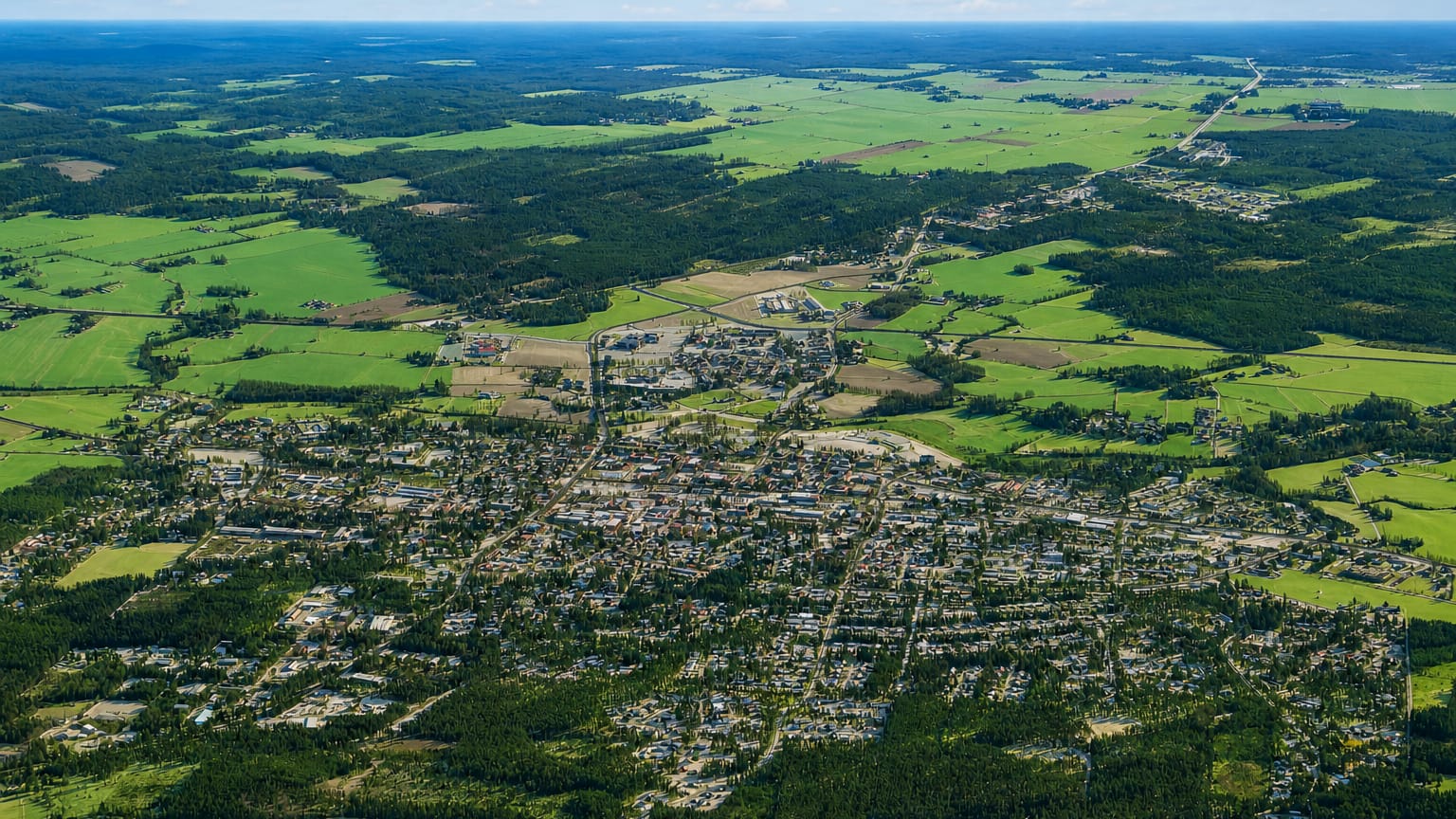
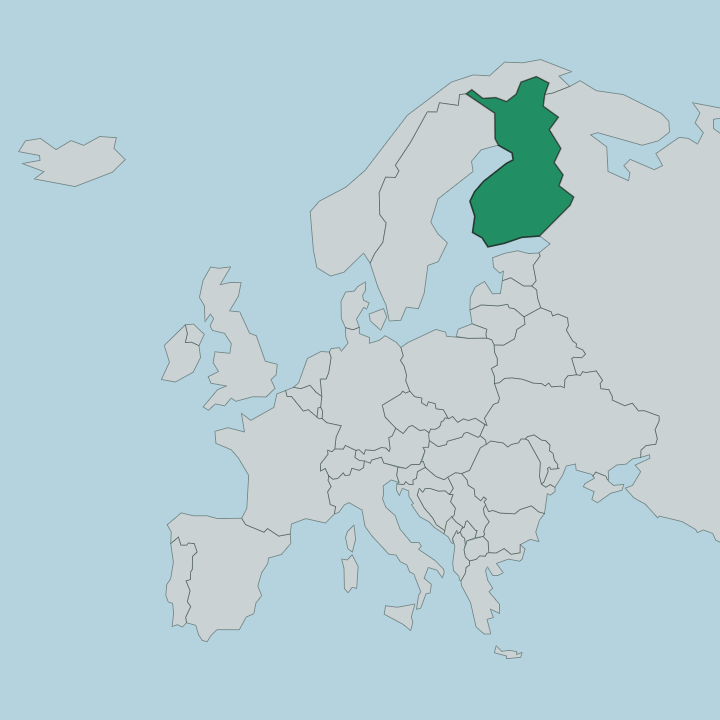
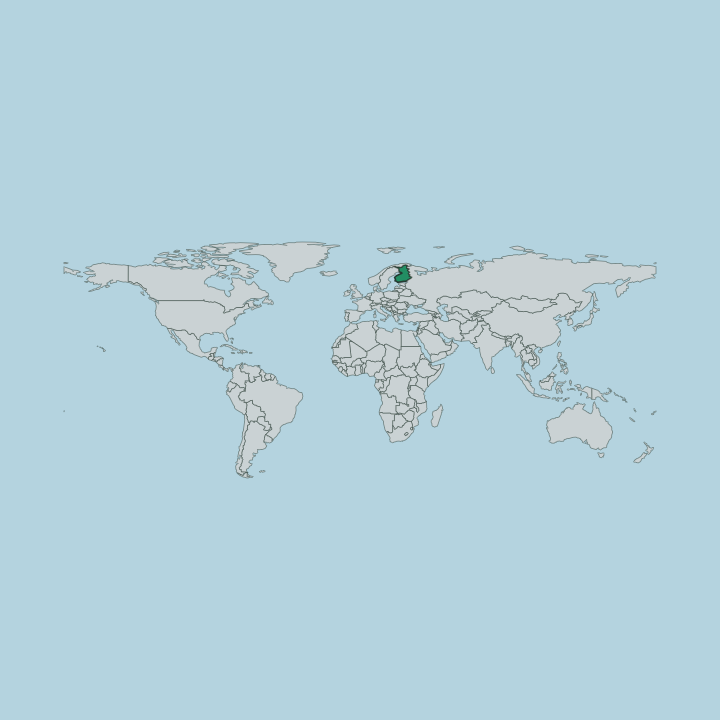
Kurikka is a farming and small-industry town in South Ostrobothnia, western Finland, on the Kyrönjoki plain.
Find your area →


Where to stay in Kurikka
The right area depends on your trip — here's what each neighbourhood is best for.
Kurikka offers a modest range of beds for a plain town of South Ostrobothnia, the kind of place where a small hotel or a guesthouse in the centre is the usual room. The town core around the Kurikan kirkko is the natural base, with the parish church and its belfry, the shops and the everyday services of western Finland (Ostrobothnia) all within an easy walk for travellers stopping over. That is the steadiest stock.
Across the wide municipality the choice opens to farm cottages and cabins among the fields, near the joined villages of Jurva and Jalasjärvi with their old churches and out by the cap-factory hamlet of Panttilan kylä ja Kurikan lakkitehdas, a simple base for touring the plain by car. Beds thin out in the countryside. Visitors drawn to the local past often plan a day around the Kurikan museo ja Kotiseututalo and the protected village of Luopajärvi, then sleep in the larger towns of South Ostrobothnia and drive into Kurikka for the day.
Book ahead when summer fairs and events fill the few rooms of the town.
Things to do in Kurikka
Ranked by global recognition; descriptions from Wikidata (CC0).
Museums & Galleries
1- Kurikan museo ja Kotiseututalo
Churches & Religious Sites
3- Kurikan kirkko Heritage
- Jalasjärven kirkko Heritage
- Jurvan kirkko Heritage
Landmarks & Notable Places
1- Mäntylä, Koivumäen tilalla Heritage house
worth knowingacross 3 categories in Kurikka
About Kurikka
What is Kurikka known for?
Kurikka is known as a flat farming town of South Ostrobothnia, its broad fields and small workshops set on the open plain of western Finland (Ostrobothnia). Land and industry mix here. The wooden Kurikan kirkko stands at the town's heart with its tall belfry, while the former parish churches of Jurvan kirkko and Jalasjärven kirkko mark the joined villages, and the old cap factory of the Panttilan kylä ja Kurikan lakkitehdas recalls the small manufacturing that grew beside the farms of Kurikka.
What are the main landmarks in Kurikka?
The Kurikan kirkko is the chief landmark of the town, a large wooden church whose separate belfry, the Kurikan kirkon kellotapuli, rises beside it on the plain of South Ostrobothnia. Other churches mark the joined villages. The Jurvan kirkko, the Jalasjärven kirkko and the Koskuen kirkko each anchor a former parish of this corner of western Finland (Ostrobothnia).
Industrial and rural heritage survives in the cap-factory hamlet of Panttilan kylä ja Kurikan lakkitehdas, the protected village of Luopajärvi and the collections of the Kurikan museo ja Kotiseututalo.
What is the history of Kurikka?
Kurikka grew from a farming parish of the open South Ostrobothnia plain. Settlement spread early along the Kyrönjoki, where the flat, fertile fields of this part of western Finland (Ostrobothnia) drew farmers to break the land and raise the long ranks of barns that still mark the countryside. Fields came before the town.
The parish was set on its own footing when the town was chartered in 1868, its centre gathered around the wooden Kurikan kirkko and the tall belfry of the Kurikan kirkon kellotapuli that rose beside it. Small industry followed the farms in time. The cap factory recalled at the Panttilan kylä ja Kurikan lakkitehdas was one of the workshops that grew in the villages, adding manufacture to the agricultural life of the plain.
Through later boundary changes the neighbouring parishes were joined into a single wider municipality, bringing in the old church villages of Jurva, Jalasjärvi and Koskue with their churches the Jurvan kirkko, the Jalasjärven kirkko and the Koskuen kirkko. That long story of fields, faith and small workshops is gathered in the Kurikan museo ja Kotiseututalo, while the protected village of Luopajärvi keeps an older rural face of South Ostrobothnia.
Where is Kurikka?
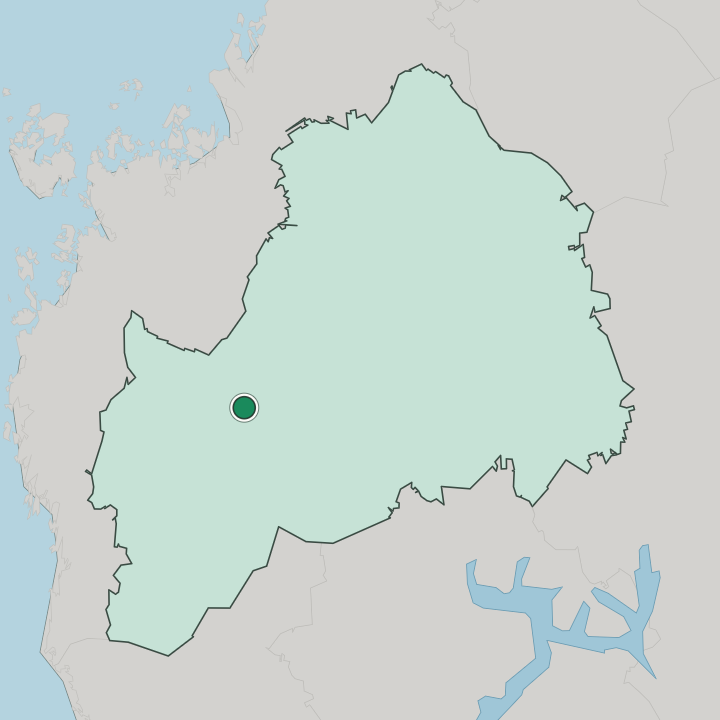
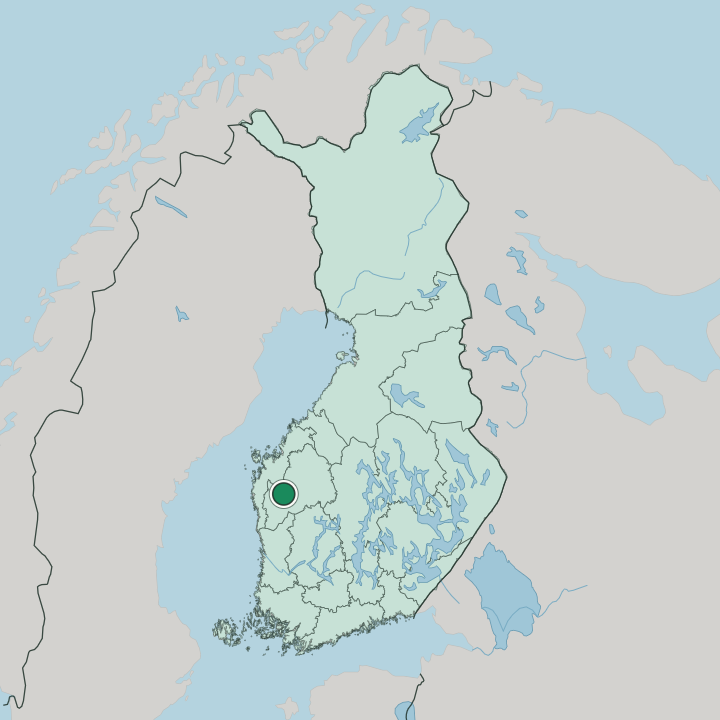
Kurikka spreads across the flat farmland of South Ostrobothnia, in western Finland (Ostrobothnia). The Kyrönjoki winds through the open plain, its low banks lined with fields, barns and the scattered farms that give the district its character. Land lies almost level here.
A town centre gathers near the Kurikan kirkko while the joined villages of Jurva, Jalasjärvi and Koskue lie out across the broad municipality, each a small cluster of houses and church among the wide tilled fields of this part of western Finland.
What is the climate of Kurikka?
Kurikka has a cool inland climate shaped by the open plain of South Ostrobothnia. Winters are cold and snowy, with hard frosts settling over the flat fields and the Kyrönjoki valley through the dark months, and the snow lying long across western Finland (Ostrobothnia). The plain holds the cold.
Light, warm summers bring the long northern daylight to the farmland around Kurikka, the growing season when the fields of the plain green and the work of the harvest fills the countryside before the snow returns.
How do you get to Kurikka?
Kurikka sits on the road network of the South Ostrobothnia plain, and the car is the usual way in. Main roads cross the flat country of western Finland (Ostrobothnia) to the town centre near the Kurikan kirkko, the simplest approach for travellers driving the region. Buses run the same routes.
The nearest railway and the regional airport lie in the larger towns of South Ostrobothnia, from where road carries visitors the last stretch into Kurikka and the joined villages of Jurva and Jalasjärvi.
Good for
More cities in South Ostrobothnia
Updated September 2026