France · Île-de-France
Where to Stay in Boulogne-Billancourt, Île-de-France
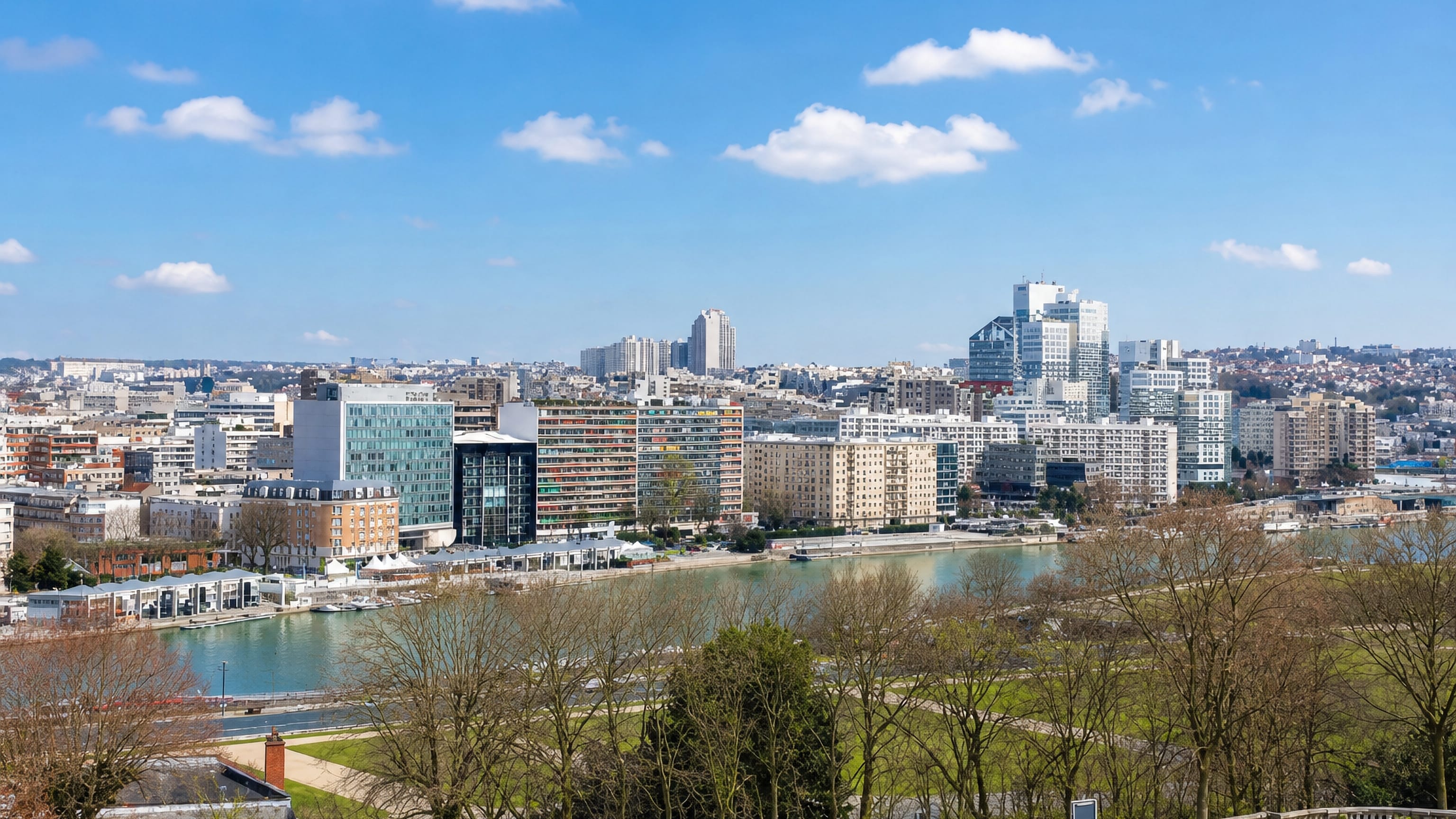
Boulogne-Billancourt occupies the western inner suburbs of Paris, a Hauts-de-Seine subprefecture with Île Seguin in the Seine.
Hotel links are affiliate links: booking through them may earn us a commission, at no extra cost to you. It never affects how places are ranked. How this works


Where to stay in Boulogne-Billancourt
Where the beds are, and what that means for the visit.
Two ends of Boulogne-Billancourt take visitors, the river end around Île Seguin and the Paris end near Stade Roland Garros, and they make quite different stays. Boulogne-Billancourt is a prosperous commune, and the streets show it in either half. The river end is the quieter.
Rooms by the water put Île Seguin, the Musée Albert-Kahn and the musée des années trente within reach, which suits you if the nineteen-thirties are the reason for coming. Sèvres lies close on the same river. The Paris end runs up against the bois de Boulogne and Auteuil, where Stade Roland Garros, the Tenniseum and the Piscine Molitor take up the ground, and a room there is a room almost inside the capital.
Aquaboulevard is close by. The Musée Marmottan Monet and the Fondation Le Corbusier fall on that side, with Villa La Roche and the Immeuble Molitor among them. Musée Français de la Carte à Jouer is the odd one on that list.
Stade Pierre de Coubertin belongs to the same group. Pick the river for the museums and the island, and the Paris end for tennis and a shorter walk in.
Find hotels in Boulogne-Billancourt
Direct booking searches for these neighbourhoods.
The river end by Île Seguin
Île Seguin lies in the Seine below these streets, with Sèvres on the same waterFind hotels in The river end by Île SeguinTennis weeks and short walks into ParisThe Auteuil end by Stade Roland Garros
The Tenniseum, the Piscine Molitor and the bois de Boulogne all sit at this endFind hotels in The Auteuil end by Stade Roland GarrosHotel links are affiliate links: booking through them may earn us a commission, at no extra cost to you. It never affects how places are ranked. How this works
Things to do in Boulogne-Billancourt
Ranked by global recognition; descriptions from Wikidata (CC0).
Museums & Galleries
3- Manufacture nationale de Sèvres Heritage
- Musée Albert-Kahn Heritage
- musée des années trente
Churches & Religious Sites
2- Église Notre-Dame de Boulogne Heritage
- Église Notre-Dame-de-la-Salette de Suresnes Heritage
Castles & Historic Sites
1- Château de Bellevue Heritage
Stadiums & Sports
1- Standard Athletic Club
Landmarks & Notable Places
1- Immeuble Molitor Heritage
worth knowingacross 5 categories in Boulogne-Billancourt
About Boulogne-Billancourt
What is Boulogne-Billancourt known for?
Stade Roland Garros and the Tenniseum stand on the commune's edge, while the musée des années trente and the Fondation Le Corbusier carry the architecture the commune is known for. Île Seguin lies in the Seine. Musée Marmottan Monet and the Musée Albert-Kahn head the list of collections. Villa La Roche, the Immeuble Molitor and the Piscine Molitor stand among the modern buildings the commune is visited for.
What are the main landmarks in Boulogne-Billancourt?
Musée Marmottan Monet, the Musée Albert-Kahn and the musée des années trente are the three collections that carry the commune, and the Musée Français de la Carte à Jouer follows them. Île Seguin sits in the river. Stade Roland Garros, the Tenniseum and the Stade Pierre de Coubertin cover the sport, while the Piscine Molitor and Aquaboulevard take the water. Villa La Roche, the Fondation Le Corbusier and the Immeuble Molitor are the buildings themselves.
What is the history of Boulogne-Billancourt?
Église Notre-Dame de Boulogne came first. The commune grew from that parish on the edge of the bois de Boulogne, with the Château de Bellevue and the ceramics works of the Manufacture nationale de Sèvres marking the country around it. Sèvres - Cité de la céramique and the National Museum of Ceramics still hold that trade.
Maison de Balzac is another survivor from that time. Notre-Dame-d'Auteuil and Église Saint-Christophe-de-Javel are older parishes on the same stretch of river. The nineteen-thirties gave Boulogne-Billancourt the buildings it is visited for, and the musée des années trente was set up to hold that record, with the Fondation Le Corbusier, Villa La Roche and the Immeuble Molitor on the same ground. Île Seguin came with it.
Sport built up alongside: Stade Roland Garros, the Stade Pierre de Coubertin, the Standard Athletic Club and the Piscine Molitor all sit within the same few kilometres. The Tenniseum records the tennis. Hauts-de-Seine made the commune a subprefecture and the seat of its arrondissement, and the Métropole du Grand Paris took it in later.
Musée de Radio France and the Fusillés de la cascade du bois de Boulogne belong to the later commune.
Where is Boulogne-Billancourt?
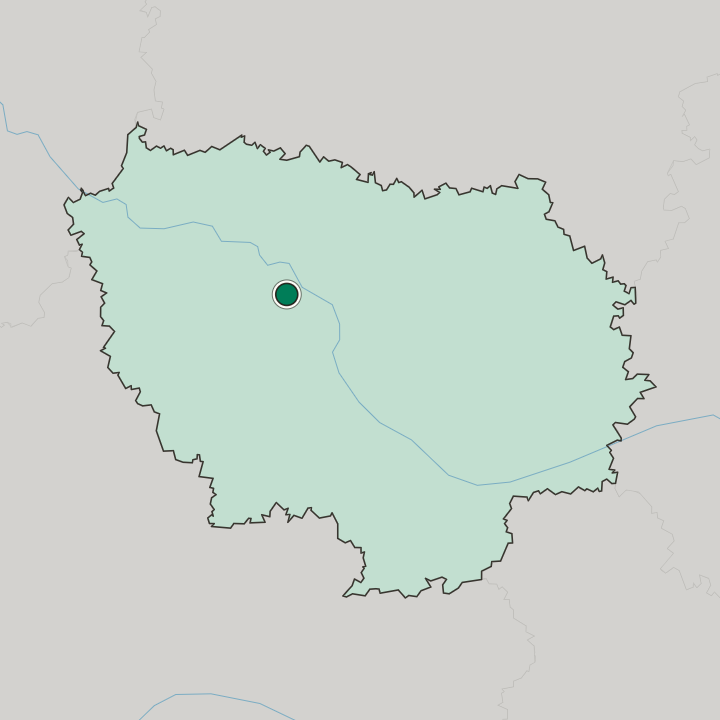
The Seine runs along the commune, and Île Seguin sits in the channel as the one island Boulogne-Billancourt holds, with Sèvres and Suresnes among the neighbours on that water. The commune touches Paris directly. Hauts-de-Seine holds the commune, the Métropole du Grand Paris takes in the whole of that, and Île-de-France frames it all.
The bois de Boulogne edges it.
What is the climate of Boulogne-Billancourt?
The Seine and the bois de Boulogne are the only local softeners of a temperate northern year that arrives here exactly as it arrives in Paris. Sèvres shares it. Rain spreads across the seasons rather than falling in one, and the Piscine Molitor and Aquaboulevard cover the colder months indoors.
Suresnes gets the same weather off the river.
How do you get to Boulogne-Billancourt?
Measured from Notre Dame, the centre of Paris is 8.2 km from Boulogne-Billancourt, and nothing but built ground lies between. Suresnes lies across the water. The arrondissement of Boulogne-Billancourt is run from the commune itself, and roads out of it reach Sèvres, the bois de Boulogne and the western edge of Paris without leaving the suburbs.
Stade Roland Garros marks the Paris end of the approach.
Common questions
What is the best area to stay in Boulogne-Billancourt?
The river end by Île Seguin: Visitors here for the musée des années trente and the Musée Albert-Kahn. The Auteuil end by Stade Roland Garros: Tennis weeks and short walks into Paris.
Good for
More cities in Île-de-France
Updated October 2026