France · Île-de-France
Where to Stay in Versailles, Île-de-France
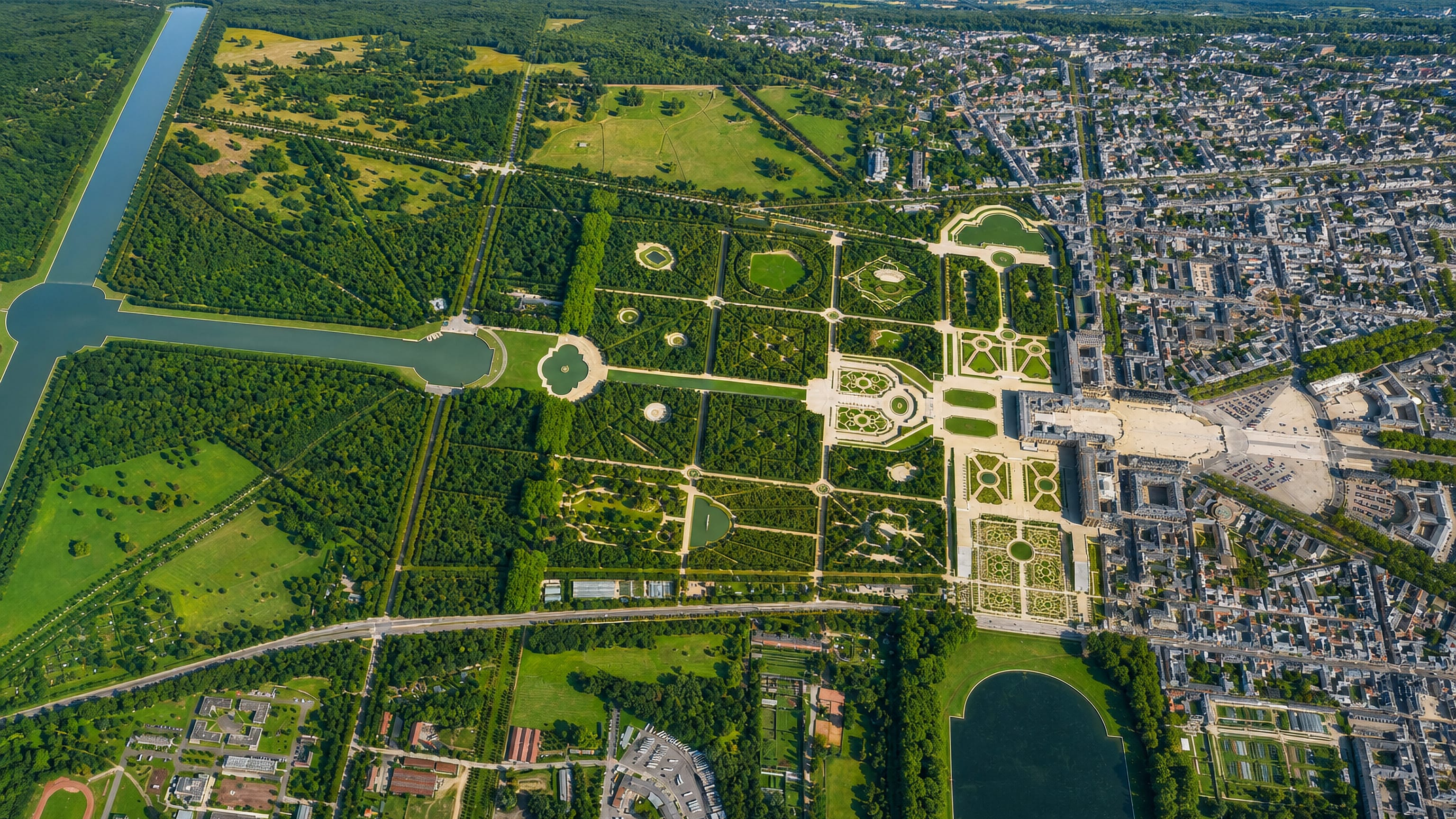
Formal gardens and gilded stone define Versailles, a city southwest of Paris in Île-de-France, known for the Palace of Versailles and the Petit Trianon.
Hotel links are affiliate links: booking through them may earn us a commission, at no extra cost to you. It never affects how places are ranked. How this works


Where to stay in Versailles
Where visitors usually base themselves, and why.
Where to stay in Versailles turns on your distance from the palace gates. The streets around the Church of Notre-Dame form the older Notre-Dame quarter, north of the château, where the Musée Lambinet sits among townhouses and the weekly market fills the squares. Rooms nearest the Palace of Versailles put the Galerie des Batailles and the state apartments within a short walk, though they cost the most in the city.
Proximity is dear here. South of the palace, quieter residential streets run toward the Pièce d'eau des Suisses and the Golf de la Boulie, trading closeness for calm. Families favour this side.
Parkland and the Château du Petit Trianon lie a short walk off through the gardens, and slower travellers settle here for the hush. The town rewards a full night, because evening empties the estate and the gravel avenues, the Église Sainte-Jeanne-d'Arc, and the long ornamental water settle into stillness once the day visitors return to Paris.
Find hotels in Versailles
Direct booking searches for these neighbourhoods.
Notre-Dame quarter
Older townhouse streets north of the château around the Church of Notre-Dame, where the weekly market fills the squares.Find hotels in Notre-Dame quarterWalking to the state apartments at dawnPalace gates
The streets nearest the Palace of Versailles put the Galerie des Batailles a short walk away, at the city's highest room rates.Find hotels in Palace gatesQuiet parkland stays near the Golf de la BoulieSouth of the estate
Residential streets running toward the Pièce d'eau des Suisses, with the Château du Petit Trianon reached on foot through the gardens.Find hotels in South of the estateHotel links are affiliate links: booking through them may earn us a commission, at no extra cost to you. It never affects how places are ranked. How this works
Things to do in Versailles
Ranked by global recognition; descriptions from Wikidata (CC0).
Museums & Galleries
3- Galerie des Batailles
- appartement du roi
- Museum of the History of France
Churches & Religious Sites
4- Church of Notre-Dame, Versailles Heritage
- Église Saint-Symphorien de Versailles Heritage
- Église Notre-Dame-du-Chêne de Viroflay Heritage
- Église Saint-Jean-Baptiste de Buc Heritage
Castles & Historic Sites
3- Palace of Versailles UNESCO
- Château du Petit Trianon Heritage
- Monument Pershing - Lafayette Heritage
Stadiums & Sports
2- stade Montbauron
- Golf de la Boulie
Landmarks & Notable Places
3- Maison des musiciens italiens Heritage
- Maison Cassandre Heritage
- maison, 11 rue de la Paroisse Heritage
worth knowingacross 5 categories in Versailles
About Versailles
What is Versailles known for?
Versailles is known above all for the Palace of Versailles, the royal château built on former hunting grounds southwest of Paris. Its Galerie des Batailles and the appartement du roi draw crowds through the palace state rooms. The Château du Petit Trianon and the watermill in the Queen's Hamlet extend the estate into gardens and parkland.
Beyond the palace, the Musée Lambinet and the Church of Notre-Dame anchor the older town. Wealth clings to it still.
What are the main landmarks in Versailles?
The main landmarks in Versailles cluster around the royal estate. The Palace of Versailles alone holds the Galerie des Batailles, the appartement du roi, and the king's cabinet within a single run of state rooms laid out for the French court. Gardens carry the rest.
Out beyond the parterres stand the Château du Petit Trianon and the watermill in the Queen's Hamlet. The town keeps its own, the Church of Notre-Dame, the Musée Lambinet, and the Église Saint-Symphorien marking the streets north of the palace.
What is the history of Versailles?
Versailles grew from a royal hunting lodge on wooded ground southwest of Paris. The estate took its lasting shape after 1624, when the first lodge was raised on grounds that Louis XIV would later transform into the Palace of Versailles. Under his reign the château became the principal residence of the French crown, and the town spread outward from its gates to house the court and the officials who served it.
Louis XV and Louis XVI held the same seat, and the estate accumulated its outbuildings across generations. The Château du Petit Trianon rose in the gardens as a royal retreat, and the Queen's Hamlet added its watermill and rustic cottages. Power drained from the palace with the fall of the monarchy.
The court dispersed. What remained was a town shaped entirely by the crown that had built it, its avenues, its Church of Notre-Dame, and its museums all laid out to the scale of a royal capital rather than an ordinary provincial seat in Île-de-France.
Where is Versailles?
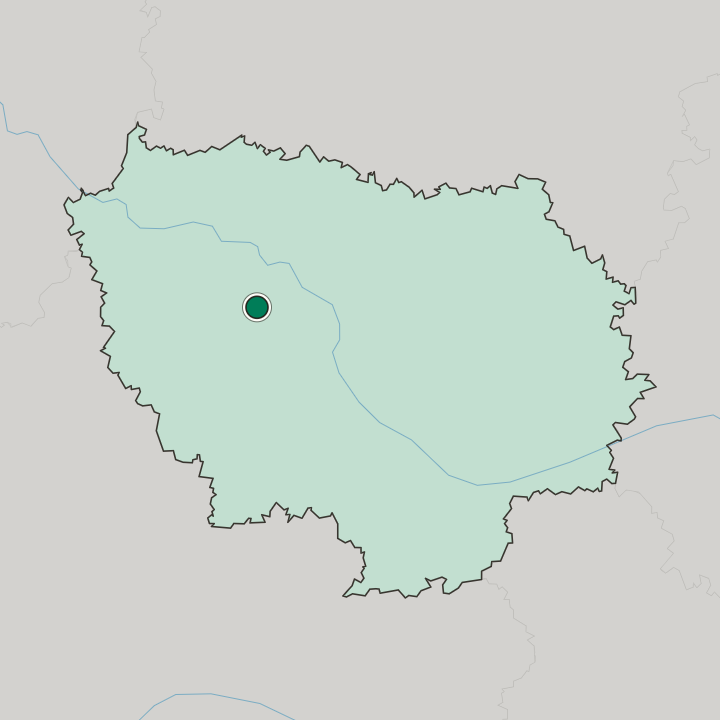
Versailles sits on the western edge of the Paris metropolis, southwest of the capital within Île-de-France. Low wooded hills and gentle valleys frame the town, the same terrain that first drew the crown here for the hunt long before the palace rose. The royal estate spreads west.
Its gardens give way to the ornamental water of the Pièce d'eau des Suisses and the greens of the Golf de la Boulie. The built town gathers north and east around the Church of Notre-Dame.
What is the climate of Versailles?
Versailles shares the mild oceanic climate of the Paris basin in Île-de-France. Winters are cool and damp rather than harsh, grey skies settling over the château gardens for weeks at a stretch while the ornamental water lies flat and still. Summers stay warm and changeable.
The estate's long avenues offer shade when the sun breaks through. Rain falls year round. Spring and autumn bring the softest light to the parkland.
How do you get to Versailles?
Getting to Versailles is straightforward from Paris. Suburban rail lines run out from the capital to the town's stations, dropping visitors within walking distance of the Palace of Versailles. Roads from the western edge of the Paris metropolis feed into the town through Île-de-France.
Once you arrive, the estate, the Church of Notre-Dame, and the Musée Lambinet all lie close enough to reach on foot.
Common questions
What is the best area to stay in Versailles?
Notre-Dame quarter: Market mornings by the Musée Lambinet. Palace gates: Walking to the state apartments at dawn. South of the estate: Quiet parkland stays near the Golf de la Boulie.
Good for
More cities in Île-de-France
Updated October 2026