France
Île-de-France, France — Towns & Travel Guide
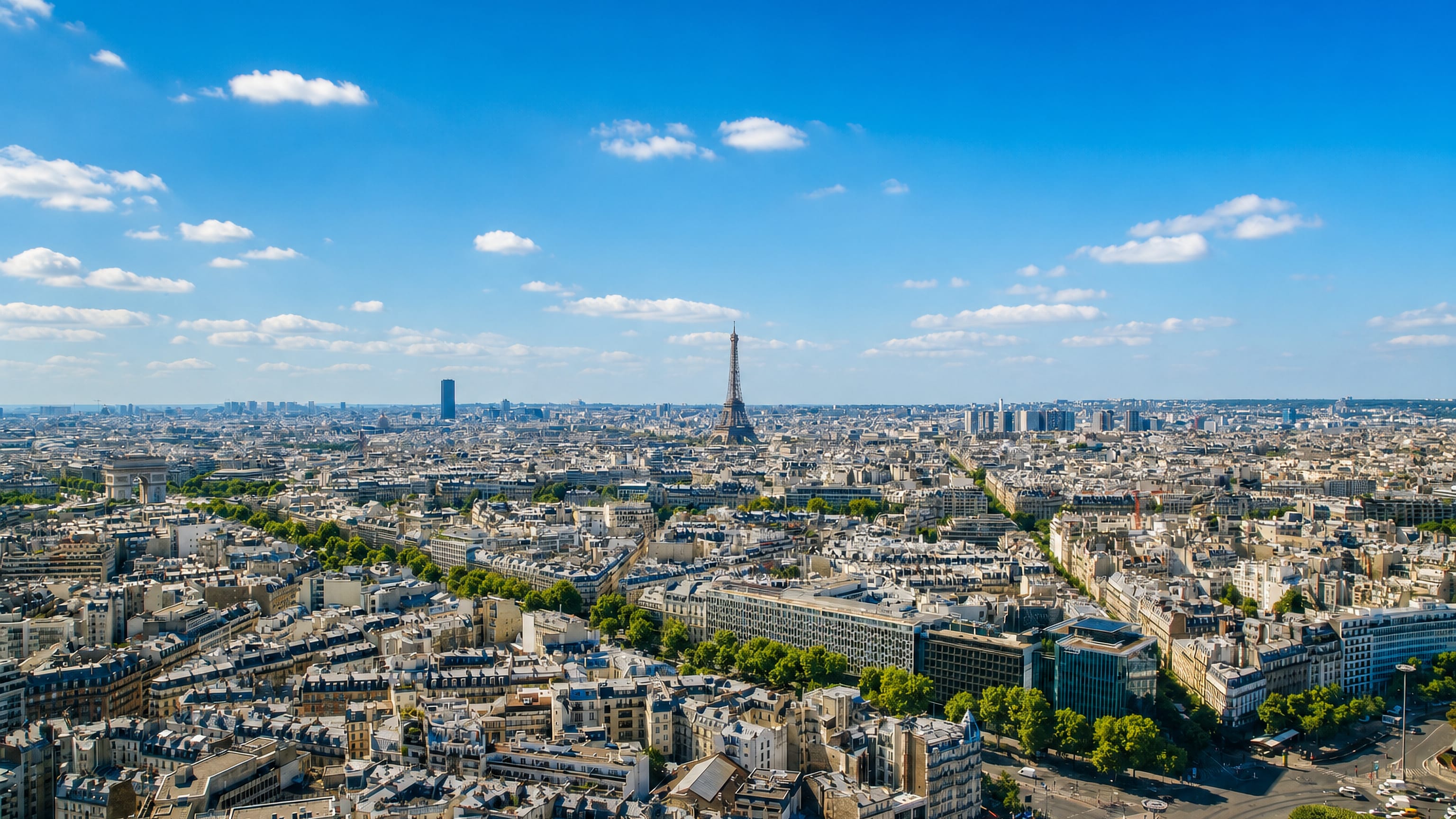
Île-de-France is the region around Paris, where the Seine gathers the Marne and the Oise at the heart of France.
Hotel links are affiliate links: booking through them may earn us a commission, at no extra cost to you. It never affects how places are ranked. How this works


Towns & cities in Île-de-France
Pick a town or city — each links to where to stay.
 France
Paris
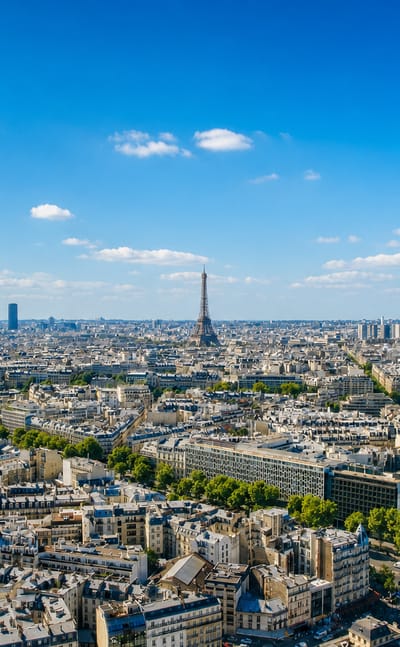
The Seine splits Paris in two, capital of France in the Île-de-France, known for the Louvre Museum, the Panthéon and the Sacré-Cœur above the city.Where to stay →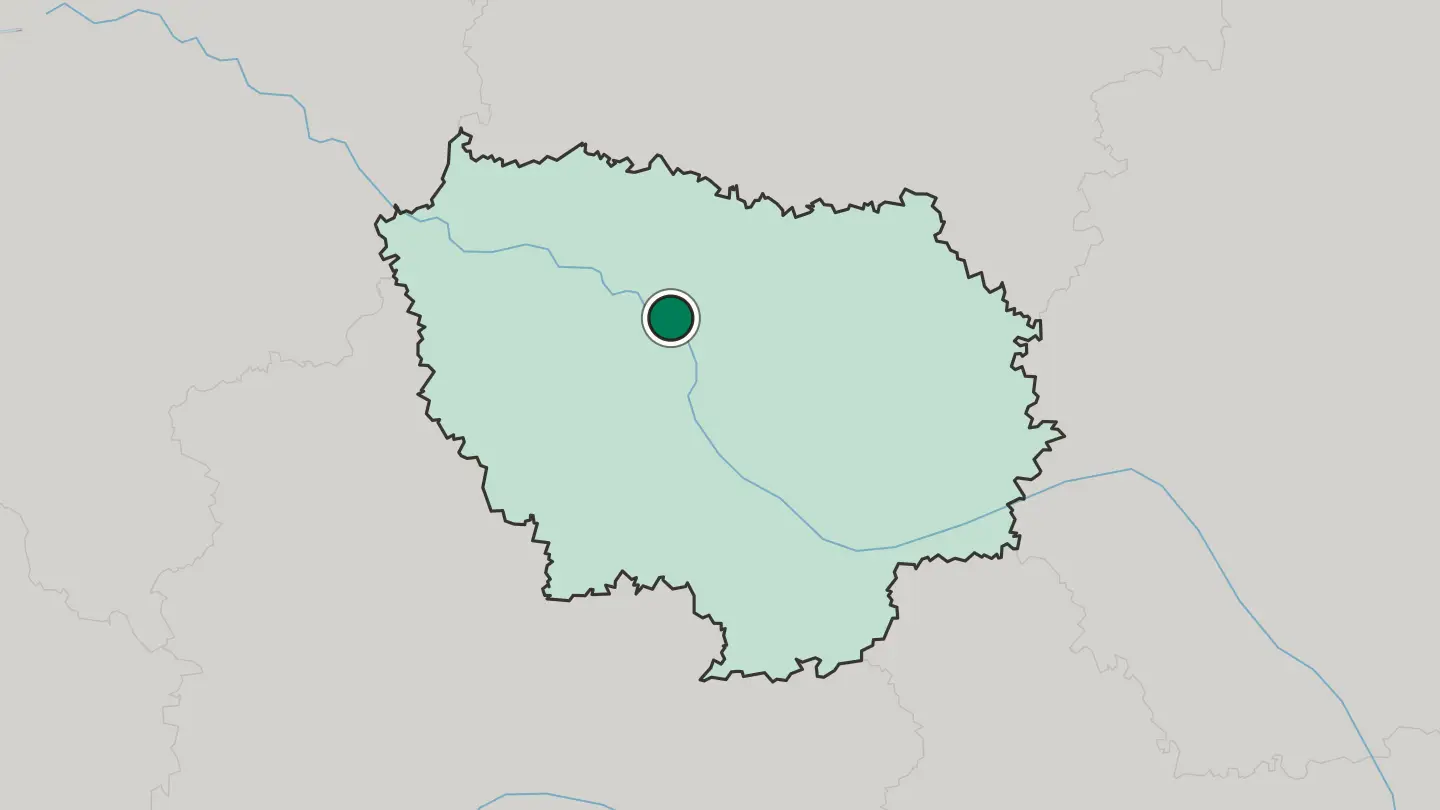
 France
Saint-Quentin-en-Yvelines
A pond gave the name. Saint-Quentin-en-Yvelines is a planned new town west of Paris, built from open ground around the Saint Quentin Pond.Where to stay →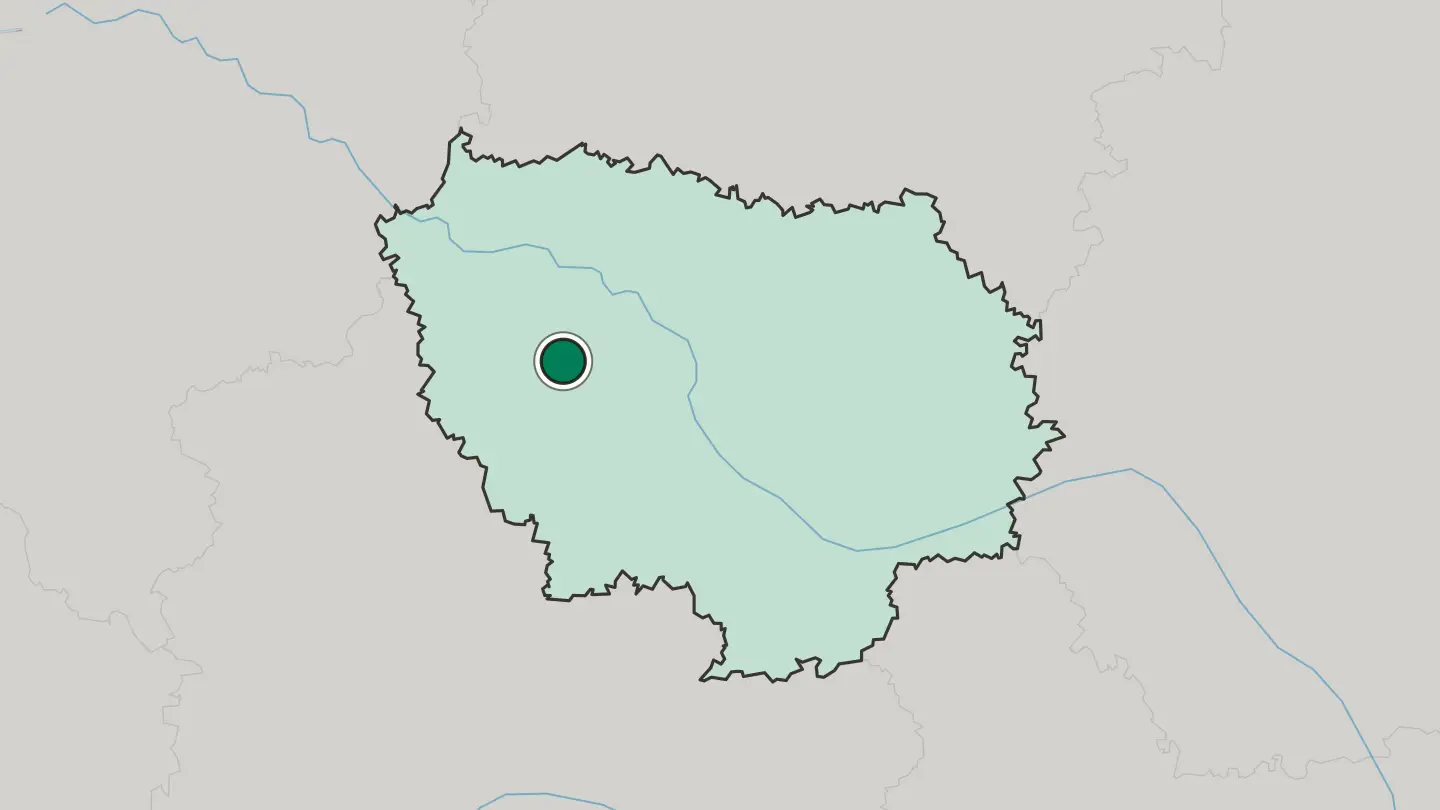 France
Montreuil
Montreuil, also called Montreuil-sous-Bois, is a commune of Seine-Saint-Denis in the eastern suburbs of Paris, north of the Bois de Vincennes.Where to stay →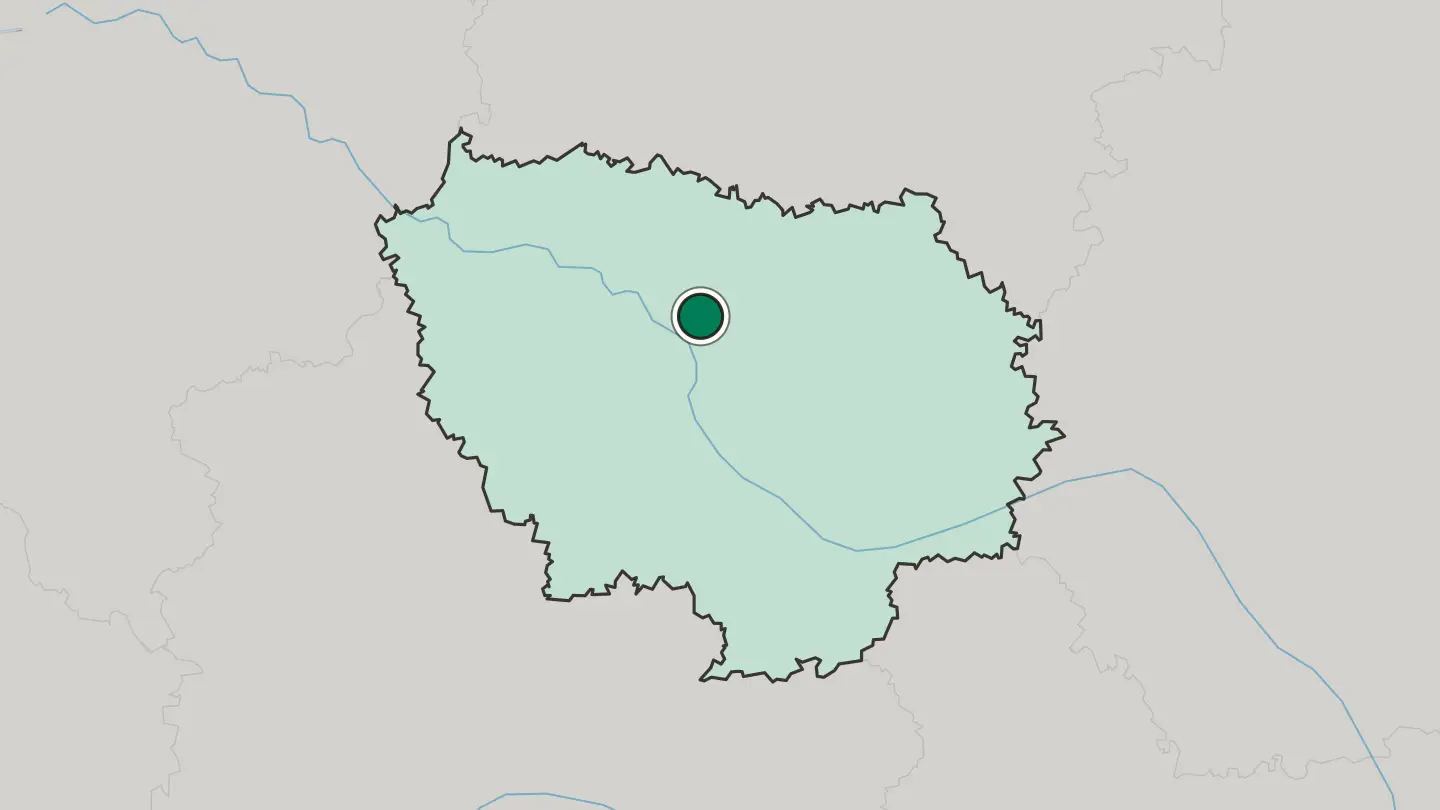
 France
Boulogne-Billancourt
Boulogne-Billancourt occupies the western inner suburbs of Paris, a Hauts-de-Seine subprefecture with Île Seguin in the Seine.Where to stay →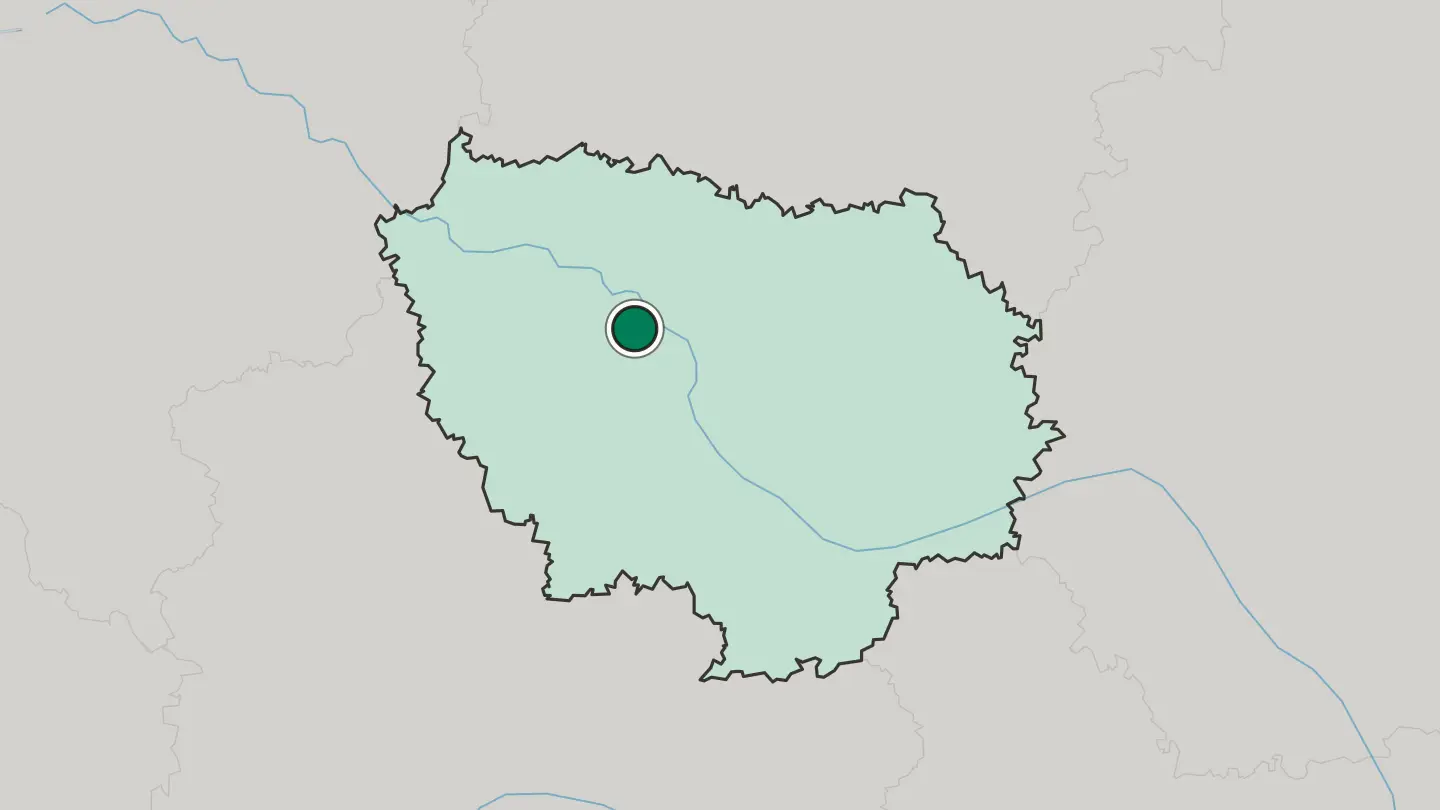
 France
Argenteuil
The basilique Saint-Denys anchors Argenteuil, a Val-d'Oise sub-prefecture in the northwestern suburbs of Paris.Where to stay →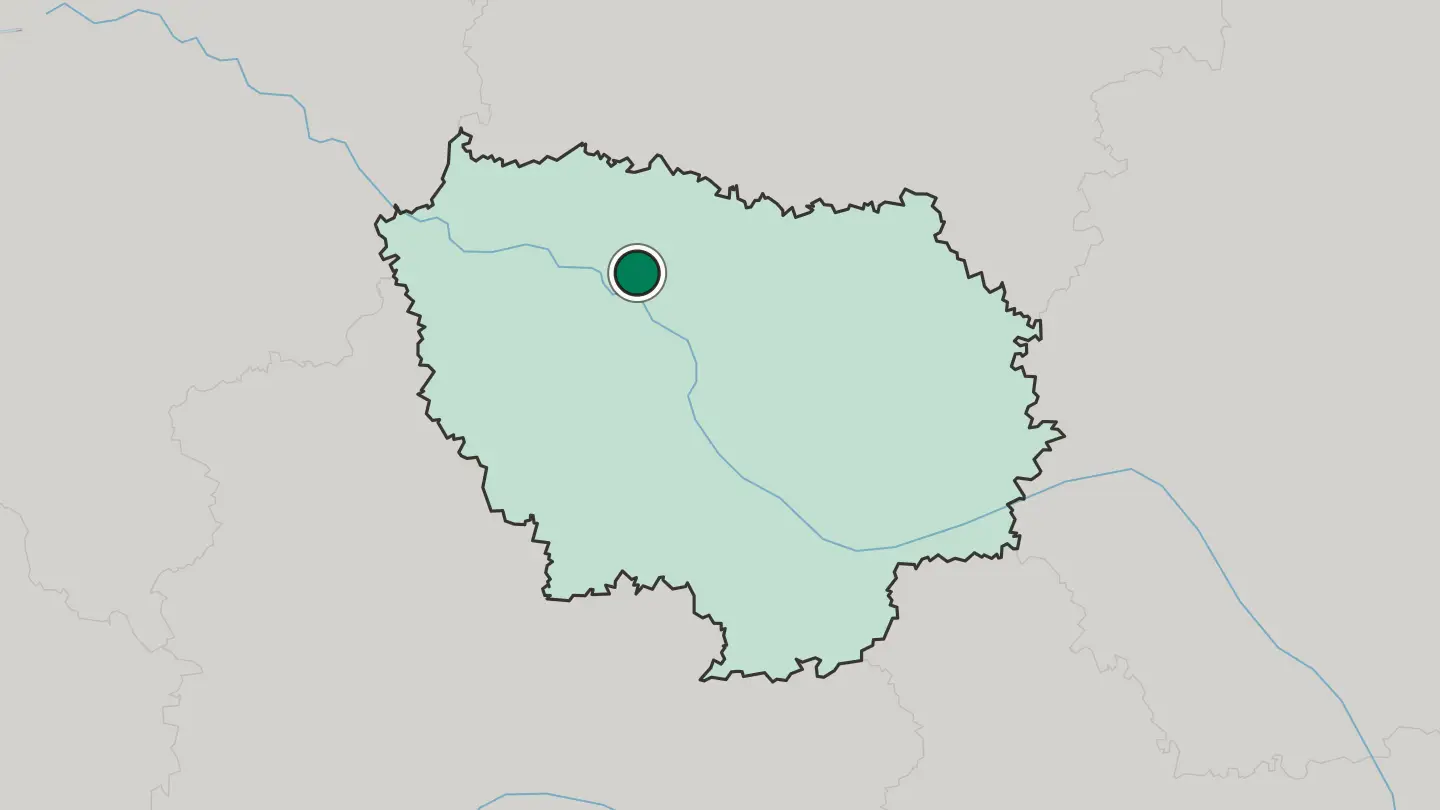 France
Saint-Denis
Saint-Denis is a commune of some twelve square kilometres just north of Paris, dense, industrial in origin and busy with sport.Where to stay →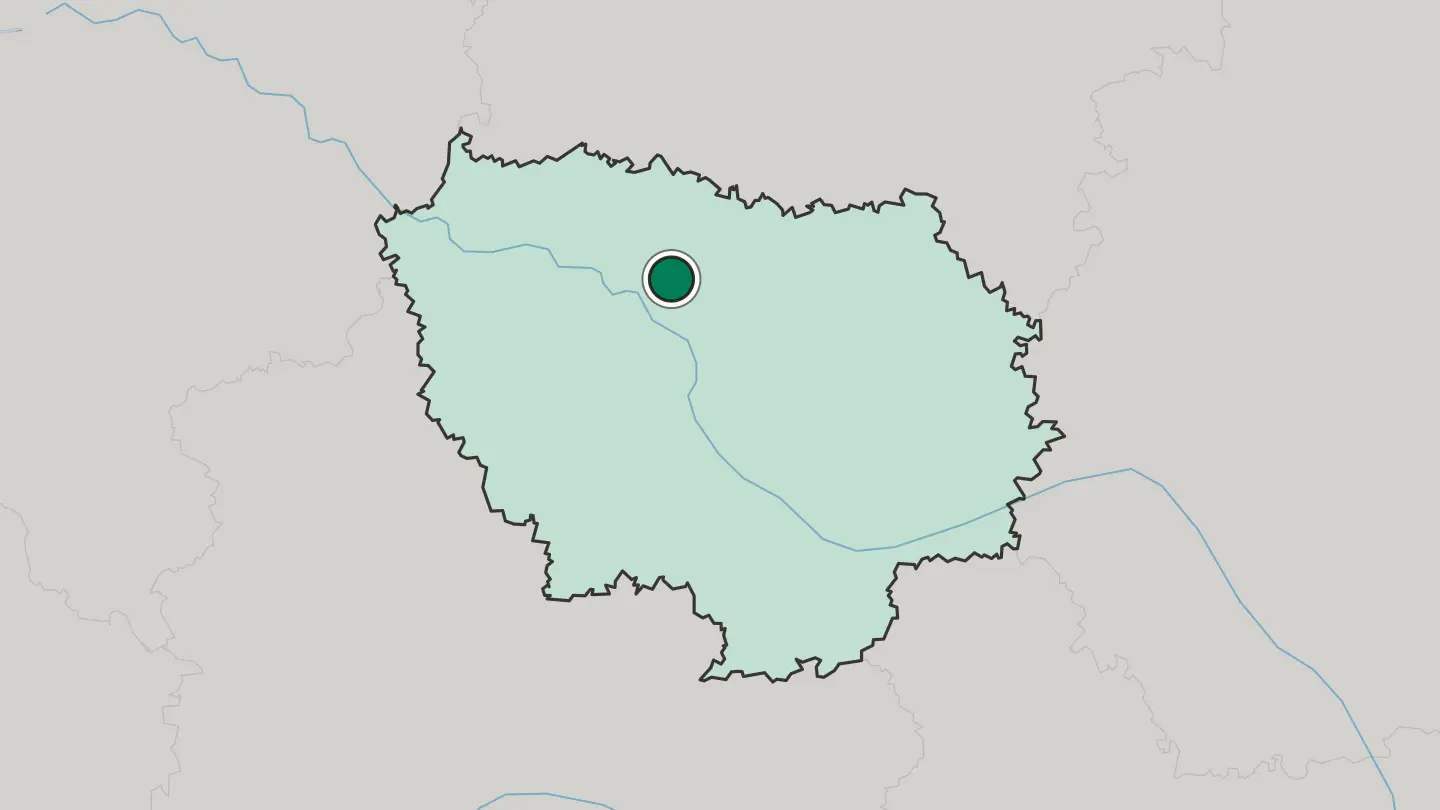 France
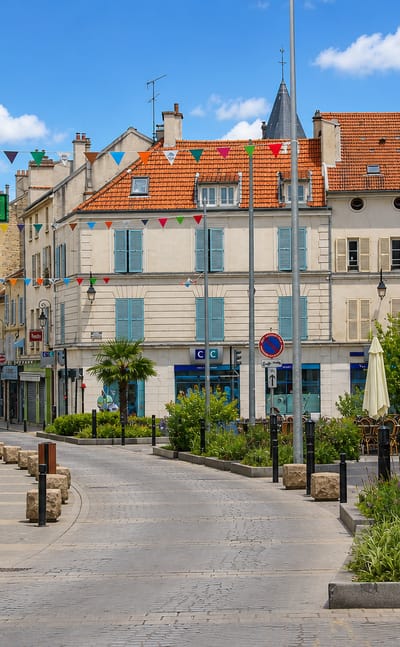
Asnières-sur-Seine
Asnières-sur-Seine holds the left bank of the Seine eight kilometres from the centre of Paris, in the Hauts-de-Seine department.Where to stay →
 France
Nanterre
Nanterre is a city in Île-de-France, prefecture of Hauts-de-Seine, in the western suburbs of Paris beside the towers of La Défense on the Seine.Where to stay →
All towns & cities (34)
 France
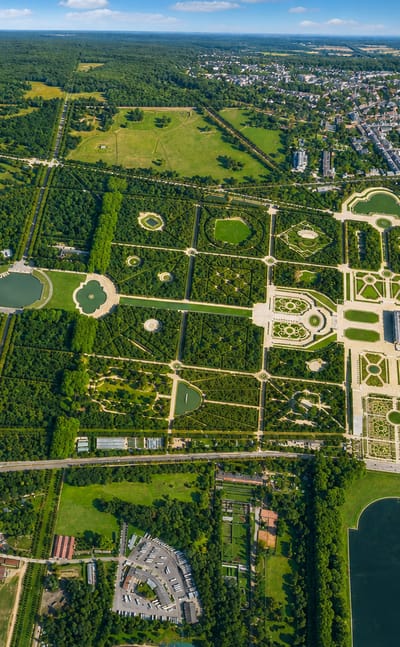
Versailles
Formal gardens and gilded stone define Versailles, a city southwest of Paris in Île-de-France, known for the Palace of Versailles and the Petit Trianon.Where to stay →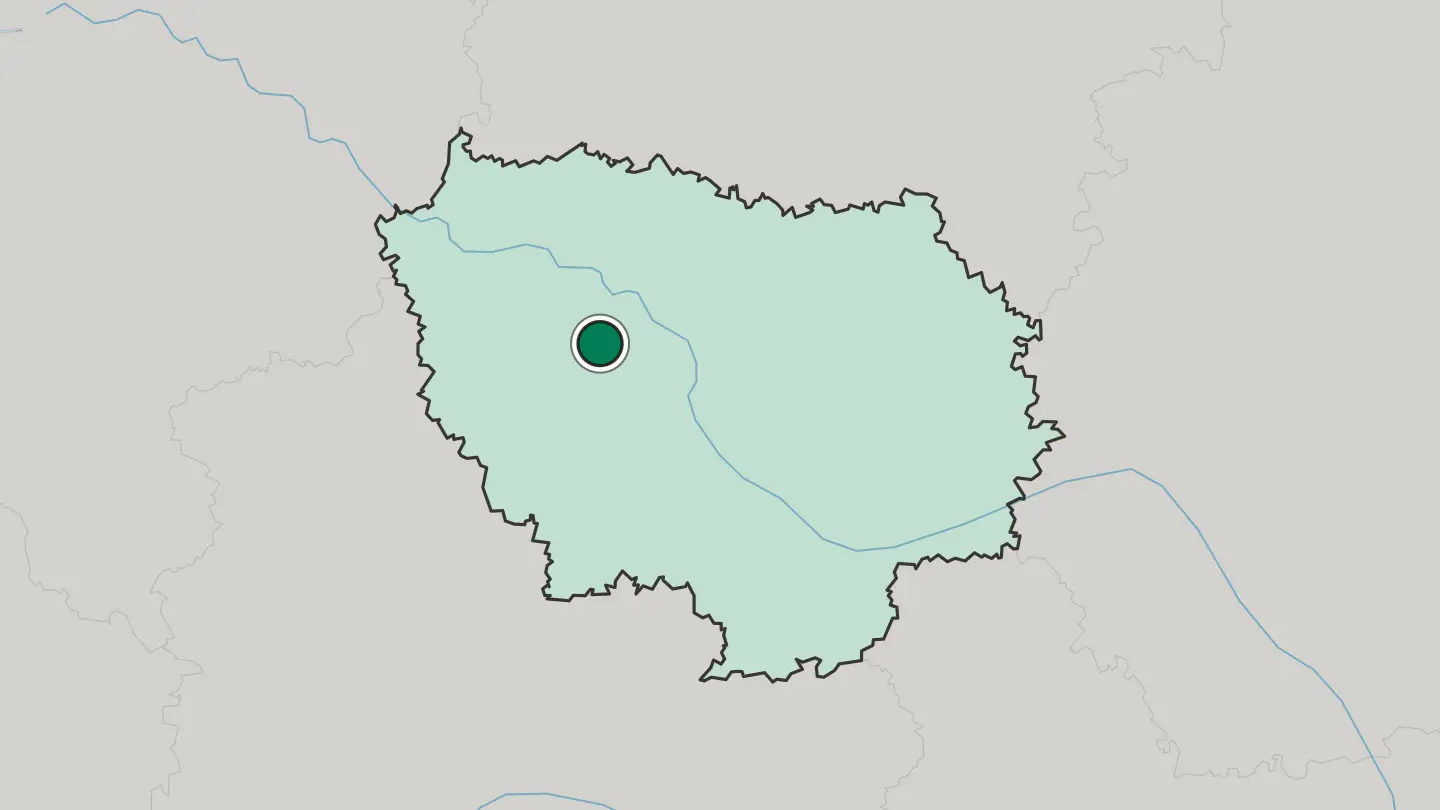
 France
Courbevoie
La Défense rises at the edge of Courbevoie, a Hauts-de-Seine commune two kilometres from the Paris city limits on the last loop of the Seine.Where to stay →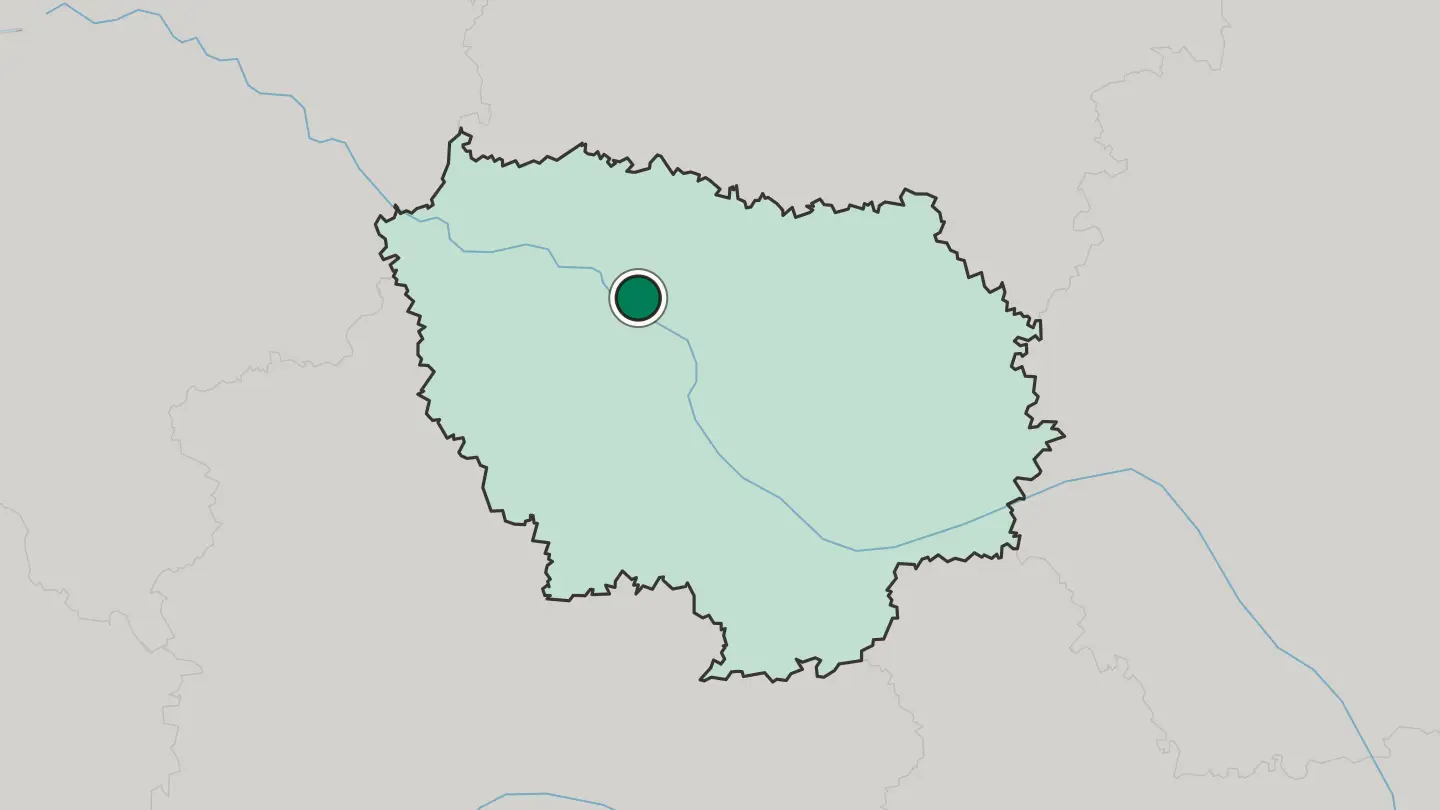 France
Créteil
Créteil is the préfecture of Val-de-Marne, a commune in the southeastern suburbs of Paris with its own diocese and académie.Where to stay →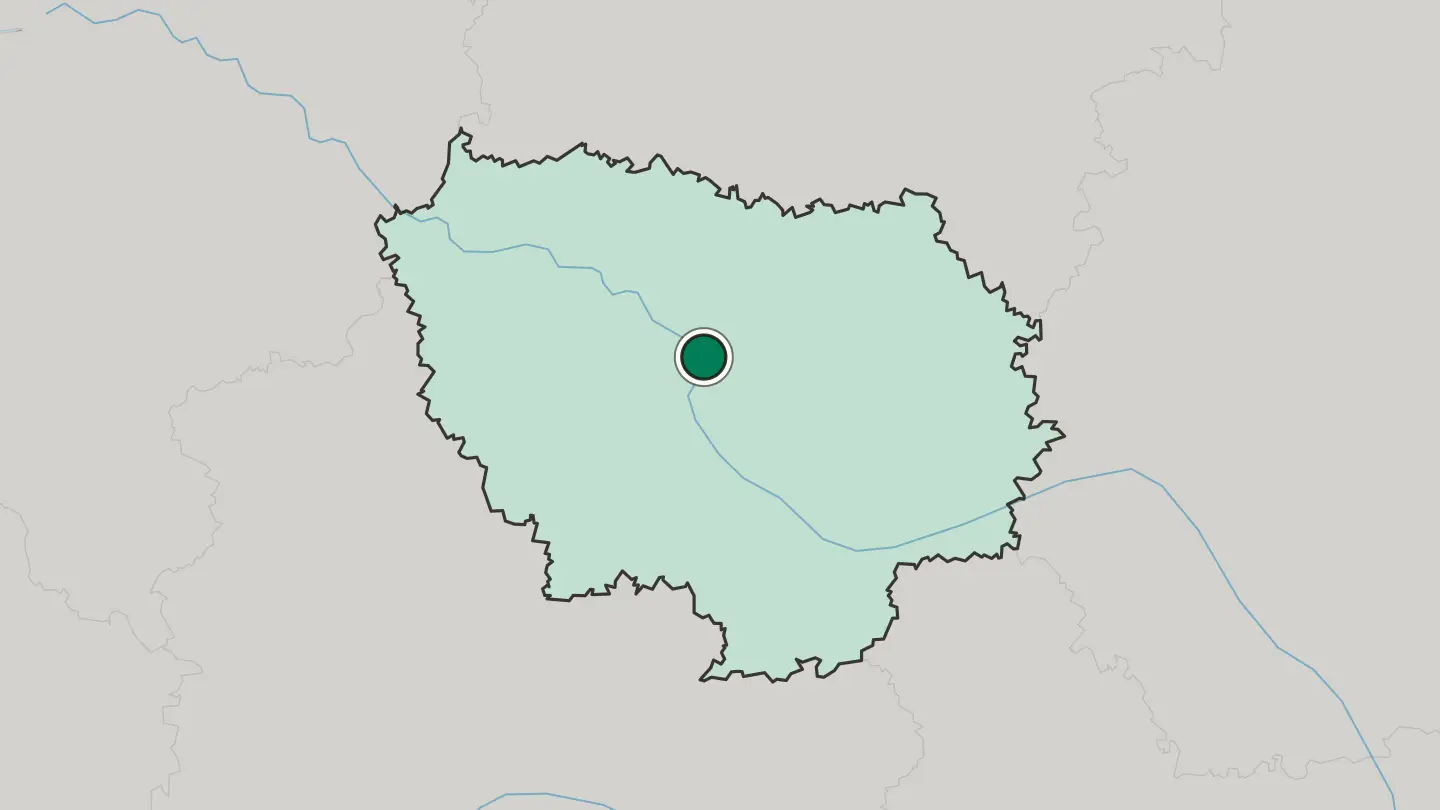 France
Colombes
Colombes spreads through the northwestern suburbs of Paris around the Yves du Manoir Stadium and an old parish church left standing.Where to stay →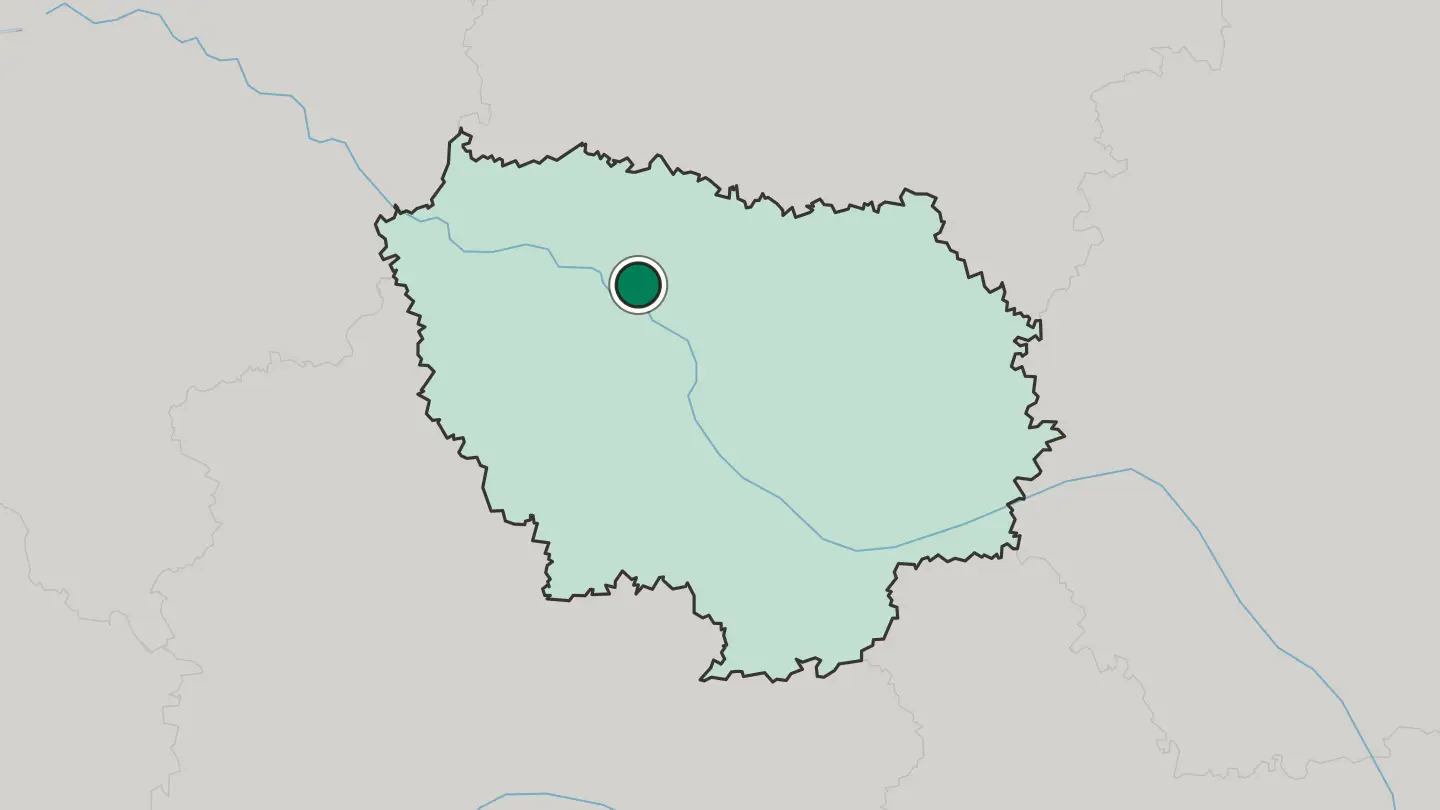 France
Vitry-sur-Seine
Vitry-sur-Seine is a Val-de-Marne commune on the river, with painted walls throughout and the musée d'Art contemporain du Val-de-Marne at its centre.Where to stay →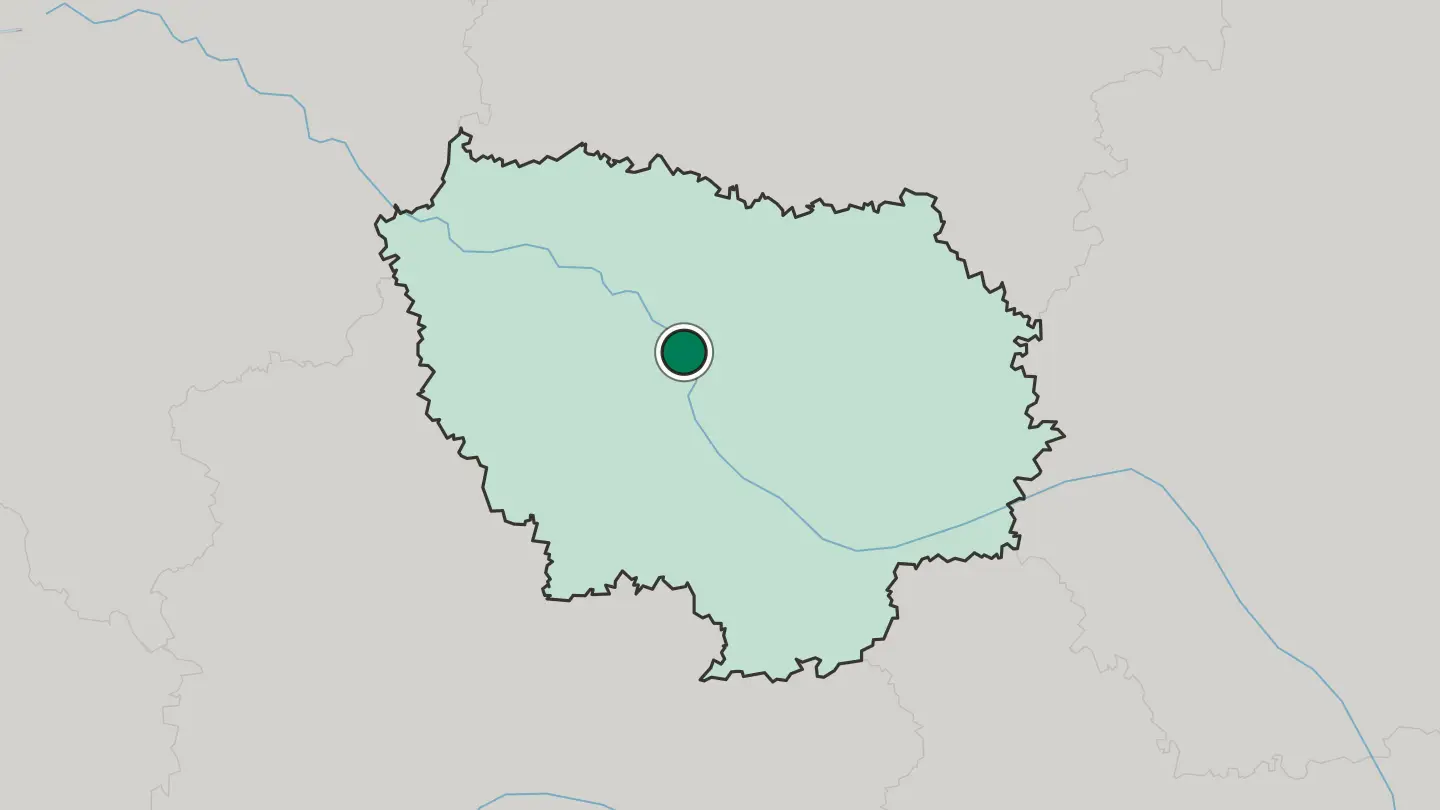 France
Champigny-sur-Marne
The Marne loops past Champigny-sur-Marne, an Île-de-France city east-southeast of Paris, known for the Musée de la Résistance nationale.Where to stay →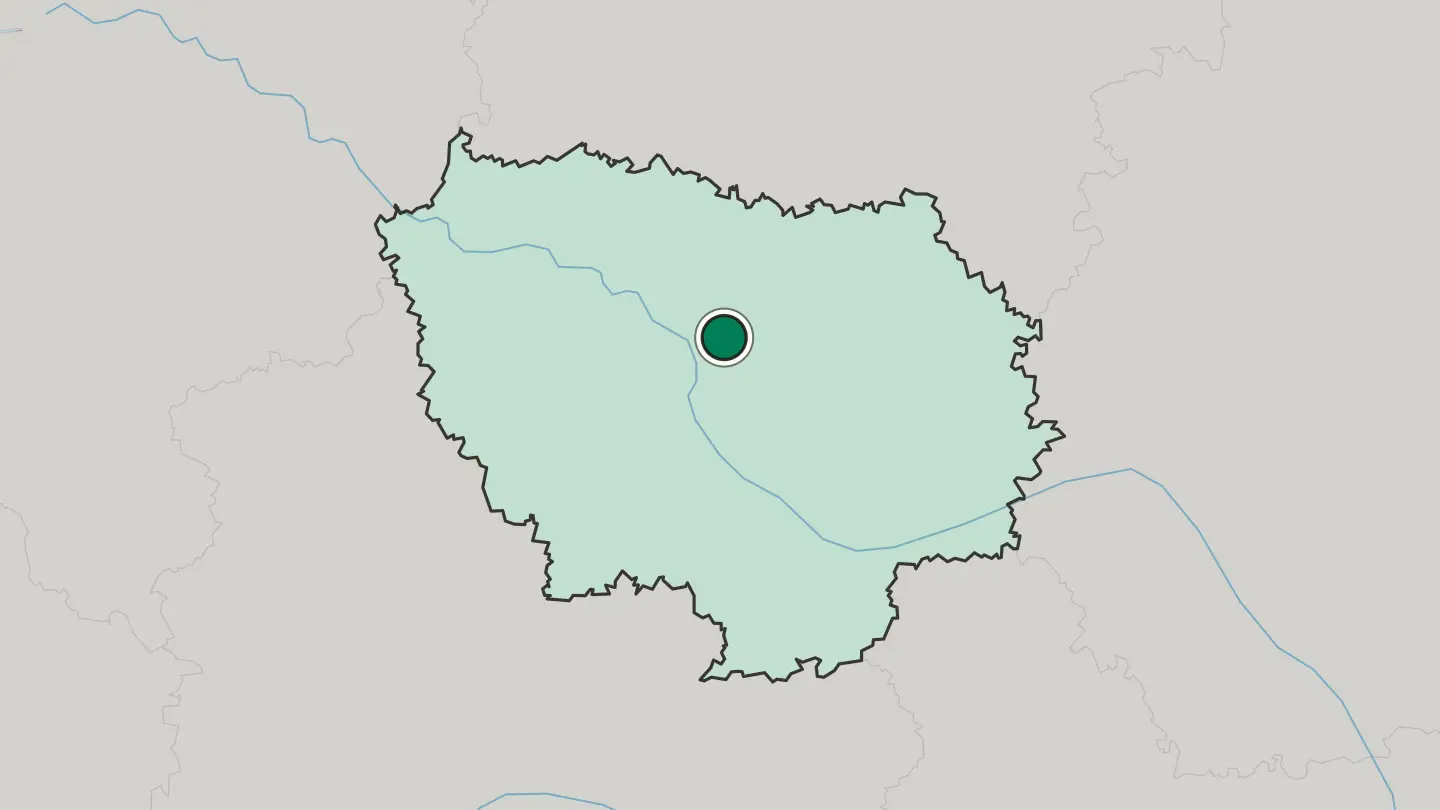
 France
Rueil-Malmaison
Rueil-Malmaison is the largest commune in Hauts-de-Seine, a green town in the western suburbs of Paris built around the Château de Malmaison.Where to stay →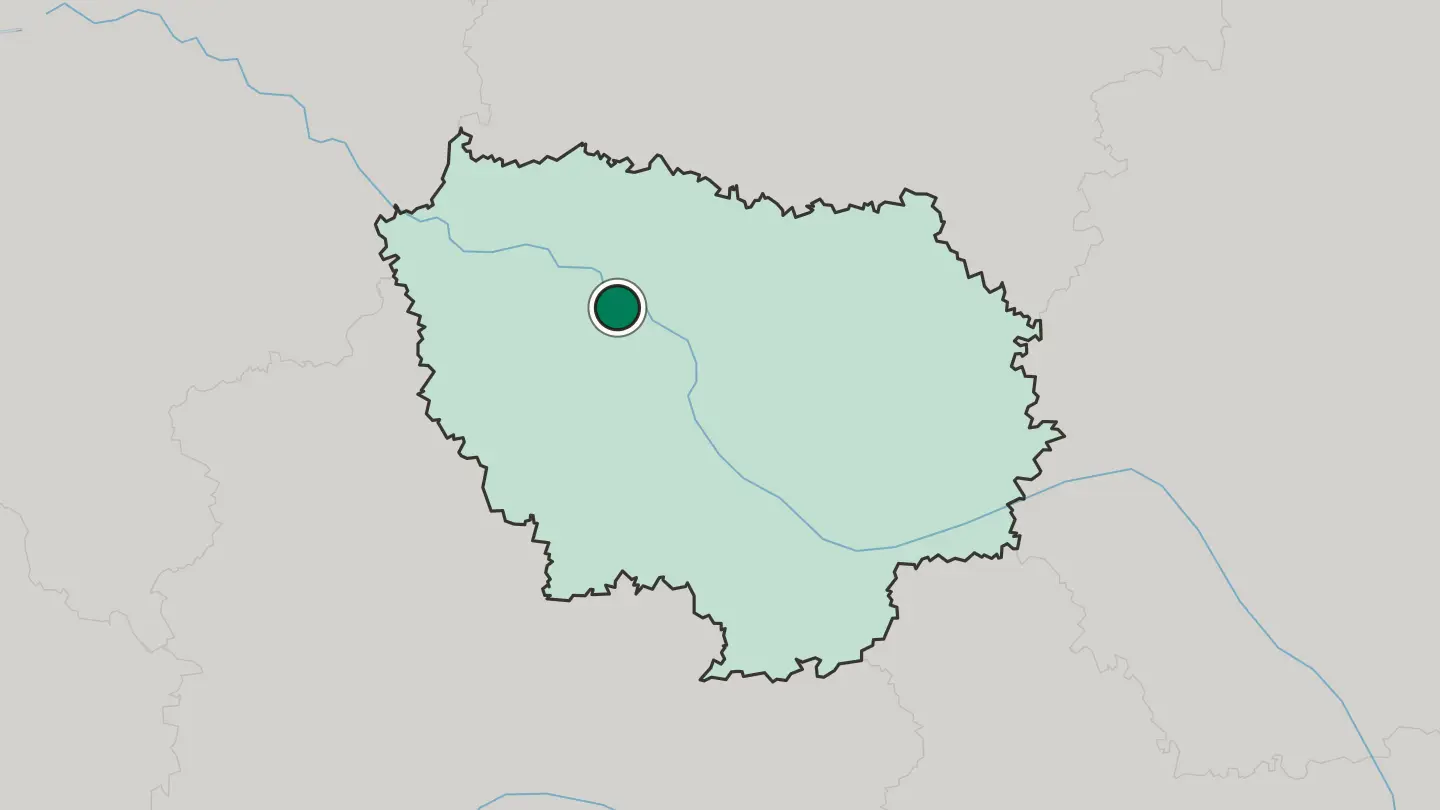
 France
Saint-Maur-des-Fossés
Saint-Maur-des-Fossés is a residential commune of Île-de-France, ringed by Marne-side neighbours and thick with parish churches and playing fields.Where to stay →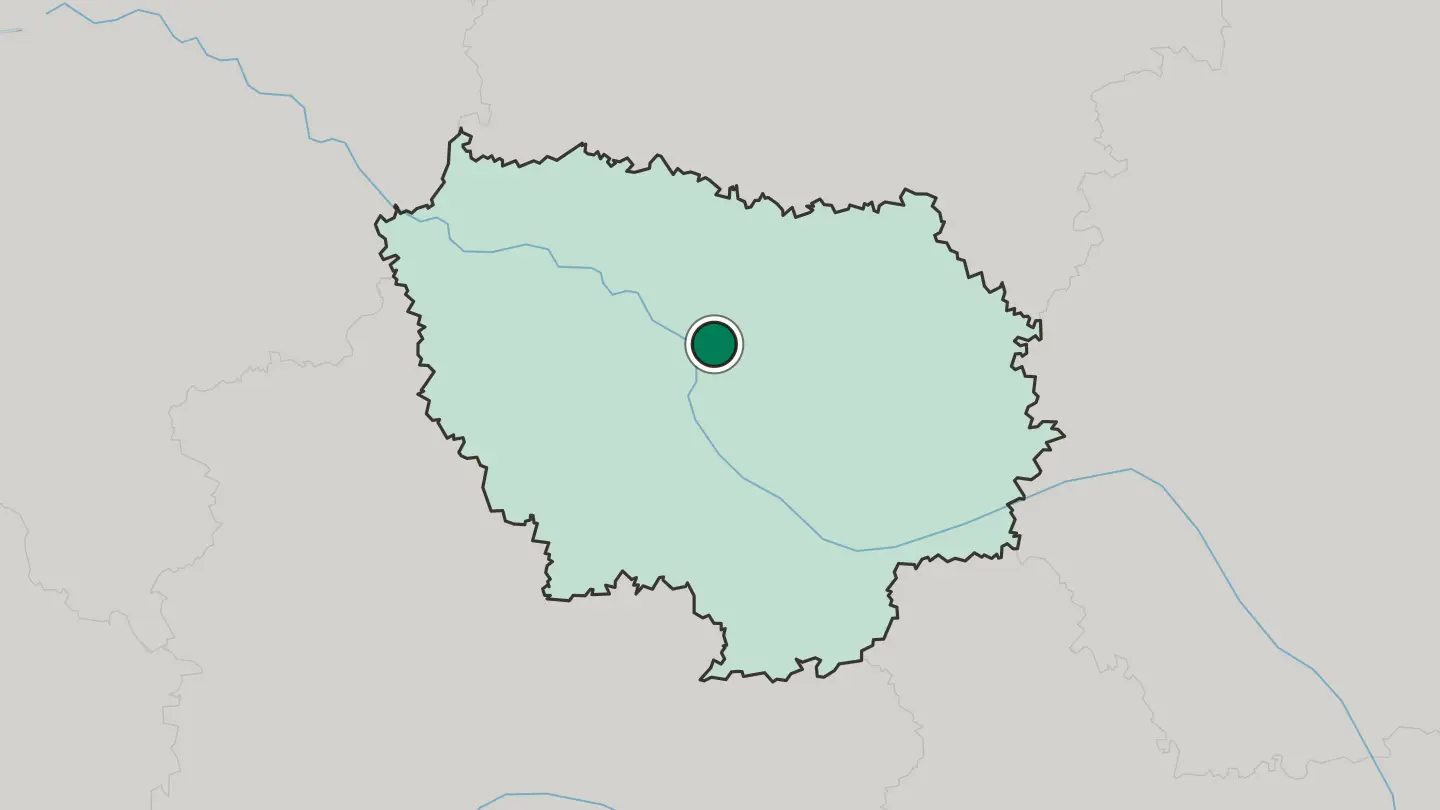
 France
Aubervilliers
Church of Notre-Dame-des-Vertus stands in Aubervilliers, a Seine-Saint-Denis commune in the northeastern suburbs of Paris.Where to stay → France
Drancy
Drancy is a commune of Seine-Saint-Denis in the northeastern suburbs of Paris, and the site of the Mémorial de la Shoah à Drancy.Where to stay →
 France
Noisy-le-Grand
The église Saint-Sulpice-et-Notre-Dame de Noisy-le-Grand marks the parish of this commune in the eastern outer suburbs of Paris.Where to stay → France
Levallois-Perret
Levallois-Perret is a dense right-bank commune of Hauts-de-Seine, founded in 1867, six kilometres from the centre of Paris.Where to stay →
 France
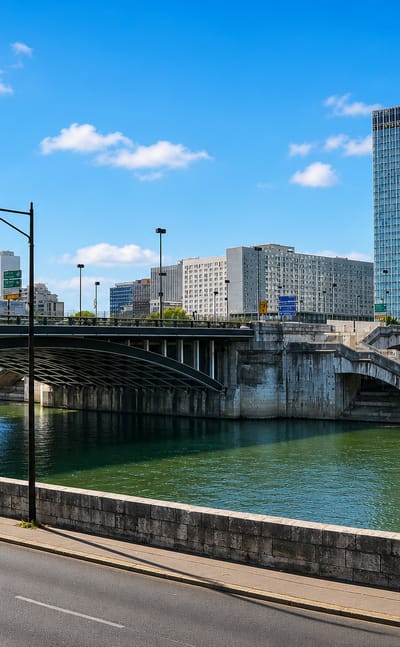
Issy-les-Moulineaux
Issy-les-Moulineaux sits on the left bank of the Seine in the southwestern suburbs of Paris, inside the Métropole du Grand Paris.Where to stay →
 France
Neuilly-sur-Seine
Neuilly-sur-Seine is an affluent western suburb of Paris in Hauts-de-Seine, set between the Bois de Boulogne and the Seine, just outside the Périphérique.Where to stay →
 France
Antony
Antony is a commune in the southern suburbs of Paris, subprefecture of Hauts-de-Seine and seat of its own arrondissement.Where to stay →
 France
Sarcelles
Sarcelles is a Val-d'Oise sub-prefecture in the northern suburbs of Paris, seat of its own arrondissement and neighbour to Écouen.Where to stay →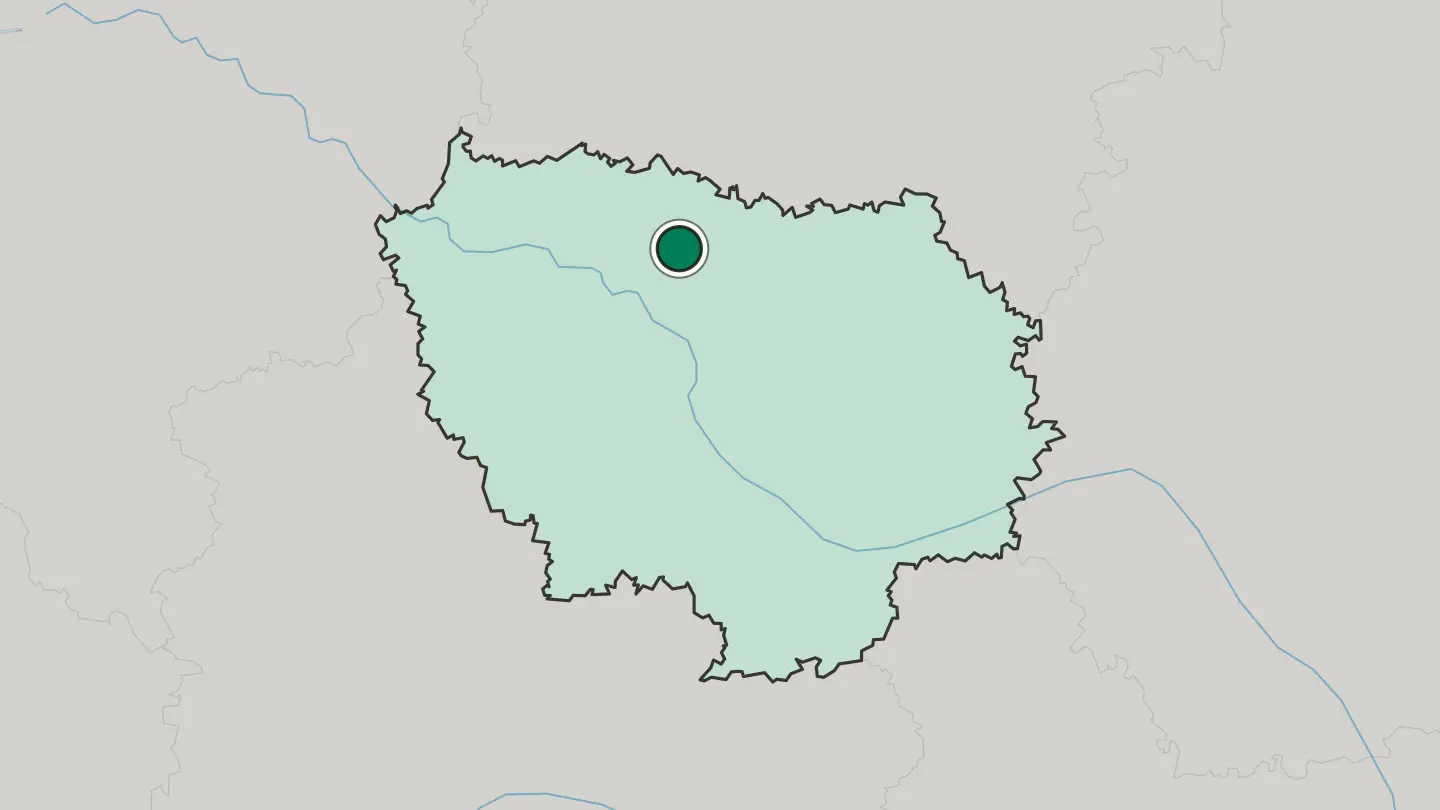 France
Ivry-sur-Seine
Ivry-sur-Seine is a Val-de-Marne commune on the Seine, a little over five kilometres from central Paris and ringed by the capital's museums.Where to stay →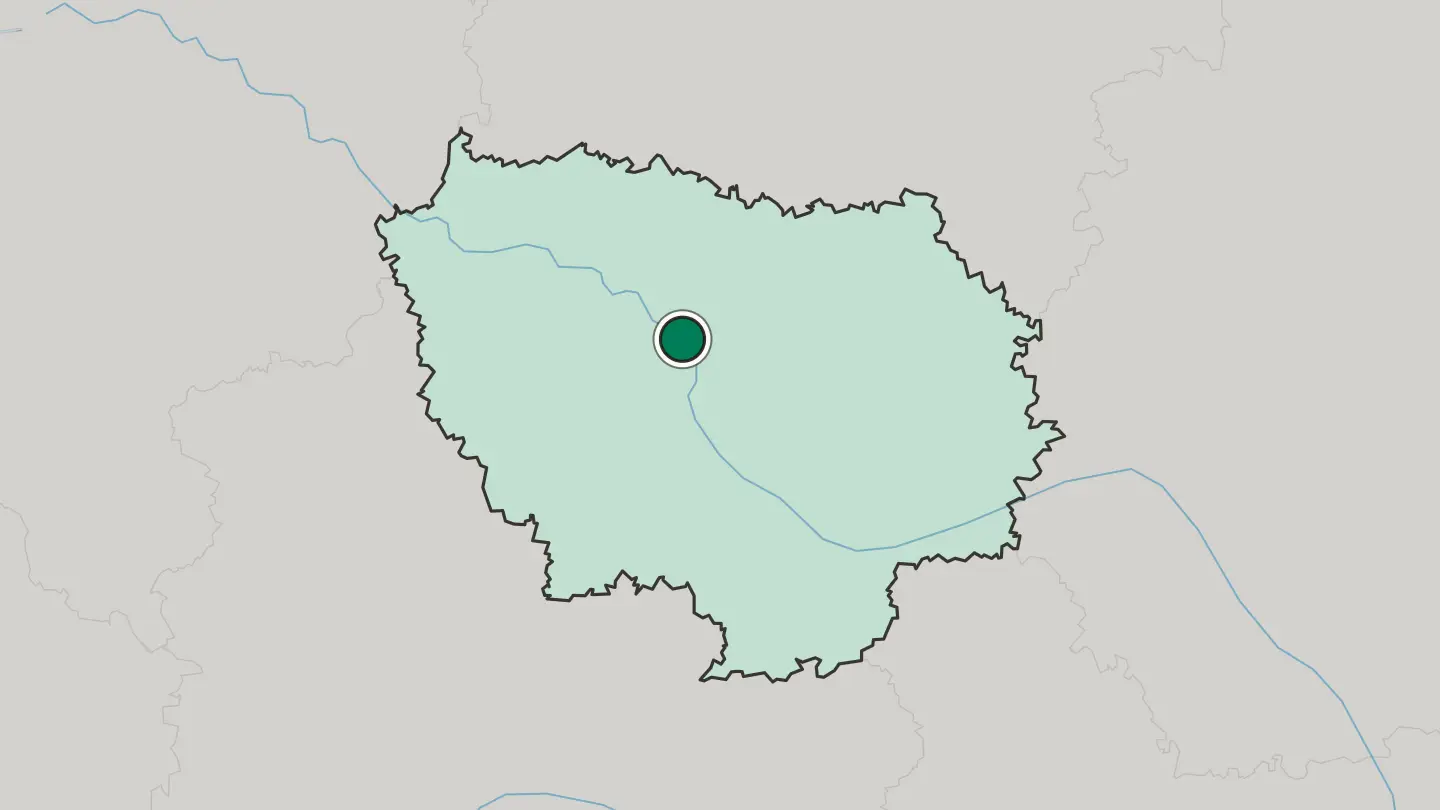 France
Cergy
Cergy is a commune of Val-d'Oise northwest of Paris, the central town of the planned Cergy-Pontoise agglomération, with Port-Cergy on its waterside.Where to stay →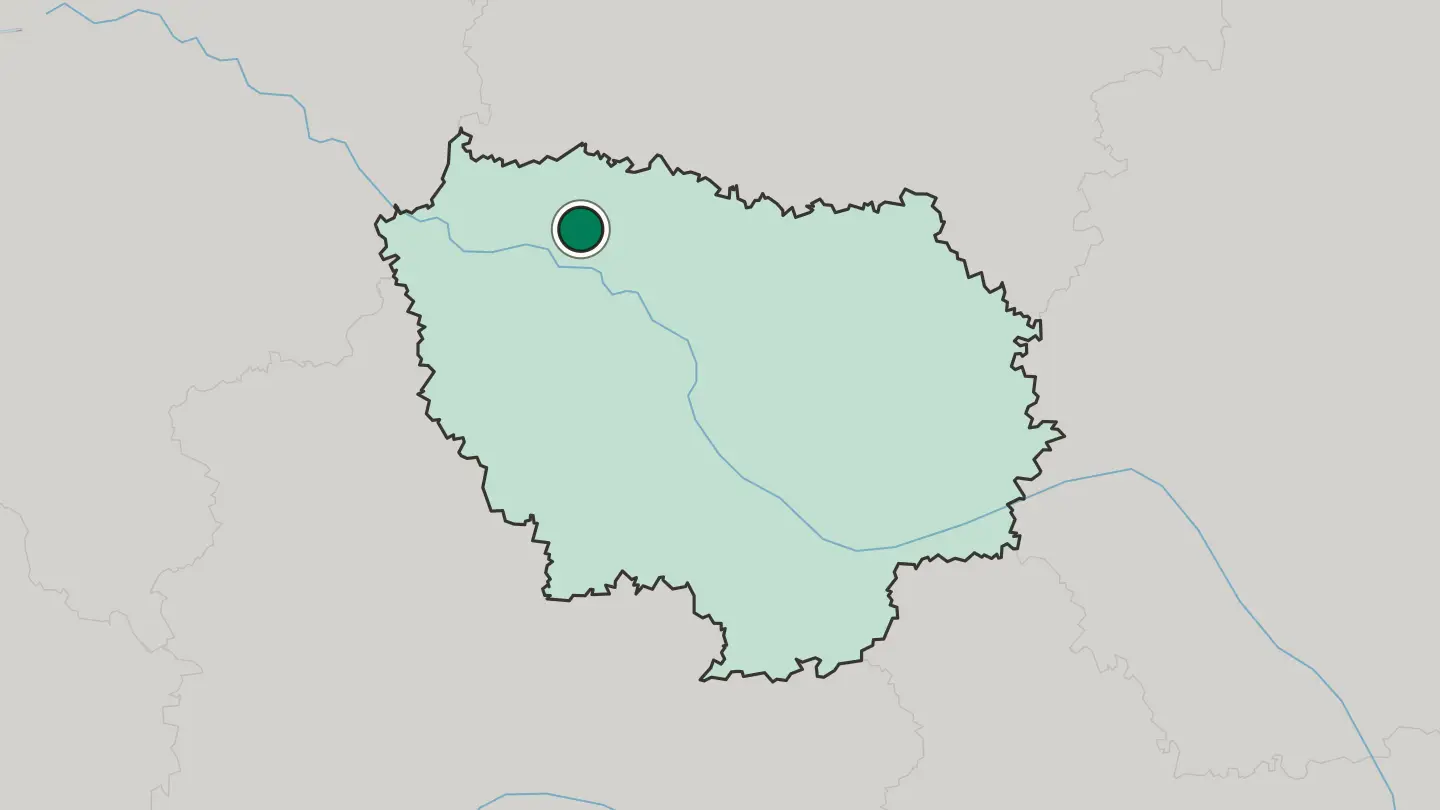 France
Clichy
On the Seine at the northwestern edge of Paris, Clichy is a small, dense commune whose own landmark is the Maison du Peuple.Where to stay →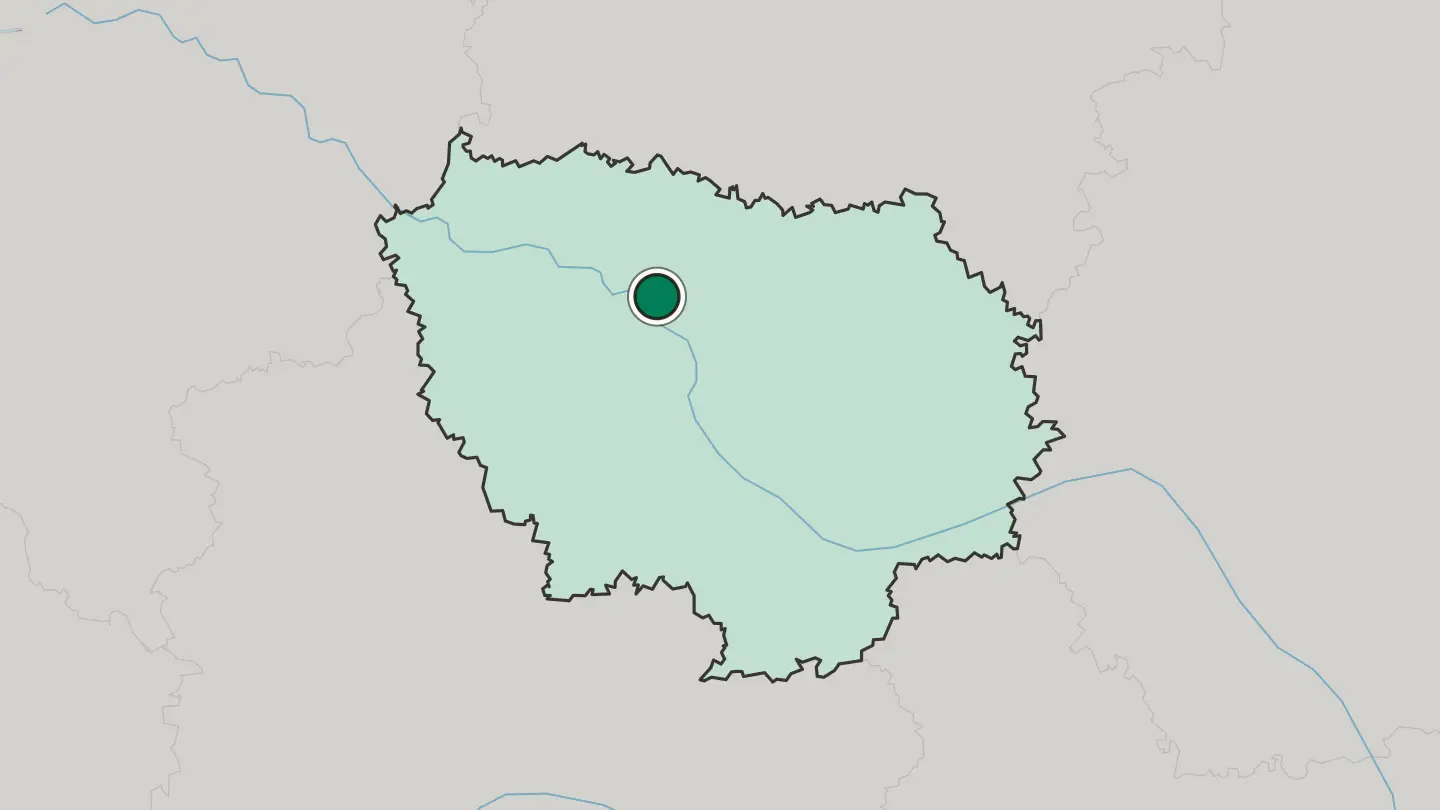 France
Sartrouville
A commune, then a suburb. Sartrouville lies north-west of Paris in the Yvelines, gathered around Église Saint-Martin de Sartrouville.Where to stay → France
Maisons-Alfort
Maisons-Alfort is a commune in the southeastern suburbs of Paris, in Val-de-Marne, holding the Musée Fragonard d'Alfort.Where to stay → France
Meaux
Meaux is a historic town on the Marne east of Paris, an old cathedral city famed for its Brie cheese and its mustard.Where to stay →
 France
Pantin
Pantin is a commune on the northeastern edge of Paris, a plain crossed by the canal de l'Ourcq and the Paris-Strasbourg railway line.Where to stay → France
Fontenay-sous-Bois
Fontenay-sous-Bois is a commune in the eastern suburbs of Paris, named for the wood on its edge, with the Château de Vincennes close by.Where to stay →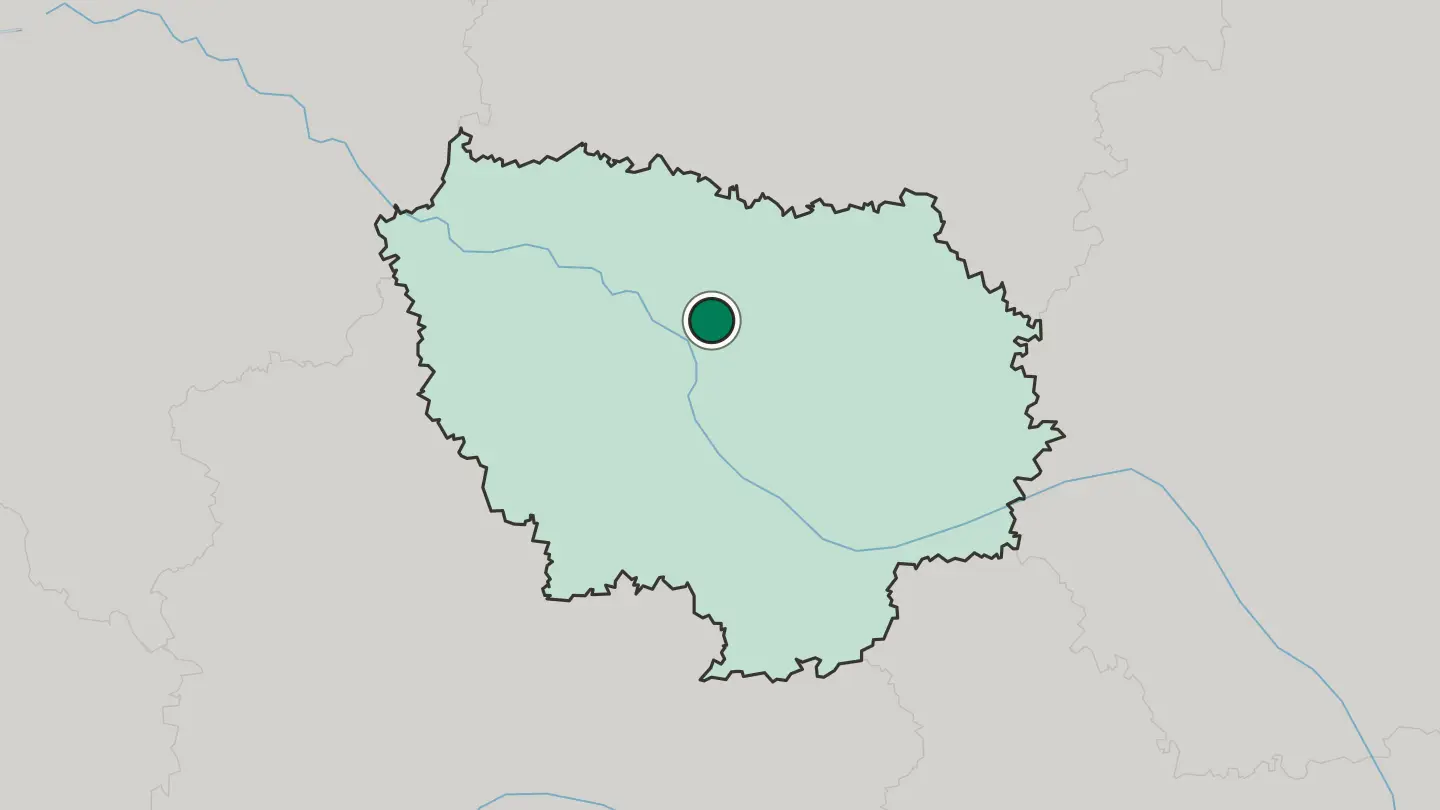
 France
Évry
Évry is the prefecture of the Essonne in the southern suburbs of Paris, merged in 2019 into the commune of Évry-Courcouronnes.Where to stay →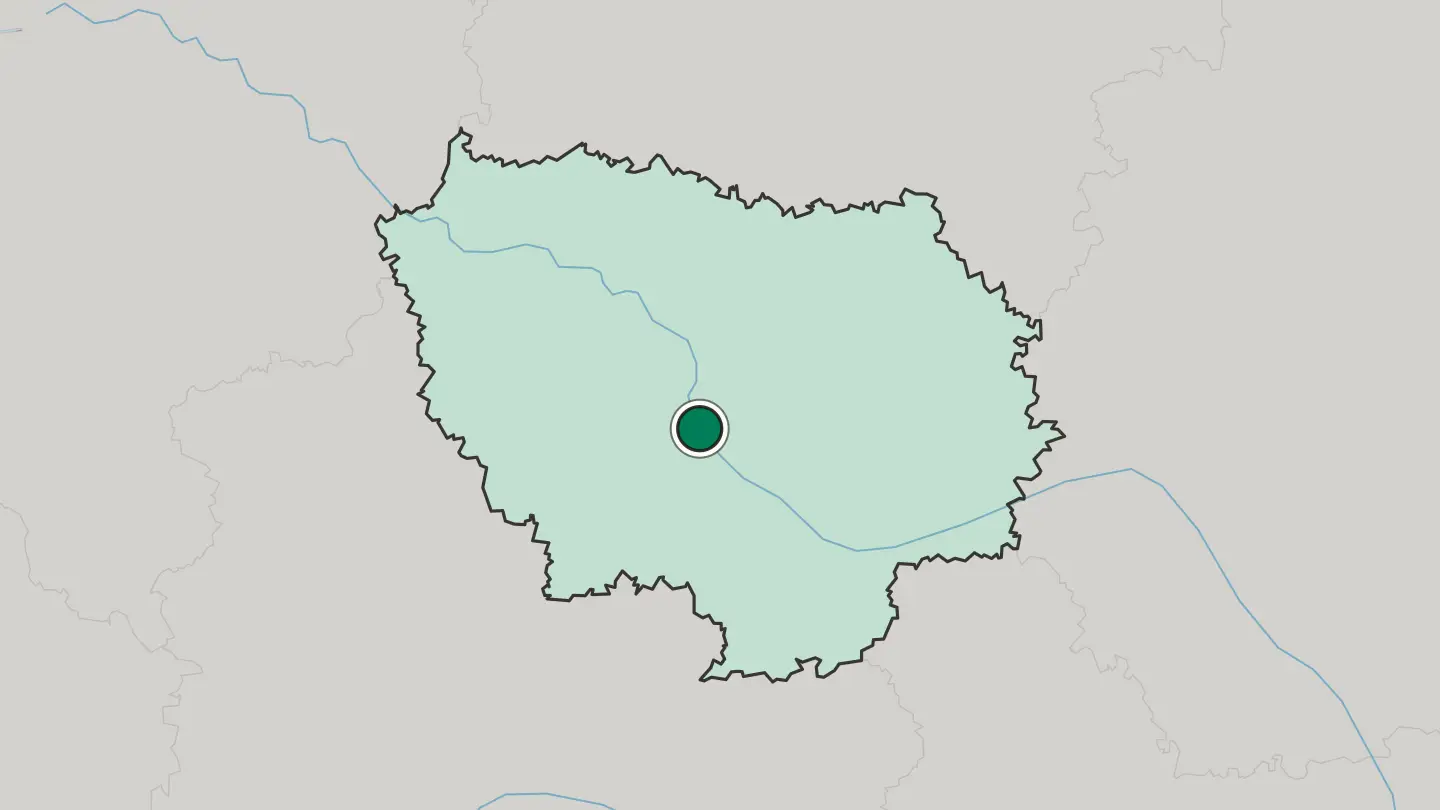 France
Clamart
Hauts-de-Seine holds Clamart in the southwestern suburbs of Paris, a commune edged by the Vallée-aux-Loups and Château de Bellevue.Where to stay →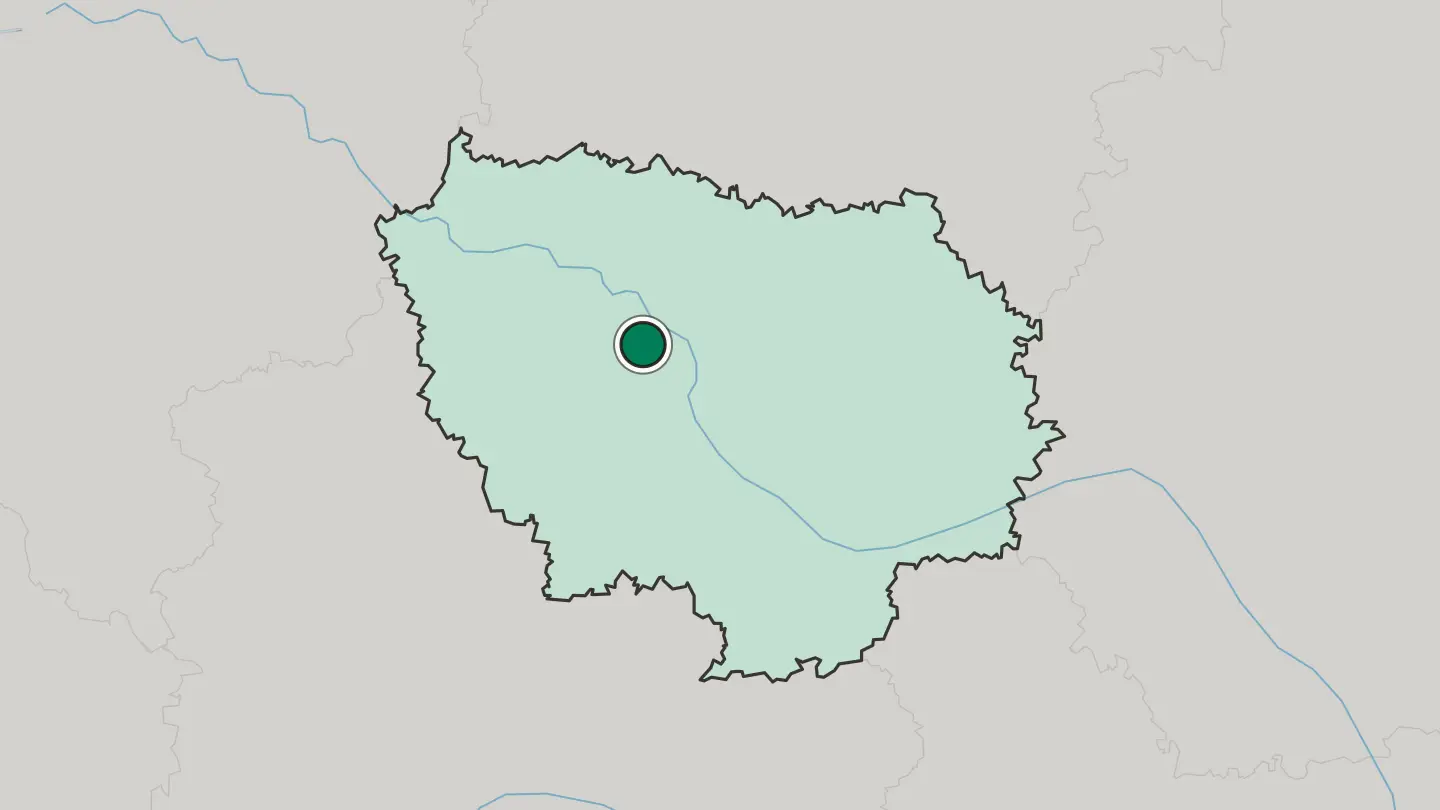
Hotel links are affiliate links: booking through them may earn us a commission, at no extra cost to you. It never affects how places are ranked. How this works
About Île-de-France
What is Île-de-France known for?
Paris defines the region. Île-de-France wraps the capital in eight departments that fan out across the Seine valley and the fields of the Paris Basin. Beyond the city, the royal past is written into the land at the Palace of Versailles and the Château de Fontainebleau, both an easy ride from the centre. The old forests of Fontainebleau and Rambouillet break up the farmland.
Two of Europe's busiest airports sit at its edges.
Where is Île-de-France?
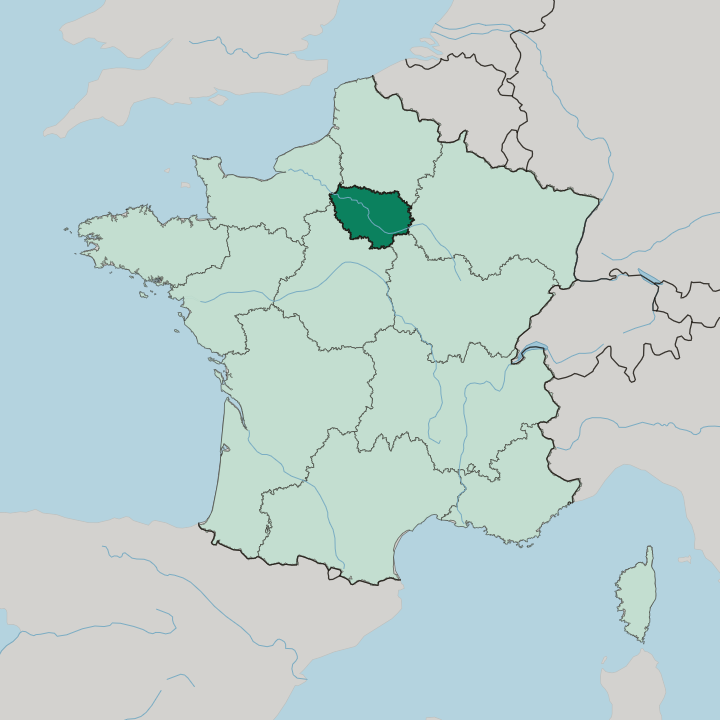
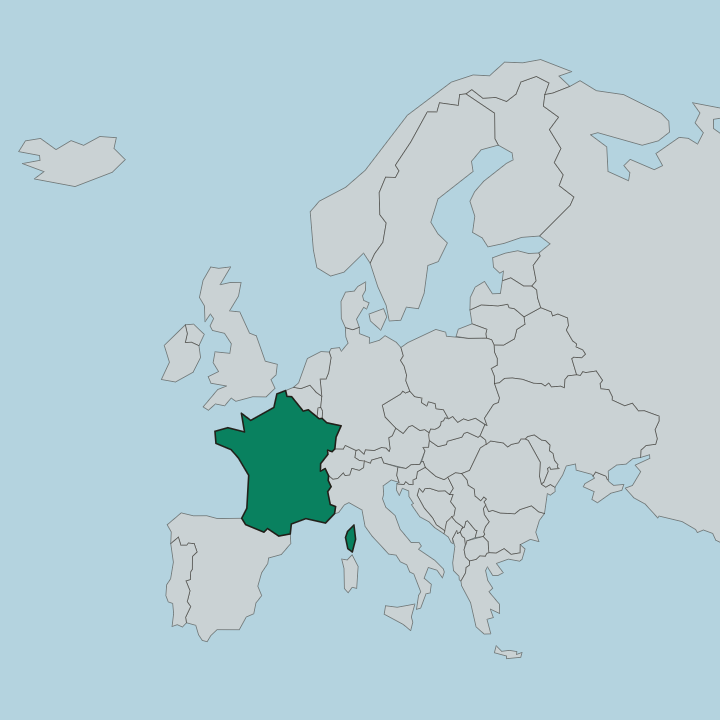
Île-de-France sits in north-central France, at the middle of the wide, shallow depression geographers call the Paris Basin. The Seine is its spine. Crossing the region from the southeast, the river runs through Paris on its way to the sea, and along the way it collects the two tributaries that give the place much of its shape.
From the east, just above the capital, the Marne flows in. The Oise comes down from the north. Older writers said these converging rivers, looping around the land, made it look almost like an island, and that reading is one explanation offered for the name.
Limestone plains roll gently between the watercourses. The soil is fertile, and wheat and sugar beet still grow across the grande couronne, the outer ring of departments beyond the built-up core. Large blocks of woodland survive amid the farms, the Forest of Fontainebleau in the south and the Forest of Rambouillet to the west being the best known.
Eight departments make up the region. Paris is one of them, a single dense department at the centre, ringed first by the close-in petite couronne and then by the larger, greener grande couronne that reaches out toward the edges of the basin.
What is Île-de-France like?
The region carries the weight of the French crown. For centuries the kings ruled from here, and their taste shaped the buildings, gardens and towns that ring the capital. Versailles is the fullest expression of it, a palace built to hold a court and a whole government under one roof.
Fontainebleau tells a longer story. Kings lived in it without a break from the medieval period through to the Second Empire, and that courtly heritage still draws visitors out from Paris on day trips. Art belongs to the picture too.
The village of Barbizon, at the edge of the Forest of Fontainebleau, gave its name to a school of landscape painters who worked among its trees, and their outdoor studies fed into the Impressionism that followed. Food ties the region together. Markets, brasseries and pastry counters carry cooking gathered from every corner of France into the capital and the towns around it.
French is the language everywhere. What sets Île-de-France apart is the density of it all, the way a thousand years of the nation's life is pressed into one small region around a single river.
What is the history of Île-de-France?
The land around Paris was the seedbed of France itself. When Hugh Capet took the throne in 987, the royal domain was little more than this territory, and the Capetian kings spent generations pushing its borders outward from the capital. The name Isle de France is recorded by the late medieval period, describing the crown's own country between the Seine, the Marne and the Oise.
The modern region is far younger. It was created as a district around Paris under Charles de Gaulle, then reconstituted and renamed after the old province in 1976.
What is the climate of Île-de-France?
Île-de-France has a mild oceanic climate, softened by weather rolling in off the Atlantic to the west. Winters are cool and grey, summers warm without the heat of the Mediterranean south. Rain falls fairly evenly through the year rather than in one wet season.
Well inland in the Paris Basin, the region runs a touch colder in winter and warmer in high summer than the coast, and cold snaps can settle over the Seine valley. Skies stay changeable.
How do you get to Île-de-France?
Île-de-France receives most of its visitors on a plane. Two large airports frame the region: Charles de Gaulle to the northeast of Paris and Orly to the south, both linked to the centre by rail. High-speed trains pour into the Paris terminals from across France and beyond, and lines run under the English Channel from London.
Once here, the regional rail network reaches out from the capital to Versailles, Fontainebleau and the towns along the Marne and the Oise. Wheels are barely needed.
Common questions
What is the best area to stay in Île-de-France?
Paris: a first stay on the Seine. Versailles: the palace and its gardens. Fontainebleau: the château and its forest. The Marne and Oise valleys: the countryside beyond the city.
Good for
More regions in France
Updated October 2026