France · Occitanie
Where to Stay in Montauban, Occitanie
Montauban is a pink-brick city on the Tarn in southwest France, an old bastide and the birthplace of the painter Ingres.
Hotel links are affiliate links: booking through them may earn us a commission, at no extra cost to you. It never affects how places are ranked. How this works


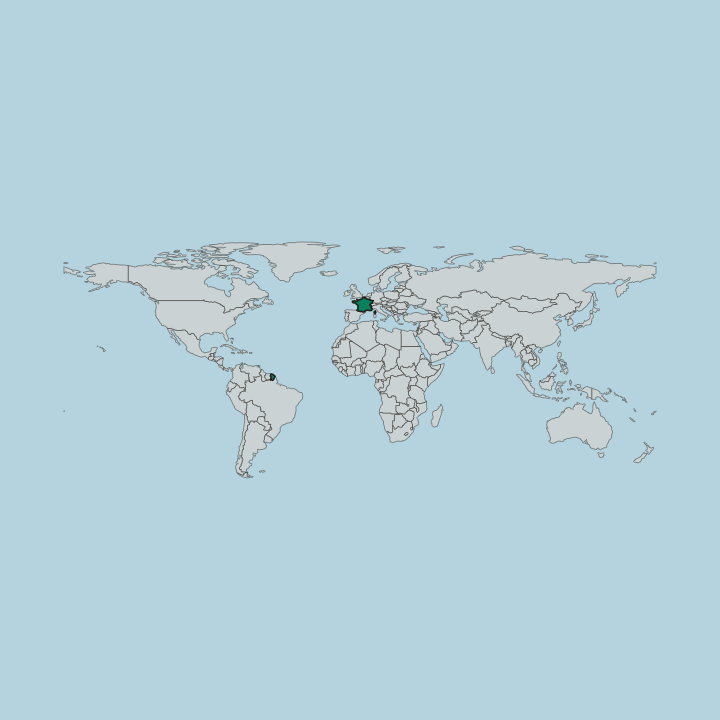
Where to stay in Montauban
Where the beds are, and what that means for the visit.
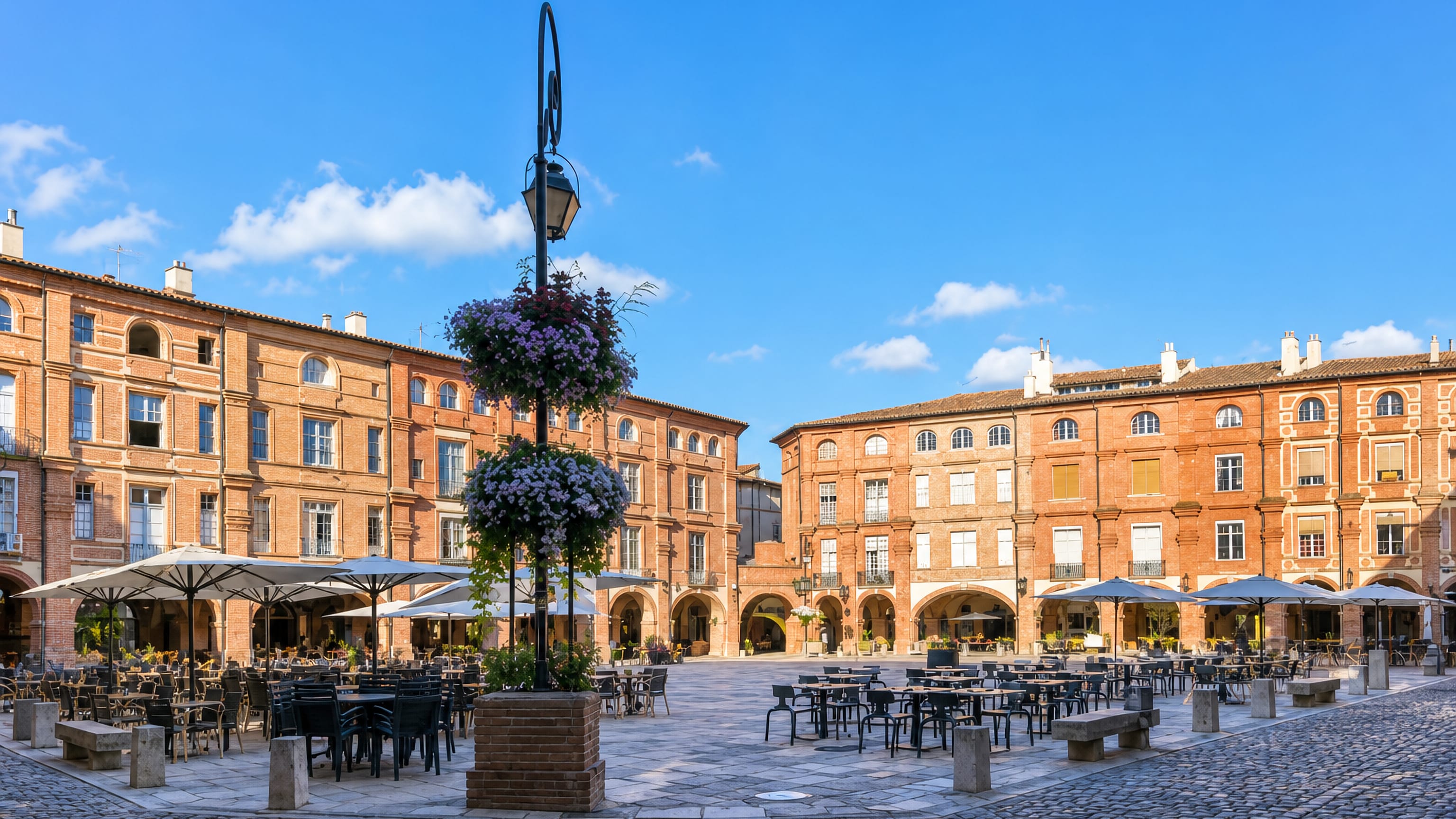
Lodging in Montauban comes down to how close you want to be to the brick old town. The streets around the Place Nationale keep the museum, the church, and the arcades within a walk, and staying downtown suits anyone here for the city. The old square fills at market time.
Rooms sit near the arcades. Out toward the river and the newer town, the city spreads onto the plain. A room away from the centre trades the old brick for space, the parks, and the road out to the orchards.
The wide plain opens past the edge. If you want the square and the museum, stay downtown; if you want space, take a room outside. Either choice keeps the Place Nationale within reach.
Find hotels in Montauban
Direct booking searches for these neighbourhoods.
The old town
Around the Place Nationale within a walk of the sightsFind hotels in The old townStays wanting space in the Quercy orchardsThe newer town
Toward the river and the plain at the edge of townFind hotels in The newer townHotel links are affiliate links: booking through them may earn us a commission, at no extra cost to you. It never affects how places are ranked. How this works
Things to do in Montauban
Ranked by global recognition; descriptions from Wikidata (CC0).
Museums & Galleries
2- Musée Ingres Bourdelle
- Muséum Victor-Brun
Churches & Religious Sites
3- Église Saint-Jacques de Montauban Heritage
- église Saint-Orens de Montauban
- Église Saint-Étienne de Sapiac
Stadiums & Sports
3- Stade Sapiac
- Fobio Stadium
- hippodrome des Allègres
Landmarks & Notable Places
2- hôtel Balbi Heritage
- hôtel Caumont de La Force
worth knowingacross 4 categories in Montauban
About Montauban
Montauban is the pink city of the Tarn.
What is Montauban known for?
Built of rose-red brick on the river in the southwest, it is one of the oldest bastide towns of the land, and it keeps a fine arcaded square, an old brick bridge over the Tarn, and the museum of its great son, the painter Ingres, in the bishop's palace. The red brick glows in the sun. Brick and art mark the city.
What are the main landmarks in Montauban?
The Place Nationale is the heart of Montauban. The great square of rose-red brick, ringed by double arcades, has held the markets since the bastide was young, the emblem of the city, in the old town. An old bridge spans the Tarn.
The brick Pont Vieux carries the road across the river, while the Ingres museum in the old palace, the churches, and the arcaded streets mark the centre of Montauban.
What is the history of Montauban?
Montauban was founded as a new town of the south. In 1144 the count of Toulouse laid out a bastide on the bluff above the Tarn, a planned town with a great arcaded square at its heart, and it grew rich on trade and the fruit of the plain. Faith made it a fortress town.
In the wars of religion Montauban became a stronghold of the Protestants, and it held out through a great siege in 1621 before the king brought it to heel. Brick gave the city its colour and its bridge. The builders raised the town in the rose-red brick of the region, and a long brick bridge was thrown across the Tarn that still carries the road.
Then the city bred great artists. Montauban was the birthplace of the painter Ingres and the sculptor Bourdelle, and it keeps their work in the old bishop's palace by the river. The old square still arcades the centre.
Montauban keeps its brick and its art on the Tarn.
Where is Montauban?
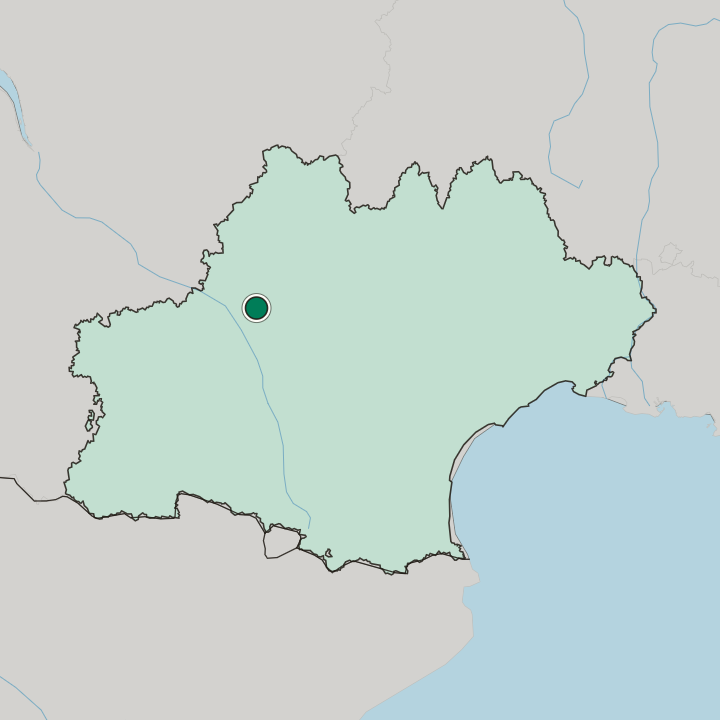
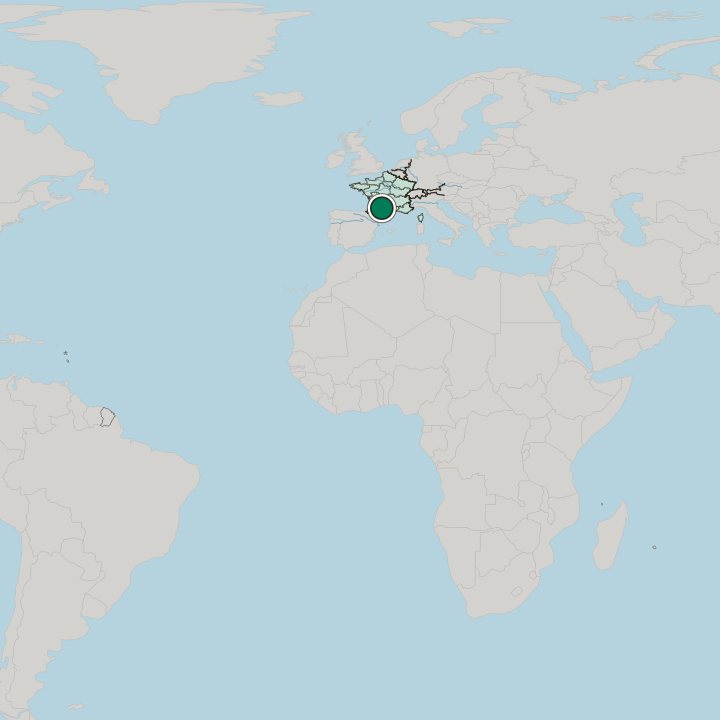
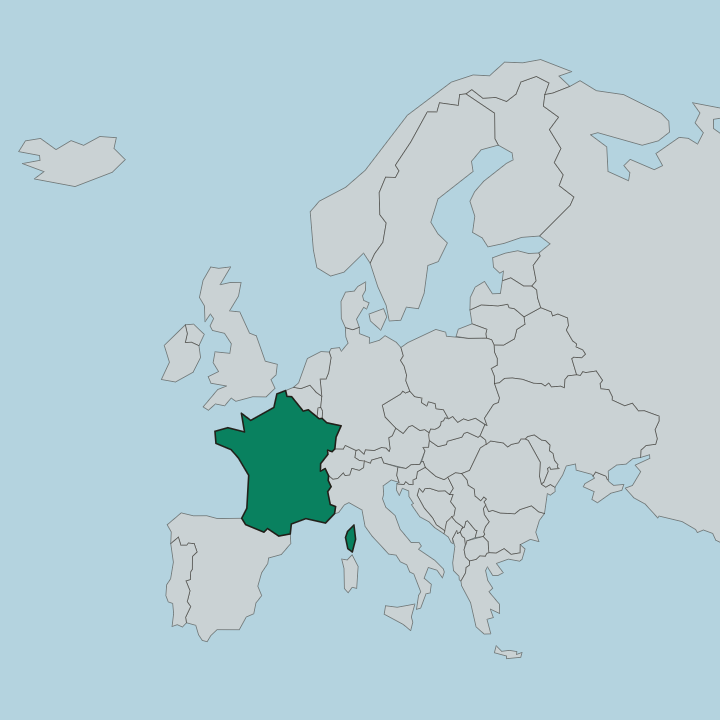
Montauban lies on the Tarn in the southwest of France, north of Toulouse. The city sits on a low bluff above the river, in the fertile fruit plains between the Quercy hills and the Garonne, among orchards and gardens. Low hills roll around.
The river runs down to the Garonne.
What is the climate of Montauban?
Montauban has a mild southern climate. Hot, dry summers bake the plain, and mild winters bring some rain and rare frost, with warm springs and long golden autumns over the orchards. Heat hangs over the valley in summer.
The fields stay green well into the autumn.
How do you get to Montauban?
Montauban lies in the southwest of France, north of Toulouse. Trains and the motorway run to it from Toulouse and Bordeaux across the plain, and roads reach the hills of the Quercy and the Tarn gorges. Buses reach the market towns around.
Most arrive by train from Toulouse.
Common questions
What is the best area to stay in Montauban?
The old town: Visitors here for the square, museum, and arcades. The newer town: Stays wanting space in the Quercy orchards.
Good for
More cities in Occitanie
Updated September 2026