France · Occitanie
Where to Stay in Montpellier, Occitanie
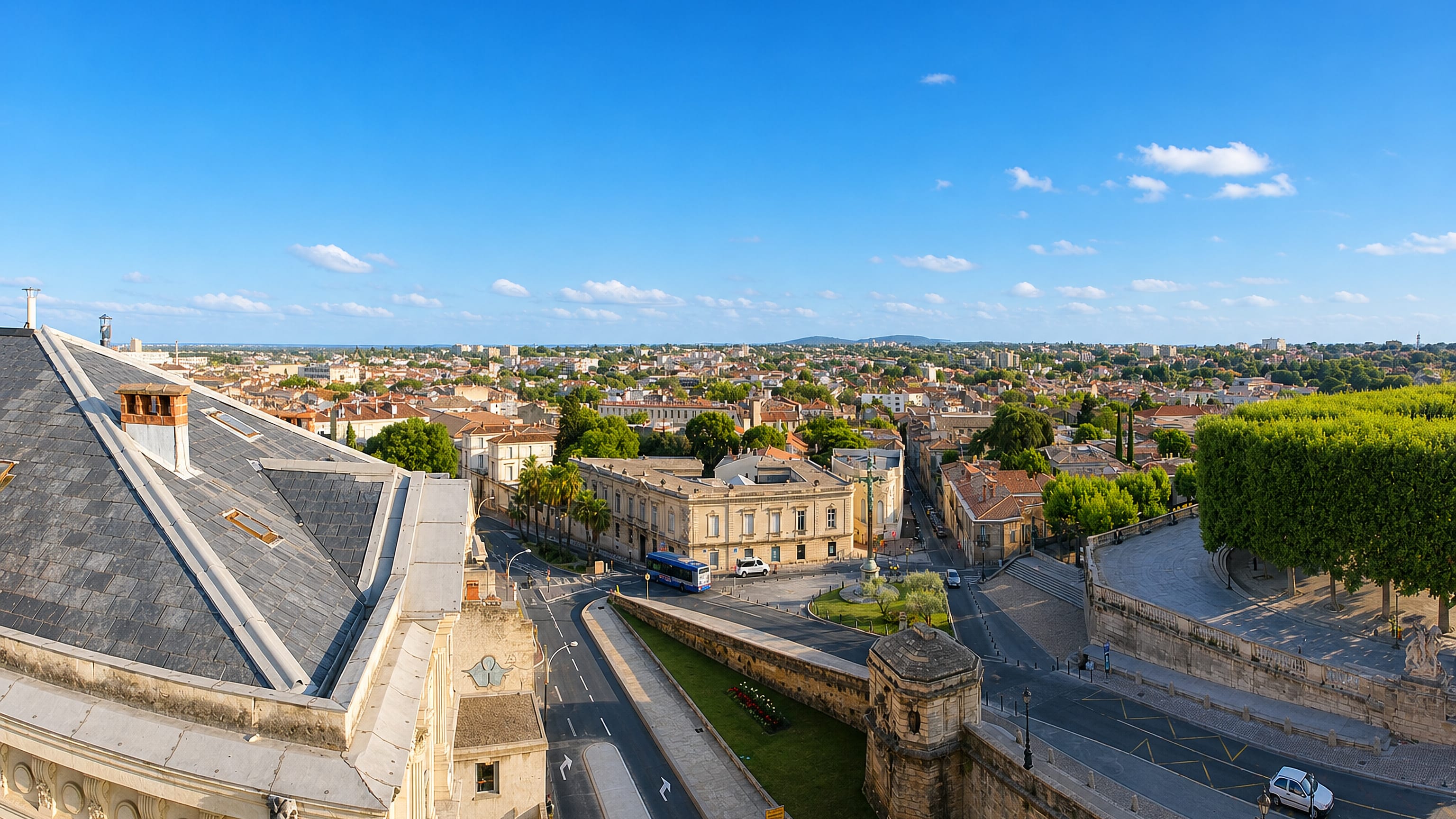
Students fill the lanes of Montpellier, prefecture of Hérault in Occitanie near the Mediterranean, known for its medical school and the Musée Fabre.
Hotel links are affiliate links: booking through them may earn us a commission, at no extra cost to you. It never affects how places are ranked. How this works


Where to stay in Montpellier
One neighbourhood here has its own guide — here's what it is best for.

 MontpellierFrance
La Mosson
La Mosson is a district of Montpellier built around the Château de la Mosson and a dense run of sports grounds.Where to stay →Hotel links are affiliate links: booking through them may earn us a commission, at no extra cost to you. It never affects how places are ranked. How this works
Find hotels in Montpellier
Direct booking searches for these neighbourhoods.
Écusson old town
The basilica Our Lady of the tables and the Musée Fabre sit within the old core within a short walk.Find hotels in Écusson old townModern squares near the tramAntigone
The broad Antigone district lays out open squares toward the river with easy tram links.Find hotels in AntigoneDense old-town streets near the stationSaint-Roch quarter
The blocks by the church Saint-Roch of Montpellier keep the old lanes and platform close.Find hotels in Saint-Roch quarterHotel links are affiliate links: booking through them may earn us a commission, at no extra cost to you. It never affects how places are ranked. How this works
Things to do in Montpellier
Ranked by global recognition; descriptions from Wikidata (CC0).
Museums & Galleries
3- Popular Pavilion Heritage
- Musée Fabre
- Languedoc Museum
Churches & Religious Sites
7- basilica Our Lady of the tables Heritage
- church Saint-Roch of Montpellier Heritage
- temple of Maguelone Street Heritage
- chapel Sainte-Foy of Montpellier Heritage
- church Sainte-Eulalie of Montpellier Heritage
Show 2 more →
- church of St. Francis of the Red Stone Heritage
- Église Saint-Jean-Baptiste de Castelnau-le-Lez Heritage
Castles & Historic Sites
5- Château d'O Heritage
- Château de la Piscine Heritage
- Château de la Mosson Heritage
- Château Levat Heritage
- Château de Verchant Heritage
Stadiums & Sports
3- Stade Yves-du-Manoir
- Antigone Olympic Pool
- Stade Sabathé
Parks & Gardens
1- Parc zoologique de Montpellier
Landmarks & Notable Places
2- Tour de la Babotte Heritage
- Tour des Pins (Montpellier) Heritage
worth knowingacross 6 categories in Montpellier
About Montpellier
What is Montpellier known for?
Montpellier is known for the University of Montpellier, whose medical school is the oldest in Europe and fills the city with students. The winding lanes of the old centre wrap around the basilica Our Lady of the tables. Youth marks the streets.
The Musée Fabre holds a major fine-art collection, the Languedoc Museum keeps the regional past, and the Tour de la Babotte survives from the medieval walls of the Hérault town.
What are the main landmarks in Montpellier?
Montpellier gathers its landmarks in the old winding centre. The Musée Fabre holds the fine-art collection, and the basilica Our Lady of the tables anchors the medieval heart. Towers still stand.
The Tour de la Babotte and the Tour des Pins survive from the old fortifications, while the church Saint-Roch of Montpellier, the church Sainte-Eulalie of Montpellier and the Languedoc Museum spread the city's heritage across the Hérault town.
What is the history of Montpellier?
Montpellier grew in the Middle Ages as a market and university town in the Languedoc, without the Roman roots of its neighbours. The University of Montpellier rose here, and its medical school became the oldest in Europe, drawing scholars from across the continent. Learning built the city.
The winding lanes of the old centre took shape around the trade routes and the basilica Our Lady of the tables, and towers such as the Tour de la Babotte and the Tour des Pins mark the medieval walls that once ringed the town. As prefecture of the Hérault and a chief city of the Languedoc, Montpellier held both academic and administrative weight through the centuries. The Musée Fabre and the Languedoc Museum gather the art and antiquities of that long history, while churches such as the church Saint-Roch of Montpellier and the church Sainte-Eulalie of Montpellier carry the older faith of the medieval town.
The city kept its student character across each age, and its old winding streets near the Mediterranean still hold the mix of scholarship and trade that first made Montpellier.
Where is Montpellier?
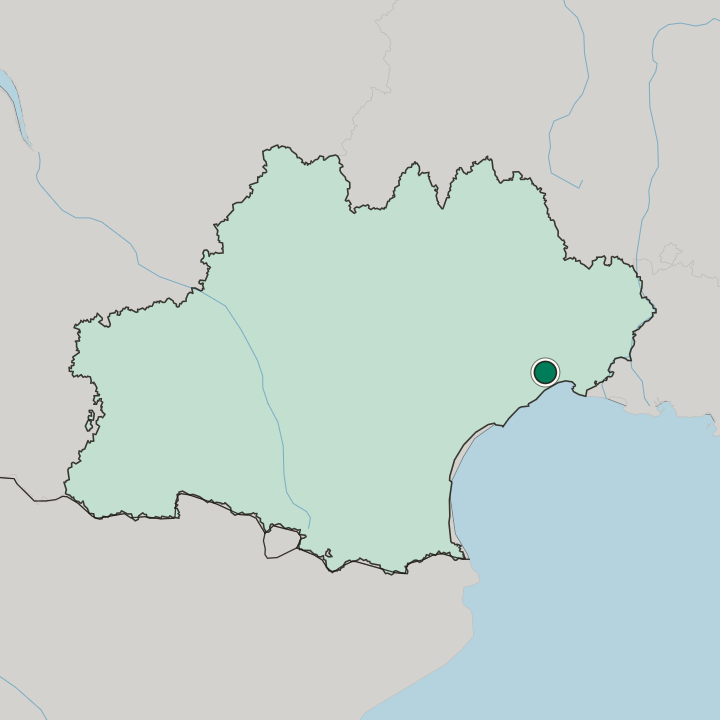
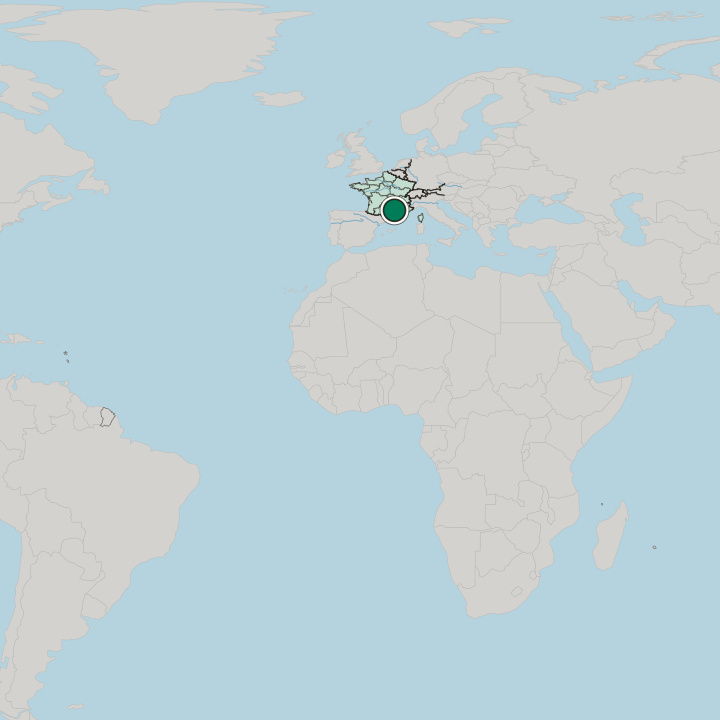
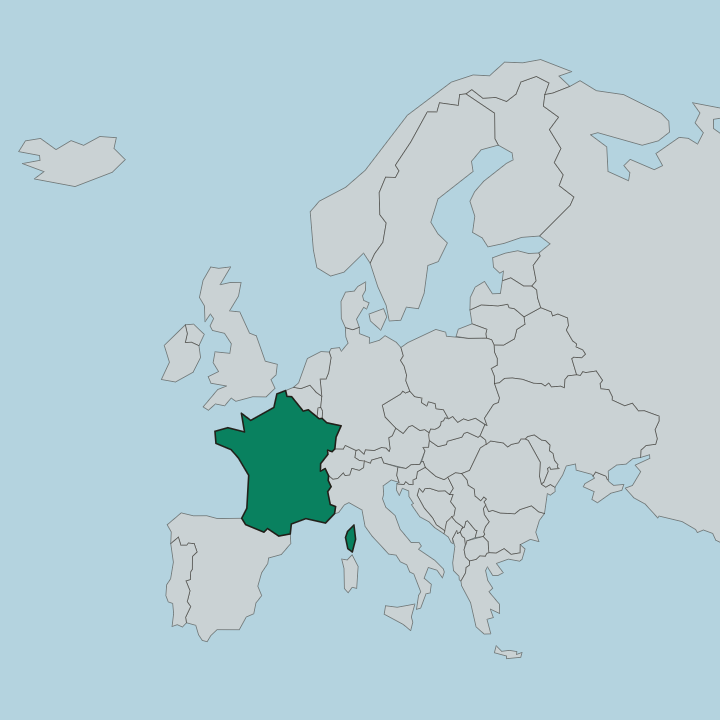
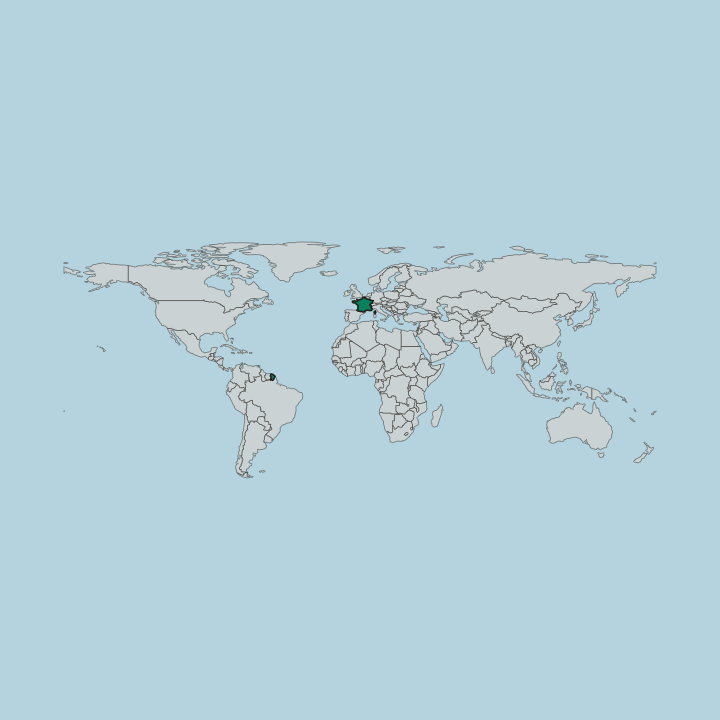
Montpellier lies in southern France near the Mediterranean, in the Hérault department of the Occitanie region. The city stands a short way inland from the coast, on gently rising ground above the coastal plain. Dry hills back the town.
The garrigue scrubland of the Hérault spreads north of Montpellier, and the flat vineyard country runs south toward the Mediterranean shore.
What is the climate of Montpellier?
Montpellier has a Mediterranean climate of hot dry summers and mild wet winters. The sun holds through long summers near the coast, while the cooler months bring the heaviest rain to the Hérault. Frost stays rare here.
Sea air off the Mediterranean tempers the heat of the coastal plain around Montpellier, and the dry summers ripen the vineyards that spread across the Occitanie countryside.
How do you get to Montpellier?
Montpellier sits on the Mediterranean rail corridor of southern France. High-speed trains link the city along the coast toward Marseille and inland toward Paris, and an airport serves the wider Hérault. Trams knit the city together.
From the central station the old town and the Musée Fabre lie within a short walk, and the tram network reaches the modern districts and the edge of the Occitanie coast.
Common questions
What is the best area to stay in Montpellier?
Écusson old town: Winding medieval lanes and galleries. Antigone: Modern squares near the tram. Saint-Roch quarter: Dense old-town streets near the station.
Good for
More cities in Occitanie
Updated October 2026