France
Occitanie, France — Towns & Travel Guide
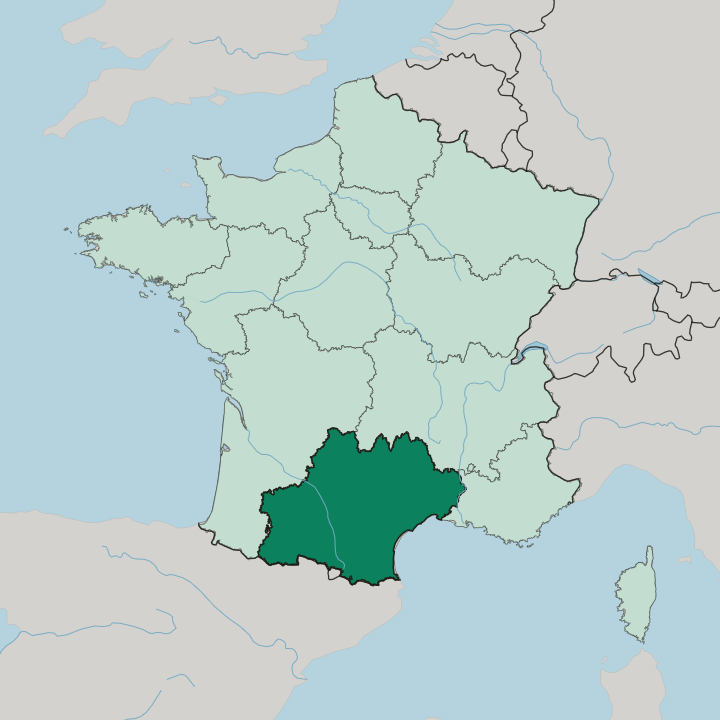
Occitanie fills the far south of France, running from the Pyrenees to the Mediterranean around Toulouse and Montpellier.
Hotel links are affiliate links: booking through them may earn us a commission, at no extra cost to you. It never affects how places are ranked. How this works


Towns & cities in Occitanie
Pick a town or city — each links to where to stay.
 France
Toulouse
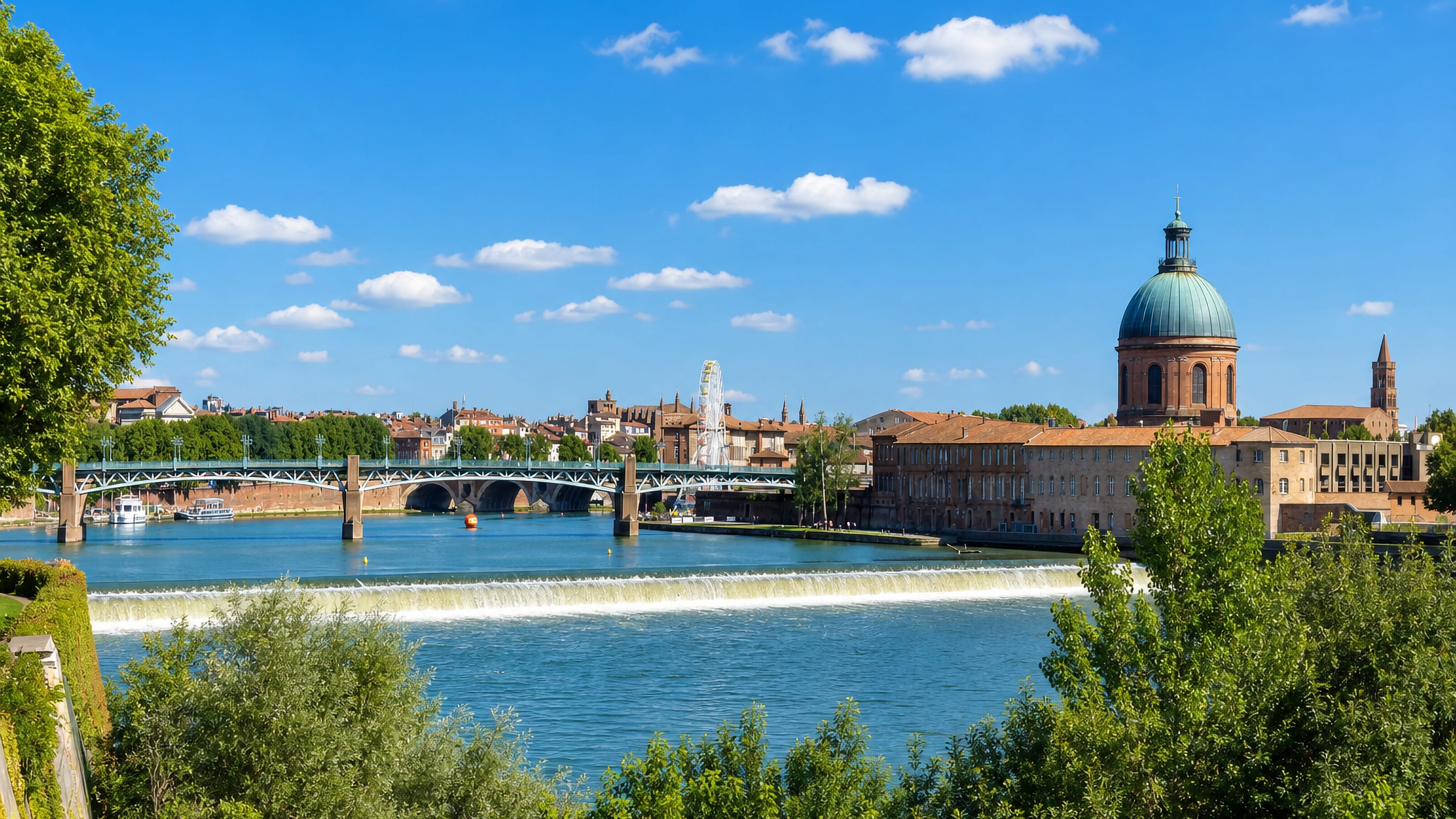
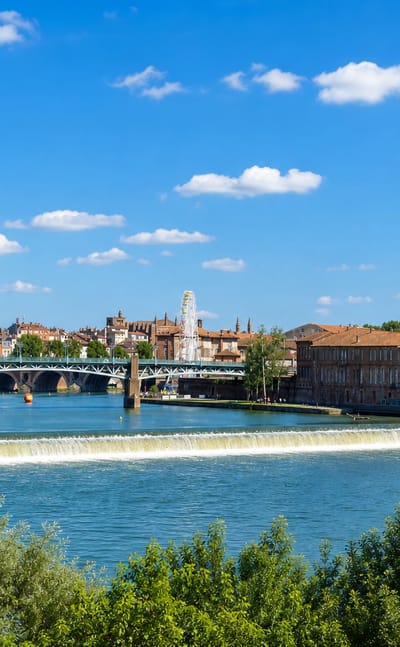
Pink brick lines the quays of Toulouse, a city on the River Garonne in Occitanie, southern France, known for the Basilica of St. Sernin and its violets.Where to stay →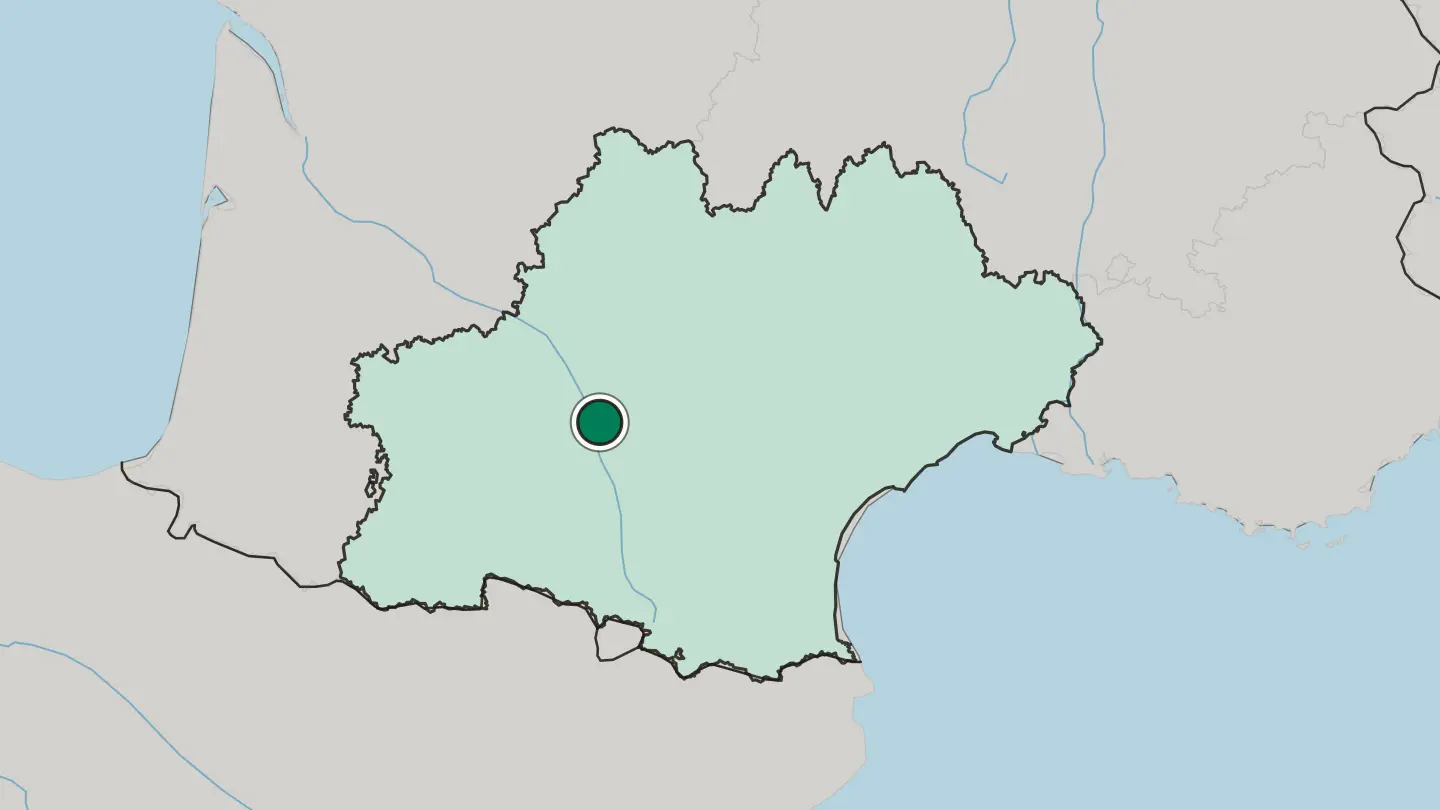
 France
Montpellier
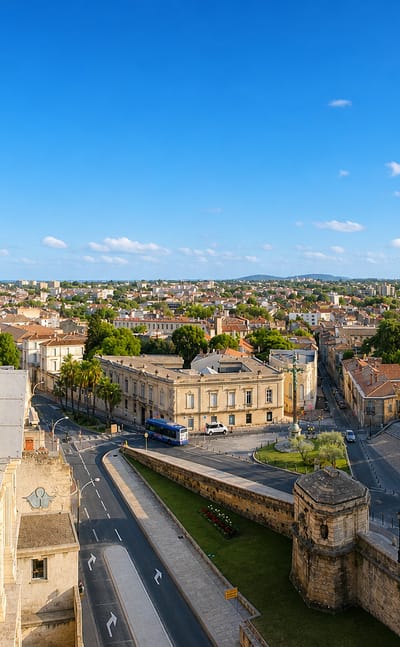
Students fill the lanes of Montpellier, prefecture of Hérault in Occitanie near the Mediterranean, known for its medical school and the Musée Fabre.Where to stay →
 France
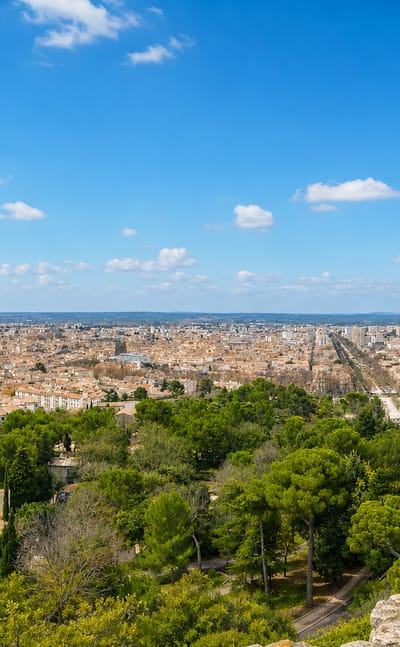
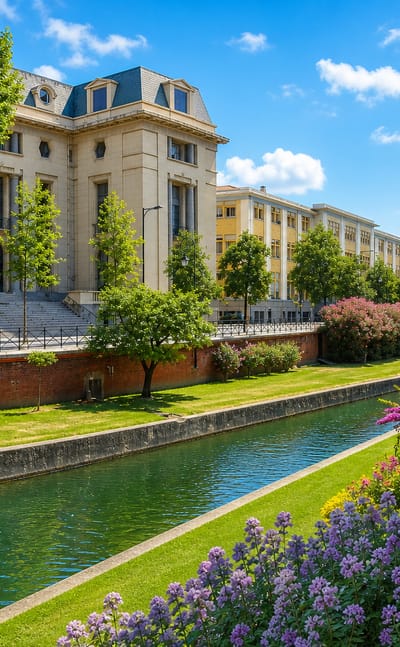
Nîmes
Roman stone anchors Nîmes, a city in Occitanie in southern France, known for the Maison Carrée and its great amphitheatre.Where to stay →
 France
Perpignan
Catalan Perpignan holds the plain of Roussillon in Occitanie, southern France, known for the Palace of the Kings of Majorca.Where to stay →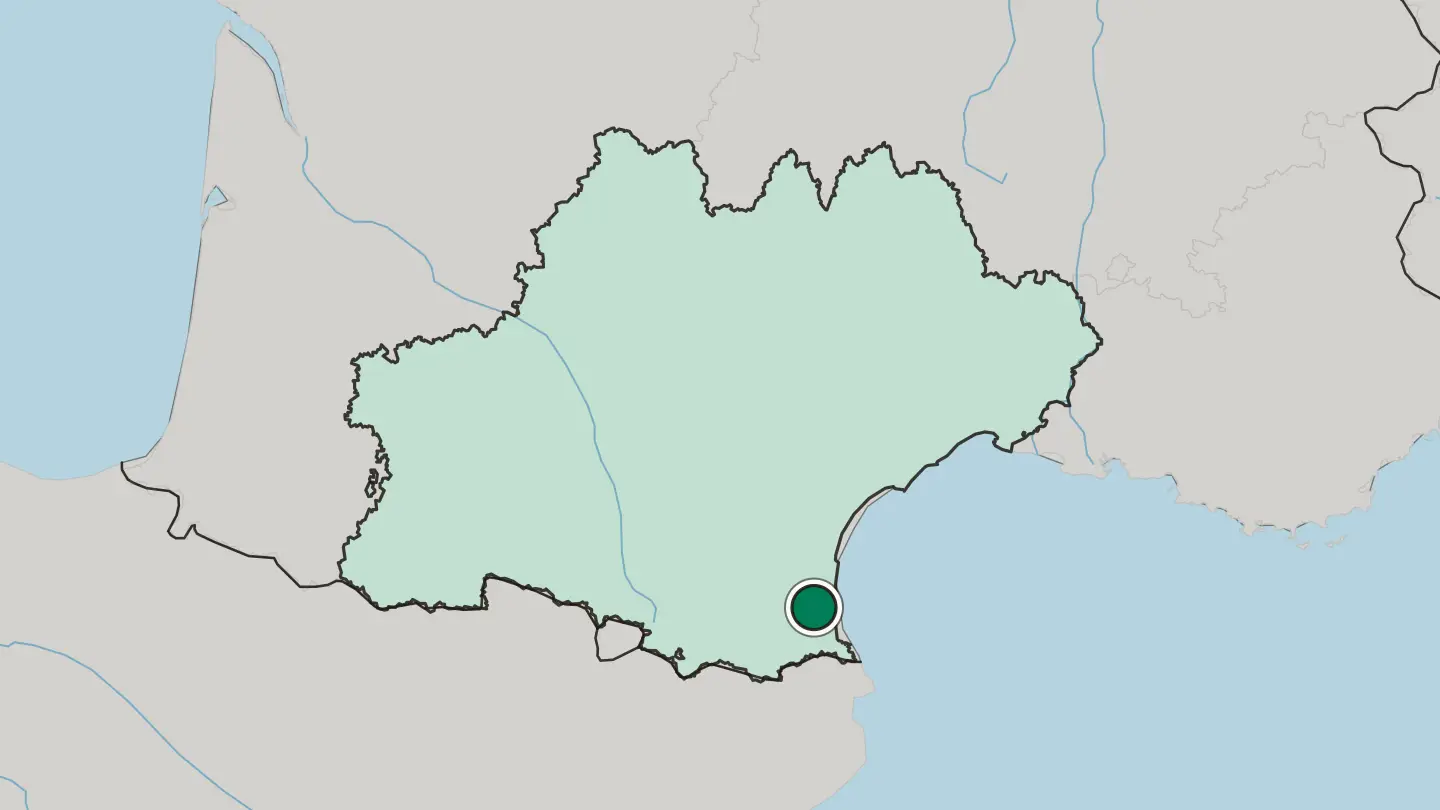
 France
Béziers
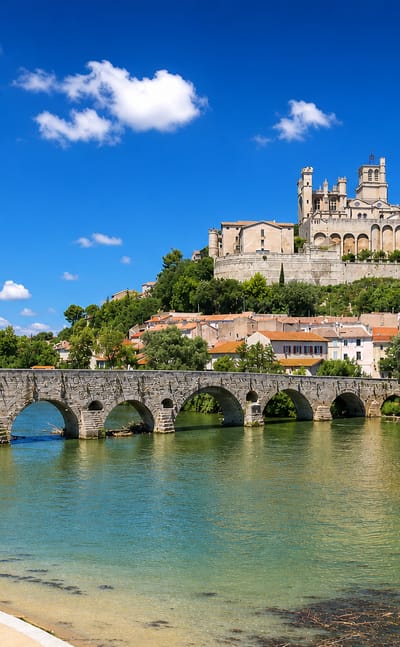
The cathedral crowns the skyline of Béziers, a city of Occitanie, known for Béziers Cathedral and the old churches of the Biterrois.Where to stay →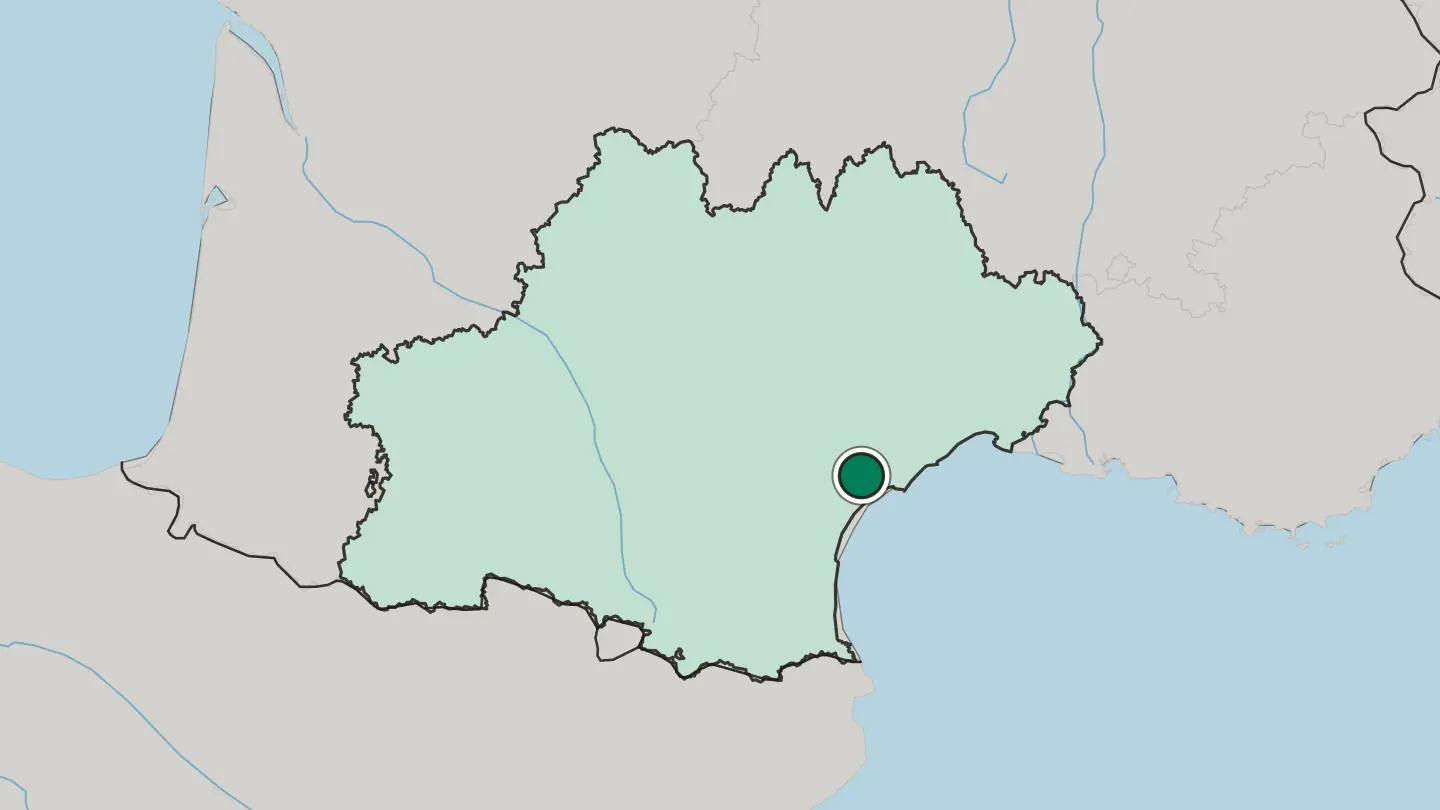
 France
Montauban
Montauban is a pink-brick city on the Tarn in southwest France, an old bastide and the birthplace of the painter Ingres.Where to stay →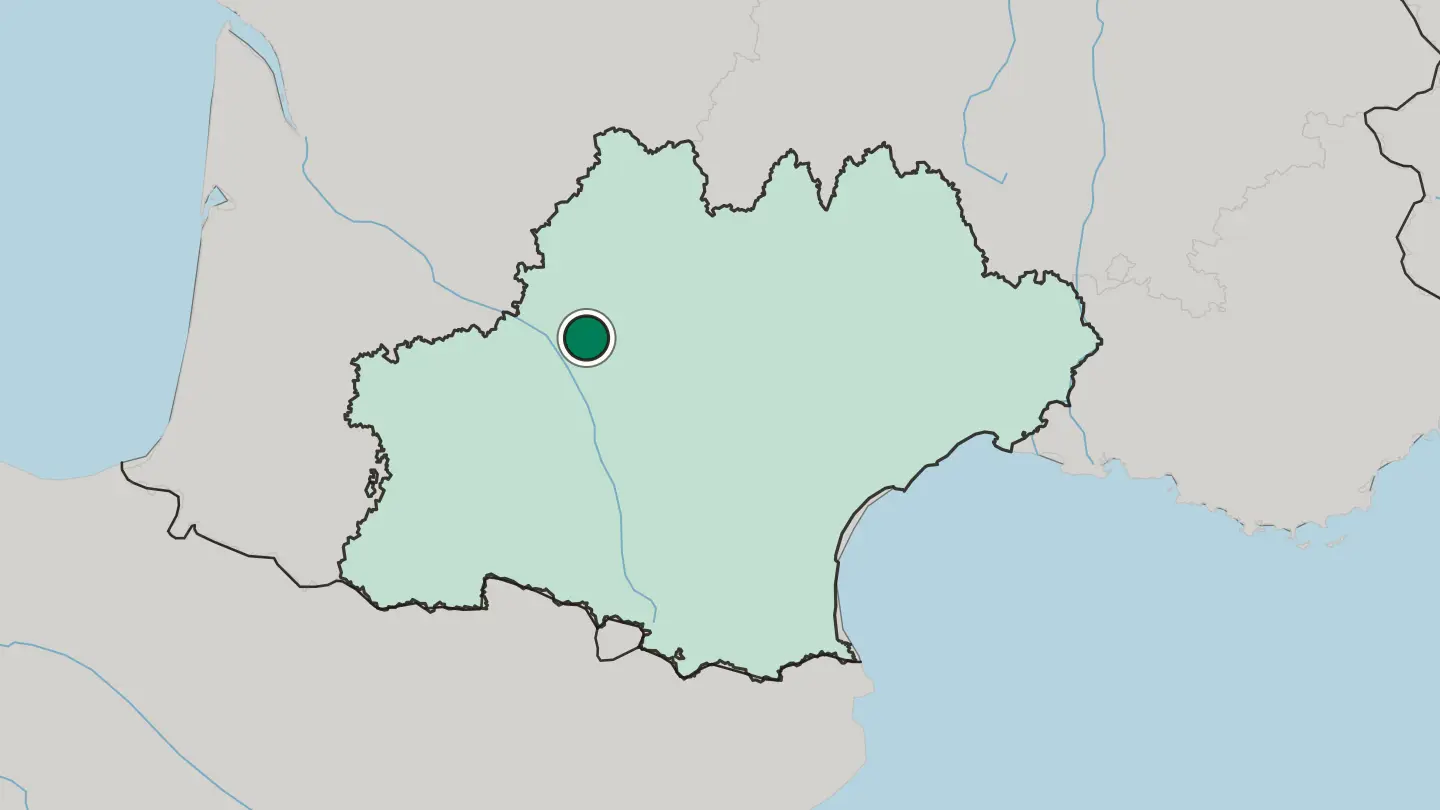
 France
Albi
Albi is a city on the River Tarn in southern France, its old town of red brick crowned by the great Sainte-Cécile Cathedral.Where to stay →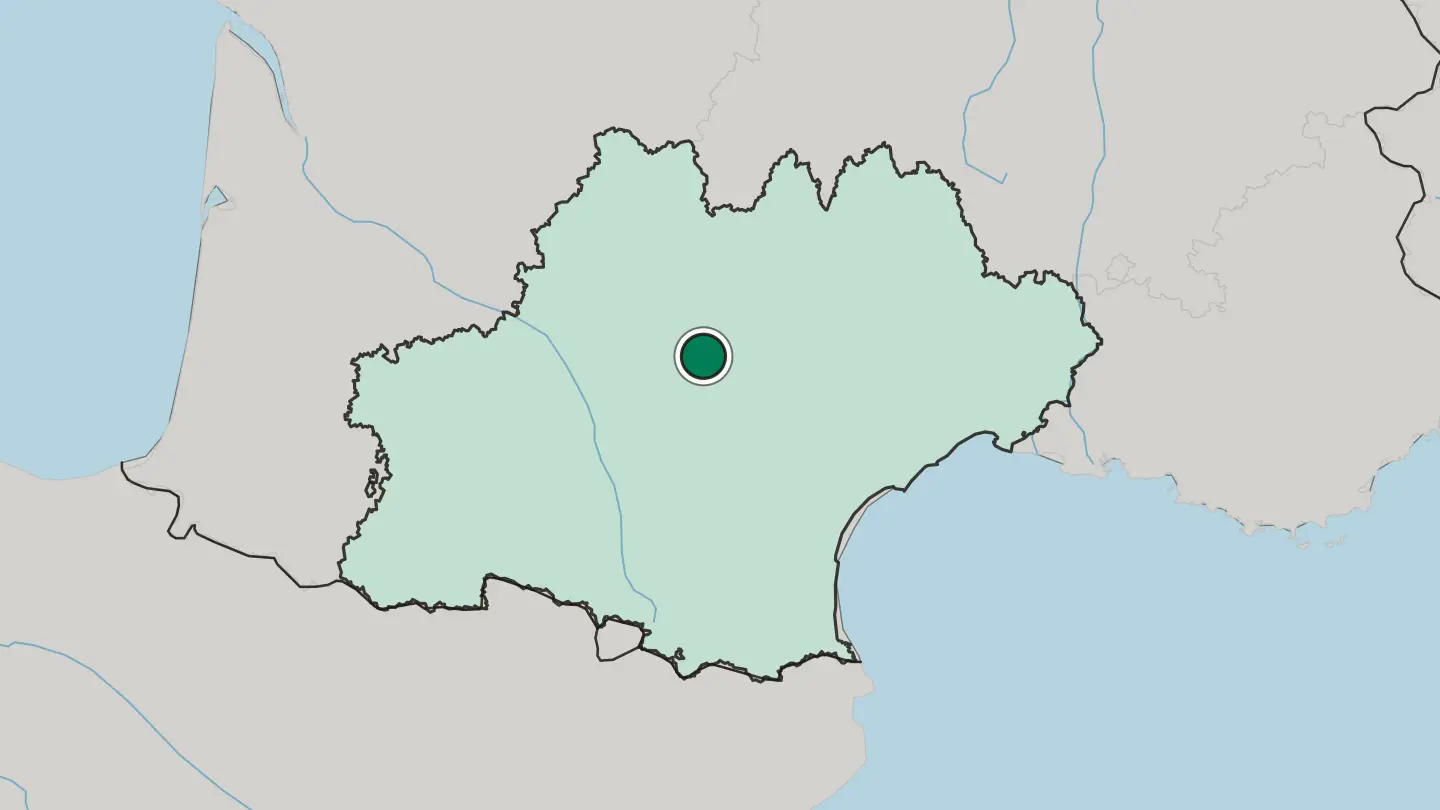
 France
Tarbes
Tarbes is the capital of the Hautes-Pyrénées in southwest France, an old garrison town on the Adour below the high Pyrenees.Where to stay →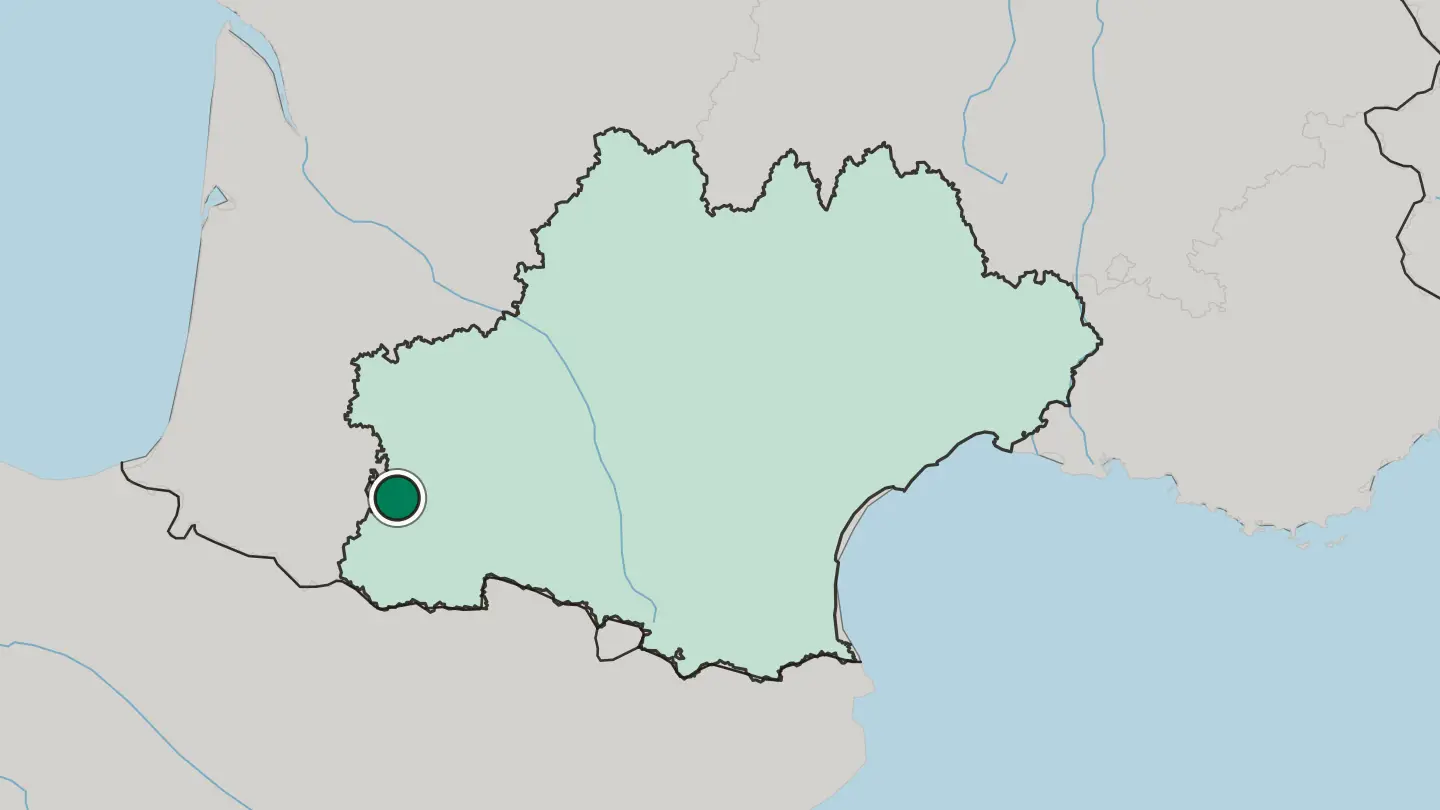
All towns & cities (9)
 France
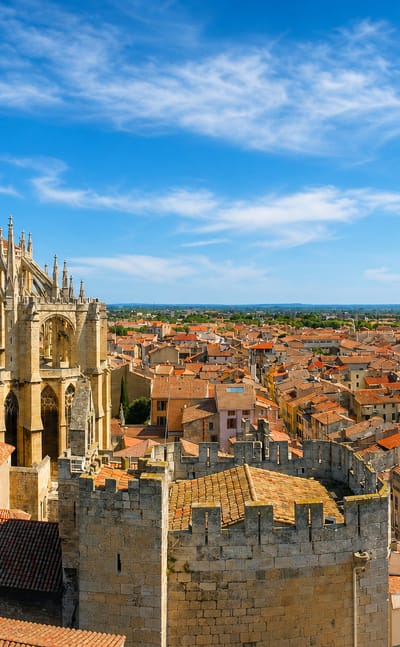
Narbonne
Roman stone underlies Narbonne, a city of Occitanie, known for Narbonne Cathedral and the Roman collections of Narbo Via.Where to stay →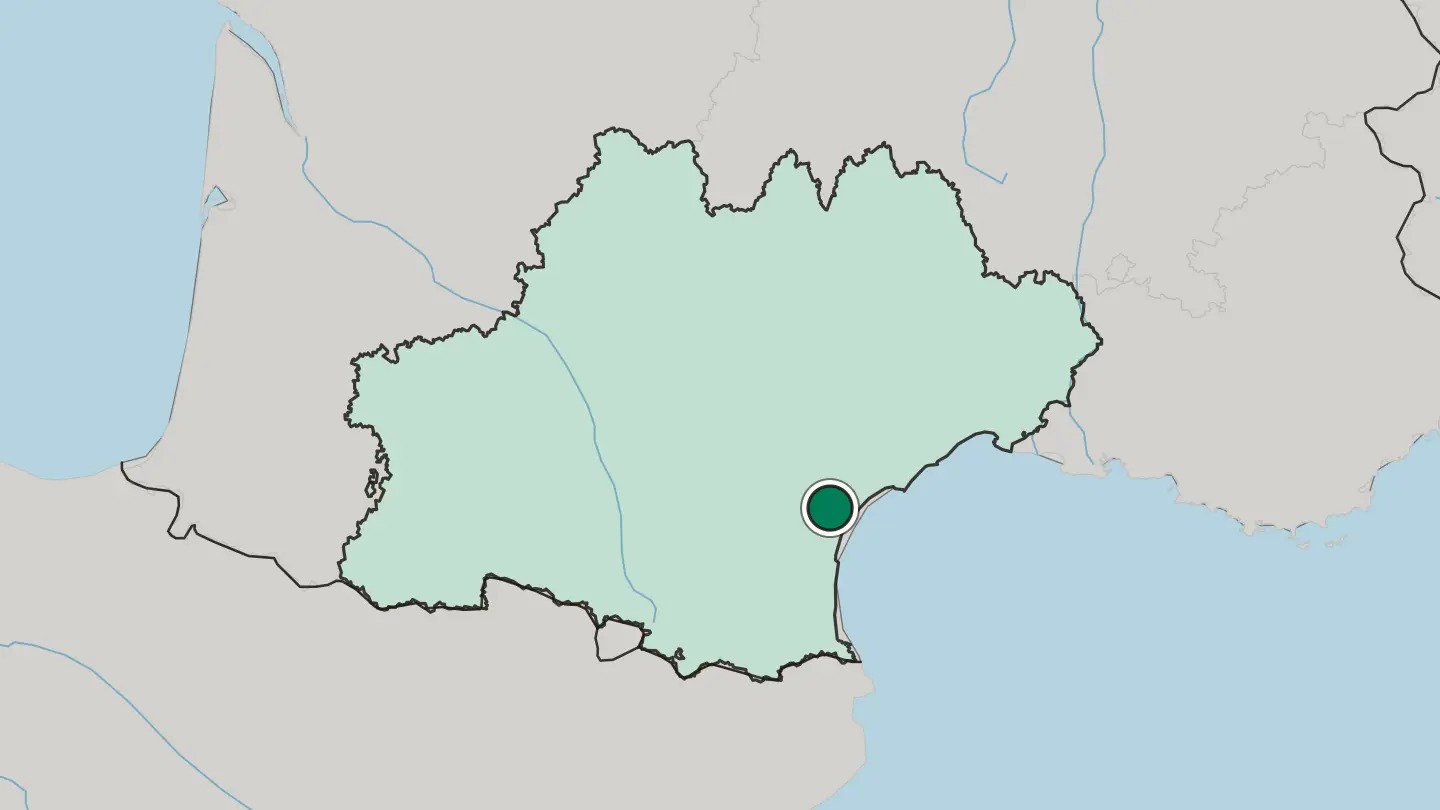
Hotel links are affiliate links: booking through them may earn us a commission, at no extra cost to you. It never affects how places are ranked. How this works
About Occitanie
What is Occitanie known for?
Occitanie is the southernmost of mainland France's regions, formed in 2016 by joining Languedoc-Roussillon and Midi-Pyrénées. Two cities anchor it. Toulouse, built in pink brick along the Garonne, is the capital and the home of Airbus; Montpellier holds the Mediterranean coast to the east.
Between them stand the medieval walls of Carcassonne, the Roman amphitheatre of Nîmes, and the Canal du Midi threading toward the sea. The Pyrenees close off the south.
Where is Occitanie?
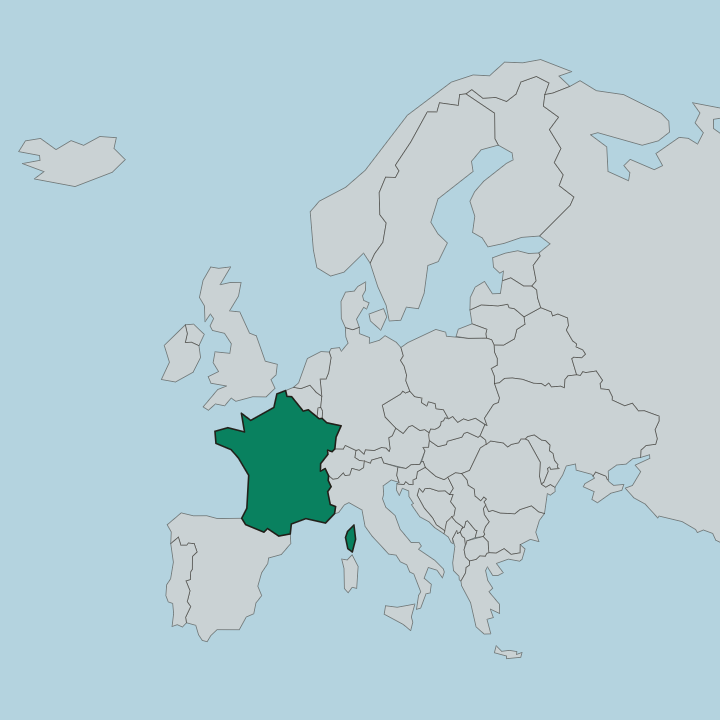
Occitanie occupies the far south of mainland France, the second-largest of its regions by area. It is a land of edges. The Pyrenees wall off the south, marking the frontier with Spain and the tiny state of Andorra.
To the east the Mediterranean coast runs some 220 kilometres along the Gulf of Lion, from the Rhône delta down to the Spanish border below Perpignan. Between mountains and sea lies the wide lowland corridor of Languedoc, and westward the land opens into the valley of the Garonne, the river that carries Toulouse toward Bordeaux and the Atlantic beyond the region. The interior climbs and folds.
The Massif Central rises across the north-east, its southern flank breaking into the Cévennes highlands, while the Canal du Midi cuts a green line east from Toulouse across the plain to the sea. Thirteen departments make up the whole. Montpellier holds the coast; Toulouse commands the west.
Everything here is framed by that arc from the Pyrenees to the Mediterranean, and no part of Occitanie sits far from either the mountains or the shore.
What is Occitanie like?
The region takes its name from the Occitan language, the old speech of southern France in which the word for yes was òc rather than the northern oui. That tongue gave the medieval troubadours their verse and still colours street signs and place names across the south. Its heartland was Languedoc, the land of òc.
Culture here leans Mediterranean and, toward Perpignan, distinctly Catalan, where the Roussillon plain carries the language and food of nearby Spain. Stone tells much of the story. Nîmes keeps its Roman amphitheatre and the Maison Carrée temple standing nearly intact; the Pont du Gard aqueduct strides across the Gardon nearby.
Carcassonne preserves a walled citadel of double ramparts and 52 towers that pulls in the crowds. Toulouse is the pink city, its brick glowing at dusk, a university and aerospace town with a young, restless energy. Food follows the land: cassoulet and duck in the Gascon west, oysters and wine along the coast.
The whole region drinks deep from its own soil.
What is the history of Occitanie?
For centuries this was the land of òc, a southern culture apart from the French crown to the north. That independence ended in blood. The Albigensian Crusade, launched in 1209 against the Cathar believers of Languedoc, broke the great southern lords and drew the region toward Paris.
Roussillon came later still, ceded by Spain under the Treaty of the Pyrenees in 1659. The two historic provinces of Languedoc-Roussillon and Midi-Pyrénées were finally merged into a single region in 2016, which took the old cultural name Occitanie.
What is the climate of Occitanie?
Occitanie splits into three climates. The Mediterranean coast around Montpellier and Perpignan runs hot and dry in summer, with mild winters and the dry tramontane wind blowing off the land. Inland toward Toulouse the weather turns more oceanic, wetter and greener, softened by Atlantic air moving up the Garonne.
The Pyrenees and the Cévennes keep their own mountain weather, cold and snowbound in winter above the valleys. Sun is the region's common thread.
How do you get to Occitanie?
Air travellers land at Toulouse-Blagnac or Montpellier, the region's two main airports. Rail covers the rest of Occitanie. High-speed SNCF services reach Toulouse, Montpellier, Nîmes and Perpignan from Paris and along the coast, and the line south from Perpignan crosses the Pyrenees toward Barcelona in Spain.
Drivers follow the A9 down the Mediterranean coast and the A61 west from the sea to Toulouse, tracing the same path the Canal du Midi cut long before. Once inside, regional trains stitch the departments together.
Common questions
What is the best area to stay in Occitanie?
Toulouse: getting your bearings in Occitanie. Montpellier: the Languedoc coast and Roman sites. Carcassonne: a walled-city stay. The Pyrenees: mountains and hiking.
Good for
More regions in France
Updated October 2026