France · Occitanie
Where to Stay in Narbonne, Occitanie
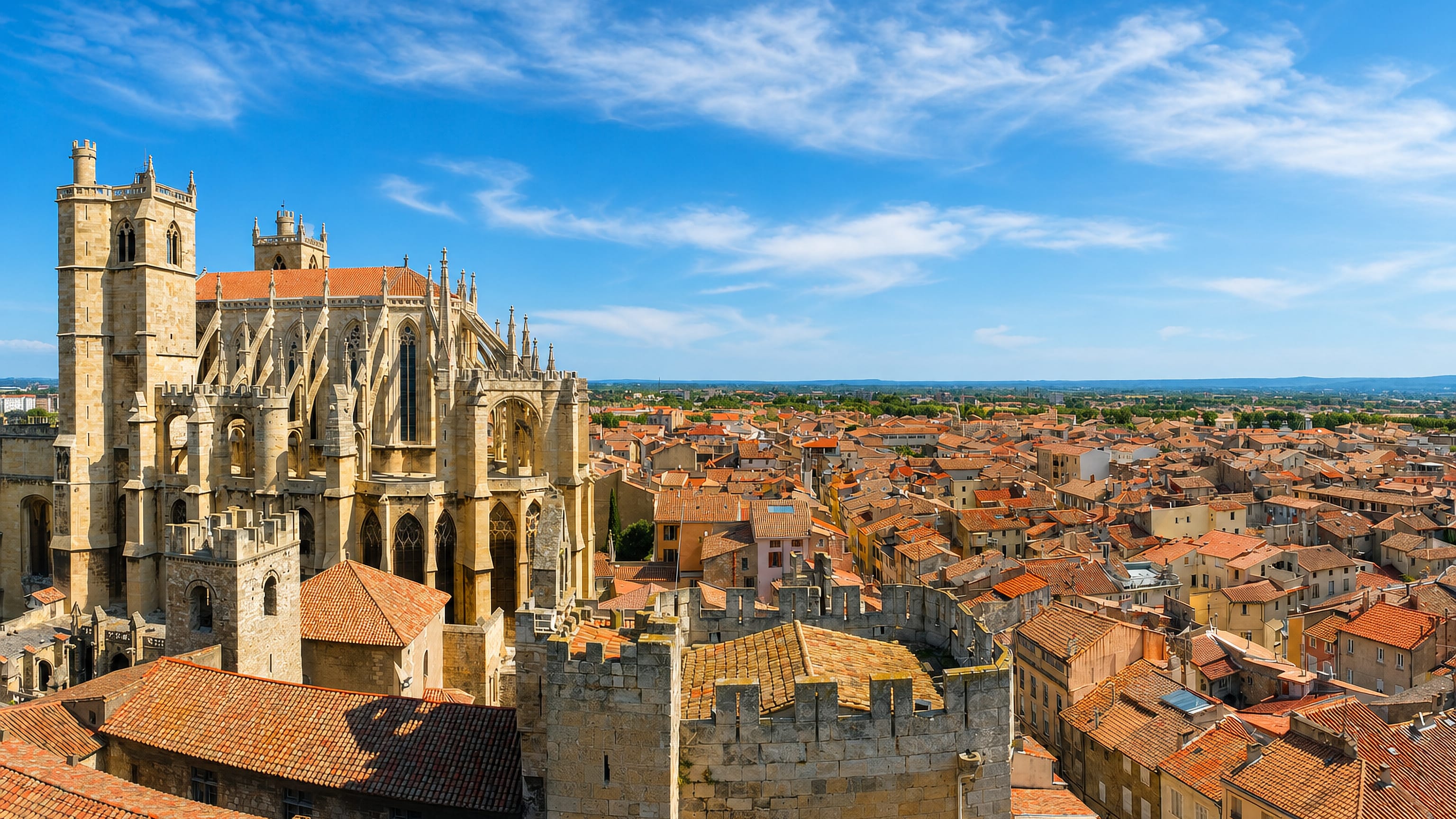
Roman stone underlies Narbonne, a city of Occitanie, known for Narbonne Cathedral and the Roman collections of Narbo Via.
Hotel links are affiliate links: booking through them may earn us a commission, at no extra cost to you. It never affects how places are ranked. How this works




Where to stay in Narbonne
Where the beds are, and what that means for the visit.
Narbonne gathers around its cathedral and its old streets, and where you stay turns on how close you want to be to the medieval core. The centre around Narbonne Cathedral holds the oldest lanes and the great church. That cathedral quarter makes a fitting base for a first stay in Narbonne.
Travellers who want the heritage on the doorstep settle near the Basilique Saint-Paul de Narbonne and the Maison des Trois Nourrices, both a short walk through the old town of Occitanie. Out from the core the streets open toward the Roman collections and the museums. If you have come for the archaeology, base yourself near Narbo Via and the Museum of Archaeology in Narbonne.
Narbo Via holds the Roman collections. Others choose the quieter blocks by the Musée d'art et d'histoire de Narbonne and the Église Notre-Dame de Lamourguier, away from the busiest lanes. Each part of Narbonne reads its own way.
Which part of Narbonne you settle in is up to you.
Find hotels in Narbonne
Direct booking searches for these neighbourhoods.
The cathedral centre
The medieval lanes around Narbonne Cathedral gather the great church and the Basilique Saint-Paul de Narbonne near the Maison des Trois Nourrices.Find hotels in The cathedral centreArchaeology at Narbo Via in NarbonneThe Roman museums
Out from the core Narbo Via and the Museum of Archaeology in Narbonne hold the Roman stone and mosaics of the old colony.Find hotels in The Roman museumsCalmer blocks by the Musée d'art et d'histoire de NarbonneThe quiet museum quarter
Around the Musée d'art et d'histoire de Narbonne and the Église Notre-Dame de Lamourguier the old town of Narbonne falls quieter, away from the busiest lanes.Find hotels in The quiet museum quarterHotel links are affiliate links: booking through them may earn us a commission, at no extra cost to you. It never affects how places are ranked. How this works
Things to do in Narbonne
Ranked by global recognition; descriptions from Wikidata (CC0).
Museums & Galleries
3- Narbo Via
- Musée d'art et d'histoire de Narbonne
- Museum of Archaeology in Narbonne
Churches & Religious Sites
8- Narbonne Cathedral Heritage
- Basilique Saint-Paul de Narbonne Heritage
- Église Notre-Dame de Lamourguier Heritage
- Église Saint-Sébastien de Narbonne Heritage
- Chapelle des Pénitents blancs de Narbonne Heritage
Show 3 more →
- Église de la Major de Narbonne Heritage
- Église des Jacobins de Narbonne Heritage
- Église et couvent des Cordeliers Heritage
Castles & Historic Sites
1- Vestiges archéologiques du Clos de la Lombarde Heritage
Stadiums & Sports
1- Parc des Sports et de l'Amitié
Landmarks & Notable Places
8- Maison des Trois Nourrices Heritage
- Maison romane, 75 rue Droite, Narbonne Heritage
- Maison, 6 rue Armand-Gauthier, Narbonne Heritage
- Maison de la Mothe Heritage
- Maison de l'Aumône Heritage
Show 3 more →
- Maison, 1 rue Auber, Narbonne Heritage
- Maison, 12 rue Charles Cros, Narbonne Heritage
- Maison, 6 rue Cassaignol, Narbonne Heritage
worth knowingacross 5 categories in Narbonne
About Narbonne
What is Narbonne known for?
Narbonne is known above all for its Roman past and its great unfinished cathedral in Occitanie. Rome founded the city. The colony left its stone and street lines beneath the town, gathered now in Narbo Via and the Vestiges archéologiques du Clos de la Lombarde, while the soaring choir of Narbonne Cathedral rises over the medieval heart of the old city.
What are the main landmarks in Narbonne?
Narbonne holds landmarks that run from its Roman remains to its cathedral and its churches. Narbonne Cathedral is the grandest of them. Its towering choir rises over the town near the Basilique Saint-Paul de Narbonne and the Maison des Trois Nourrices, while Narbo Via, the Vestiges archéologiques du Clos de la Lombarde, and the Museum of Archaeology in Narbonne gather the Roman heritage of the Occitanie city.
What is the history of Narbonne?
Narbonne began as a Roman colony and grew into a great port and capital of the surrounding province. Rome made the city. The colonists laid the streets and the forum whose stone survives beneath the town, gathered now in Narbo Via and the Vestiges archéologiques du Clos de la Lombarde, and from that ancient wealth Narbonne rose into one of the chief cities of the Roman world in this corner of the south.
After the empire the medieval town raised its cathedral and its churches over the older ground. The stone was reused and rebuilt. The soaring choir of Narbonne Cathedral, the Basilique Saint-Paul de Narbonne, and the Église Notre-Dame de Lamourguier climbed above the Roman remains, and their heritage, set beside the Museum of Archaeology in Narbonne, carries the long story of the city within the region of Occitanie.
Where is Narbonne?
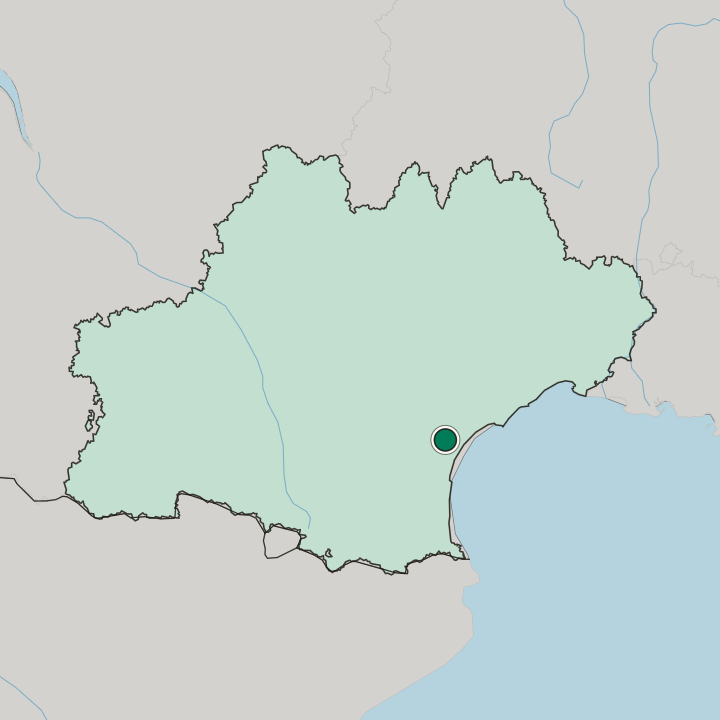
Narbonne stands on low ground in Occitanie, its old town gathered around the height of the cathedral. The plain spreads wide around it. The medieval core rises where Narbonne Cathedral crowns the centre, while the streets of the town spread across the flat land of Occitanie that once carried the Roman colony of Narbo Via.
What is the climate of Narbonne?
Narbonne has a warm, dry climate, bright and sunlit through much of the year in Occitanie. Summers run long and hot here. Mild winters and warm, sun-filled summers pass over the town and its cathedral, with the dry light of Occitanie falling on the Roman stone that underlies Narbonne.
How do you get to Narbonne?
Narbonne is reached by rail and road across Occitanie. Its position keeps it a natural junction. Trains and highways cross the surrounding plain toward the wider region, tying the old Roman city into the routes of Occitanie, with the towering choir of Narbonne Cathedral rising in view above the approach.
Common questions
What is the best area to stay in Narbonne?
The cathedral centre: First stays around Narbonne Cathedral in the old town. The Roman museums: Archaeology at Narbo Via in Narbonne. The quiet museum quarter: Calmer blocks by the Musée d'art et d'histoire de Narbonne.
Good for
More cities in Occitanie
Updated September 2026