France · Occitanie
Where to Stay in Tarbes, Occitanie
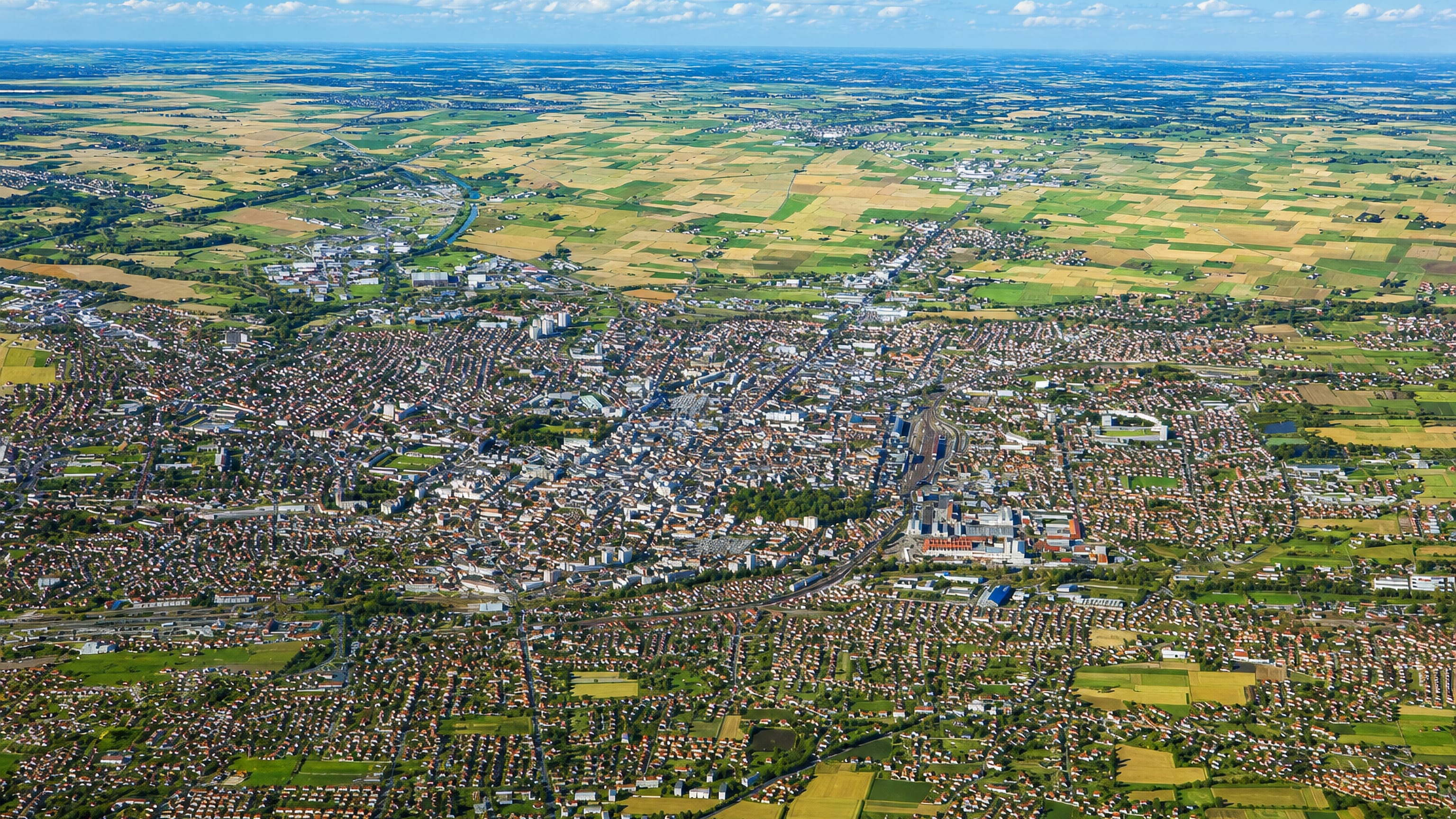
Tarbes is the capital of the Hautes-Pyrénées in southwest France, an old garrison town on the Adour below the high Pyrenees.
Hotel links are affiliate links: booking through them may earn us a commission, at no extra cost to you. It never affects how places are ranked. How this works


Where to stay in Tarbes
Where visitors usually base themselves, and why.
In Tarbes the centre settles the question. The streets around the covered market and the garden keep the museums, the shops, and the cathedral within a walk, and staying downtown suits anyone here for the town. The old market fills by day.
Rooms sit near the garden. Out toward the ring road and the mountains, the town gives way to fields and the road south. A room on the edge trades the centre for space, the parks, and the drive up to the Pyrenees.
The high peaks rise past the plain. If you want the garden and the market, stay downtown; if you want the mountains, take a room on the edge. Either way, the centre is close at hand.
Find hotels in Tarbes
Direct booking searches for these neighbourhoods.
The centre
Around the covered market within a walk of the Jardin MasseyFind hotels in The centreStays wanting space and the mountain roadThe outskirts
Toward the ring road and the drive south to the PyreneesFind hotels in The outskirtsHotel links are affiliate links: booking through them may earn us a commission, at no extra cost to you. It never affects how places are ranked. How this works
Things to do in Tarbes
Ranked by global recognition; descriptions from Wikidata (CC0).
Museums & Galleries
1- Musée Massey
Churches & Religious Sites
3- Église Sainte-Thérèse de Tarbes Heritage
- Église Saint-Jean-Baptiste de Tarbes
- Église Saint-Antoine de Tarbes
Castles & Historic Sites
2- Danton
- mémorial des martyrs de la déportation de Tarbes
Stadiums & Sports
3- Stade Maurice Trélut
- palais des sports du Quai de l'Adour
- stade Jules-Soulé
worth knowingacross 4 categories in Tarbes
About Tarbes
Tarbes is the market town below the Pyrenees.
What is Tarbes known for?
On the Adour at the foot of the mountains, it grew as a garrison and horse town, and it keeps the great Jardin Massey with its cloister and museum, a national stud that bred the Tarbes horse, and the house where Marshal Foch was born, with the high peaks close to the south. The mountains rise to the south. Horses and gardens mark the town.
What are the main landmarks in Tarbes?
The Jardin Massey is the pride of Tarbes. The great garden of rare trees, with a medieval cloister carried here stone by stone and a museum in its house, lies north of the centre, the emblem of the town, among the lawns. A national stud stands nearby.
The Haras de Tarbes still breeds the Anglo-Arab horse, while the cathedral, the Foch house, and the covered market mark the streets of Tarbes.
What is the history of Tarbes?
Tarbes grew as the old capital of the Bigorre. A town stood here on the Adour from Roman days, and through the middle ages it was the seat of the counts of Bigorre, guarding the plain below the mountain passes. Horses made the town's name.
The counts and later the kings kept great studs here, and Tarbes became famous for the Anglo-Arab horse bred on the banks of the Adour. The garden and the garrison shaped the modern town. In the nineteenth century a rich family laid out the Jardin Massey with its cloister and its trees, and the army filled Tarbes with barracks and cavalry.
The town gave France a great soldier. Marshal Foch, who led the Allied armies to victory in the Great War, was born in Tarbes, and his house is kept as a museum. The old garden still greens the centre.
Tarbes keeps its horses and its gardens below the Pyrenees.
Where is Tarbes?
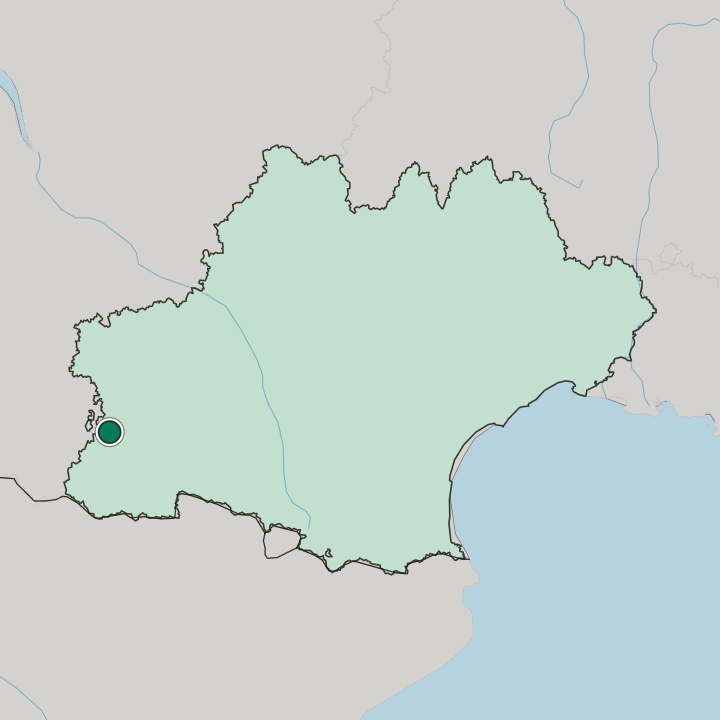
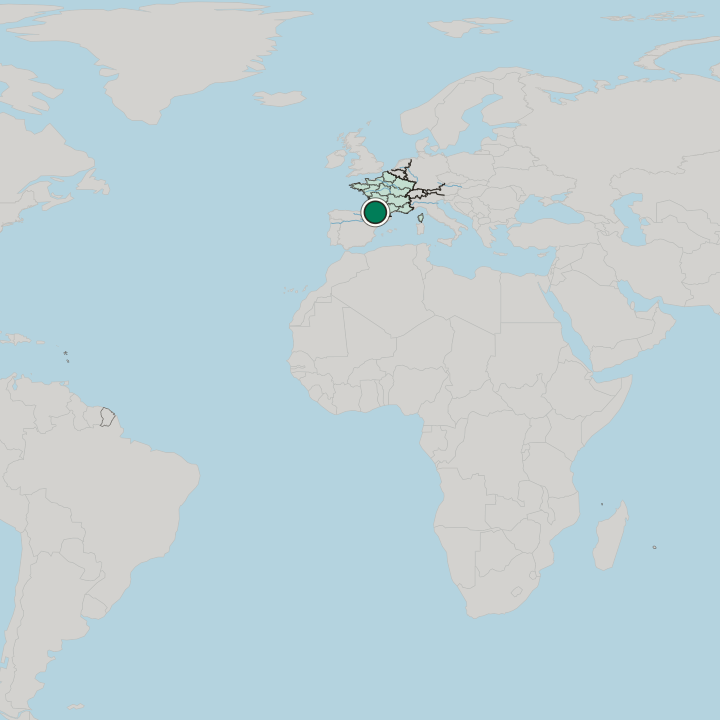
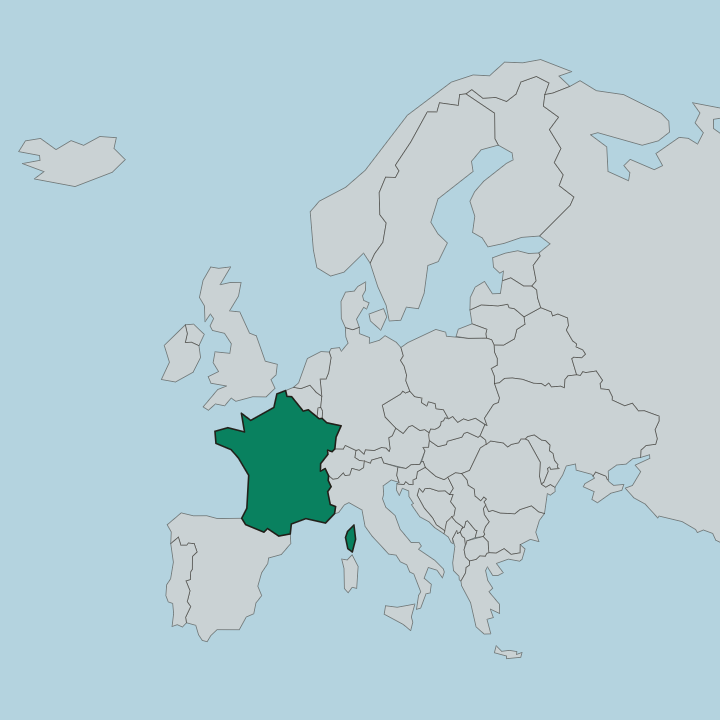
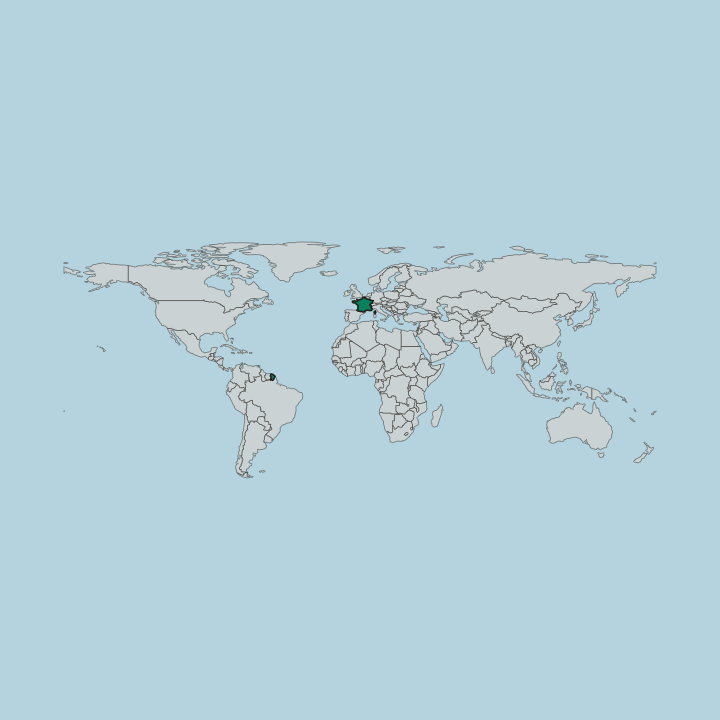
Tarbes lies on the Adour in the southwest of France, on the plain below the high Pyrenees. The city sits where the mountain river spreads onto flat farmland, a short way north of the great peaks and the passes into Spain. High mountains rise to the south.
The plain runs north toward the Garonne.
What is the climate of Tarbes?
Tarbes has a mild, wet climate below the mountains. Warm summers and cool winters cross the plain, and rain falls often through the year, brought against the Pyrenees, with snow on the peaks and green fields below. Storms roll off the mountains in summer.
The plain stays green much of the year.
How do you get to Tarbes?
Tarbes lies in the southwest of France, near Lourdes and the Pyrenees. Trains and the motorway run to it from Toulouse and Pau across the plain, and an airport by Lourdes serves the region, while roads climb south to the mountain passes. Buses reach the plain towns around.
Most arrive by train from Toulouse.
Common questions
What is the best area to stay in Tarbes?
The centre: Visitors here for the garden, market, and museums. The outskirts: Stays wanting space and the mountain road.
Good for
More cities in Occitanie
Updated September 2026