United Kingdom · Scotland
Where to Stay in Aberdeen, Scotland
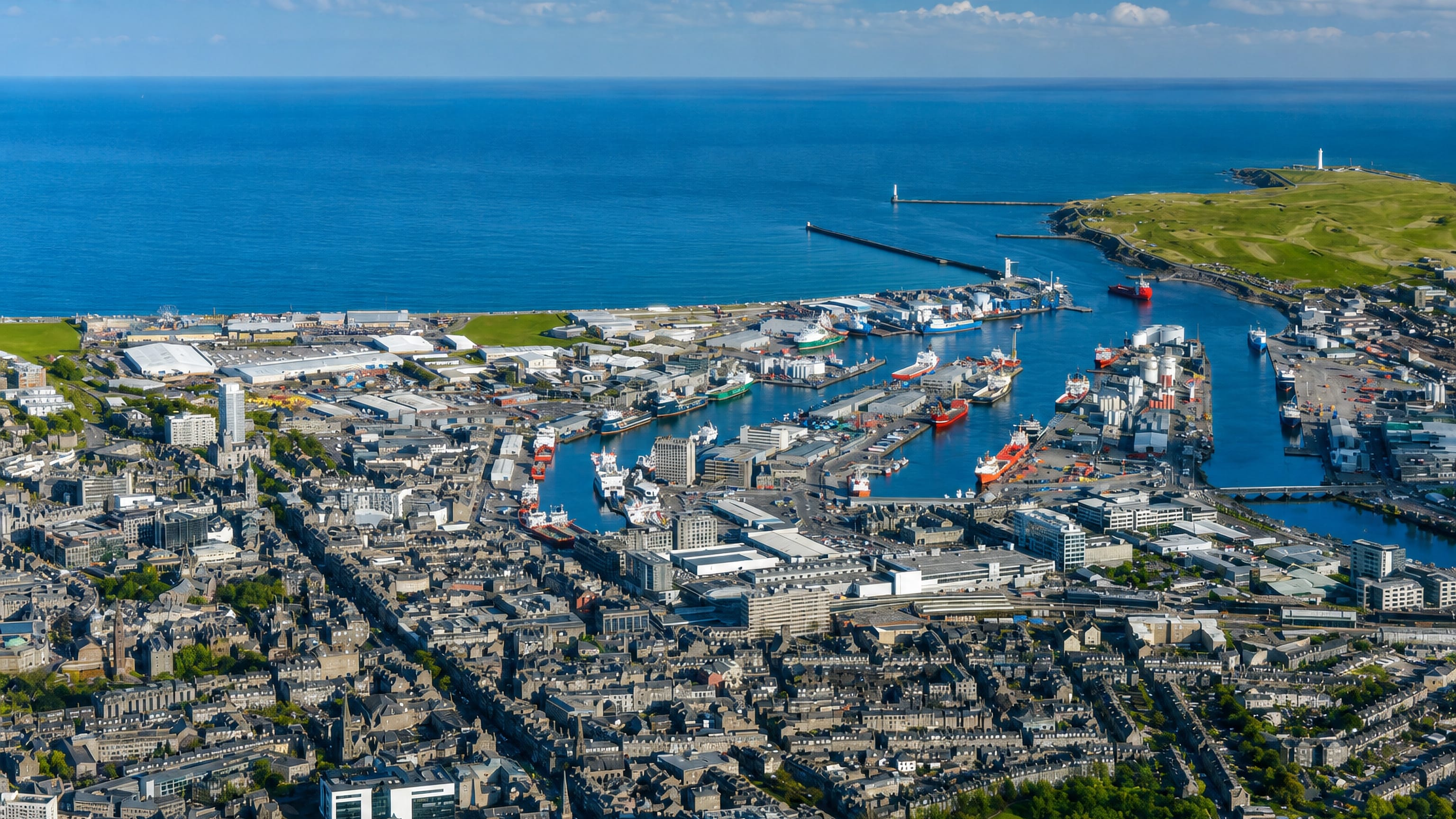
Grey stone meets the sea at Aberdeen, a harbour city in Scotland where the Rivers Dee and Don reach the North Sea.
Hotel links are affiliate links: booking through them may earn us a commission, at no extra cost to you. It never affects how places are ranked. How this works




Where to stay in Aberdeen
The right area depends on your trip — here's what each neighbourhood is best for.
 AberdeenUnited Kingdom
Nigg
Nigg occupies the side of Aberdeen south of the River Dee, with Nigg Bay below its coastal golf course.Where to stay →AberdeenUnited KingdomDyce
Dyce is a suburb town of Aberdeen on the River Don, about 10 km north-west of the city centre and known above all as the site of Aberdeen Airport.Where to stay →Hotel links are affiliate links: booking through them may earn us a commission, at no extra cost to you. It never affects how places are ranked. How this works
Find hotels in Aberdeen
Direct booking searches for these neighbourhoods.
City centre
Along Union Street near the Aberdeen Art Gallery, St Nicholas and Provost Skene's House, above the harbour and the Aberdeen Maritime Museum on ShiprowFind hotels in City centreHistory and quiet near the university by the DonOld Aberdeen
Cobbled lanes below St Machar's Cathedral and the King's College ChapelFind hotels in Old AberdeenA seaside base on the long sandy shoreThe beach and coast
The strand between the mouths of the Dee and the Don, with Codona's Amusement Park at its southern endFind hotels in The beach and coastHotel links are affiliate links: booking through them may earn us a commission, at no extra cost to you. It never affects how places are ranked. How this works
Things to do in Aberdeen
Ranked by global recognition; descriptions from Wikidata (CC0).
Museums & Galleries
3- Aberdeen Art Gallery Heritage
- Gordon Highlanders Museum Heritage
- Tolbooth Museum
Churches & Religious Sites
8- St Machar's Cathedral Heritage
- St Nicholas, Aberdeen Heritage
- St Mary's Cathedral Heritage
- Queen's Cross Church, Aberdeen Heritage
- St Margaret of Scotland, Aberdeen Heritage
Show 3 more →
- St Peter's Roman Catholic Church, 2 Chapel Court, Aberdeen Heritage
- Greyfriars Church, Aberdeen Heritage
- Bon Accord Free Church Heritage
Stadiums & Sports
3- Balmoral Stadium
- Mannofield Cricket Ground
- Aberdeen Sports Village
Parks & Gardens
1- Codona's Amusement Park
Landmarks & Notable Places
4- Provost Skene's House Heritage
- Bede House Heritage
- Provost Ross's House, 48 Shiprow, Aberdeen Heritage
- 96 High Street, Old Aberdeen, Aberdeen Heritage
worth knowingacross 5 categories in Aberdeen
About Aberdeen
What is Aberdeen known for?
Aberdeen is known as a harbour city on the north-east coast of Scotland, the third-largest in the country and a hub of the North Sea oil trade. Its port lies where the Rivers Dee and Don meet the sea. St Machar's Cathedral crowns Old Aberdeen, and the Aberdeen Maritime Museum records the city's long life by the water.
The sea shaped it. Trade and fishing made Aberdeen the port it remains.
What are the main landmarks in Aberdeen?
Aberdeen's landmarks gather in grey stone. St Machar's Cathedral and the King's College Chapel crown Old Aberdeen to the north, while St Nicholas and the Aberdeen Art Gallery mark the centre. The Aberdeen Maritime Museum stands above the harbour on Shiprow, near Provost Ross's House and the Tolbooth Museum.
Provost Skene's House survives among the central streets. The Gordon Highlanders Museum and Codona's Amusement Park lie out toward the western streets and the shore.
What is the history of Aberdeen?
Aberdeen, established in 1175, grew into a port between two rivers. The harbour where the Dee reaches the North Sea drew trade and fishing from the start, and a second settlement rose to the north by the Don. Two towns became one.
Old Aberdeen kept its cathedral and college around St Machar's Cathedral and the King's College Chapel, while the harbour town spread along the Dee, and both were built in the hard grey stone quarried from the land around the city. The port carried the city through the centuries. Ships traded from the harbour, and the grey stone that built Aberdeen was cut and shipped from its quarries.
Provost Skene's House and Provost Ross's House survive from the days of the merchant provosts who ran the town. In later years the North Sea oil trade made the harbour a base for the rigs offshore, and the Aberdeen Maritime Museum now tells that story. The sea has always ruled here.
Aberdeen remains the third city of Scotland, its stone streets still turned toward the North Sea.
Where is Aberdeen?
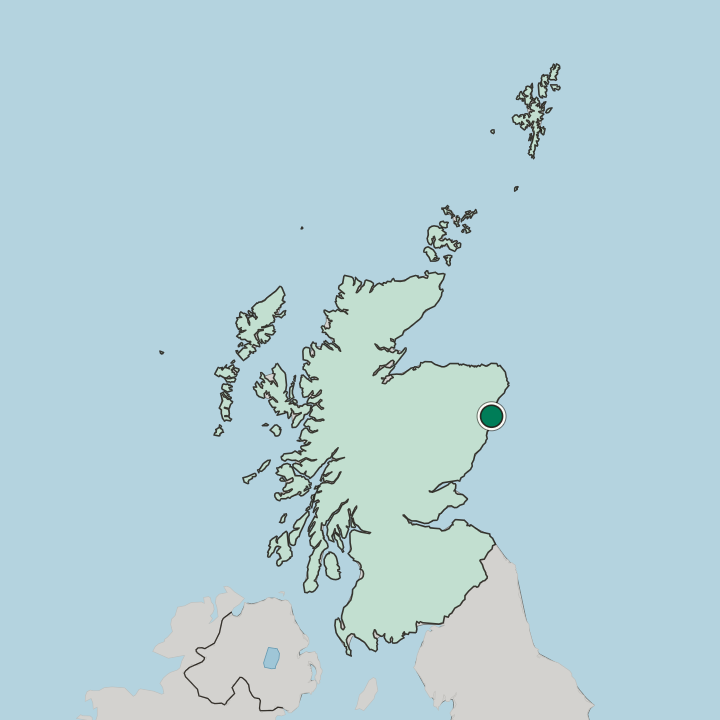
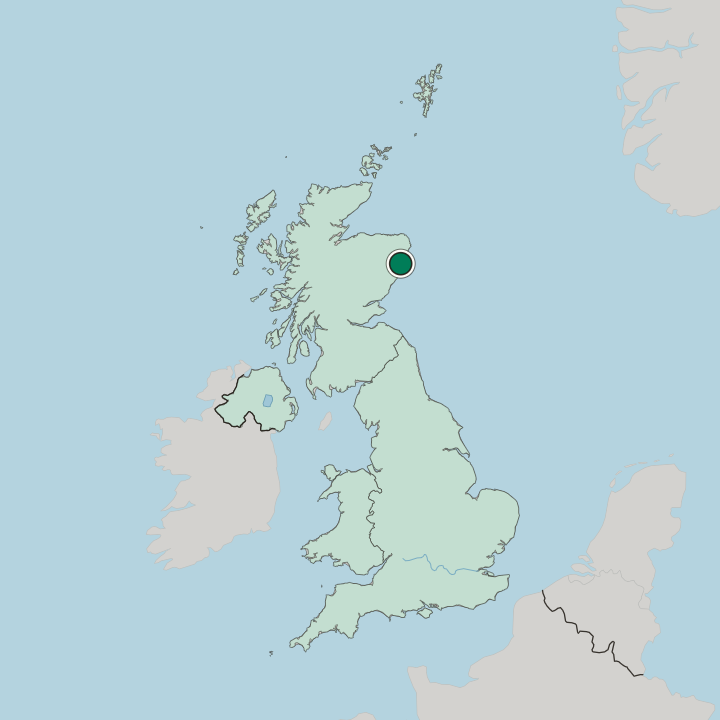
Aberdeen lies on the north-east coast of Scotland, in the United Kingdom, a harbour city set where the Rivers Dee and Don meet the North Sea. The old core stands above the harbour by the Dee, and Old Aberdeen sits to the north near the Don. A long sandy beach runs along the shore between the two river mouths.
The coast is open to the sea. From the harbour Aberdeen spreads inland over low, gently rising ground.
What is the climate of Aberdeen?
Aberdeen has a cool oceanic climate, open to the winds off the North Sea. Winters are mild but wet and grey, with rain and long dark days blowing in off the water across the harbour and the long sandy beach. Even at their height, Aberdeen's summers rarely turn hot.
Bright spells come and go, and the sea air keeps the temperature even over the grey stone streets the year round.
How do you get to Aberdeen?
Aberdeen is reached by rail, road, sea, and air from Edinburgh and across Scotland. Trains run up the coast from Edinburgh and the south to the station near the harbour, and the port still takes ferries and ships from the North Sea. Roads follow the coast north.
From the station it is a short walk to Union Street, the Aberdeen Maritime Museum, and the harbour where the rivers meet the sea.
Common questions
What is the best area to stay in Aberdeen?
City centre: First-time visitors who want the harbour and the galleries a short walk away. Old Aberdeen: History and quiet near the university by the Don. The beach and coast: A seaside base on the long sandy shore.
Good for
More cities in Scotland
Updated October 2026