United Kingdom · Scotland
Where to Stay in Kirkcaldy, Scotland
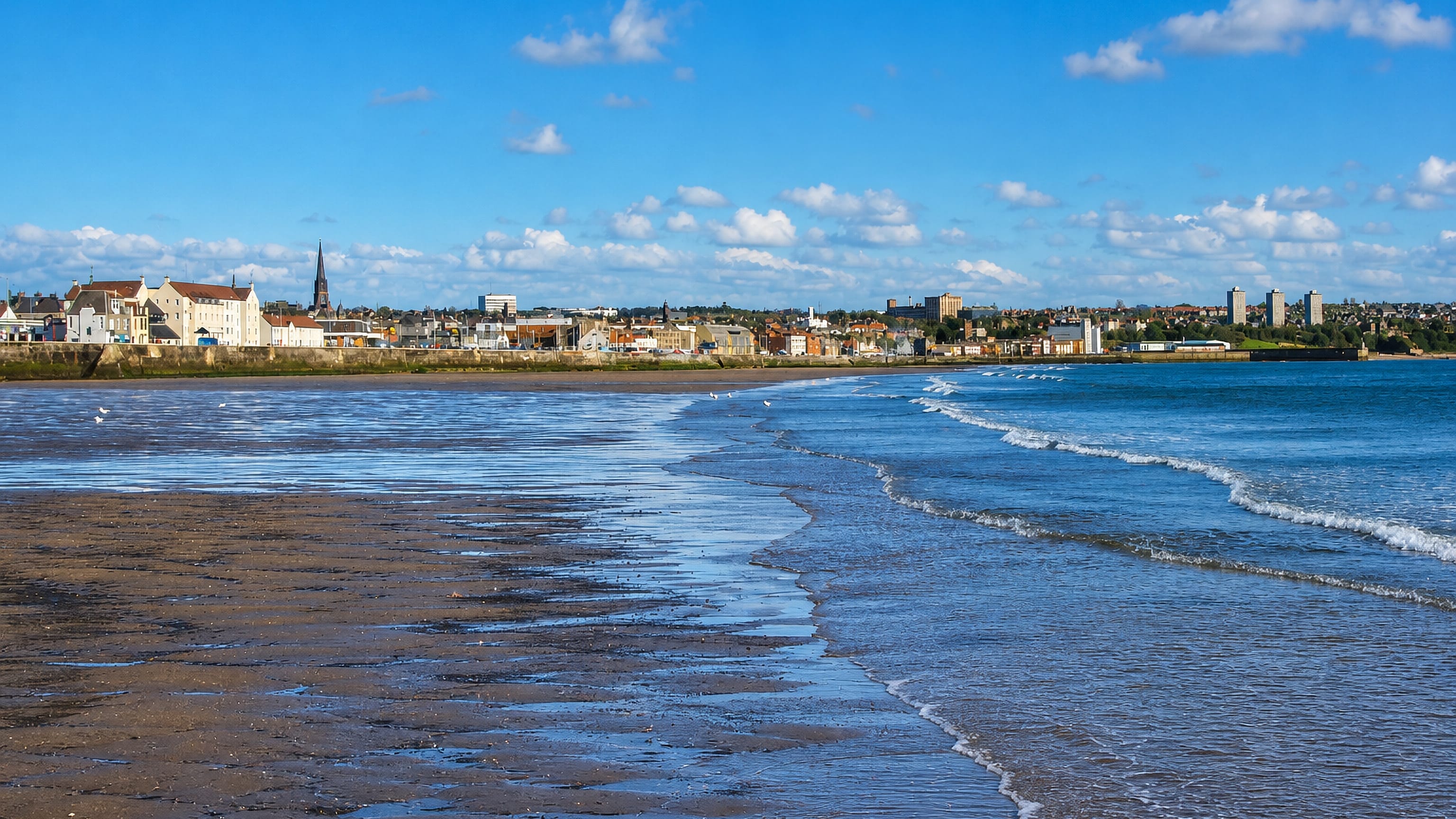
Kirkcaldy is a former royal burgh on the Fife coast, the linoleum-making Lang Toun that Adam Smith, Gordon Brown and Val McDermid all came from.
Hotel links are affiliate links: booking through them may earn us a commission, at no extra cost to you. It never affects how places are ranked. How this works


Where to stay in Kirkcaldy
One neighbourhood here has its own guide — here's what it is best for.

 KirkcaldyUnited Kingdomthe Church Street parish end of the Lang Toun
Pathhead
Pathhead Parish Church on Church Street holds a stretch away from the High Street shops. Few places to stay nearby — book ahead.Pathhead →Hotel links are affiliate links: booking through them may earn us a commission, at no extra cost to you. It never affects how places are ranked. How this works
Find hotels in Kirkcaldy
Direct booking searches for these neighbourhoods.
High Street and Kirk Wynd
Kirkcaldy Galleries, Kirkcaldy Old Parish Church and the Tolbooth Street frontages fall inside one walk.Find hotels in High Street and Kirk WyndSt Serf's Church and the Pan Ha' waterfrontDysart
Bay House at Pan Ha' and The Anchorage on Shore Road keep the old Dysart shore intact. Beds are limited here, so book early.Find hotels in DysartOsborne House and the St Brycedale Avenue frontagesSt Brycedale and East Fergus Place
St Brycedale Church and Osborne House stand one street off the Kirkcaldy trade.Find hotels in St Brycedale and East Fergus PlaceHotel links are affiliate links: booking through them may earn us a commission, at no extra cost to you. It never affects how places are ranked. How this works
Things to do in Kirkcaldy
Ranked by global recognition; descriptions from Wikidata (CC0).
Museums & Galleries
2- Kirkcaldy Galleries
- Kirkcaldy Industrial Museum
Churches & Religious Sites
6- Dysart, Panhall, Shore Road, St Serf's Church Heritage
- St Brycedale Church of Scotland, St Brycedale Avenue, Kirkcaldy Heritage
- Kirkcaldy Old Parish Church, Kirk Wynd, Kirkcaldy Heritage
- Abbotshall Heritage
- Bethelfield Church, Nicol Street, Kirkcaldy Heritage
Show 1 more →
- Pathhead Parish Church, Church Street, Kirkcaldy Heritage
Castles & Historic Sites
2- Ravenscraig Castle Heritage
- Piteadie Castle Heritage
Landmarks & Notable Places
8- The Anchorage, 1-2 Shore Road, Dysart Heritage
- Raith House Heritage
- Bay House, 1 Pan Ha', Panhall, Dysart Heritage
- 17 Tolbooth Street, Kirkcaldy Heritage
- 193-199 High Street, Kirkcaldy Heritage
Show 3 more →
- 23 Tolbooth Street, Kirkcaldy Heritage
- 25 Tolbooth Street, Kirkcaldy Heritage
- 34-36 Kirk Wynd, Kirkcaldy Heritage
worth knowingacross 4 categories in Kirkcaldy
About Kirkcaldy
Linoleum made the name.
What is Kirkcaldy known for?
Kirkcaldy's mills gave the Lang Toun its trade, and the string of coastal villages that ran into one another along the shore is where that nickname comes from. Kirkcaldy Galleries holds the art. The Kirkcaldy Industrial Museum keeps the manufacturing side, Ravenscraig Castle and Piteadie Castle stand for the older ground, and Merchant's House speaks for the trading families.
What are the main landmarks in Kirkcaldy?
Ravenscraig Castle heads the list. Kirkcaldy Galleries and the Kirkcaldy Industrial Museum cover the collections, and St Serf's Church at Dysart, Kirkcaldy Old Parish Church on Kirk Wynd and St Brycedale Church give the churches their weight. Domestic buildings do the rest.
Merchant's House, Raith House, Osborne House on East Fergus Place and Bay House at Pan Ha' survive from the older streets, and the Memorial to Marjory Fleming carries a carved stone figure.
What is the history of Kirkcaldy?
Two castles anchor the early record. Ravenscraig Castle and Piteadie Castle stand from before the town made its name in trade, and Kirkcaldy carried the standing of a royal burgh in Fife long before the mills arrived. Churches record the villages.
Kirkcaldy Old Parish Church on Kirk Wynd, St Brycedale Church on St Brycedale Avenue, Bethelfield Church on Nicol Street, Pathhead Parish Church on Church Street and St Serf's Church at Dysart each served a separate congregation before the shore filled in between them. Abbotshall belongs to that list too. Linoleum did the rest.
The mills made Kirkcaldy an industrial town, and the Kirkcaldy Industrial Museum keeps that record while Merchant's House, the Beveridge Buildings on High Street and the frontages on Tolbooth Street show what the trade paid for. Raith House and Kilrie House carry the country end of the list, while Bay House at Pan Ha' and The Anchorage on Shore Road belong to old Dysart. Three names travelled further.
The economist Adam Smith, the British prime minister Gordon Brown and the crime novelist Val McDermid all came from Kirkcaldy, which is a long reach for a coastal burgh in Fife.
Where is Kirkcaldy?
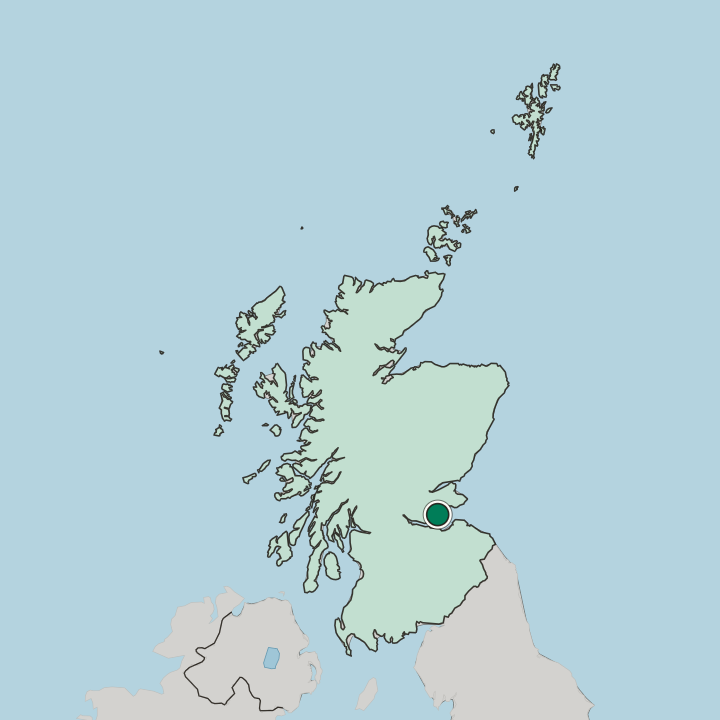
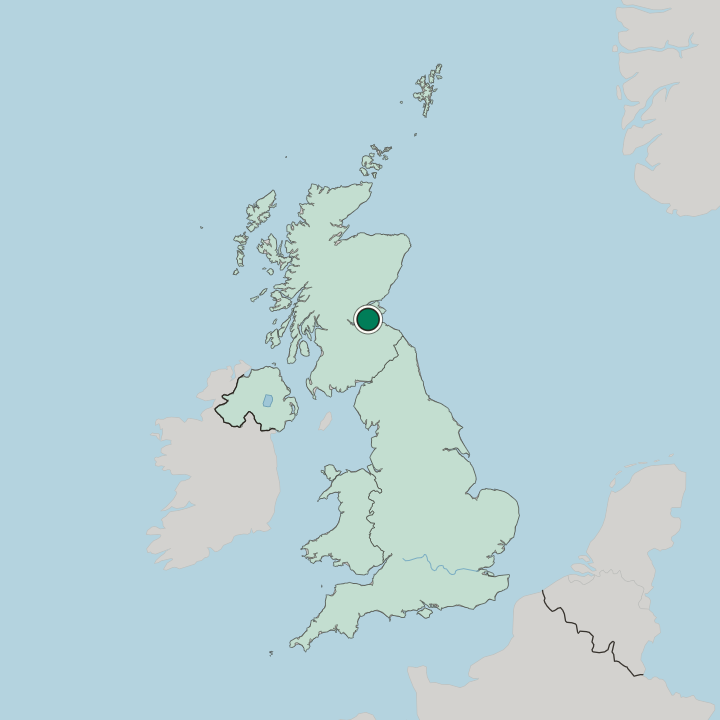
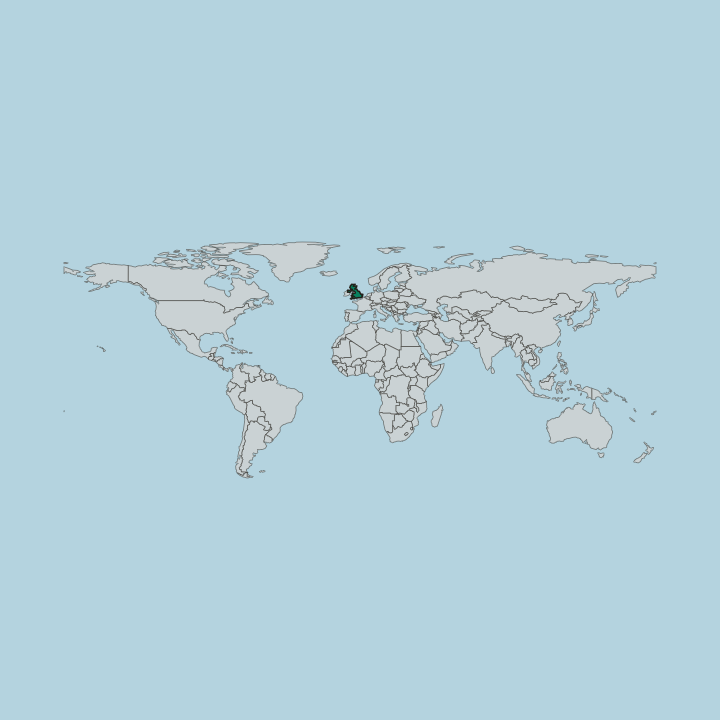
The shore does the shaping. Kirkcaldy runs along the Fife coast as a chain of one-time villages, and Dysart, Pathhead and Abbotshall each keep a church or a shore street of their own inside the Lang Toun. Edinburgh lies south. Dundee sits north-north-east of the town, far enough that the Fife coast itself, rather than either city, sets the character of the ground here.
What is the climate of Kirkcaldy?
Rain arrives off the water. Water along the Fife coast takes the edge off both the summer heat and the winter cold, so the range here stays narrower than on the inland ground behind Kirkcaldy. Winters stay grey rather than severe.
Kirkcaldy Galleries and the Kirkcaldy Industrial Museum absorb a wet afternoon indoors, while Ravenscraig Castle, St Serf's Church at Dysart and the walk along Shore Road want a clear one.
How do you get to Kirkcaldy?
Edinburgh does the arriving. The city lies a short run south of Kirkcaldy, closer than Dundee to the north-north-east, so most approaches to the Fife coast come up from that side. Once here, the High Street carries the length of the Lang Toun, and Dysart, Pathhead and Abbotshall sit close enough along the shore that one base reaches all three.
Shore Road runs the Dysart end.
Common questions
What is the best area to stay in Kirkcaldy?
High Street and Kirk Wynd: Kirkcaldy Galleries and the Beveridge Buildings on foot. Dysart: St Serf's Church and the Pan Ha' waterfront. Pathhead: the Church Street parish end of the Lang Toun. St Brycedale and East Fergus Place: Osborne House and the St Brycedale Avenue frontages.
Good for
More cities in Scotland
Updated September 2026