United Kingdom · Scotland
Where to Stay in East Kilbride, Scotland
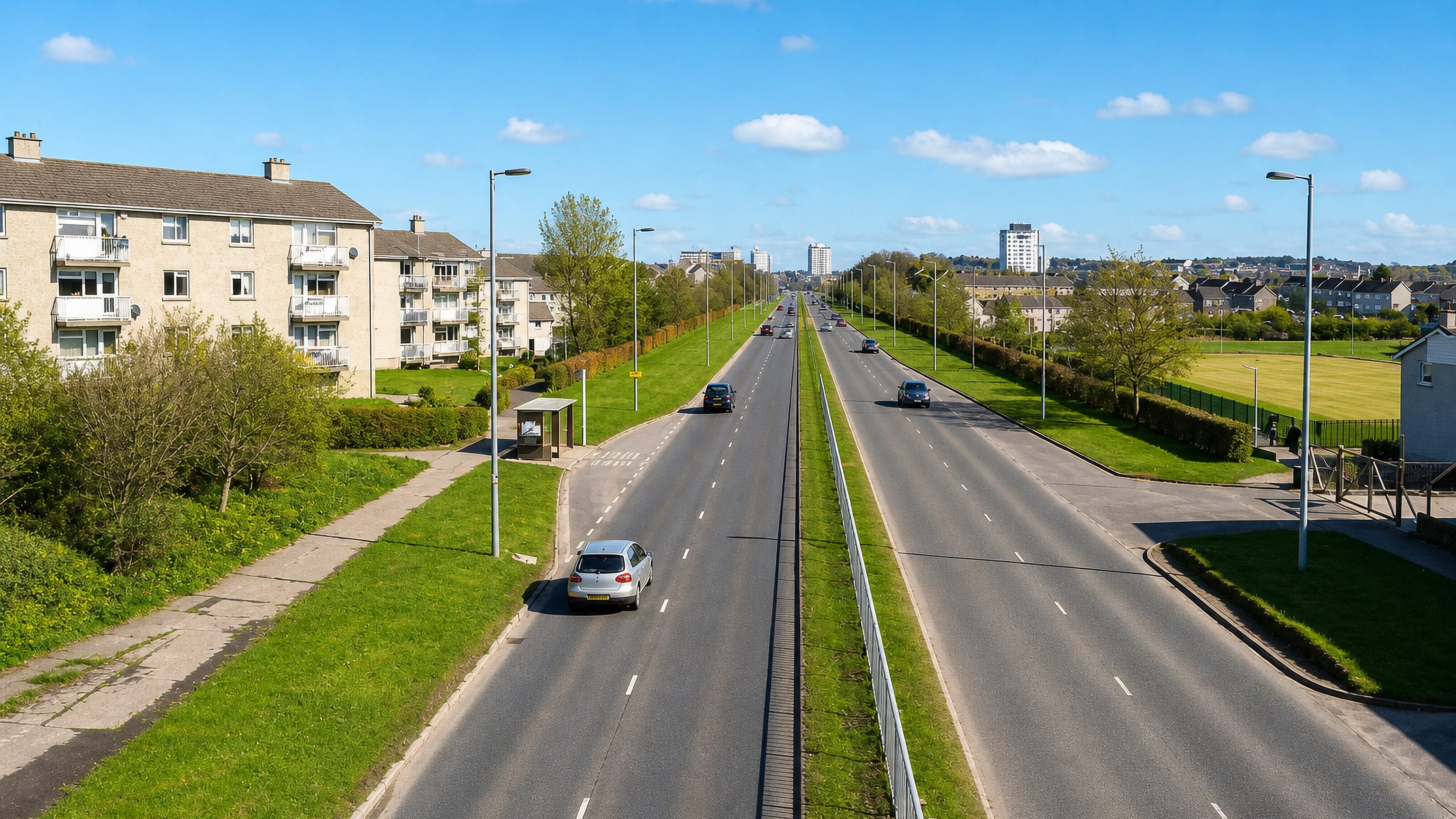
East Kilbride is the largest town in South Lanarkshire, Scotland, a village on a raised plateau that became the country's first new town in 1947.
Hotel links are affiliate links: booking through them may earn us a commission, at no extra cost to you. It never affects how places are ranked. How this works


Where to stay in East Kilbride
Not every neighbourhood fits every trip — here's what each one is good for.

 East KilbrideUnited Kingdom
Stewartfield
Stewartfield is a district of East Kilbride whose landmark list runs to two castles, Mains Castle and Kilbride Castle.Where to stay →East KilbrideUnited KingdomLindsayfield
Lindsayfield is a district of East Kilbride, and Greenhills Parish Church on Greenhills Crescent is the one named building on its register.Where to stay →Hotel links are affiliate links: booking through them may earn us a commission, at no extra cost to you. It never affects how places are ranked. How this works
Find hotels in East Kilbride
Direct booking searches for these neighbourhoods.
The planned centre
The Hunter Memorial, Stuart Street, East Kilbride stands within the same central streets.Find hotels in The planned centreEvenings by Old Parish Church, Montgomery Street, East KilbrideMontgomery Street and the old village
Morris House, 1-3 Markethill Road, East Kilbride keeps the older grain of this corner. Few places to stay nearby — book ahead.Find hotels in Montgomery Street and the old villageFamily days built around Calderglen ZooThe Calderglen side
Calderglen Zoo gives this edge of the town its own reason to stay. Beds are limited here, so book early.Find hotels in The Calderglen sideNights between Mains Castle and West Kirk, West Mains Road, East KilbrideWest Mains
West Kirk, West Mains Road, East Kilbride marks the same stretch as Mains Castle. Few places to stay nearby — book ahead.Find hotels in West MainsFarm-museum mornings at the National Museum of Rural LifeOut by the rural museum
Newhousemill, East Kilbride stands in the same farming country past the estates. Lodging is scarce in this area; reserve in advance.Find hotels in Out by the rural museumHotel links are affiliate links: booking through them may earn us a commission, at no extra cost to you. It never affects how places are ranked. How this works
Things to do in East Kilbride
Ranked by global recognition; descriptions from Wikidata (CC0).
Museums & Galleries
1- National Museum of Rural Life
Churches & Religious Sites
3- Old Parish Church, Montgomery Street, East Kilbride Heritage
- West Kirk, West Mains Road, East Kilbride Heritage
- East Kilbride, Baird Hill, South Parish Church
Castles & Historic Sites
3- Mains Castle Heritage
- Calderwood Castle
- Kilbride Castle
Landmarks & Notable Places
4- 114 Maxwellton Avenue, East Kilbride Heritage
- Calderstone House Heritage
- Morris House, 1-3 Markethill Road, East Kilbride Heritage
- Newhousemill, East Kilbride Heritage
worth knowingacross 4 categories in East Kilbride
About East Kilbride
New town planning is the reputation.
What is East Kilbride known for?
East Kilbride was designated Scotland's first new town on 6 May 1947, and the layout that followed is what most visitors notice before anything older registers. The National Museum of Rural Life is the main draw against that background, and Hunter House Museum and Calderglen Zoo give the town two more places to spend an afternoon. Mains Castle predates all of it.
What are the main landmarks in East Kilbride?
Castles come first on the list. Mains Castle, Calderwood Castle, and Kilbride Castle stand around the town, with Calderstone House and Morris House, 1-3 Markethill Road, East Kilbride among the older domestic buildings. Churches fill much of the rest.
Old Parish Church, Montgomery Street, East Kilbride and West Kirk, West Mains Road, East Kilbride carry the parish, and the roll continues with East Kilbride, Baird Hill, South Parish Church and East Kilbride, Brancumhall Road, St Leonard's Roman Catholic Church.
What is the history of East Kilbride?
The name is older than the town. Cille Bhrìghde in Gaelic means the church of St Bride or Brigit, probably the 6th-century Irish saint rather than the 5th-century Scottish one, which puts a church on this ground long before any plan did. A small village held the site for centuries.
Mains Castle, Calderwood Castle, and Kilbride Castle belong to that older country, and Newhousemill, East Kilbride and Calderstone House survive from the working landscape around them. Jean Cameron's grave is marked by a cairn. Everything changed on 6 May 1947.
East Kilbride was designated Scotland's first new town that day, and the expansion that followed made it the largest town in South Lanarkshire, with whole districts laid out where farmland had been. The old parish did not disappear. Old Parish Church, Montgomery Street, East Kilbride and West Kirk, West Mains Road, East Kilbride still stand, and the Hunter Memorial, Stuart Street, East Kilbride keeps a family name that Hunter House Museum also carries.
The National Museum of Rural Life keeps the record of the farming country around it. EK is the local shorthand.
Where is East Kilbride?
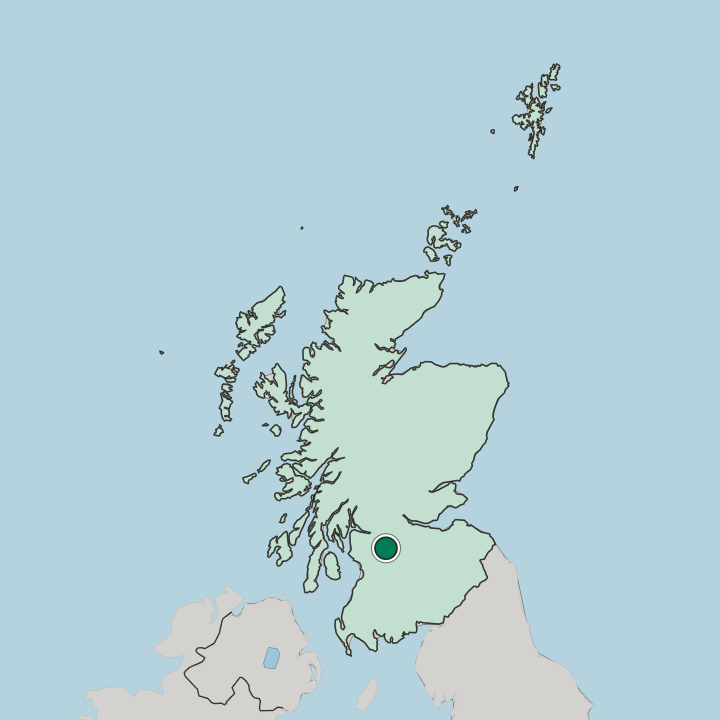
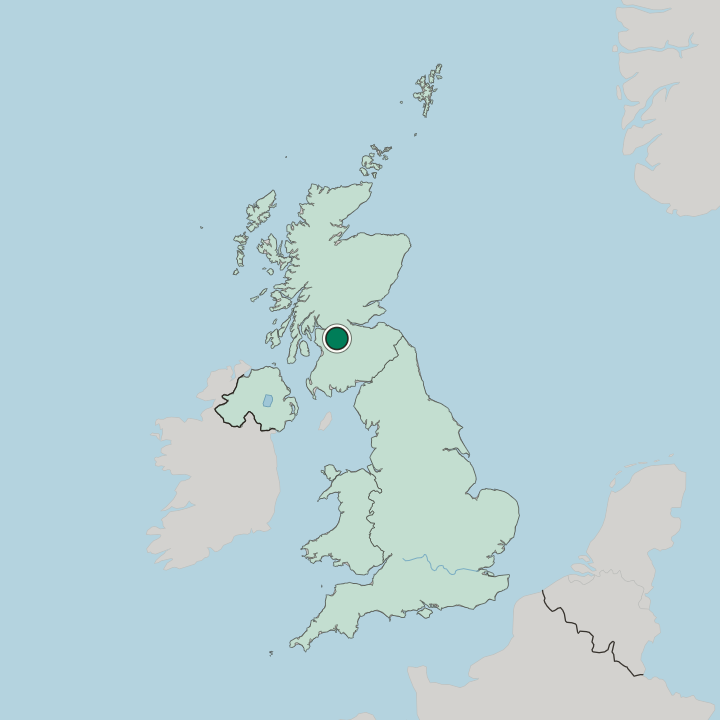
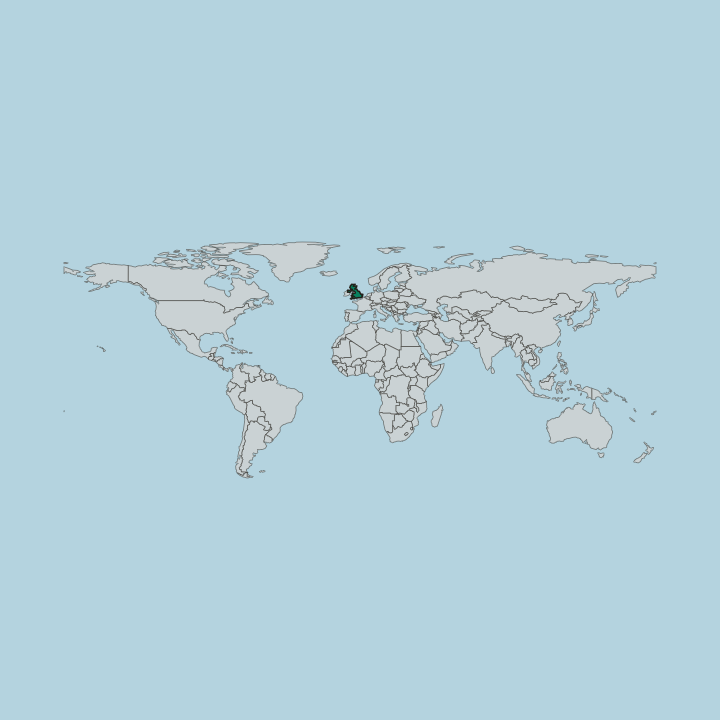
The town sits on a raised plateau to the south of the Cathkin Braes, about eight miles southeast of Glasgow. East Renfrewshire is close. That boundary runs near the edge of the built-up area, and South Lanarkshire holds the rest, with Calderglen Zoo and the country around Newhousemill, East Kilbride giving the plateau its green breaks.
Height keeps it apart from the city.
What is the climate of East Kilbride?
The plateau does the work here. Raised ground tends to make the town cooler and wetter than Glasgow eight miles off, and the Cathkin Braes take the weather before it arrives. Rain is year-round rather than seasonal, and the temperate band holds both ends of the year inside narrow limits.
Winter afternoons end early.
How do you get to East Kilbride?
Glasgow is eight miles off. The run from the city climbs onto the plateau, and the boundary with East Renfrewshire sits close enough that an approach from that side crosses it without much notice. Street names carry the record.
Markethill Road, Calderwood Road, West Mains Road, and Montgomery Street appear in the listed-building register as much as they do on signposts, which is a fair guide to how the town is put together.
Common questions
What is the best area to stay in East Kilbride?
The planned centre: Walk-everywhere stays with Hunter House Museum close by. Montgomery Street and the old village: Evenings by Old Parish Church, Montgomery Street, East Kilbride. The Calderglen side: Family days built around Calderglen Zoo. West Mains: Nights between Mains Castle and West Kirk, West Mains Road, East Kilbride. Out by the rural museum: Farm-museum mornings at the National Museum of Rural Life.
Good for
More cities in Scotland
Updated October 2026