United Kingdom · Scotland
Where to Stay in Cumbernauld, Scotland
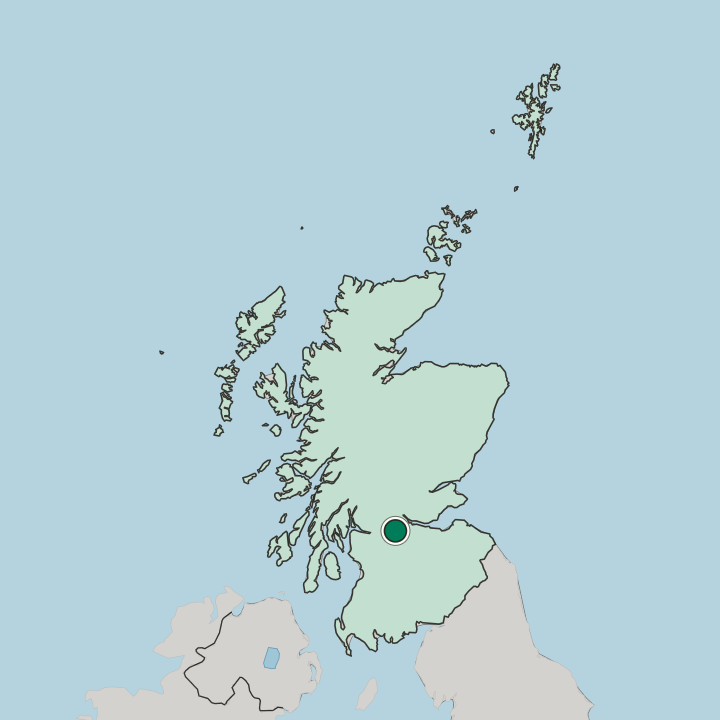
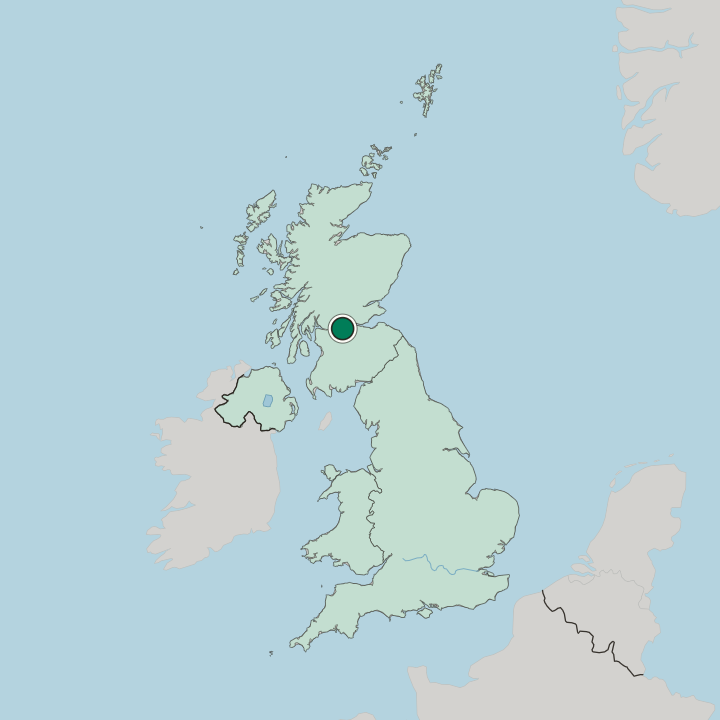
Cumbernauld is a New Town in North Lanarkshire, thirteen miles northeast of Glasgow. The Romans got here first.
Hotel links are affiliate links: booking through them may earn us a commission, at no extra cost to you. It never affects how places are ranked. How this works


Where to stay in Cumbernauld
The right area depends on your trip — here's what each neighbourhood is best for.

 CumbernauldUnited Kingdom
Condorrat
A former village drawn into the new town of Cumbernauld, Condorrat keeps some character of its own in North Lanarkshire, Scotland.Where to stay → CumbernauldUnited Kingdom
Abronhill
Cumbernauld gathers Abronhill among its districts in Scotland, alongside Condorrat and the old village with its castle and house.Where to stay →Hotel links are affiliate links: booking through them may earn us a commission, at no extra cost to you. It never affects how places are ranked. How this works
Find hotels in Cumbernauld
Direct booking searches for these neighbourhoods.
Cumbernauld Village
Cumbernauld Village keeps the Old Parish Church at Baronhill, the United Free Kirk on The Wynd and Cumbernauld House, all of it pre-dating the New Town plan. Beds are limited here, so book early.Find hotels in Cumbernauld VillageShort stops needing the Cumbernauld Museum and St Mungo's Road within a walkNew Town centre
The purpose-built centre gathers the shopping decks, the Cumbernauld Museum and St Mungo's Church on St Mungo's Road into the one block of the town designed to be walkedFind hotels in New Town centrePlain, quiet nights beside Kildrum Parish Church on Clouden RoadKildrum
Kildrum is one of the planned residential districts, with its parish church on Clouden Road and the Sacred Heart church and presbytery serving the same streets. Lodging is scarce in this area; reserve in advance.Find hotels in KildrumFairway-and-fields stays near Stanley House on Victoria Road and the Roman fortDullatur and Westerwood
Dullatur holds Stanley House on Victoria Road and Westerwood carries the Roman fort of the same name, which puts open ground rather than concrete outside the window. Rooms are few around here — worth securing early.Find hotels in Dullatur and WesterwoodWalkers drawn to the Alasdair Gray mural and the country toward the Campsie FellsPalacerigg
Palacerigg pairs its visitor centre and Alasdair Gray mural with the open land that runs out of Cumbernauld toward the Campsie Fells. Beds are limited here, so book early.Find hotels in PalaceriggHotel links are affiliate links: booking through them may earn us a commission, at no extra cost to you. It never affects how places are ranked. How this works
Things to do in Cumbernauld
Ranked by global recognition; descriptions from Wikidata (CC0).
Museums & Galleries
1- Cumbernauld Museum
Churches & Religious Sites
5- Sacred Heart Roman Catholic Church and Presbytery, Cumbernauld Heritage
- Cumbernauld Old Parish Church, Baronhill, Cumbernauld Village Heritage
- St Mungo's Church, St Mungo's Road, Cumbernauld Heritage
- Kildrum Parish Church, Clouden Road, Cumbernauld Heritage
- United Free Kirk, The Wynd, Cumbernauld Village Heritage
Castles & Historic Sites
2- Westerwood Roman fort Heritage
- Cumbernauld Castle
Landmarks & Notable Places
2- Cumbernauld House Heritage
- Stanley House, Victoria Road, Dullatur Heritage
worth knowingacross 4 categories in Cumbernauld
About Cumbernauld
Planning is the story.
What is Cumbernauld known for?
Cumbernauld was drawn up as a New Town with a purpose-built centre of concrete plazas and shopping decks, and that centre is what the name calls to mind for most people in Scotland, whatever they make of it. The old village survives beside it. Cumbernauld Old Parish Church, Baronhill, Cumbernauld Village and the United Free Kirk, The Wynd, Cumbernauld Village belong to the settlement the New Town was grafted onto.
Westerwood Roman fort predates the lot. The Alasdair Gray Mural, Palacerigg Visitor Centre gives the town its one piece of famous artwork.
What are the main landmarks in Cumbernauld?
Rome, then lairds, then planners. Westerwood Roman fort holds the earliest layer, Cumbernauld Castle and Cumbernauld House carry the centuries of the estate that followed, and the churches of the New Town mark the last stage of all. Kirks are plentiful.
Cumbernauld Old Parish Church, Baronhill, Cumbernauld Village, the United Free Kirk, The Wynd, Cumbernauld Village, St Mungo's Church, St Mungo's Road, Cumbernauld, Kildrum Parish Church, Clouden Road, Cumbernauld and the Sacred Heart Roman Catholic Church and Presbytery, Cumbernauld are spread between the old village and the planned districts. Cumbernauld Museum explains the sequence, and Stanley House, Victoria Road, Dullatur rounds out the listed buildings.
What is the history of Cumbernauld?
A Roman garrison held this ground before anyone drew a street plan for it, and Westerwood Roman fort survives as the physical evidence, sitting on the high line between the Forth and the Clyde that made the position worth holding in the first place. Estates came after the legions. Cumbernauld Castle and then Cumbernauld House stood at the head of the lands around the old village, and Cumbernauld Old Parish Church, Baronhill, Cumbernauld Village served the people who worked them.
Dunbartonshire was the county then. The New Town changed the scale of everything. Planners set out to draw households from Glasgow to relieve the pressure on Scotland's largest city, and the districts that followed, Kildrum among them, were built as complete units with their own churches, of which Kildrum Parish Church, Clouden Road, Cumbernauld and the Sacred Heart Roman Catholic Church and Presbytery, Cumbernauld are two.
St Mungo's Church, St Mungo's Road, Cumbernauld belongs to that wave as well. Administration moved with the times, and the town now answers to North Lanarkshire rather than to the historic county. Cumbernauld Museum keeps the whole sequence, from the fort at Westerwood through the estate at Dullatur to the concrete centre, and the Alasdair Gray Mural, Palacerigg Visitor Centre is the artistic footnote to it.
Where is Cumbernauld?
Cumbernauld stands on the Scottish watershed, the divide where water chooses between the Forth on one side and the Clyde on the other, which puts the town at the middle of the Central Belt in the most literal sense available. Height comes with that. Glasgow lies thirteen miles away on the Clydeside flank, North Lanarkshire holds the town administratively, and open country runs north toward the Campsie Fells past Dullatur, Westerwood and Palacerigg.
Salt water lies far off on either side.
What is the climate of Cumbernauld?
Watershed ground is exposed ground. Cumbernauld sits high enough on the divide between the Forth and the Clyde that weather crossing the Central Belt arrives with nothing much in the way, and cloud that clears Glasgow can still be sitting on the town. Wind favours the indoor list.
Cumbernauld Museum and the sheltered walk under the Alasdair Gray Mural hold up on a poor day, while the country toward the Campsie Fells wants a good one.
How do you get to Cumbernauld?
Glasgow is the hinge. Thirteen miles separate the two, and because Cumbernauld sits northeast of that city on the main line of travel out of the Central Belt, a great many people meet the town as a stop on the way north rather than as a destination in itself. The Highlands pull traffic through.
Arrivals aiming only at the town itself steer for the New Town centre, while Dullatur, Westerwood and Palacerigg need a car on the roads out of North Lanarkshire.
Common questions
What is the best area to stay in Cumbernauld?
Cumbernauld Village: Guests who want the old kirk at Baronhill and Cumbernauld House instead of the decks. New Town centre: Short stops needing the Cumbernauld Museum and St Mungo's Road within a walk. Kildrum: Plain, quiet nights beside Kildrum Parish Church on Clouden Road. Dullatur and Westerwood: Fairway-and-fields stays near Stanley House on Victoria Road and the Roman fort. Palacerigg: Walkers drawn to the Alasdair Gray mural and the country toward the Campsie Fells.
Good for
More cities in Scotland
Updated September 2026