Indonesia
Provinsi Maluku, Indonesia — Towns & Travel Guide
Maluku is Indonesia's original Spice Islands, an archipelago of more than 600 islands scattered across the Banda Sea, its capital at Ambon.
Hotel links are affiliate links: booking through them may earn us a commission, at no extra cost to you. It never affects how places are ranked. How this works


Towns & cities in Provinsi Maluku
One town here has its own guide — it links to where to stay.

 Indonesia
Ambon
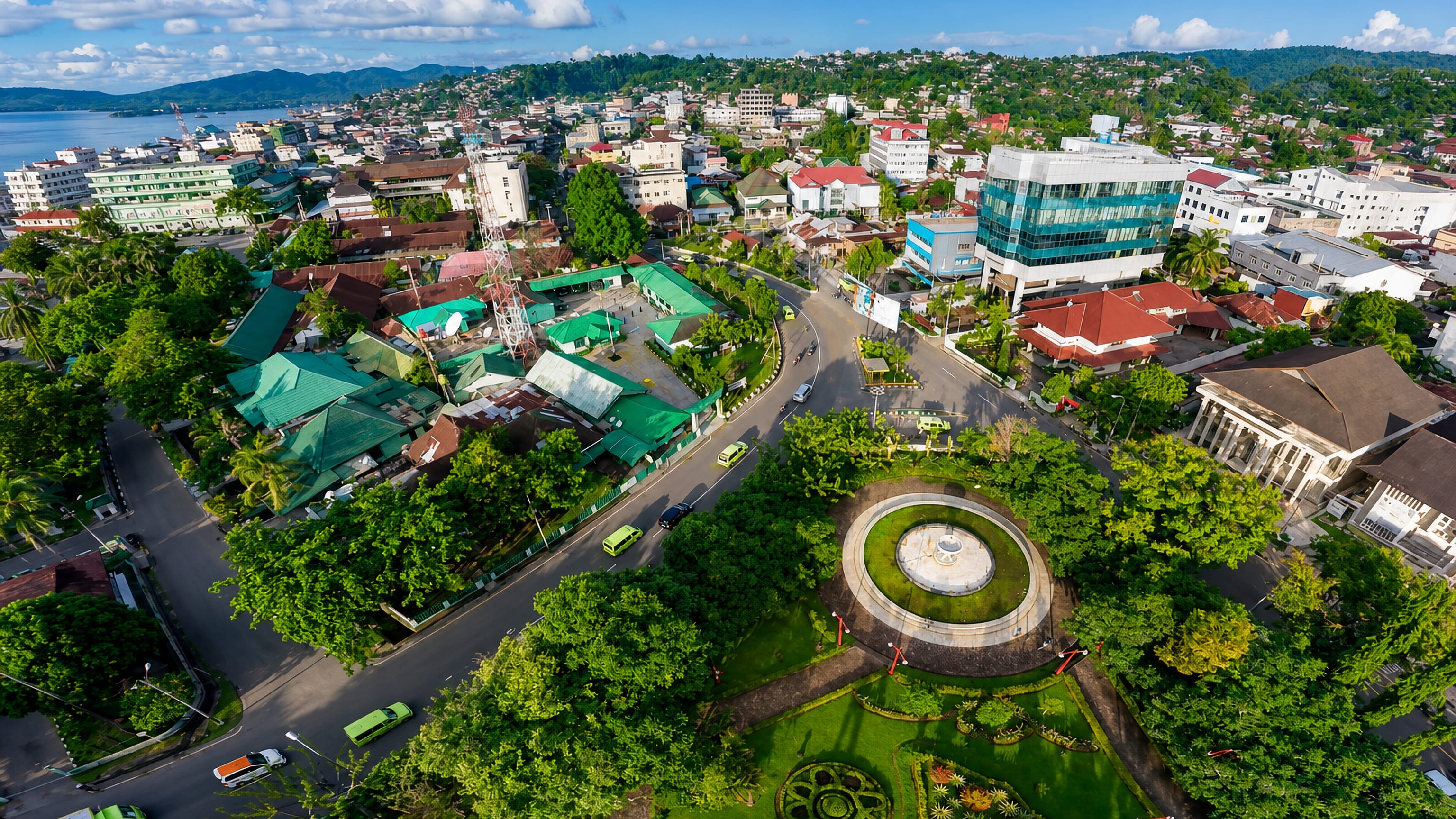
Ambon is the capital of Maluku in eastern Indonesia, the chief city of the old Spice Islands, set on a deep bay of the Banda Sea.Where to stay →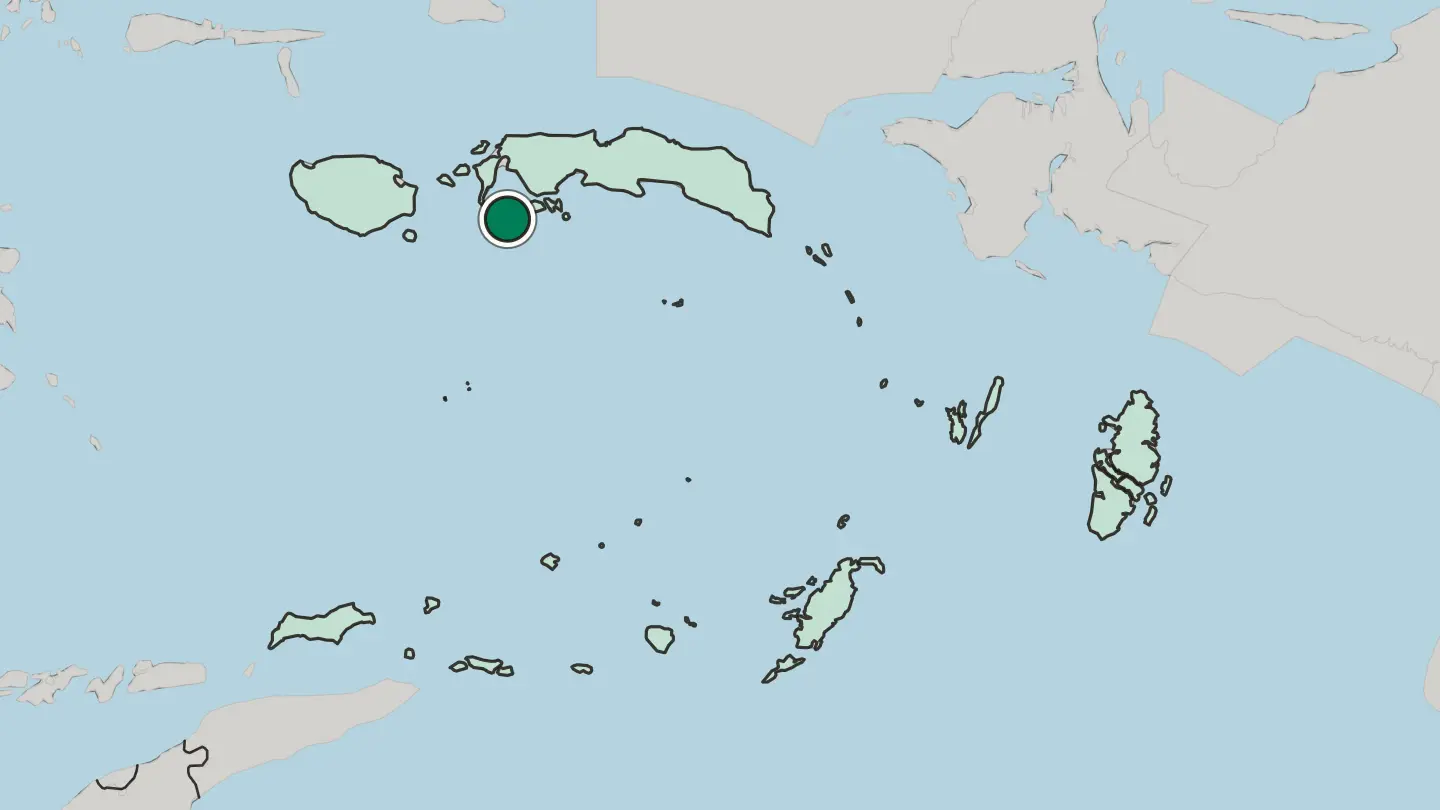
Hotel links are affiliate links: booking through them may earn us a commission, at no extra cost to you. It never affects how places are ranked. How this works
About Provinsi Maluku
Maluku is the heart of the old Spice Islands.
What is Provinsi Maluku known for?
Cloves and nutmeg drew the Portuguese, then the Dutch, who fought for a monopoly the Banda Islands alone could supply. The province gathers more than 600 islands around the Banda Sea, from mountainous Seram in the north to the volcanic Banda Islands in the south. Ambon is the capital and main city.
Divers come for the reefs and wrecks in Ambon Bay, while the far southeast draws travellers to the white sand of the Kei Islands. Spice history is the thread that ties it together.
Where is Provinsi Maluku?
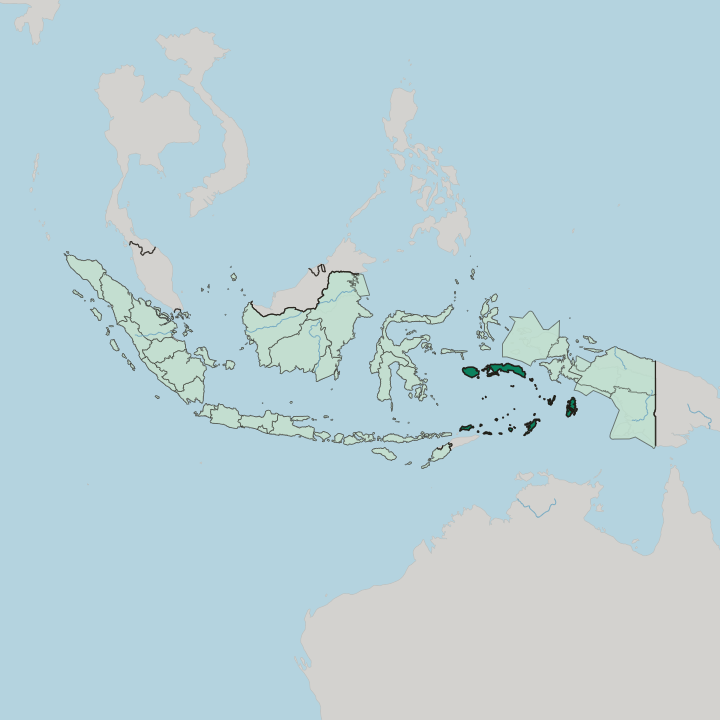
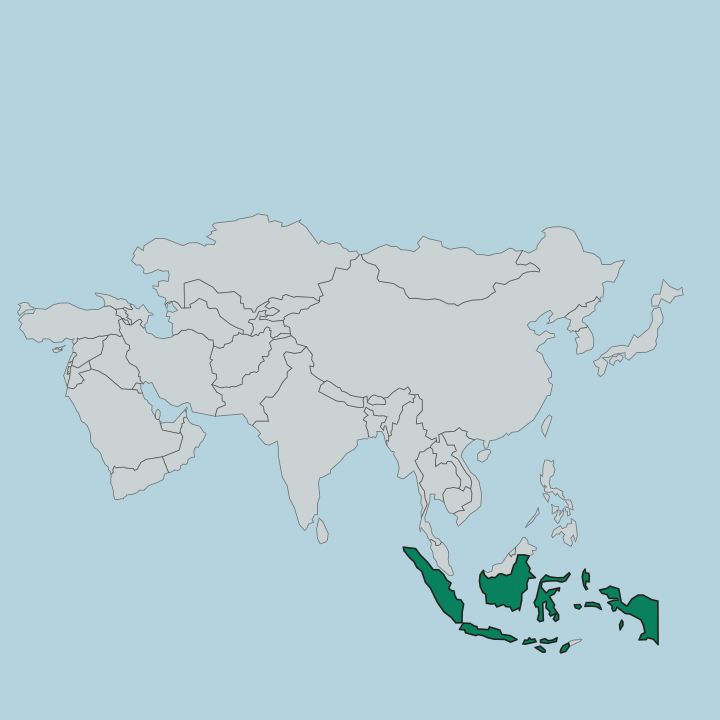
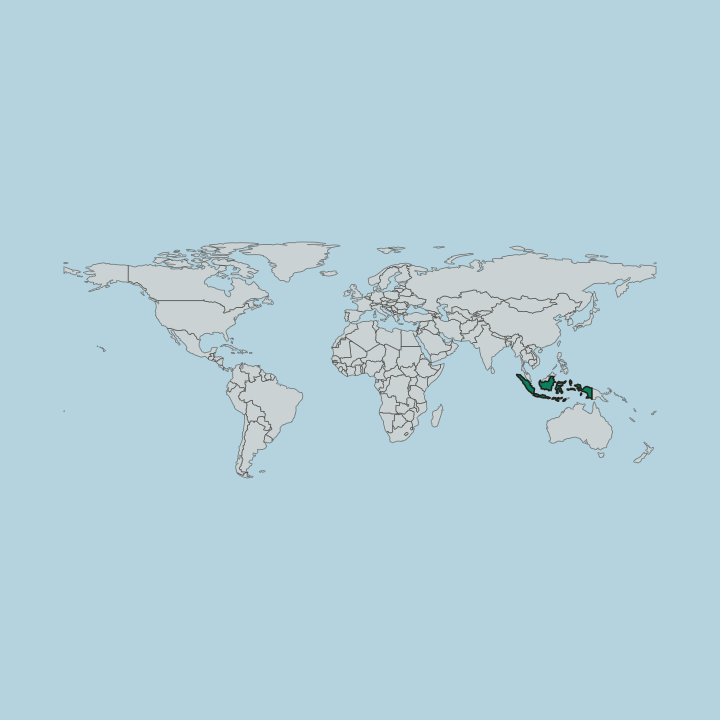
Maluku fills the southern and central Maluku Islands, the archipelago that older maps called the Moluccas. It lies in eastern Indonesia, east of Sulawesi and west of the great island of New Guinea. More than 600 islands make up the province.
They ring the deep Banda Sea, which the land almost encloses. Seram is the largest by far, a long mountainous island whose interior rises to the forests and peaks of Manusela. Ambon, the capital, sits on a much smaller island close off Seram's southwest coast, wrapped around the deep inlet of Ambon Bay.
Buru lies to the west across the water, the third of the big islands. The seas define the province as much as the land. The Seram Sea washes the northern shores, the Banda Sea fills the centre, and the Arafura Sea spreads shallow and wide toward Australia in the south.
Far to the southeast, the Kei, Aru and Tanimbar groups scatter toward New Guinea and the Arafura shallows. The Banda Islands are the smallest and most storied, ten volcanic specks whose soil once grew every nutmeg in the world. Distances here are oceanic.
Between the far groups there is no road at all, so boats and small aircraft carry nearly everyone who crosses from one island to the next.
What is Provinsi Maluku like?
Two languages carry daily life. Indonesian is official, but the streets of Ambon run on Ambonese Malay, a creole knitted from Portuguese, Dutch and local words during the spice centuries. The province is split almost evenly between Protestant Christians and Muslims, and villages are often bound across that line by pela gandong, old pacts of mutual aid that survive from before the colonial era.
That balance broke into open conflict around Ambon at the turn of the millennium, then slowly healed. Music is the province's proudest export. Maluku's choirs and singers are known across Indonesia, and a guitar seems to sit in every front room.
Food leans on sago rather than rice. The starch is pounded from palm trunks into papeda, a clear porridge eaten with yellow fish soup thick with turmeric and lime. Nutmeg and clove, the spices that made these islands, still turn up in the kitchen and in sweets sold around Banda.
In Maluku, the sea keeps the calendar. Fishing villages on Seram and the Kei Islands still practice sasi, a customary ban that closes a reef or a grove until it has recovered. It is conservation older than the word.
What is the history of Provinsi Maluku?
The lure was spice. Portuguese ships reached these islands in 1512, chasing cloves and the nutmeg that grew only on Banda. The Dutch East India Company seized the trade a century later, and in 1621 it depopulated the Banda Islands to hold the monopoly by force.
Resistance ran long. On Saparua in 1817, Thomas Matulessy, remembered as Pattimura, led an armed revolt against Dutch rule before he was hanged at Ambon. The modern province of Maluku was formed in 1958, and its northern islands split away as North Maluku in 1999.
What is the climate of Provinsi Maluku?
Maluku is wet and warm the year round. It sits in the deep tropics, and the surrounding seas keep the air humid and the temperature steady from month to month. There is no true dry season.
What sets Ambon apart is timing: its heaviest rain falls around the middle of the year, when the southeast monsoon drives moisture off the Banda Sea, the reverse of the pattern over Java and Bali. Downpours are sudden and brief. The islands stay green throughout.
How do you get to Provinsi Maluku?
Almost everyone flies into Ambon. Pattimura Airport, on the edge of the city, takes the jets from Jakarta and Makassar that connect Maluku to the rest of Indonesia. From there the islands unspool by sea and small plane.
Pelni passenger ships call at the ports on their long eastern loops, and light aircraft hop to airstrips on Banda, Seram and the Kei Islands. There is no bridge between the groups. Water or air, always.
Common questions
What is the best area to stay in Provinsi Maluku?
Ambon: a first base in Maluku. The Banda Islands: spice history and reef diving. Seram: rainforest trekking. The Kei Islands: quiet beaches.
Good for
More regions in Indonesia
Updated September 2026