Indonesia
Banten, Indonesia — Towns & Travel Guide
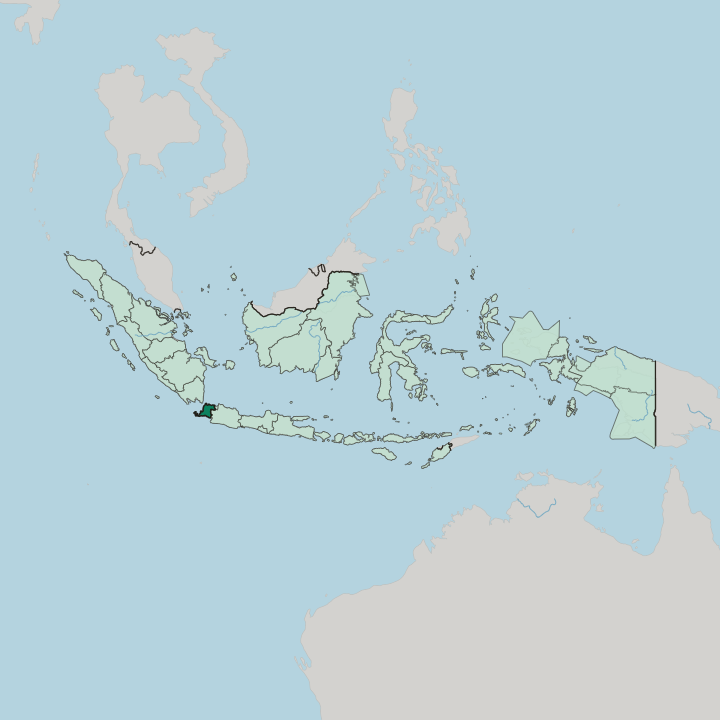
Banten is the westernmost province of Java in Indonesia, edged by the Sunda Strait and Krakatoa, with Tangerang fronting Jakarta.
Hotel links are affiliate links: booking through them may earn us a commission, at no extra cost to you. It never affects how places are ranked. How this works


Towns & cities in Banten
Pick a town or city — each links to where to stay.

 Indonesia
Tangerang
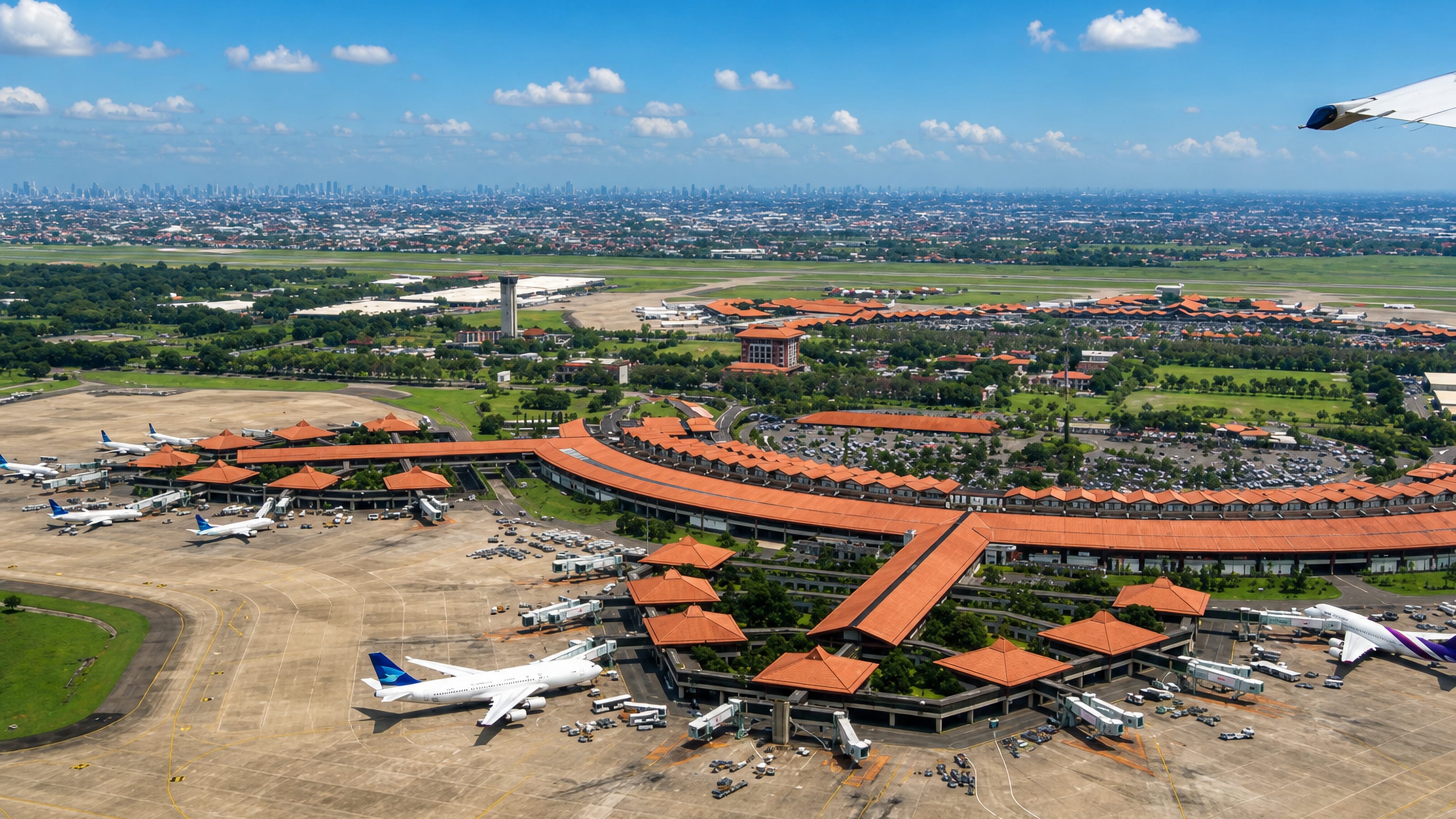
Tangerang is a city in Banten on the western border of Jakarta, holding Soekarno-Hatta International Airport and the Benteng Heritage Museum.Where to stay →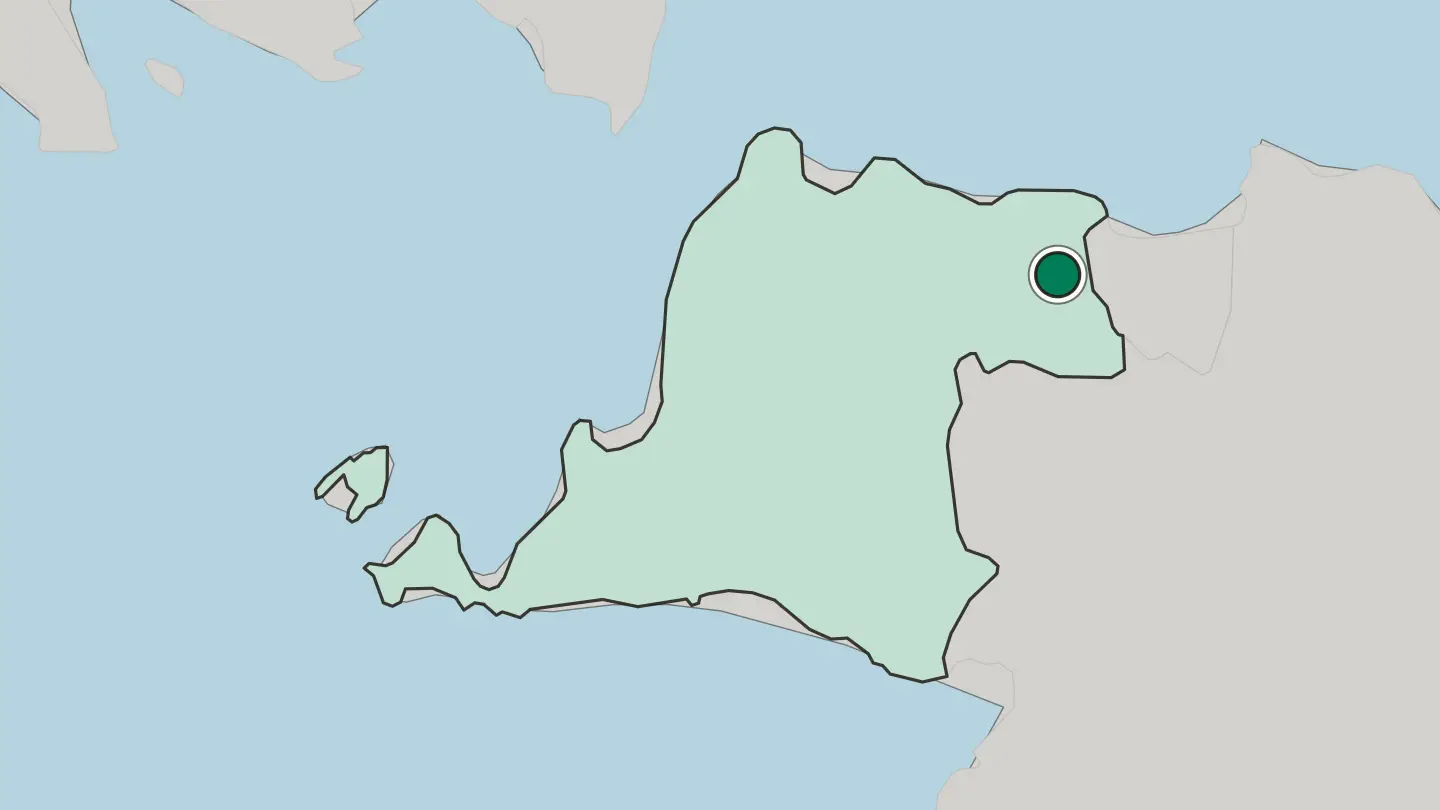
 Indonesia
South Tangerang
South Tangerang, or Tangsel, is a city in Banten on the southwestern border of Jakarta, built from Serpong, Ciputat, Pamulang and BSD City.Where to stay →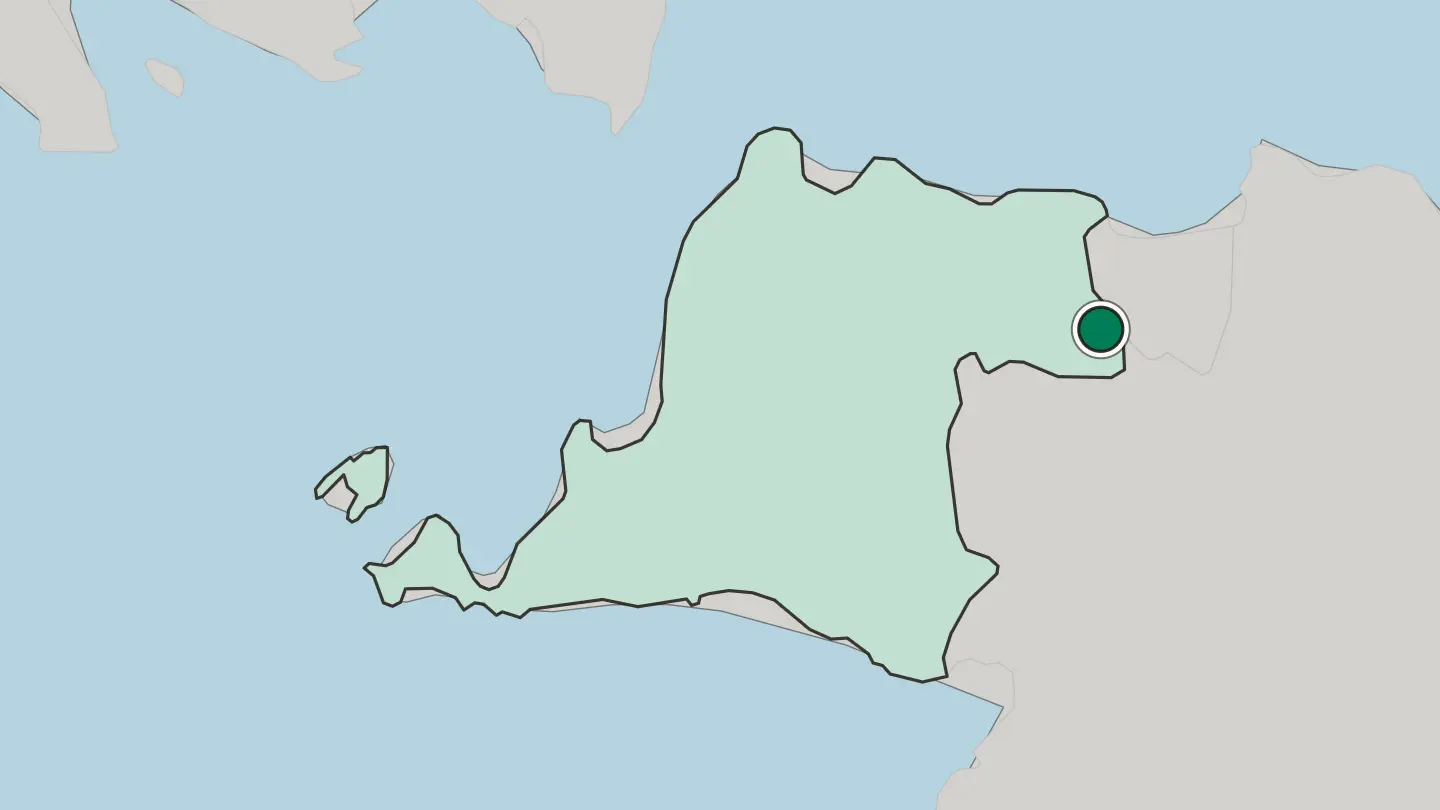 Indonesia
Serang
Serang is the capital of Banten province in Indonesia, a museum city on Java with the Old Banten site and Banten Bay along its northern edge.Where to stay →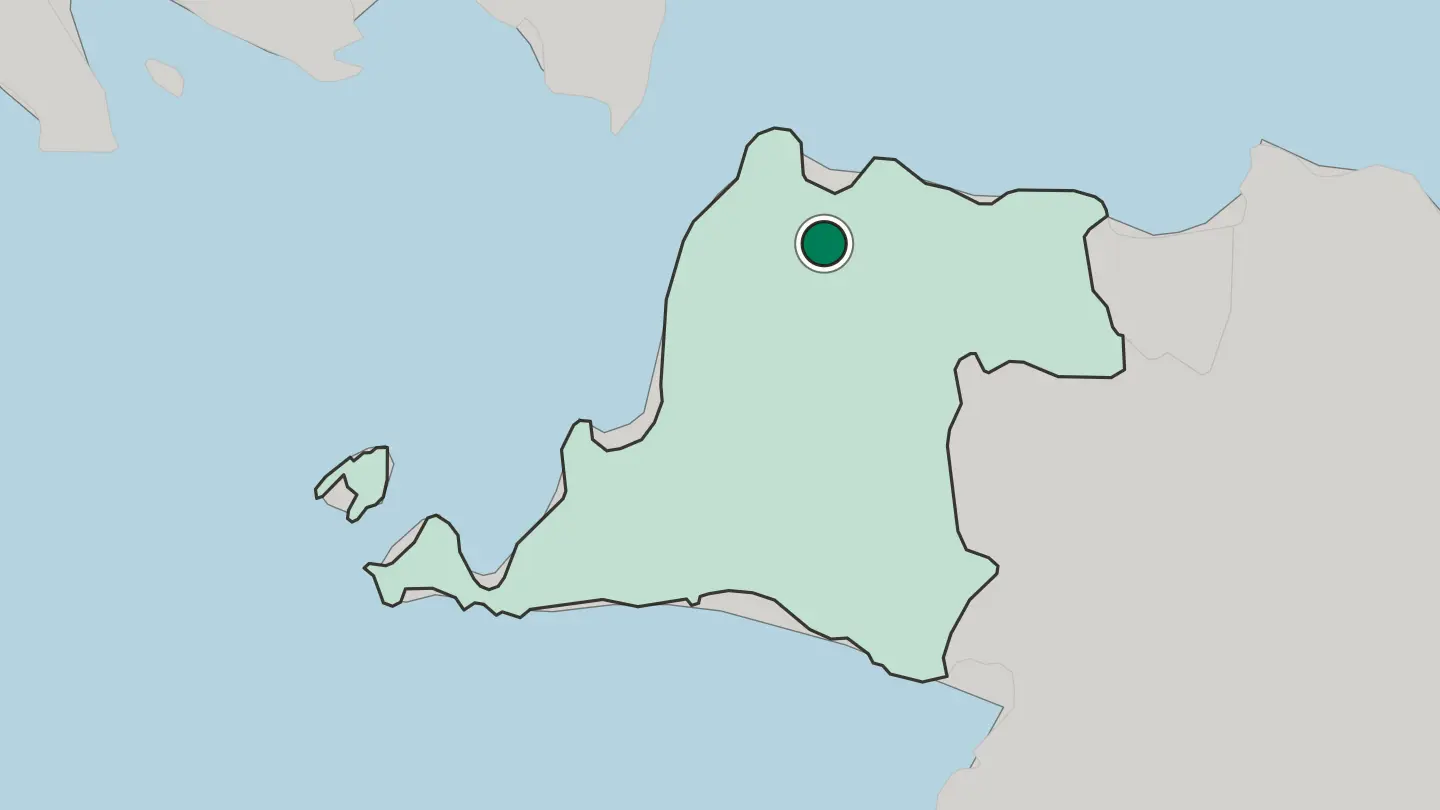 Indonesia
Cilegon
Cilegon is a steel and shipyard city on the west coast of Banten, Indonesia, between the port of Merak and the beach town of Anyer.Where to stay →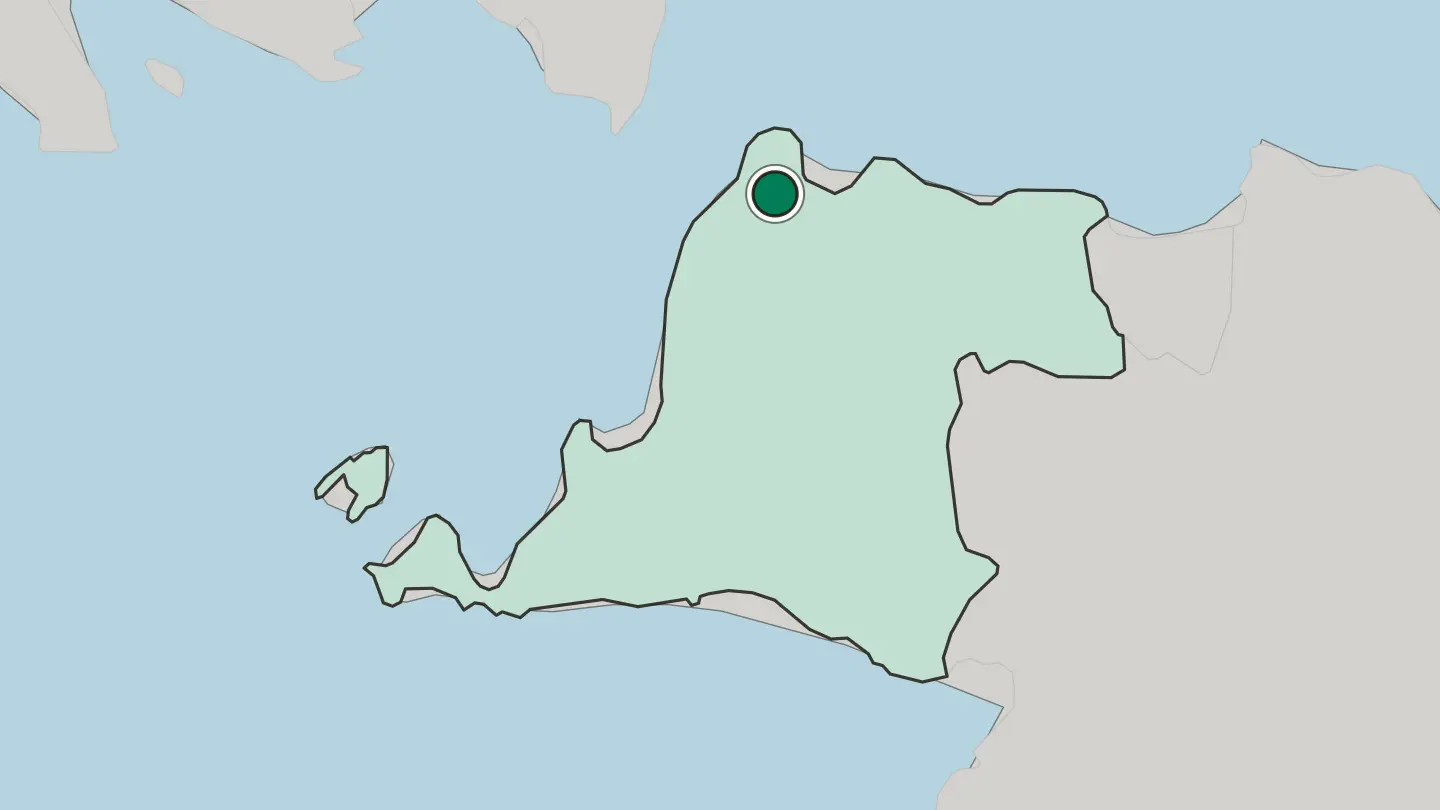
Hotel links are affiliate links: booking through them may earn us a commission, at no extra cost to you. It never affects how places are ranked. How this works
About Banten
What is Banten known for?
Banten fills the western end of Java, the point where the island tapers toward Sumatra across the Sunda Strait. The strait is its signature. Krakatoa and its restless successor Anak Krakatau still smoke offshore, the same volcanic cluster whose 1883 eruption was heard nearly five thousand kilometres away.
At the province's south-western tip, Ujung Kulon National Park guards the last wild Javan rhinoceros. Tangerang and Cilegon anchor its industry. Serang holds the old Sultanate seat.
Where is Banten?
Banten occupies the far western end of Java, the last Indonesian province before the island runs out into the sea. Three different waters wrap it. The Java Sea lies along the north coast, the Indian Ocean rolls against the south, and to the west the Sunda Strait divides Java from Sumatra, carrying a maritime border with the province of Lampung.
Only its eastern side is land, shared with West Java, from which Banten was carved in 2000, and with the capital region of Jakarta. The land itself tilts. Flat alluvial plains spread across the north around Serang and Tangerang, then rise through rolling hills in the middle of the province to a spine of volcanic mountains in the west and south-east.
Mount Karang stands over the Pandeglang lowlands. Southward the country turns wild, and the rainforest of Ujung Kulon covers the blunt peninsula at Java's south-western corner, the last land before the open Indian Ocean. Out in the strait sit the Krakatoa islands, the caldera left by the 1883 blast and the young cone of Anak Krakatau that grew inside it.
Rivers such as the Ciujung drain the interior north to the Java Sea. Banten is a short province to cross. From the factory suburbs backing onto Jakarta to the rhino forest is barely the width of one province.
What is Banten like?
Banten wears its Islam plainly. The province grew out of a sultanate that made Old Banten one of the great Muslim ports of the archipelago, and its people are known across Java as devout, with the Sultanate tombs at Old Banten still drawing pilgrims to the Great Mosque. Debus is the local signature.
In this Bantenese folk art, performers pierce themselves with skewers and press blades to their skin unharmed, a display tied to Sufi brotherhoods and an old belief in invulnerability. Most people here are Sundanese and speak a blunt Banten dialect of the Sundanese language, though Indonesian carries daily business and a Betawi-flavoured speech takes over toward Jakarta. Not everyone followed the sultans into Islam.
In the forested hills of Lebak the Baduy keep the older Sunda Wiwitan faith, refusing cars, electricity and shoes, and rationing outsiders to the outer villages. Along the north coast the mix thickens. Tangerang holds the Cina Benteng, a Chinese community rooted here for centuries and woven into the town's food and temples.
Craft runs to woven Baduy cloth and palm-sugar sweets. Between the santri towns of the coast and the animist clans of the interior, Banten holds two religious worlds at once.
What is the history of Banten?
Banten's story is the Sultanate's story. In the 16th century Sunan Gunungjati took the Hindu port of Banten for Islam, and under his son Maulana Hasanuddin it became a sultanate whose pepper drew Dutch, English and Chinese traders to Old Banten. The Great Mosque rose in that boom.
The Dutch broke the sultanate's power and finally abolished it, and the silted harbour died. Banten spent the twentieth century inside West Java, until it was split off as a province of its own in 2000.
What is the climate of Banten?
Banten sits deep in the tropics, hot and humid the year through. Two seasons split the calendar. The wet monsoon blows in off the Java Sea from about November to April and soaks the province, heaviest over the western mountains around Mount Karang.
Drier months follow from May to October, when the Sunda Strait coast at Anyer draws its weekend crowds. The Indian Ocean south takes the bigger surf and the harder rain. Lowland Serang and Tangerang stay muggy; the hills breathe cooler.
How do you get to Banten?
Most arrivals never notice they have landed in Banten. Soekarno-Hatta, Indonesia's busiest airport, sits in Tangerang on the province's north-east edge, so nearly everyone flying into Java touches down here first. From Jakarta the commuter trains run west to Rangkasbitung, and the toll road drives straight across to the coast.
That road ends at Merak. From the Cilegon ferry port at Merak, boats cross the Sunda Strait to Bakauheni on Sumatra, the busiest sea link between the two islands.
Common questions
What is the best area to stay in Banten?
Tangerang: airport nights and the Jakarta commuter edge. The Sunda Strait coast: beach weekends facing Krakatoa. Serang: the old Sultanate capital and its ruins. Rangkasbitung: the Baduy country of inland Lebak.
Good for
More regions in Indonesia
Updated September 2026