Indonesia
North Maluku, Indonesia — Towns & Travel Guide
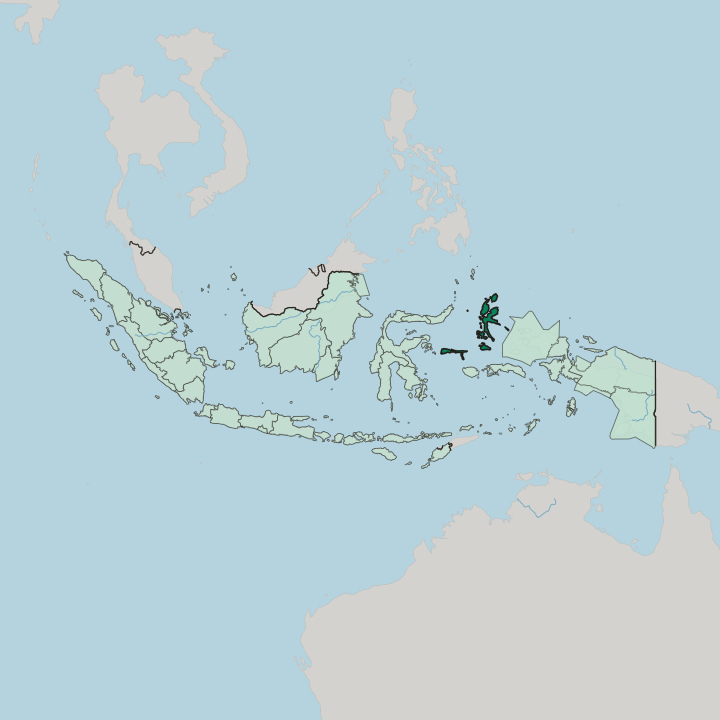
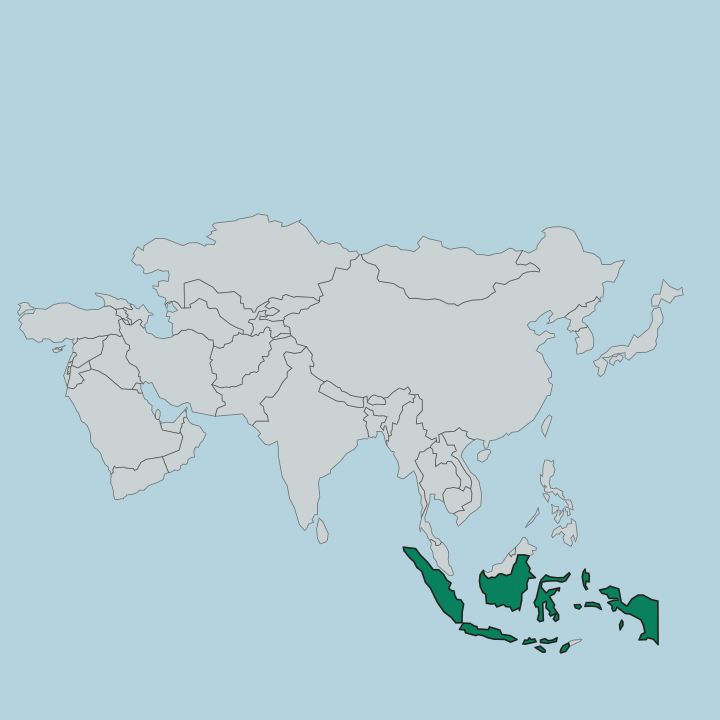
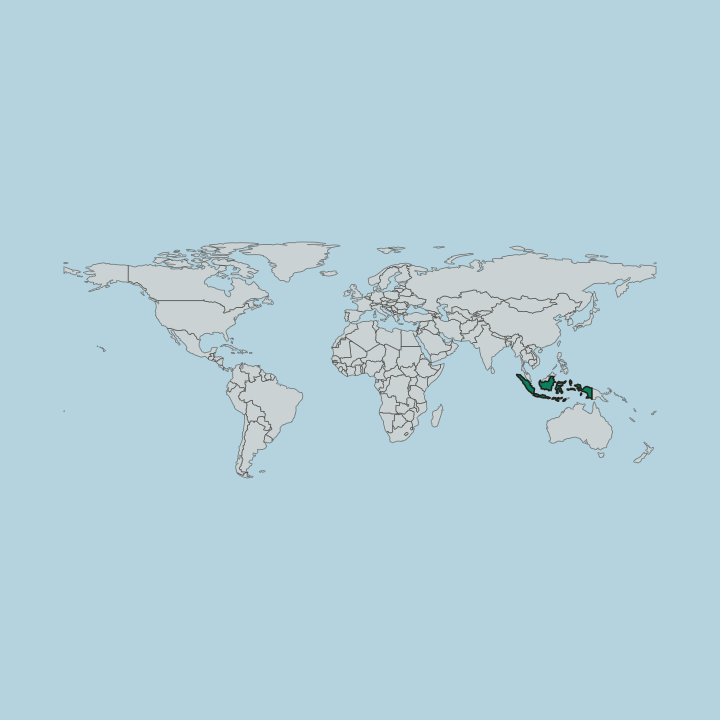
North Maluku is the northern half of Indonesia's Maluku Islands, the original Spice Islands, built around Halmahera, Ternate and Tidore.
Hotel links are affiliate links: booking through them may earn us a commission, at no extra cost to you. It never affects how places are ranked. How this works


Towns & cities in North Maluku
One town here has its own guide — it links to where to stay.
 Indonesia
Ternate
Ternate is the largest city of North Maluku, Indonesia, on the east shore of Ternate Island below Gunung Gamalama.Where to stay →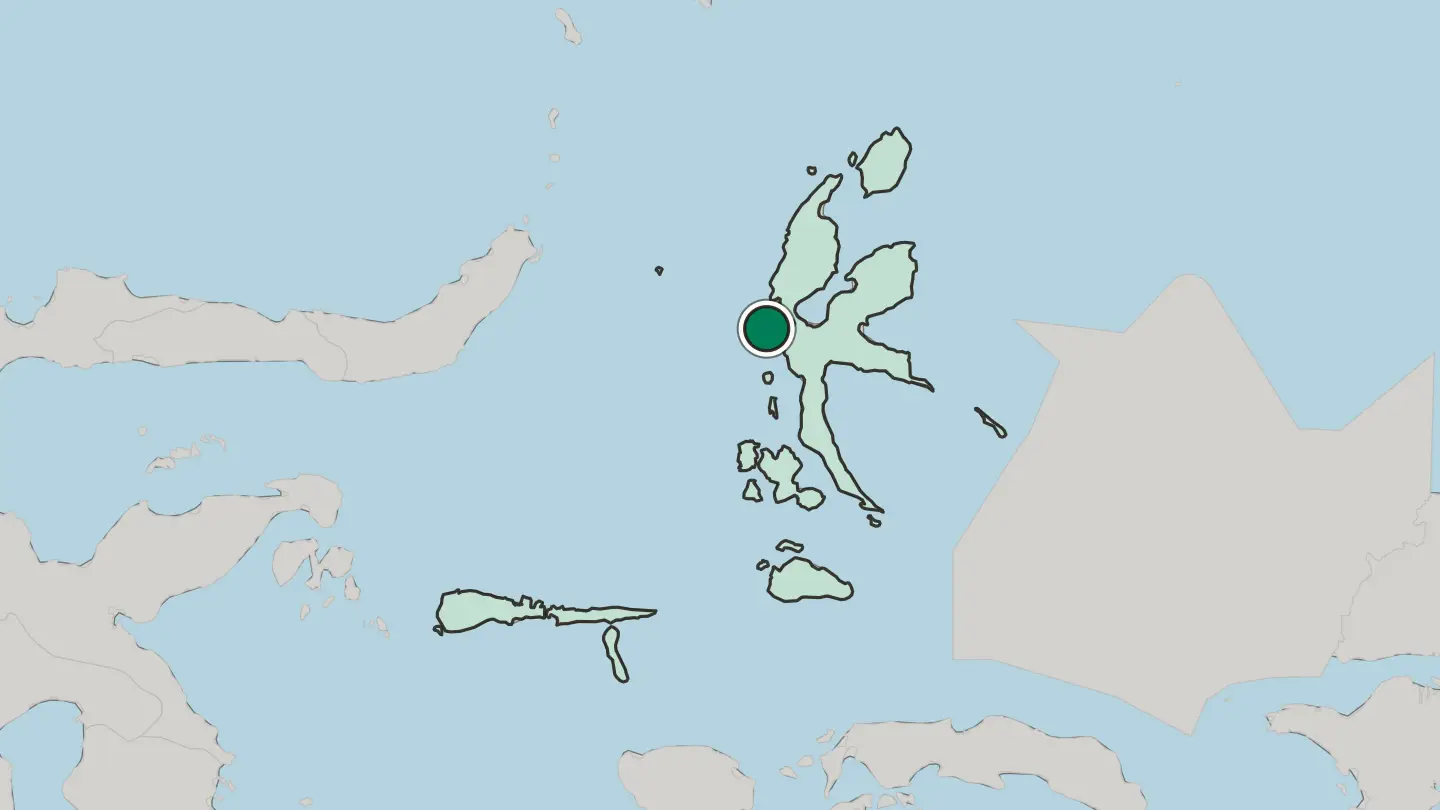
Hotel links are affiliate links: booking through them may earn us a commission, at no extra cost to you. It never affects how places are ranked. How this works
About North Maluku
Cloves and nutmeg made them famous.
What is North Maluku known for?
For centuries Ternate and Tidore were the world's only source of clove, and rival sultanates on the two volcanic cones grew wealthy taxing the trade that drew Portuguese, Spanish and Dutch fleets. Gamalama looms over Ternate town. Divers know Morotai for wrecks and reefs, and hikers climb the active cones that define almost every island here.
Where is North Maluku?
North Maluku fills the northern reach of the Maluku Islands, the eastern Indonesian arc long called the Spice Islands. Halmahera is the anchor. Its four-armed, K-shaped bulk is the largest island in the group, and off its western coast rise the small volcanic cones of Ternate and Tidore, each barely a few miles wide yet historically the most valuable ground here.
Sulawesi lies west across the Molucca Sea. The province of Maluku begins to the south beyond the Seram Sea. A string of regencies and two island cities make up the province.
Beyond the anchor islands, the sea shapes everything. The Halmahera Sea washes the eastern shores, the Pacific opens to the north, and the islands scatter over a wide stretch of ocean rather than clustering. Morotai sits off Halmahera's northern tip, the last big island before the open Pacific.
Far to the south-west lie the Sula Islands and, between them and Halmahera, the island of Bacan. The spread from the Sula group to Morotai runs for hundreds of miles of open sea. Ferries stitch it all together.
Sofifi, the small capital, stands on Halmahera's coast facing Ternate across the water.
What is North Maluku like?
Two sultanates still shape local identity. Ternate and Tidore have kept their courts since the medieval spice era, and the reigning sultans still hold ceremonial power from restored palaces, the Kedaton on Ternate and the Kadato Kie on Tidore, where old regalia and spice-trade heirlooms are stored. Islam came early.
It reached Ternate from Java in the late fifteenth century, and the province has stayed mostly Muslim ever since, with a Protestant Christian minority in the northern Halmahera districts. The people are strikingly mixed. Dozens of ethnic groups fall into two language families, Austronesian tongues toward the south and Papuan ones across northern Halmahera, so a short boat trip can change the everyday language entirely.
The Ternate language once served as the regional trade tongue, understood well beyond its home island. The old Sultan's Mosque still stands in Ternate town below Gamalama. Fishing, clove and nutmeg gardens, and sago still frame village life.
Markets sell reef fish and spice. Traditional music, the cakalele war dance and the sultans' festivals mark the calendar across Ternate, Tidore and the Sula Islands.
What is the history of North Maluku?
The spice wealth of Ternate and Tidore drew Europe east. Portugal reached Ternate in 1512 and built a fort, but the sultan's forces drove the Portuguese out in 1575 after a long siege, and the Dutch East India Company later bent both sultanates to its clove monopoly. Wars followed.
In 1944 American forces took Morotai as a stepping-stone airbase toward the Philippines, leaving wrecks still dived. North Maluku itself was carved from the older province of Maluku in 1999, and the capital soon shifted from Ternate to Sofifi on Halmahera.
What is the climate of North Maluku?
North Maluku sits on the equator, and its climate barely changes through the year. Heat and humidity are constant. Rain falls in every month, heaviest around the middle of the year when the wet months of April through June soak Halmahera and the smaller islands, while the drier stretch from October brings the steadiest days for diving off Morotai.
The surrounding seas stay warm. Storms build fast over Gamalama and the other cones, then clear.
How do you get to North Maluku?
Almost everyone arrives by air at Ternate. Sultan Babullah Airport, wedged between the sea and the slopes of Gamalama, takes daily flights from Manado on Sulawesi and longer hops from Jakarta and Makassar. From the city, boats do the rest.
Fast ferries cross to Tidore and over to Sofifi on Halmahera, while smaller craft reach Bacan and the Sula Islands. Morotai has its own airstrip for the far north.
Common questions
What is the best area to stay in North Maluku?
Ternate: a first base under the Gamalama volcano. Tidore: the quieter clove-sultanate island. Morotai: wartime beaches and diving in the far north. Halmahera: the forested interior of the big island.
Good for
More regions in Indonesia
Updated September 2026