Indonesia
Sumatera Selatan, Indonesia — Towns & Travel Guide
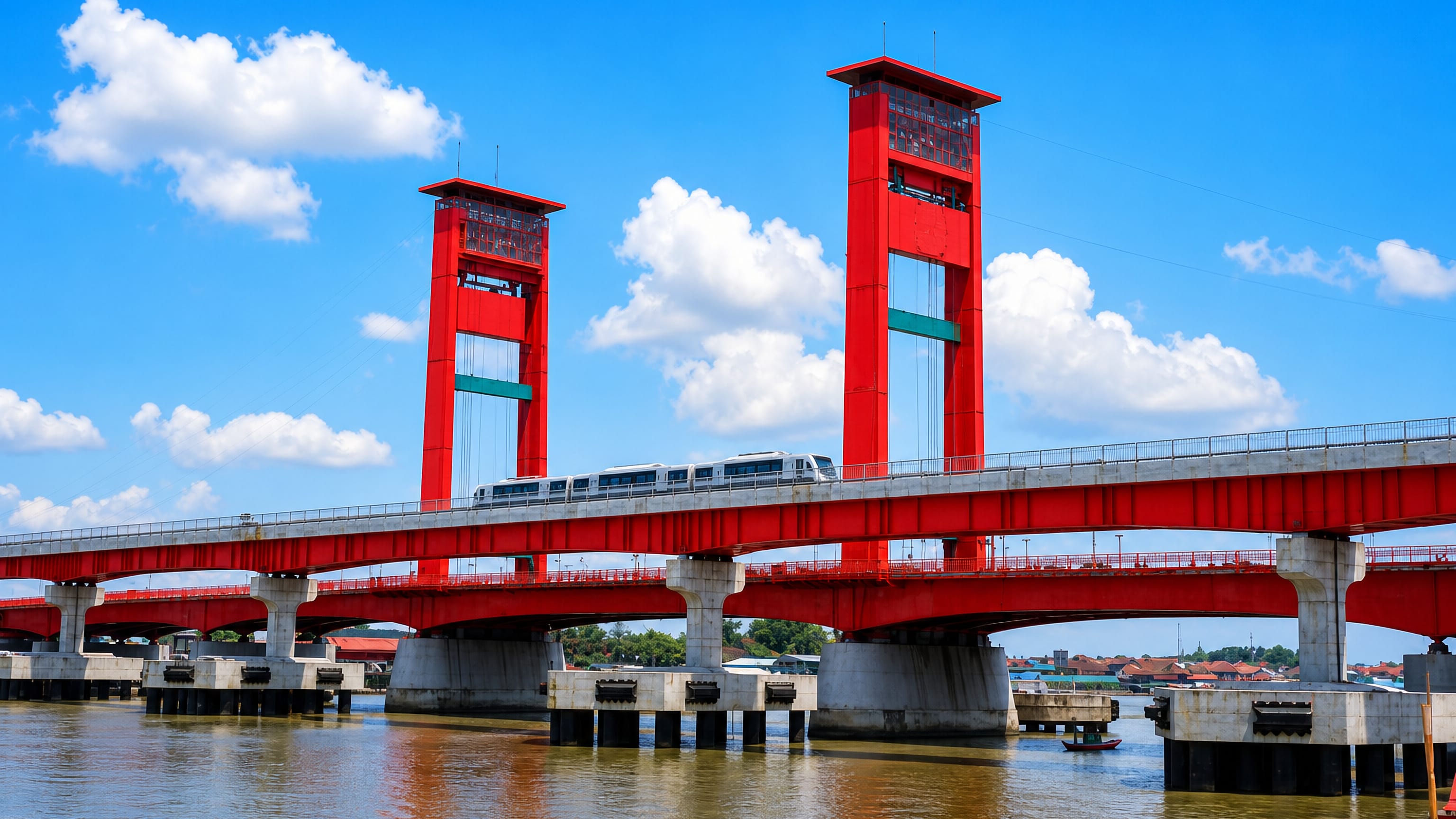
South Sumatra spreads across the southeast of Sumatra, its capital Palembang standing on the Musi River at the old heart of the Srivijaya empire.
Hotel links are affiliate links: booking through them may earn us a commission, at no extra cost to you. It never affects how places are ranked. How this works


Towns & cities in Sumatera Selatan
Pick a town or city — each links to where to stay.

 Indonesia
Palembang
Palembang is one of Indonesia's oldest cities, the old capital of the Srivijaya empire on the Musi River in South Sumatra.Where to stay →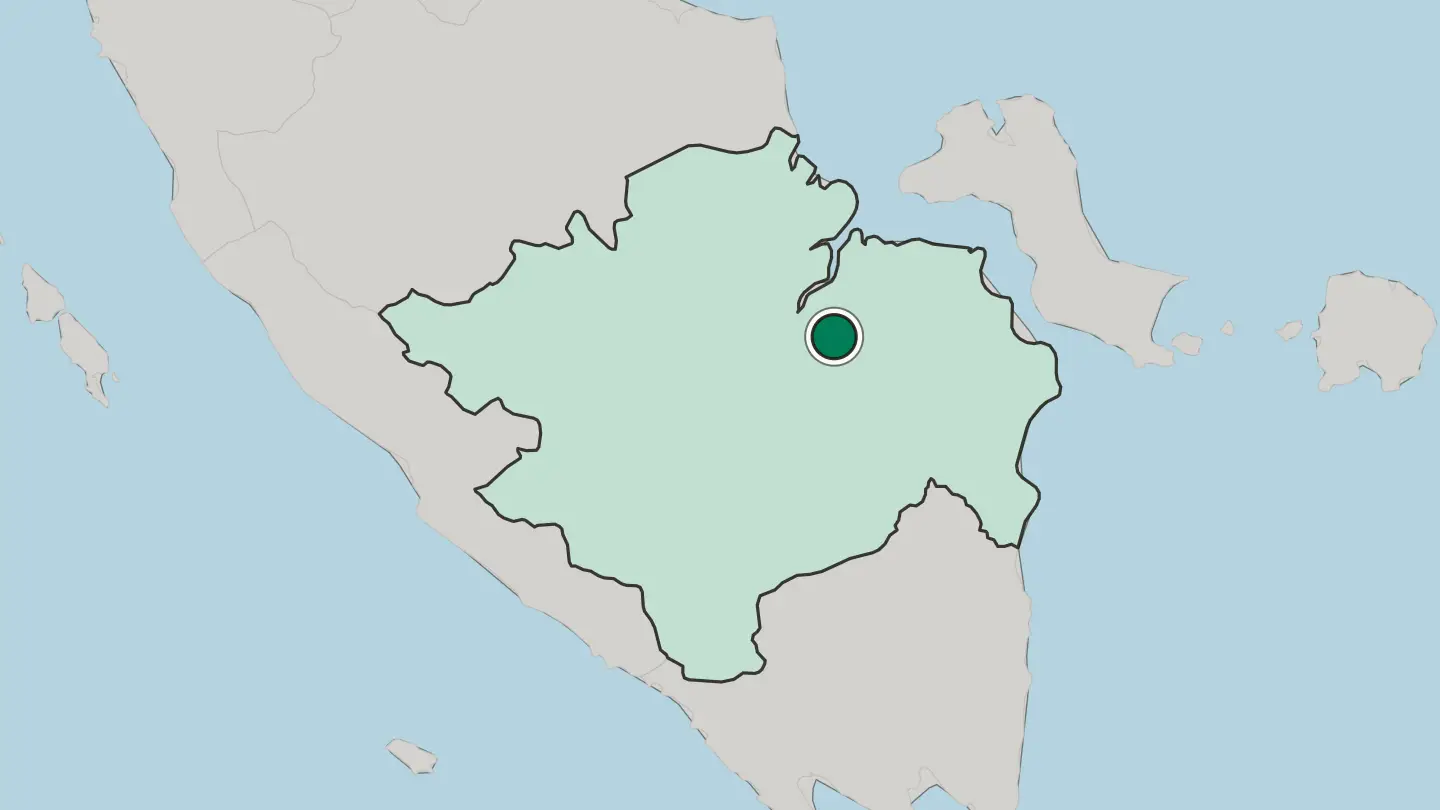
 Indonesia
Lubuklinggau
Lubuklinggau became a city in 2001, cut out of the Musi Rawas Regency, and stands as Kota Lubuk Linggau within Sumatera Selatan on Sumatra.Where to stay →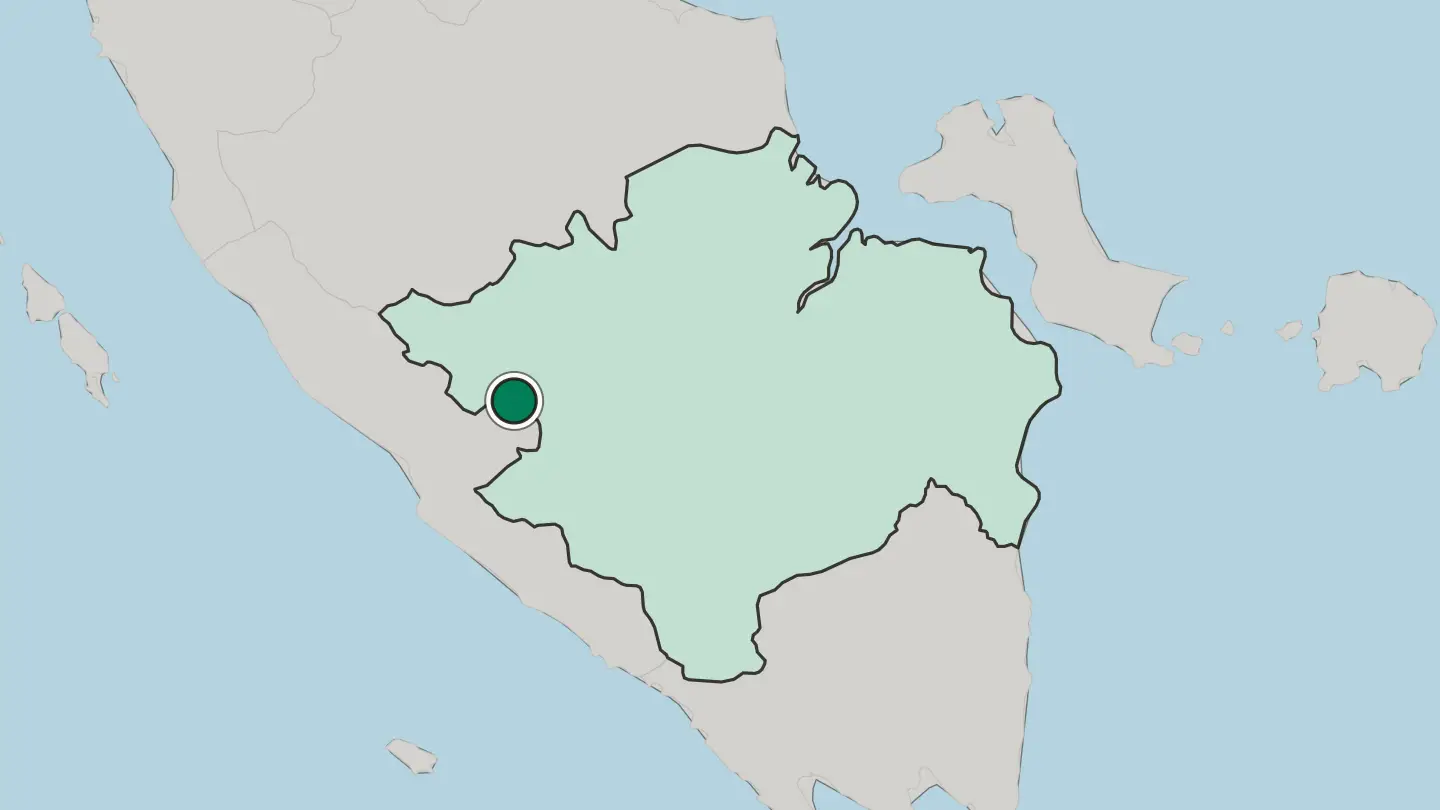
Hotel links are affiliate links: booking through them may earn us a commission, at no extra cost to you. It never affects how places are ranked. How this works
About Sumatera Selatan
What is Sumatera Selatan known for?
Palembang anchors the province, its capital and largest city. Its fame is old. For roughly six centuries the maritime empire of Srivijaya ruled Southeast Asian trade from these riverbanks, sending Buddhist pilgrims and gold downstream on the Musi River.
Pempek, a chewy fishcake served with dark vinegar sauce, is the dish the city gave Indonesia. Inland, the Barisan Mountains lift into tea country around Mount Dempo.
Where is Sumatera Selatan?
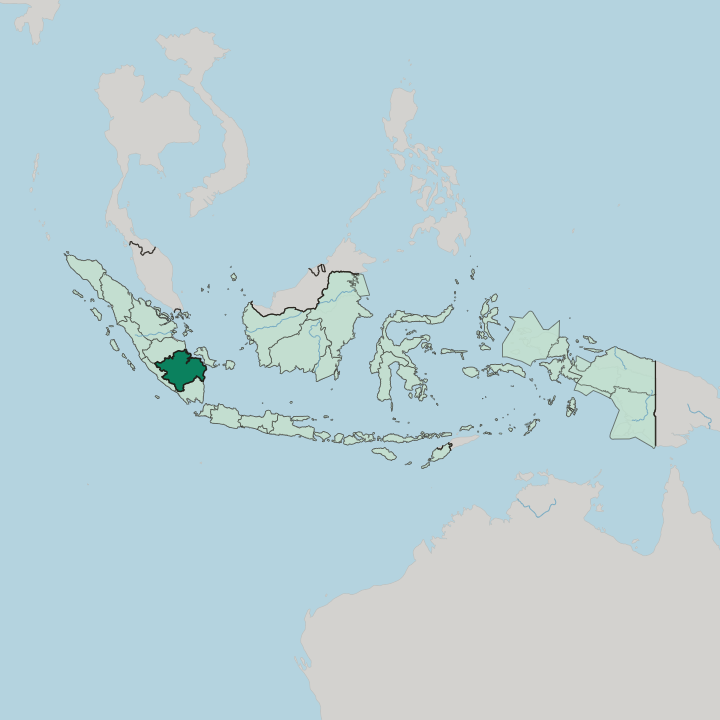
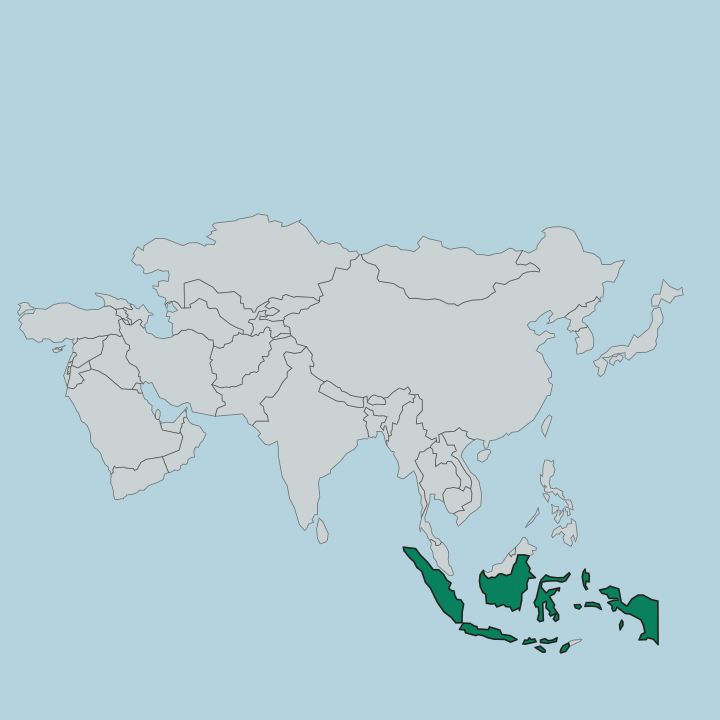
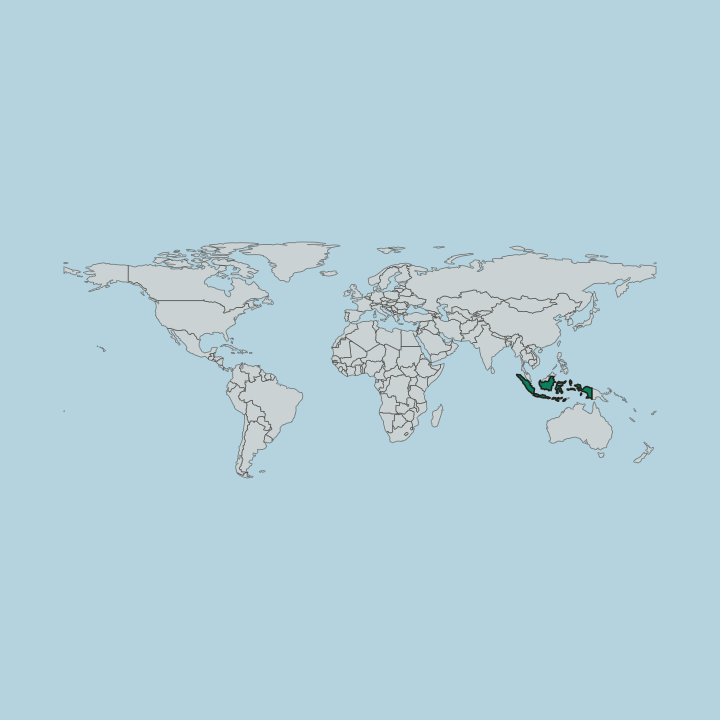
South Sumatra fills the southeastern quarter of Sumatra, the western anchor of Indonesia. It is the island's largest province. Jambi lies to the north, Bengkulu to the west, and Lampung to the south, while the Bangka Strait separates its eastern shore from the Bangka Belitung Islands. The land tilts from west to east.
Along the western edge the Barisan Mountains rise in a volcanic spine, among them the cone of Mount Dempo above the tea gardens of Pagar Alam. From those heights the rivers run down toward the sea. The Musi River gathers the Ogan, the Komering, the Lematang, and the Rawas as it crosses the lowlands, then spreads into the swampy plain around Palembang before emptying into the Bangka Strait.
That plain is flat, wet, and threaded with waterways rather than roads in places. Palembang itself sits well inland, reached from the sea by a long tidal passage up the Musi. Peat swamp and rubber country stretch east of the capital, coal and oil lie under the Lematang valley, and the uplands stay cool the whole year round.
Little of the province is far from moving water.
What is Sumatera Selatan like?
Life here has always turned toward the water. In Palembang the old city faces the Musi River, and the wooden stilt houses, floating shops, and river taxis still trade along it much as they did under the sultans. Songket, the heavy silk cloth shot through with gold and silver thread, is the craft the city is known for, woven for weddings and worn with pride.
Food is a matter of local honour. Pempek, the fried fishcake dipped in a dark tamarind sauce called cuko, is eaten from morning stalls to evening carts, alongside tekwan soup and pindang catfish stewed sharp with turmeric and lemongrass. Indonesian is the shared language, but the streets of Palembang run on Palembang Malay, a Malayic speech with its own cadence.
The province carries two layers of deep history at once. Srivijaya made these riverbanks a Buddhist centre of learning, and centuries later the Palembang Sultanate raised its mosques and palaces on the same ground. Up in the Pasemah highlands around Pagar Alam, carved megaliths of warriors and elephants stand in the fields.
Faith, trade, and craft still braid together here.
What is the history of Sumatera Selatan?
The story begins on the Musi River. From the seventh century the Buddhist empire of Srivijaya ruled the seas from Palembang, controlling the trade lanes of the Strait of Malacca for some six hundred years until its power ebbed north to Jambi. Islam arrived with later traders.
The Palembang Sultanate rose in the seventeenth century and held the river until Dutch forces stormed and abolished it in 1823. Its sultan Mahmud Badaruddin II is remembered as a national hero, and the city's airport carries his name.
What is the climate of Sumatera Selatan?
South Sumatra lies just south of the equator, so the heat and humidity barely shift through the year. It is hot on the plain. Palembang stays warm and sticky from dawn to dusk, while the rains follow a clear rhythm: a wetter monsoon from around October to March, then a drier stretch from April to September.
The Barisan Mountains change the rules. Up around Pagar Alam and Mount Dempo the air turns cool and the tea grows, a world away from the muggy lowlands along the Musi River.
How do you get to Sumatera Selatan?
Most travellers fly into Palembang. Sultan Mahmud Badaruddin II International Airport handles the jets from Jakarta and the other Indonesian hubs, and it is the quickest way in by far. Trains still matter here.
A colonial-era line runs south from Kertapati in Palembang toward Lampung and west into the hills at Lubuklinggau. Roads thread down the island from the north, ferries cross the Bangka Strait to Bangka, and river boats still work the Musi through the heart of the capital.
Common questions
What is the best area to stay in Sumatera Selatan?
Palembang: riverfront city stays under the Ampera Bridge. Pagar Alam: cool tea-country nights below Mount Dempo. Lake Ranau: lakeside walks under Mount Seminung. Lahat: megaliths and waterfalls in the Pasemah highlands.
Good for
More regions in Indonesia
Updated October 2026