India · State of Bihar
Where to Stay in Darbhanga, State of Bihar
Darbhanga is a municipal corporation in Bihar, seat of Darbhanga district, and widely called the cultural capital of the state.
Hotel links are affiliate links: booking through them may earn us a commission, at no extra cost to you. It never affects how places are ranked. How this works


Where to stay in Darbhanga
Where visitors usually base themselves, and why.
Darbhanga concentrates its beds in the city. The municipal corporation's core holds the district and division offices along with the Chandradhari Museum and the Darbhanga Planetarium, so one base covers nearly everything a visitor arrives for. Stay there if Mithila's art and music are your reason for the trip, and if you want the collections rather than the countryside.
Nothing else is far. Past the corporation limits the plain takes over. Villages of the Gangetic plains reach out toward Nepal, which lies around 50 km off, and rooms in that stretch are occasional rather than organised, so travellers generally keep Darbhanga as the address and treat the fields as a day out.
The folk traditions belong out there too. Vidyapati's verse was carried through those villages long before any gallery in the city existed, which is a reason to spend at least one day beyond the built-up edge.
Find hotels in Darbhanga
Direct booking searches for these neighbourhoods.
Corporation core
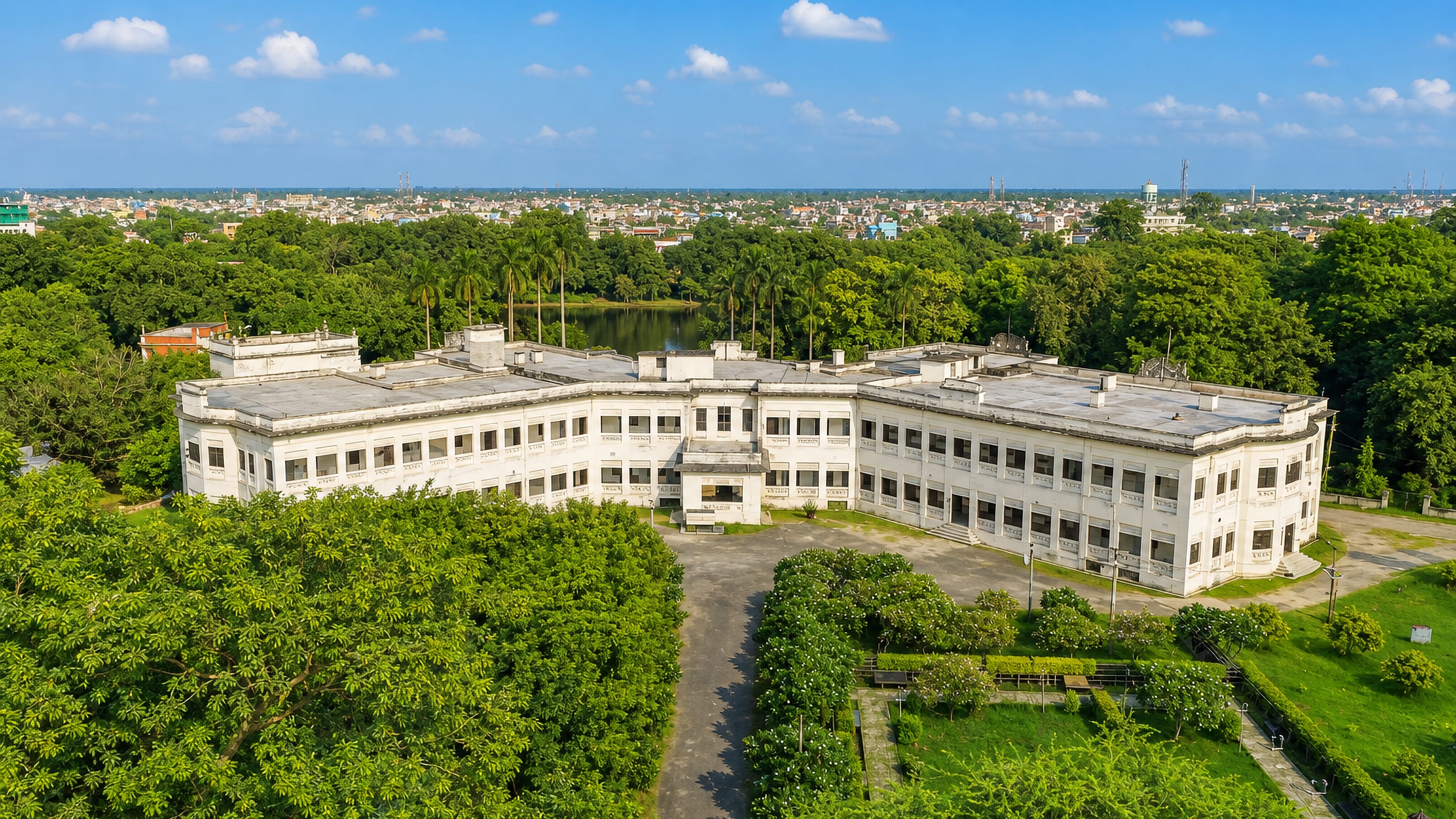
The Chandradhari Museum, the Darbhanga Planetarium and the district and division offices all stand inside this one stretch of the city.Find hotels in Corporation corean unhurried run at the villages between Darbhanga and the Nepal borderThe plain toward Nepal
Gangetic plains settlements thin out over the 50 km toward Nepal, with folk traditions strong and formal rooms almost absent. Beds are limited here, so book early.Find hotels in The plain toward NepalHotel links are affiliate links: booking through them may earn us a commission, at no extra cost to you. It never affects how places are ranked. How this works
About Darbhanga
What is Darbhanga known for?
Mithila's cultural weight sits here. Darbhanga is counted the cultural capital of Bihar for musical, folk-art and literary traditions carried on over centuries, and the songs of the Maithili poet Vidyapati are still sung at religious and social occasions across the region. The Darbhanga Royal family supplies the city's other reputation, as one of the largest landholdings in the country under the British Raj.
A museum and a planetarium hold the public collections.
What are the main landmarks in Darbhanga?
The Chandradhari Museum is the anchor. Its collections stand for the wider Mithila region as much as for the city, while the Darbhanga Planetarium supplies the other public draw, an unusual pairing for a district town on the Gangetic plains. The Darbhanga Royal family accounts for the older fame, as one of the country's largest landholdings under the British Raj.
Vidyapati's verse still circulates.
What is the history of Darbhanga?
The name is the first piece of evidence. Darbhanga is held to derive from Dwār Banga, or Dari-Banga, a phrase read as the 'door of Bengal', which ties the city to the country lying east of it and to the traffic that once passed that way. Mithila supplies the deeper layer.
Literary and musical traditions here run back centuries, and Vidyapati, writing in Maithili, remains the figure whose songs are performed at religious and social occasions across the region. The Darbhanga Royal family carried the place into the modern record, holding one of the largest landed estates in the country through the period of the British Raj, and the standing of that house is why the city's name travelled well beyond Bihar. Administration followed those lines.
Darbhanga became the headquarters of Darbhanga district and of Darbhanga division, and it grew into one of the largest municipal corporations in the state. Nepal lies about 50 km off, with the Gangetic plains running the whole distance.
Where is Darbhanga?
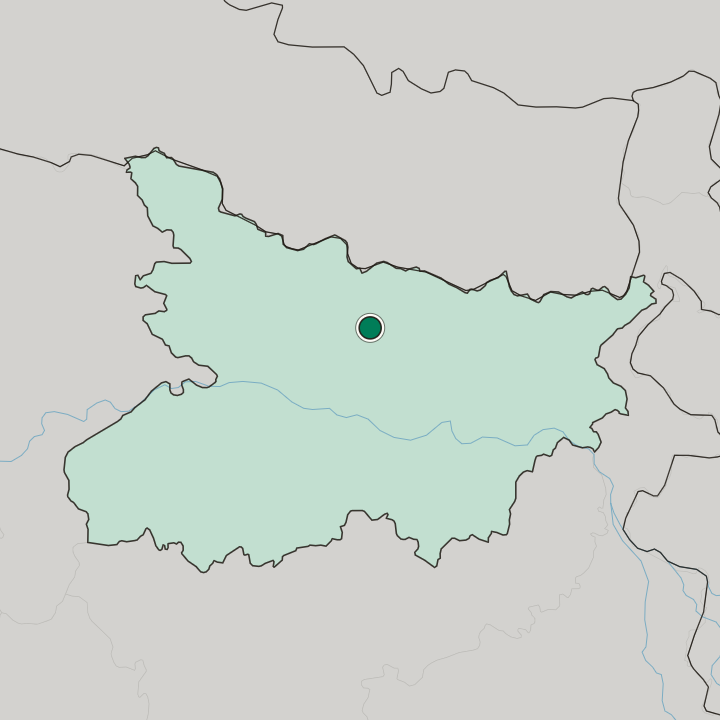
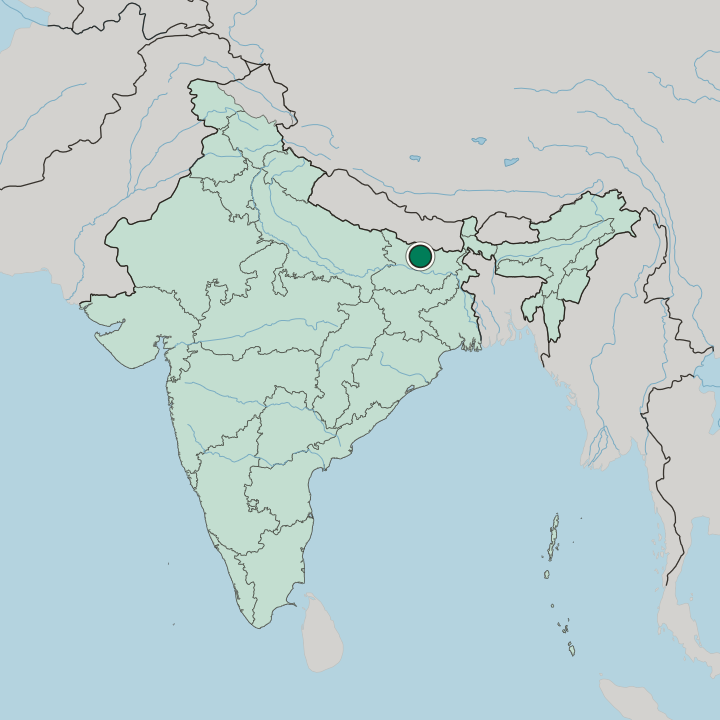
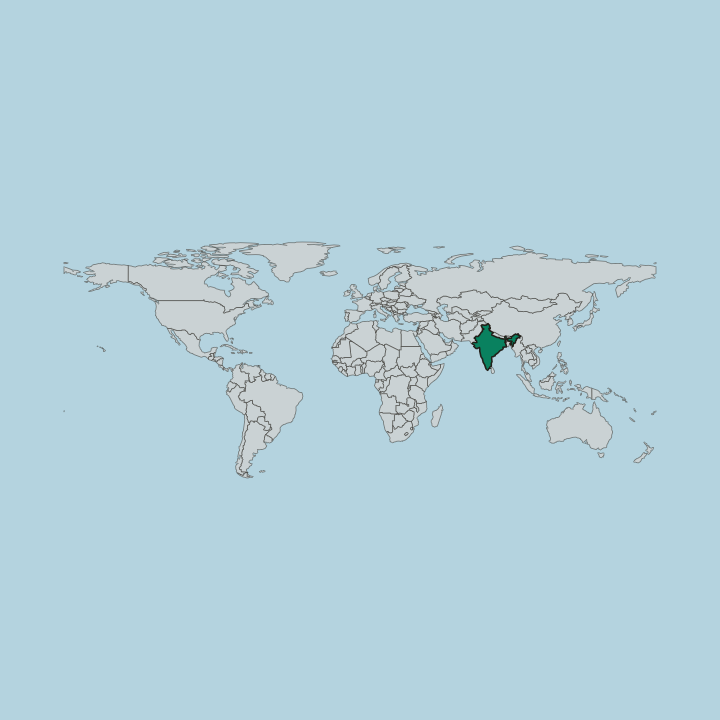
Darbhanga sits on the Gangetic plains. The city belongs to Mithila, the region its culture is most often identified with, and Nepal lies around 50 km away across flat, worked country. Darbhanga district spreads around the corporation, while Darbhanga division groups the districts past it, so the city's name covers a good deal of the map in this part of Bihar.
The Nepal border is the nearest edge.
What is the climate of Darbhanga?
The Gangetic plains set Darbhanga's weather, open low ground with nothing between the city and the heat that builds over it through the middle of the year. Cool months are short. Because the city lies north of the equator, that heat peaks in the calendar's middle and eases at either end, and the flat ground offers no relief of height anywhere near Mithila.
Fields work to that clock.
How do you get to Darbhanga?
Darbhanga is the convergence point for its own division. Routes come in across the Gangetic plains from the districts that Darbhanga division groups together, and the city's role as headquarters of Darbhanga district means most local traffic ends here rather than passing through. Nepal is close.
The border lies around 50 km out, which puts the city within reach of cross-border journeys as well as journeys inside Bihar.
Common questions
What is the best area to stay in Darbhanga?
Corporation core: Mithila art, the Chandradhari Museum and the planetarium. The plain toward Nepal: an unhurried run at the villages between Darbhanga and the Nepal border.
Good for
More cities in State of Bihar
Updated September 2026